For a toy shop, Custom Plastic Bags for Toy retailers do more than move a purchase from counter to car. They carry the logo past the register, into the mall, across the parking lot, and sometimes into a birthday party where other adults see the store name without ever setting foot inside. That exposure is not theoretical. It is one of the few low-cost branding channels that shows up in public every time a sale leaves the building.
Toy retail also asks more of a bag than many categories do. Board games have sharp corners. Plush toys are awkwardly sized. Action figures, craft kits, and blind boxes can all land in the same transaction. A bag that works for folded apparel may fail quickly here, which is why material choice, thickness, and handle style matter as much as the artwork.
Used well, a bag becomes part packaging, part operations tool, part brand asset. It can speed checkout, reduce item damage, make a purchase feel gift-ready, and quietly reinforce the store’s identity. That combination is why toy retailers often get more value from a well-specified bag program than from a generic store bag order.
Why toy stores use branded bags for more than carrying purchases
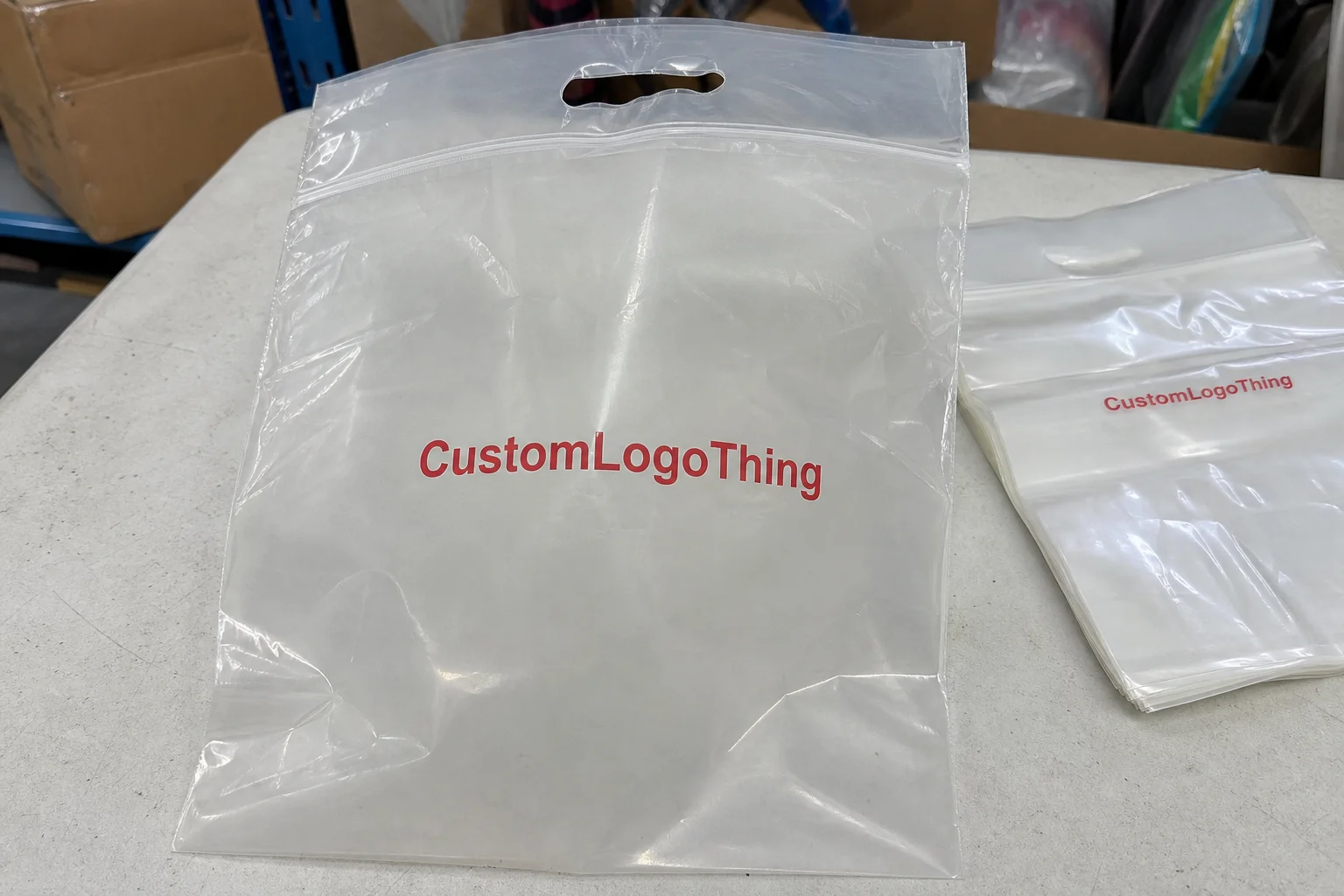
A branded bag is a miniature billboard, but that description undersells the operational side. It also has to be easy for staff to use, comfortable for customers to carry, and strong enough to survive the walk out of the store. If the bag splits on a busy Saturday, the logo may still be visible, but the brand impression is damaged.
Custom Plastic Bags for toy retailers solve several problems at once. They contain irregular purchases, reduce checkout friction, and give the store a recognizable look without requiring a separate marketing campaign. In a category where many purchases are impulse-driven, those touches matter because the customer experience is short, fast, and highly visible.
There is a subtle merchandising benefit too. Seasonal artwork, a birthday message, or a simple promo line can make the bag feel tied to the occasion. That matters in toy retail, where the same store may sell a small collectible on one transaction and a large boxed set on the next. A bag that feels intentional helps the store look more organized and more premium.
The right question is not whether a toy store needs bags. It is what job the bags need to do. Some stores want privacy for gift purchases. Others need something durable enough for heavier bundles. Many need both, plus enough print quality to keep the logo legible after a long day of handling. That is where practical packaging decisions start paying off.
How custom retail bags work in a toy store workflow
Checkout workflow should drive the bag spec. If associates are bagging quickly during peak hours, the bag needs to open easily, stack neatly under the counter, and fit common purchases without a lot of folding or forcing. If the store offers gift wrap or sells higher-value items, the bag may need a more polished look and better concealment.
Most toy retailers end up choosing from a few core constructions. LDPE is flexible and forgiving, which helps when the load is irregular or slightly oversized. HDPE tends to feel crisper and is often used for lighter purchases where cost control matters. Heavier gauges are better when the basket includes boxed games, multi-item purchases, or products with corners that can puncture thin film during the trip home.
Printing method also affects both appearance and production timing. One-color flexographic printing is usually the simplest and most economical route. Multi-color artwork increases setup complexity, and detailed graphics can lose clarity if the file is not prepared for the surface. Plastic film reflects light, so contrast and line weight matter more than many buyers expect from a screen proof.
Functional details are easy to overlook until they affect the checkout line:
- Die-cut handles work well for lighter purchases and quick handoff.
- Loop handles usually feel stronger and are easier to carry for heavier toy bundles.
- Gussets add depth for boxed items and awkward shapes.
- Reinforced bottoms improve load stability when a bag has to carry more than one item.
Promotion can be built into the bag without cluttering the layout. QR codes can point to loyalty sign-ups or party-planning pages. A holiday graphic can support a short seasonal run. Store hours, a location tag line, or a return-policy reminder can also fit, provided the design stays disciplined and readable.
Key specs that affect durability, print quality, and shelf appeal
Bag size is usually the first thing buyers underestimate. Small collectibles may fit in a compact bag, but plush toys and boxed sets often need more width and depth than a quick estimate suggests. If the bag is too tight, seams get stressed. If it is too large, the purchase looks untidy and material costs creep up.
Gauge, or thickness, is the next major decision. Many buyers talk about plastic thickness in vague terms, but the real issue is puncture resistance and perceived quality. A bag in the 1.5–2.0 mil range may be fine for light retail use. Heavier or more premium applications can justify something closer to 2.5–3.0 mil, depending on the bag style, local rules, and what the average purchase actually weighs.
Print quality usually improves when the artwork is restrained. Bold logos tend to read better than fine illustration work. A mascot can work if the linework is simple and the contrast is strong. Tiny legal text, by contrast, can disappear on reflective film. The most reliable test is not how the art looks on a monitor, but whether it remains legible at six feet and on a moving bag.
Color choice changes the mood of the bag more than many buyers anticipate. Bright red, blue, and yellow feel playful and suit the toy category well. Frosted or translucent bags create a cleaner look and can feel more gift-friendly. Clear bags are useful in some settings, but they reduce privacy and can make a higher-priced purchase feel less special.
There are also compliance issues that should be checked early, not after the proof is approved. Many regions require suffocation warnings on plastic bags above certain thresholds, and recycling language has to match the material and the actual disposal pathway. If environmental claims are part of the design, they need to be accurate. For general packaging and recycling guidance, the EPA recycling guidance is a useful baseline.
Negative space matters more than most first-time buyers realize. A simple logo with one clear message usually reads better than a crowded design trying to say too much. On glossy plastic, restraint usually looks more expensive.
| Bag style | Best for | Typical strength | Visual effect |
|---|---|---|---|
| HDPE die-cut | Small impulse items, light accessories | Light to moderate | Crisp, simple, budget-friendly |
| LDPE loop handle | Plush toys, bundles, boxed games | Moderate to high | Softer feel, more premium |
| Thicker gusseted bag | Heavier purchases, mixed items | High | More room, better load stability |
| Frosted printed bag | Gift-ready purchases, boutique toy shops | Moderate | Clean, polished, less cluttered |
Custom plastic bag pricing: what drives unit cost and MOQ
Pricing for Custom Plastic Bags for toy retailers usually comes down to a handful of variables: size, thickness, print colors, handle type, and whether the artwork is printed on one side or both. Special structures or finishes can increase the price quickly, but even standard options vary a lot once the spec changes.
MOQ, or minimum order quantity, is tied to setup economics. Plates, color setup, machine adjustment, and press time all have to be covered before the run becomes efficient. That is why a 5,000-piece order often prices better per unit than a 1,000-piece order, even if the artwork is identical.
For a standard printed run, buyers often see ranges like these:
- 5,000 bags: about $0.18-$0.28 per unit for a simple one-color design, depending on size and gauge.
- 10,000 bags: about $0.12-$0.22 per unit when setup costs are spread across more units.
- Smaller runs: typically higher per-unit pricing because fixed setup costs are less diluted.
Those figures are directional, not universal. A heavier gauge, multi-color print, custom handle, or highly specific structure can push the price upward. Rush jobs can do the same, especially if freight deadlines are tight or the production calendar is already full.
Hidden costs are where buyers get surprised. Artwork prep, plate charges, sample production, freight, and reprint risk all affect landed cost. The cleanest comparison is one that uses the same dimensions, gauge, print coverage, quantity, and delivery terms across every quote. If you are coordinating multiple packaging items, align the bag spec with your broader Custom Packaging Products plan instead of buying each item in isolation.
Production steps and lead time: from artwork to delivery
The route from concept to delivered bags is straightforward if the inputs are clean. First comes the spec request: dimensions, material, thickness, handle style, print colors, quantity, and target date. The supplier then checks feasibility and returns a quote.
Artwork approval is often where the schedule slips. Low-resolution files, incorrect sizing, missing warning language, and last-minute copy changes all add time. Color matching can also take longer on plastic film than on paper because the substrate affects how ink reads.
A typical workflow looks like this:
- Submit bag dimensions and artwork files.
- Review quote and confirm MOQ.
- Approve a digital proof or sample.
- Finalize production settings.
- Run quality checks during manufacturing.
- Pack, ship, and receive the order.
For timing, simple one-color bags usually move faster than multi-color or highly customized orders. A realistic planning window is often 12-15 business days from proof approval for straightforward runs, though complex orders can take longer. Seasonal congestion is real, especially before gift periods and school breaks.
That buffer matters more than many buyers assume. Toy stores often see sudden spikes tied to holidays, birthdays, school events, and product launches. If the bag order is late, the store pays for it twice: once in rush charges and again in operational pressure when stock runs thin.
Packaging buyer reality: the lowest quote is not the cheapest order if it arrives late, tears at checkout, or forces a reprint because the proof was rushed.
Common ordering mistakes toy retailers make with printed bags
The most common mistake is undersizing. A bag that fits a small toy neatly may fail once a board game, puzzle box, or plush animal gets added. That creates friction at checkout and makes the store look underprepared. Testing with actual best-selling items is more reliable than trusting a catalog dimension alone.
Another mistake is pushing material cost too low. Thin film can save pennies per unit, but if the bag splits on the way out the door, the customer remembers the failure more than the savings. In packaging, the cheapest option can become the most expensive one through complaints, replacements, and wasted staff time.
Design overload causes trouble too. Too much text, too many colors, or a logo that is too small to read on plastic weakens the bag’s branding value. A clean, bold layout usually performs better. The goal is recognition, not decoration for its own sake.
Compliance oversights are another recurring problem. Buyers sometimes forget warning-label requirements, local bag restrictions, or acceptable recycling language until the proof stage, when every correction costs time. If sustainability claims are part of the artwork, verify them against actual materials rather than assumptions. FSC applies to paper-based packaging, not plastic bags, but the standard still matters if the rest of your packaging mix includes paper components; see FSC standards and guidance.
The proof step is easy to skip and expensive to ignore. Color shifts, scaled logos, and unreadable copy all show up more clearly on plastic than they do on a PDF preview. A sample or annotated proof is cheap insurance compared with a full reprint.
Expert tips for better bag performance, branding, and ordering
Start with actual shopping behavior. If most purchases are impulse items at the front counter, a smaller bag spec may be enough and can speed service. If the average basket includes board games, craft kits, or multiple plush toys, go larger and stronger. The bag should fit the basket you really sell.
Then look at how the bag behaves in store conditions. Can an associate open it with one hand? Does it stack neatly behind the counter? Can a child carry it without struggling? These are small questions until a Saturday rush turns them into bottlenecks.
Comparing two quote scenarios side by side is one of the most useful checks a buyer can do: one optimized for the lowest cost, the other for better durability. The difference is often modest on paper and very visible in use. A bag that is two cents cheaper can cost more if it tears. A slightly stronger bag can reduce waste and preserve the store’s reputation.
For branding, clarity beats complexity. A recognizable logo, one strong message, and enough contrast usually outperform a crowded layout. That matters in toy retail, where the bag may be seen by dozens of people before the customer even reaches the car.
Seasonal artwork is worth using, but it does not need to rebuild the whole program. A base design with a small promo panel or short-run seasonal variation can keep the packaging fresh without forcing a new spec every few months. That approach also makes reordering easier because the core structure stays the same.
Stores that manage packaging well tend to treat bags as part of the product packaging system, not as an afterthought. That mindset usually leads to cleaner specs, fewer reprints, and a more consistent checkout experience.
Next steps for choosing the right bag specification
Before requesting quotes, write a one-page spec sheet. Include dimensions, material, thickness, handle style, print colors, target quantity, and the date the bags must be in hand. That simple step cuts down on back-and-forth and reduces the chance of mismatched quotes.
Then audit the checkout mix. Which items are most likely to tear a thin bag? Which purchases need privacy? Which products should feel gift-ready? In most toy stores, the answer points to two or three bag sizes rather than one universal option.
Request samples or proofs and compare them against real toy packaging, not only artwork mockups. A bag that looks fine on screen may be too small for a boxed game or too busy once printed on glossy film. Testing with actual products is the fastest way to avoid expensive surprises.
Set the reorder calendar around peak periods. If holidays, school breaks, or promotional events create demand spikes, plan inventory before stock gets tight. Rush fees are rarely worth it when the demand curve is visible in advance.
Handled well, custom plastic bags for toy retailers are not just checkout supplies. They are a low-friction branding tool, a damage reducer, and a visible signal that the store pays attention to details. In toy retail, that attention is often what customers remember.
FAQs
What size custom plastic bags work best for toy retailers?
Match the bag to your most common purchase sizes. Small bags work for collectibles and accessories, medium bags fit plush toys well, and larger gusseted bags are better for boxed games or mixed-item purchases. Depth and width matter as much as length because they reduce seam stress and make checkout easier.
How much do custom plastic bags for toy retailers usually cost?
Unit cost depends on size, thickness, print colors, and order quantity. Higher MOQs usually lower the per-bag price because setup costs are spread across more units. Rush orders, extra colors, and special finishes increase cost, so compare quotes using the same exact spec.
What is the typical turnaround for custom printed bags?
Turnaround depends on artwork complexity, proof approval speed, and the production queue. Simple one-color bags generally move faster than multi-color or highly customized orders. Plan early for seasonal peaks so you have time for revisions without paying rush fees.
Are custom plastic bags safe and compliant for toy stores?
They can be, but compliance depends on regional bag regulations, warning-label requirements, and any recycling or environmental claims printed on the bag. Confirm local rules before approving artwork, and make sure any claims match the actual material and disposal guidance available in your market.
How can toy retailers make bag designs more effective?
Use a bold logo, simple messaging, and enough contrast for quick recognition at checkout and out in public. Keep the design readable from a distance, and avoid overcrowding the bag with too much text or too many colors. A clean layout usually performs better than a busy one.


