Buyer Fit Snapshot
| Best fit | Custom Plastic Bags with Logo Wholesale projects where brand print, material claims, artwork control, MOQ, and repeat-order consistency need to be specified before quoting. |
|---|---|
| Quote inputs | Share finished size, material target, print colors, finish, packing count, annual reorder estimate, ship-to region, and any compliance wording. |
| Proofing check | Approve dieline scale, logo placement, barcode or warning zones, color tolerance, closure strength, and carton packing before bulk production. |
| Main risk | Vague material claims, crowded artwork, missing packing details, or unclear freight terms can make a low unit price expensive after revisions. |
Fast answer: Custom Plastic Bags with Logo Wholesale: Film, Print, MOQ, and Carton Packing should be specified like a repeatable production item. The safest quote records material, print method, finish, artwork proof, packing count, and reorder notes in one written spec.
Production checks before approval
Compare the actual filled-product size with the drawing, then confirm tolerance on folds, seals, hang holes, label areas, and retail display edges. Reserve space for logos, QR codes, warning copy, and material claims before decorative graphics fill the panel.
Quote comparison points
Review material grade, print process, finish, sampling route, tooling charges, carton quantity, and freight assumptions side by side. A quote is only useful when the supplier can repeat the same color, closure quality, and packing count on the next order.
Custom Plastic Bags with Logo Wholesale: Buy the Spec, Not the Hype
Custom plastic bags with logo wholesale is a purchasing decision, not a decoration exercise. The bag has to carry product, look professional, hold up in use, and stay inside budget. That sounds simple until a thin film splits at checkout or a logo print looks like it was approved by committee and printed by accident.
Most wholesale buyers do not lose money on the bag itself. They lose it on the wrong spec. A bag that is too thin tears. A bag that is too small looks sloppy. A print layout that tries to do too much turns a basic order into a slow, expensive headache. For retail stores, event vendors, and e-commerce brands, the bag has to do three jobs at once: hold the product, support branded packaging, and make financial sense over the full run.
That is why custom plastic bags with logo wholesale can be a smarter buy than generic packaging or a cheap bag that gets replaced every quarter. Wholesale pricing works best when the bag reduces labor, improves presentation, and gives you predictable reorders. A well-made bag also protects the rest of the packaging system. If the carrier fails, the nice insert card and the clean label do not rescue the experience.
From a buyer's seat, total cost goes beyond the quote. A slightly stronger film can reduce breakage. A cleaner print can cut complaints at the register. A consistent size can speed up packing and reduce mistakes. Those savings are not flashy, and that is exactly why they get missed. Cheap packaging that creates waste, returns, and awkward conversations is not cheap. It is just deferred pain with a unit price.
If you are comparing retail packaging, product packaging, and shipping use cases, the right answer depends on the bag type, material, print method, quantity, and timing. Price matters. So do all the details that make the bag usable in real operations. The lowest quote often looks good right up until you notice what it leaves out.
"A good wholesale bag should be forgettable in the best possible way. It arrives on spec, works in the hand, and does not make your team improvise."
Why Custom Plastic Bags with Logo Wholesale Saves More Than You Think
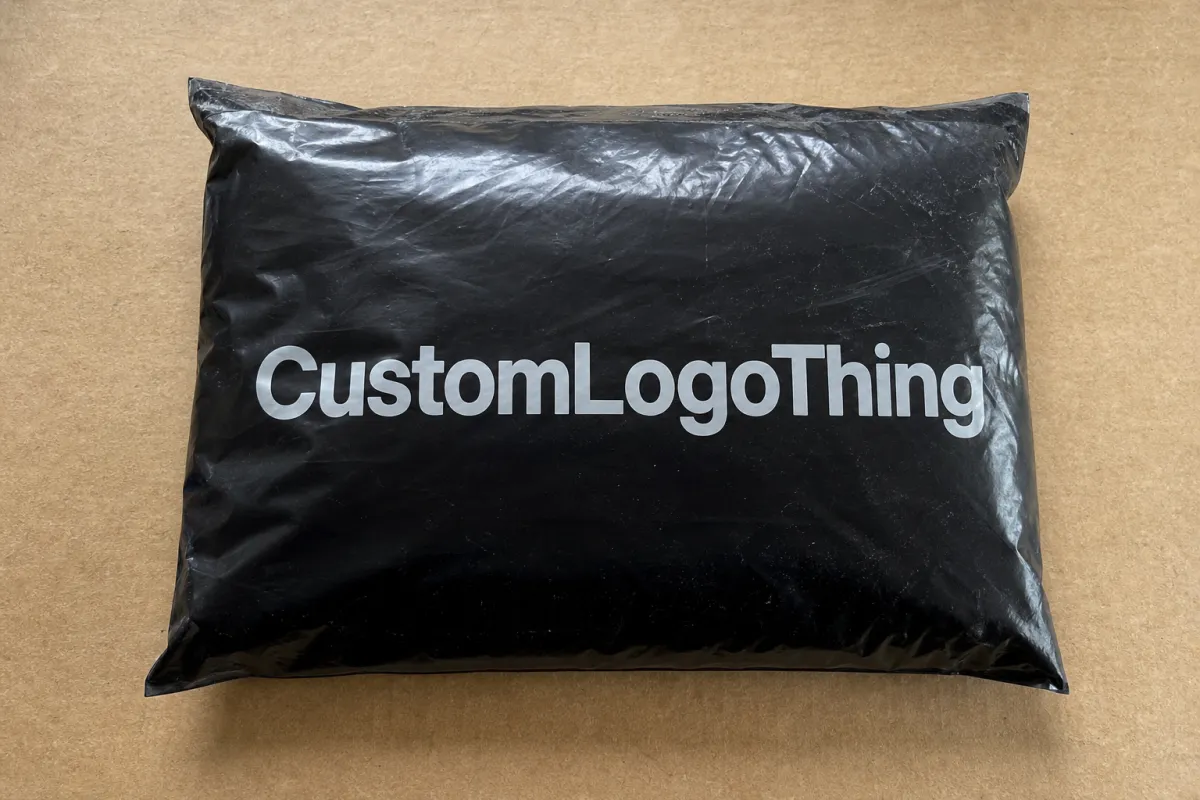
It is easy to treat bags like an afterthought. That usually costs more than people expect. In retail, the bag is often the last physical touchpoint before the customer leaves. In e-commerce, it can be the first thing they see after opening the parcel. In events, it turns into a walking ad. That is why custom plastic bags with logo wholesale can outperform generic carry bags or last-minute packaging fixes.
Retail stores need bags that look clean at the counter and survive the trip home. Event vendors need packaging that moves fast and does not look flimsy after the hundredth handoff. E-commerce brands need packaging that protects the item and does not chew through margin. Different use cases, same logic. A better bag often lowers labor, reduces damage, and gives the brand a more deliberate look. Those are quiet wins, but they are real.
Wholesale pricing also helps with inventory planning. If you sell the same item every week, you do not want to rethink packaging every reorder. Stable bag specs make restocking easier and keep the print setup consistent. That matters for multi-location retail, seasonal spikes, and recurring promotions. Reordering the same spec is boring. Boring is good. Boring keeps your team from re-approving artwork for no reason.
There is also a perception issue. A bag that feels too thin or prints poorly makes the product inside look cheaper than it is. That hurts presentation. A better bag can make a routine purchase feel more considered. Not dramatic. Just more credible. Customers notice that more than suppliers like to admit.
For buyers ordering at scale, the real question is not whether the bag is the absolute cheapest. The question is whether it reduces waste, keeps your staff moving, and supports the brand without turning production into a puzzle. That is the value of buying the spec well the first time.
Bag Types, Materials, and Print Options That Matter
There are a few bag formats that cover most wholesale needs, and each one serves a different purpose. T-shirt bags are the workhorse option for high-volume retail and food service. Die-cut handle bags feel cleaner and are common in boutiques and promotions. Soft loop handle bags carry more comfortably and usually read as more premium. Poly mailers are built for shipping and storage, not for a polished handoff at checkout.
Material choice changes both feel and performance. HDPE is lighter, crisper, and usually lower cost, which makes it a practical choice for utility bags and everyday carry-out packaging. LDPE is softer, more flexible, and often better for clarity and load distribution. If you want a sturdier result or a more refined presentation, thicker film can help. If the bag is only there to get the product from counter to customer, a simpler grade may be enough.
Print method has a bigger impact on pricing than many buyers expect. One-color printing is usually the most efficient because setup is simpler and artwork prep is easier. Two-color jobs are common, but they need tighter registration. Full-coverage or multi-color branding adds more complexity and can slow production. For many orders, one sharp logo on a clean field works better than a crowded design trying to say everything at once.
Finish matters too. Glossy bags feel brighter and more retail-ready. Matte finishes feel quieter and more controlled. Transparent or semi-transparent bags are useful when the product should remain visible. Opaque bags hide contents and can make the presentation feel more intentional. Frosted effects sit in the middle and are common in boutique package branding. Pick the finish based on what the bag is supposed to communicate, not just how it looks in a mockup.
The main rule is simple: match the bag format to the actual customer journey. A grocery-style carry bag, a boutique tote, and a shipping mailer are not interchangeable just because they are all plastic. The wrong format can make a product look cheap, underprotected, or oddly oversized. That is a spec problem, not a style preference.
| Bag Type | Best Use | Common Thickness | Print Approach | Main Buyer Tradeoff |
|---|---|---|---|---|
| HDPE T-shirt bag | High-volume retail, carry-out | 0.5-1.5 mil | 1-color flexo print | Lowest cost, less premium feel |
| LDPE die-cut handle bag | Boutiques, promotions, events | 1.5-3 mil | 1-2 color print | Cleaner presentation, higher unit cost |
| Soft loop handle bag | Premium retail packaging | 2-4 mil | 1-4 color print | Better feel, higher MOQ pressure |
| Poly mailer | E-commerce shipping | 2-4 mil | Simple logo or all-over print | Good protection, less retail polish |
For buyers comparing Custom Packaging Products, this is where the broader range matters. Plastic bags are only one part of the packaging mix. If you also use inserts, wraps, or custom printed boxes, the bag should support the whole presentation instead of fighting it.
For performance testing, especially if the bag is part of a shipped order, standards from ISTA are a practical place to start. If the project touches sustainability claims or materials language, the EPA's sustainable materials guidance is a useful reference. That does not choose the bag for you. It just keeps the discussion honest.
Specifications: Sizes, Thickness, Handles, and Finish
Size is where many wholesale orders go wrong. Buyers estimate from the product and forget the room needed for folds, seams, inserts, or a comfortable carry profile. A bag should fit the item without fighting it. Too tight, and packing slows down. Too loose, and the bag looks sloppy and wasteful. If the bag is for apparel, cosmetics, gifts, or small accessories, the dimensions need to account for both the product and the way you want it presented.
Thickness is the next decision. Thin film lowers cost, but it also reduces durability and shape retention. Thicker film supports heavier contents and usually feels more confident in the hand. For a lightweight promo bag, a thinner spec may be fine. For repeat-use retail packaging, a little more thickness can be the difference between a bag that holds up and one that folds badly or splits at the handle. Typical wholesale bag thicknesses can range from 0.5 mil on lighter utility bags to 4 mil on more substantial retail carry bags.
Handle style affects both function and brand feel. Die-cut handles create a neat, modern look and work well for a clean silhouette. Loop handles are more comfortable for heavier items and usually feel more premium. T-shirt handles are the practical choice: low cost, easy to distribute, and suitable for large runs. If the bag is carrying a product people paid good money for, the handle should not feel like a compromise.
There are smaller details buyers often miss until the sample arrives and somebody in the warehouse says, "Well, that is not ideal." Gusset depth affects capacity. Seal strength matters if the bag carries sharp corners or heavier contents. Print area sets the limit on logo size before the seams get crowded. Venting can matter for products that trap air. Reinforcement at stress points helps keep bags from tearing where the handle meets the body. None of that is exciting. All of it is useful.
A spec sheet solves most of that before quotes start. Put the bag dimensions, thickness, handle style, print colors, print area, material, quantity, and packing method into one document. Then send the same spec to every supplier. Otherwise you are comparing five different products and pretending it is one quote. That is how a bad purchase gets rebranded as a savings story.
If your brand uses a mix of branded packaging formats, keep the bag aligned with the rest of the order. A clean carrier bag should not clash with insert cards, labels, or outer cartons. Consistency is not fancy. It simply makes the whole package feel like it was planned instead of assembled under pressure.
Cost, Pricing, MOQ, and Quote Factors
Price is the place where buyers get distracted. Unit price matters, yes. But a quote also needs to be read correctly. Material grade, bag size, thickness, print colors, quantity, packing method, custom tooling, and shipping all affect the final number. A quote that looks low because it left out setup charges is not low. It is incomplete.
Here is a realistic pricing frame for common wholesale orders. Simple HDPE carry-out bags with one-color printing can land around $0.03-$0.08 per unit at higher quantities, often 10,000 pieces or more. Die-cut LDPE carry bags with one-color branding may fall around $0.12-$0.28 per unit, depending on size and film gauge. Soft loop handle bags are usually higher, often $0.22-$0.60 per unit, because they use more material and deliver a more premium feel. Poly mailers typically sit somewhere in the middle, often $0.08-$0.22 per unit depending on print coverage, adhesive closure, and thickness. Those are market ranges, not promises. Bigger print areas, unusual finishes, or special film requirements can move the number up.
MOQ matters just as much. Low minimums let you test demand, but the unit price usually rises. Higher quantities pull the per-bag cost down faster, especially if the artwork and bag spec stay stable. Many simple custom runs start around 1,000 to 3,000 pieces. Custom sizes, multi-color artwork, or thicker premium bags often push the MOQ to 5,000 or 10,000 pieces. That is normal. A supplier promising every spec in tiny quantities at Wholesale Pricing is usually giving you a number that changes later.
Setup charges deserve attention. Flexographic printing often uses plates, and those can run roughly $40-$120 per color for simpler jobs, with higher costs for more complex artwork or additional production prep. Sampling, proofing, freight, cartons, and taxes can also add to the landed cost. A quote that includes all of that is easier to compare. A quote that hides half of it is just doing a better job of looking cheap.
The smart comparison is simple. Review at least three scenarios: one lower-MOQ option, one mid-volume option, and one larger run. Do not compare only the cheapest unit price. Compare total landed cost and business risk. Sometimes the more expensive bag wins because it reduces reorders, lowers damage, or gives you enough stock to handle a season without panic buying.
For a cleaner buying path, review our Wholesale Programs and compare the spec levels side by side. If you are also sourcing cartons, inserts, or other retail packaging, that wider view helps balance the budget across the whole order instead of optimizing one line item and ruining another.
Production Steps, Process, and Lead Time
Wholesale production is not mysterious. It has gates, and each one can slow the job if the information is messy. The usual flow is straightforward: inquiry, spec confirmation, artwork review, quote approval, proof or sample approval, production, quality check, packing, and shipment. If one step turns into an email chain that nobody enjoys reading, the timeline stretches.
The most common delay is bad artwork. Low-resolution logos, tiny text, and awkward gradients create problems during print prep. A printer can only do so much with a file built for a website banner instead of a production line. Vector files are safer because they scale cleanly and keep edges sharp. If the artwork is not ready, ask for a check before approval. Fixing it early is cheap. Fixing it after production starts is not.
Material availability matters too. Standard LDPE and HDPE formats usually move faster than unusual film blends or custom finishes. One-color jobs are usually simpler to prepare. Multi-color print, full coverage, and special effects take longer because registration and inspection require more care. A realistic lead time for a simple run is often 12-15 business days after proof approval. More complex orders can take 20-35 business days, especially if tooling, custom film, or detailed finishing is involved. Shipping is separate, and that is where schedules quietly go off the rails.
If you need to speed things up, do it the boring way. Send final artwork. Confirm exact dimensions. Choose a standard material if it fits the product. Respond quickly to proof emails. Do not make the supplier guess at the bag size, and do not ask for changes after the job is queued unless you are comfortable paying for rework. Short lead times are possible. They just are not built on sloppy inputs.
Good wholesale packaging work also benefits from simple testing. If the bag will be used in parcel shipping, transit testing from ISTA gives you a practical baseline for how the pack should survive handling. If the order includes paper tags, inserts, or printed cartons, check whether recycled or FSC-certified paper components make sense for the rest of the system. The point is not to pad the spec sheet with acronyms. The point is to reduce avoidable damage and keep the order honest.
Rushed production tends to create weak prints, awkward sizing, or packaging that looks fine on a screen and disappointing in hand. A realistic schedule is more useful than a reckless promise. It costs less in the long run, which is usually the part that matters.
Why Choose Us for Wholesale Orders
Wholesale buyers do not need poetry. They need clear answers. What material is being used? What print method fits the artwork? What is the MOQ? How long does production actually take? If a supplier cannot answer those questions without dancing around them, that is a sign to keep moving. Manufacturing clarity is not a luxury. It is the job.
That is where a practical packaging partner earns its keep. At Custom Logo Things, the useful part is the process: consistent specs, repeatable print results, order tracking, and straightforward support for reorders. When the first job is documented properly, the second job is faster. When the bag spec stays stable, your team does not have to relearn the order every time you restock. That is how efficient product packaging actually works.
Quality control should be visible in the final product, not hidden in a sales pitch. A solid wholesale process checks artwork fit, thickness, print alignment, and packing condition before shipment. It also catches problems like odd seam placement, uneven ink coverage, or bags packed in a way that causes creasing. None of that is glamorous. It is the difference between receiving inventory and receiving a problem with a tracking number.
Sourcing also matters. A good supplier should tell you when a cheaper bag is the wrong bag. Sometimes the lower-cost option is fine. Sometimes it is false economy. If a client needs stronger handles, better clarity, or a cleaner finish, say so plainly. Honest tradeoffs are better than polished nonsense. That matters in retail packaging, where the bag shapes the customer's impression before the product is even used.
If you are building a broader packaging program, it helps to keep the bag decision connected to the rest of the order. Our Custom Packaging Products page is a useful place to compare related formats like inserts, cartons, and other branded packaging pieces. The right wholesale partner should help you protect margin, keep shelves stocked, and make custom plastic bags with logo wholesale orders easier to manage over time.
Next Steps to Order Custom Plastic Bags with Logo Wholesale
If you want a clean quote, start with the basics and skip the drama. Gather the bag dimensions, target quantity, handle style, material preference, artwork file, and delivery deadline. That one set of information gets a better answer than ten vague emails asking for "something nice" and "maybe not too expensive." The supplier is not a mind reader.
Then compare at least two or three spec options. A lower unit cost is only useful if the bag still fits the job. A stronger construction may save money by reducing complaints or replacements. A faster lead time may be worth the added cost if the order supports a promotion or a seasonal launch. That is the tradeoff buyers actually make.
Always request a proof and confirm print details before production starts. Check logo size, color count, placement, and the actual print area. If the proof is wrong, fix it before approval. Changes after approval usually slow everything down and may add cost. That is true for plastic bags, custom printed boxes, and most packaging jobs that require setup.
If the bag will be used in retail, events, or shipping, a pilot run can be smart. Order the smallest meaningful batch, test it in real use, and see whether the size, feel, and print hold up. Once the spec is confirmed, reorder the same template. That is how you make custom plastic bags with logo wholesale efficient, predictable, and easier to budget without rebuilding the order every time.
The takeaway is simple: lock the spec before you lock the price. Choose the Right bag type, confirm the material and thickness, approve the proof carefully, and compare total landed cost rather than chasing the lowest line item. That is how custom plastic bags with logo wholesale turns into a controlled purchase instead of a guess.
What is the usual MOQ for custom plastic bags with logo wholesale?
MOQ depends on the bag style, size, and print complexity. Simple one-color runs often start lower than multi-color or premium finish jobs. In practice, many buyers see starting points around 1,000 to 3,000 pieces for basic specs, while custom sizes or more detailed printing can push the minimum higher. If you are testing demand, ask for the smallest viable MOQ that still gives you a sensible unit price.
How long does production take for custom plastic bags with logo wholesale orders?
Lead time changes with artwork approval speed, material availability, print method, and order size. Straightforward jobs with final artwork approved quickly can move in roughly 12-15 business days after proof approval. More complex orders, special materials, or multi-color printing usually take longer. The safest way to avoid delays is to send exact dimensions, finished artwork, and quantity upfront.
What affects the price of custom plastic bags with logo wholesale the most?
The biggest price drivers are size, thickness, material grade, print colors, quantity, and whether setup or tooling charges apply. Packaging method, freight, proofing, and cartons can also change the landed cost. A slightly higher-priced bag can still be the better buy if it cuts damage, returns, or reorders. Cheap is only useful if the bag performs.
Can I order custom plastic bags with logo wholesale with a small business budget?
Yes, but the spec should stay simple. A standard size, one-color print, and a material that fits the actual use case will usually keep costs in check. Smaller MOQ orders often cost more per bag, so balance upfront spend against storage space and expected sell-through. Ask for quote options at different quantities so you can see where the break point makes sense.
What artwork is best for custom plastic bags with logo wholesale printing?
Vector artwork is best because it scales cleanly and keeps logo edges sharp. High-contrast logos usually print better than busy gradients or tiny text, especially on smaller panels. If the file is not print-ready, ask for an artwork check before production starts. Fixing the file early is much easier than trying to rescue a bad print later.
Are plastic bags recyclable?
Sometimes, but not everywhere. Recyclability depends on the resin, local collection programs, and whether the bag is clean and accepted by the facility. A supplier can tell you what the bag is made of; they cannot promise local recycling access. If sustainability is part of the brief, ask for material details and avoid vague claims.

