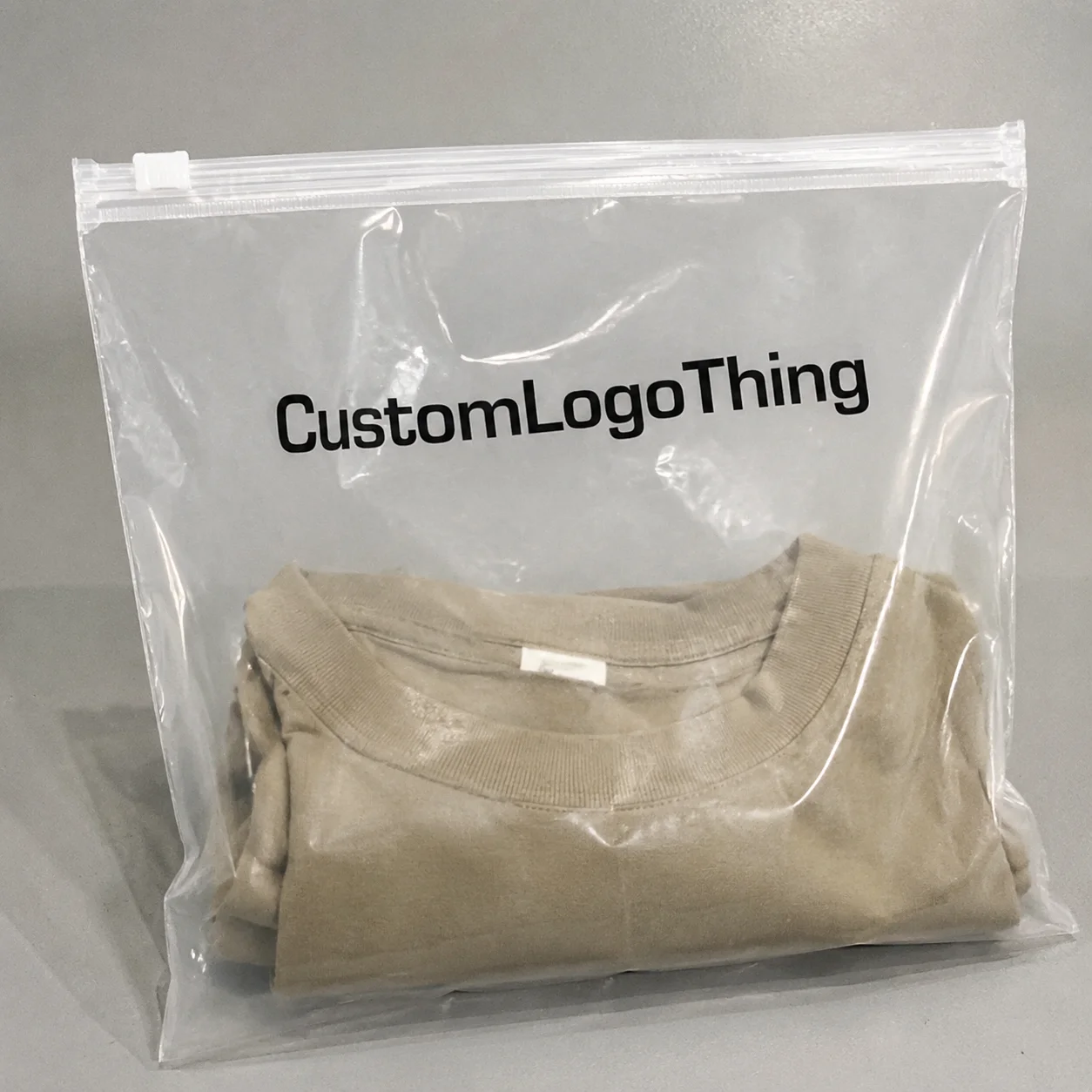
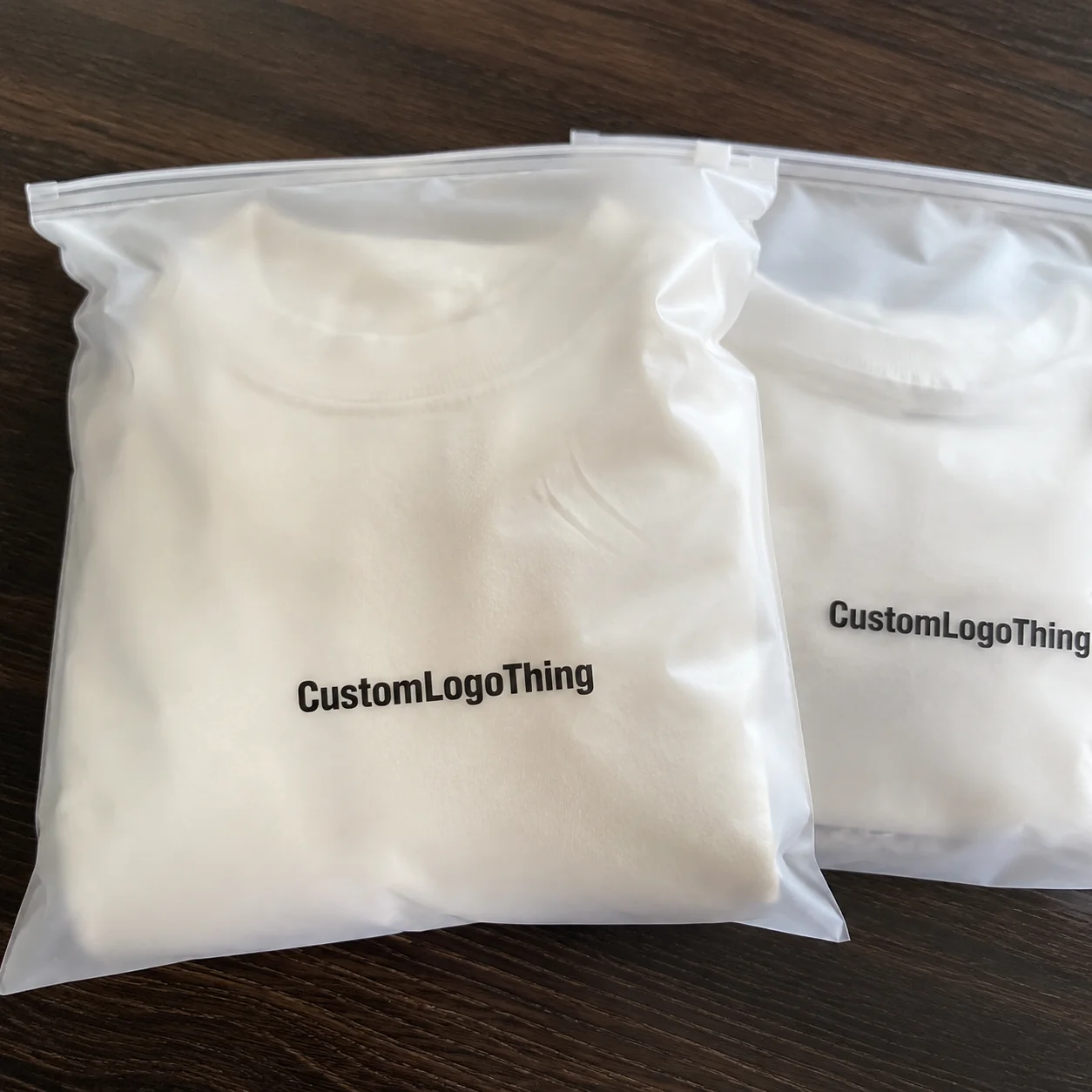
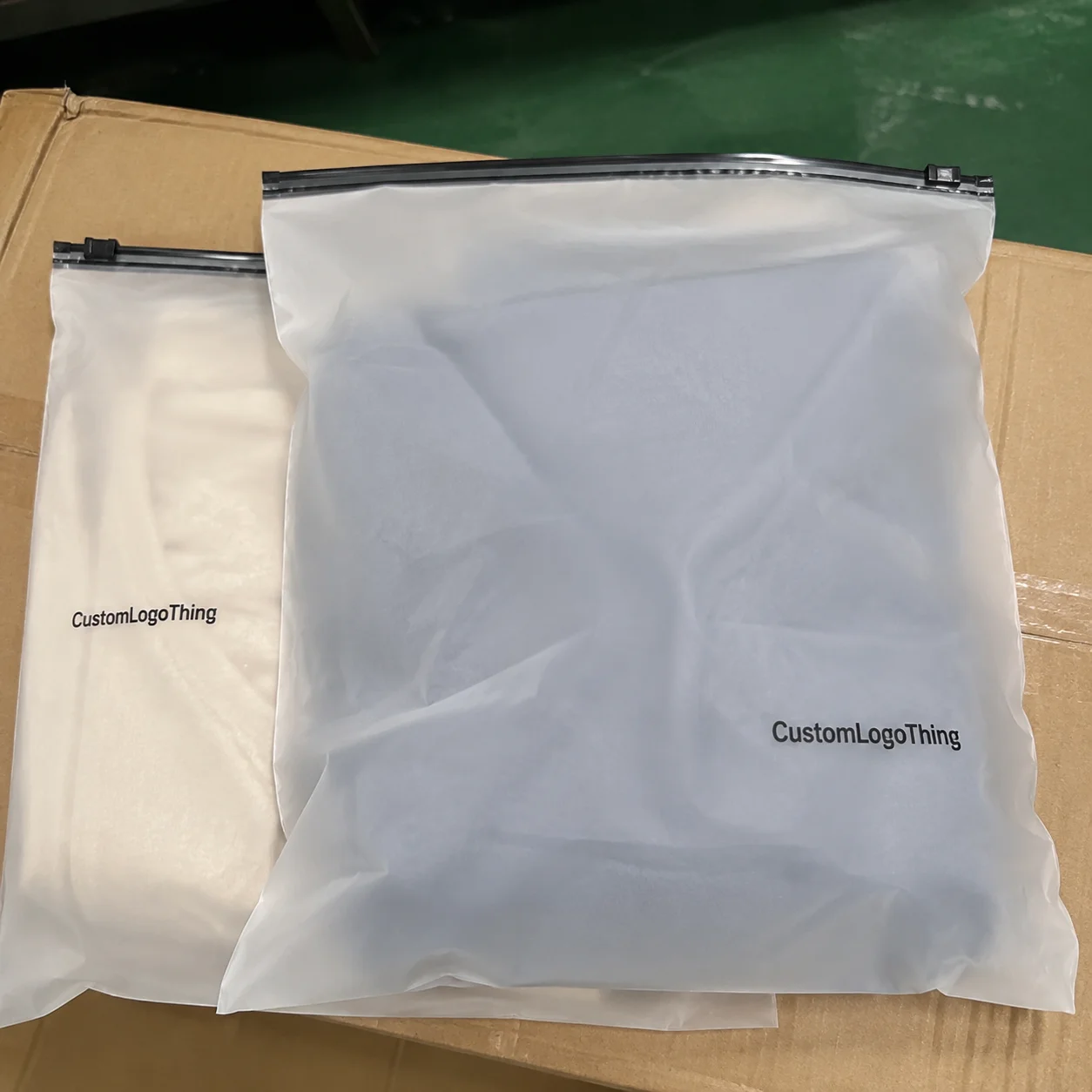
Custom Plastic Packaging Bags custom logo projects look straightforward until the quote lands, the proof comes back, and someone realizes the bag has to protect the product, present it well, and survive handling without shredding itself. The packaging is not just a container. It is part of the product experience, part of the logistics plan, and part of the brand impression all at once.
That’s why “just add a logo” is a weak buying strategy. A bag can improve shelf appeal, reduce damage, and make a product feel more intentional. It can also do the opposite if the film is too thin, the seal is poor, or the artwork gets squeezed into a size it was never meant to fit. That kind of problem is expensive, and usually very avoidable.
Custom Plastic Packaging Bags with a Logo: What They Really Do
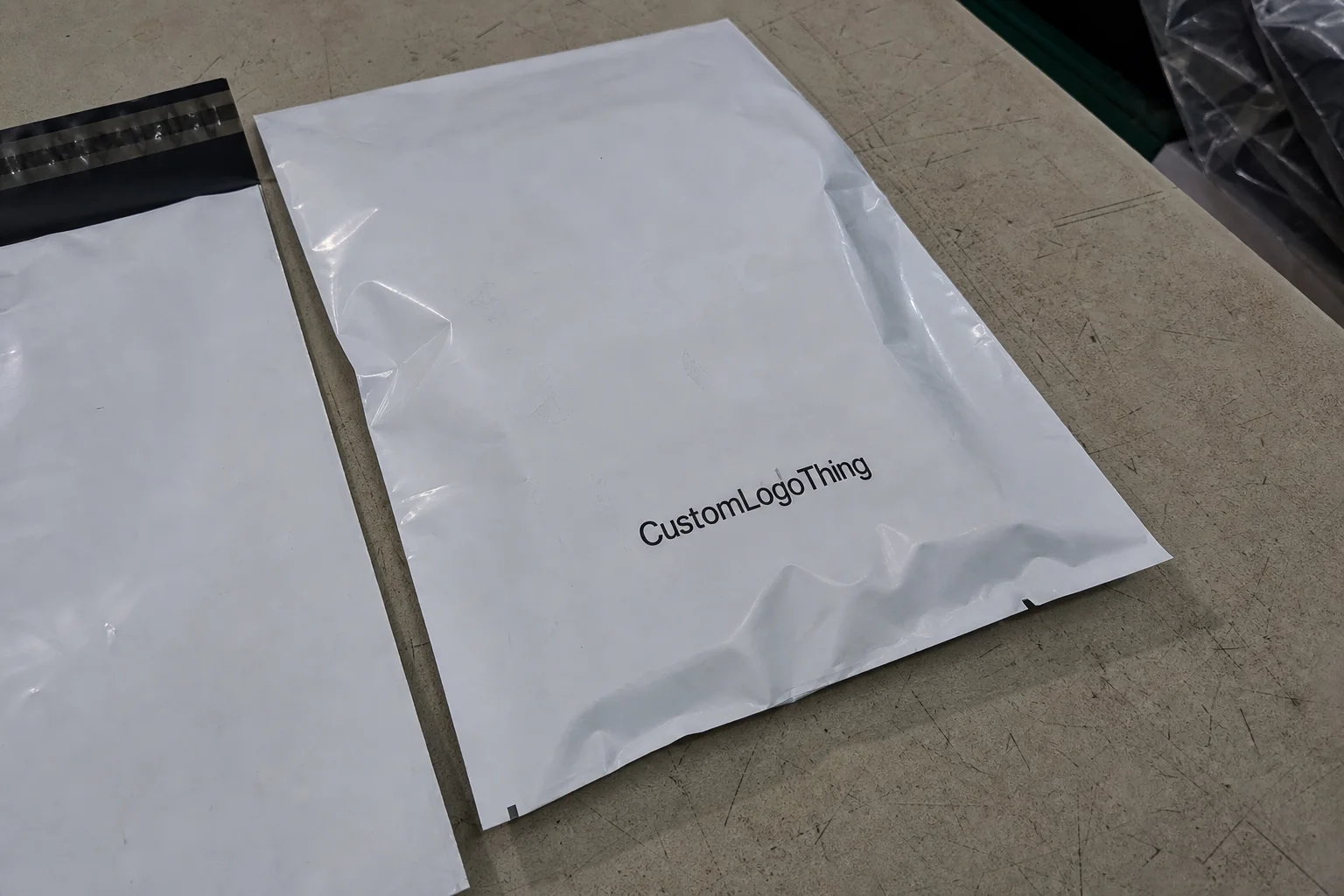
Packaging buyers often talk about bags as if they’re only there to hold stuff. That misses the point. A printed plastic bag can be a retail display surface, a protective barrier, and a handling aid at the same time. For many products, it is the first physical brand touchpoint a customer sees before the product is even removed from the pack.
The common formats are pretty familiar: plain poly bags, printed retail bags, zipper pouches, and resealable styles. Plain bags are usually the cheapest and best for basic protection. Printed retail bags do more for shelf presence. Zipper and resealable bags are useful when the customer will open and close the package repeatedly, or when freshness matters. Heavier films, matte finishes, and frosted surfaces push the look toward premium without changing the product inside.
The cheapest bag on paper is not always the cheapest bag in practice. If it stretches, tears, or makes the product look flimsy, the hidden costs show up fast: replacements, repacking labor, damaged goods, returns, and customer complaints. A low unit price does not help much if the bag creates more work downstream.
“Custom” should be treated as a spec list, not a vague idea. It may include:
- Exact bag size and gusset depth
- Film thickness, usually in mil or microns
- Material choice, such as LDPE, HDPE, BOPP, or PET-laminate structures
- Closure style, like open-top, zip lock, slider, or heat seal
- Print method and color count
- Finish, such as glossy, matte, or frosted
- Functional features like hang holes, tear notches, or euro slots
If the bags are part of a larger packaging system that includes cartons, sleeves, or rigid components, the finish and structure should feel consistent across the line. Random packaging combinations are usually obvious. So is a brand that ordered each component from a different place and hoped nobody would notice.
How Custom Printing and Bag Construction Work
Packaging production follows a fairly fixed order. First comes material selection. Then size confirmation. Then artwork prep. After that, the print method is chosen, and sealing and finishing are set. Reverse that order and the artwork starts fighting the bag structure, which is how you end up revising files for reasons that could have been handled in the first round.
For printing, flexographic and digital methods are the two most common choices. Flexo usually makes more sense for medium to large runs because setup costs are spread across more units and repeat production is consistent. Digital printing is often better for smaller orders, test launches, or artwork that changes often. It usually costs more per unit, but it avoids plate fees and gets you to proofing faster.
| Print method | Best for | Typical tradeoff | Common buyer outcome |
|---|---|---|---|
| Flexographic printing | Medium to large runs | Plate/setup cost upfront | Lower unit cost at scale |
| Digital printing | Short runs, test launches | Higher unit cost | Faster approval and flexibility |
| Unprinted stock bags | Basic utility packaging | No branding impact | Lowest cost, weakest shelf appeal |
Bag construction affects performance just as much as print quality. Gussets add volume and help the bag stand better. Heat seals improve containment and tamper resistance. Zippers make repeat access easier. Barrier layers matter when moisture, odor, or oxygen protection is required. Thickness changes the way a bag feels in hand, but it also changes puncture resistance and seal performance. A 2 mil film and a 5 mil film are not the same thing with different marketing adjectives.
Clear, frosted, and opaque films each affect how the logo reads. Clear film shows the product well but can make the branding feel lighter. Frosted film softens glare and often looks more premium. Opaque film gives more room for bold graphics and hides contents that are visually messy or inconsistent. For product packaging used alongside printed boxes or sleeves, finish consistency matters more than people admit at the quoting stage.
Artwork is where many projects stumble. Print files usually need vector artwork, proper bleed, and a safe zone so text does not sit too close to a seam or edge. Thin strokes and tiny type can disappear on flexible film. Spot colors often print more predictably than a complex full-color build, especially when the substrate shifts slightly during production. That’s not being difficult. That’s just how film works.
For buyers who need a quality benchmark, it helps to ask how the supplier checks print registration, seal integrity, and dimensional tolerance. If the packaging will be used for shipment or export, testing references from the International Safe Transit Association are useful for understanding transport stress. For recycled-content claims or recyclability language, the EPA recycling resources are a practical reference point. Claims need to be supportable. Packaging jargon is cheap; compliance headaches are not.
Cost, MOQ, and Unit Price Factors That Move the Quote
Pricing for Custom Plastic Packaging Bags custom logo orders usually comes down to size, material, thickness, print colors, printed sides, and quantity. Closure style and finishing can move the number too. A bigger bag does not just use a little more plastic. It often changes film usage, machine setup, and carton count. That’s one reason quotes can diverge so much even when buyers think they are asking for the same thing.
MOQ, or minimum order quantity, exists because setup costs are real. If the run needs plates, inks, machine setup, color matching, and inspection, those costs have to be spread across the order. A 1,000-piece run often carries a much higher unit cost than a 10,000-piece run for the same reason that a dinner for four costs more per plate than a dinner for forty. The math is not subtle.
Broadly speaking, simple Printed Poly Bags can be relatively cost-efficient at moderate volumes. Thicker barrier structures, zipper pouches, and bags with heavy print coverage are more expensive. Basic custom printed bags may fit a budget-friendly range, while premium structures with multi-layer films, special finishes, or high-coverage artwork can move the price noticeably higher. Anyone promising an exact number without the spec sheet is guessing, and usually guessing upward or downward for convenience.
There are also costs buyers forget to include in the internal budget:
- Plate fees or tooling for flexo production
- Proofing or sample charges
- Freight, especially for heavier cartons or overseas shipments
- Rush production if the schedule gets tight late in the game
- Extra packaging or master cartons for distribution
If the goal is the lowest cost, decide which spec can be standard and which one cannot. Maybe the print has to look sharp, but the finish does not need to be luxury matte. Maybe the bag needs a zipper, but not a thick barrier layer. Not every product needs a premium build. Sometimes a correctly sized, well-printed retail bag is the smartest choice because it does the job without pretending to be something else.
If you’re comparing custom printed bags with other product packaging options, see also our Custom Packaging Products for related formats and matching presentation options.
Process and Timeline: From Quote to Production Steps
The production workflow is predictable, which is useful because packaging buyers generally dislike surprises and unexpected fees even more. The usual sequence is inquiry, spec confirmation, artwork review, digital proof, approval, production, inspection, and shipping. Skip one of those steps and the risk of a problem goes up. Not dramatically. Just enough to become annoying later.
Delays happen most often when the spec is vague. If the request says “medium size” or “nice finish,” the quote process slows down immediately because nobody can quote properly against vibes. Incomplete artwork is another major delay. So are repeated changes to dimensions, colors, or logo placement after the proof has already been prepared. The machine is rarely the real problem. The file usually is.
Timing depends on complexity. Standard digital jobs can move faster if the artwork is ready and the structure is simple. Custom bulk runs with plates, special finishes, or nonstandard sizes take longer. A realistic planning window is often 12 to 15 business days after proof approval for straightforward production, with extra time needed for samples, heavier volumes, or more complicated film structures. Shipping adds its own timeline, and that part should not be treated like a footnote.
Sampling is not a luxury when fit and appearance matter. A physical sample can show weak seals, logo placement issues, odd proportions, or film that looks different under retail lighting than it did on screen. That is cheap insurance. Fixing a sample is a nuisance. Fixing a bulk order is a budget event.
For seasonal launches, retail resets, or replenishment cycles, build buffer time into the schedule. Packaging approvals often take longer than expected because the last round of “small edits” isn’t actually small. Give yourself room for revisions, freight, and ordinary human delay. That last part never disappears, no matter how neatly the project plan is formatted.
How to Choose the Right Specs for Your Product
Choosing the right spec starts with the product itself. Three questions usually narrow the options quickly: How heavy is it? Does it have sharp edges? Does it need moisture protection? Then add one more: How important is the display experience? Those four answers tell you more than a catalog page ever will.
Light soft goods like apparel accessories can often use thinner film if the goal is neat presentation and basic protection. Heavier or more premium items usually need thicker material so the bag feels sturdier and resists punctures or tearing. Fragile products benefit from a slightly thicker film or a stronger seal, even if that adds a little cost. The cheap option is rarely cheap after replacements are counted.
Closure choice matters more than buyers expect. Open-top bags are simple and inexpensive. Heat seal works well when you want tamper evidence or a cleaner finish. Zip lock is useful for repeat use and retail resale. Slider closures feel more premium but often cost more. Adhesive strips are common for lightweight items or promotional packs. Each closure changes how the customer opens, stores, and reuses the product.
Print placement matters too. A front-only logo keeps cost lower and gives a cleaner look. Multi-panel printing creates stronger shelf impact and more brand real estate. Transparent windows help the customer see the product, which is useful when color, texture, or contents matter. That is especially helpful in retail packaging, where the bag needs to sell before a salesperson ever gets involved.
Some products also need compliance review. Food contact items, cosmetics, and industrial uses can have different material and labeling expectations. If the bag touches food, ask for the right material statement and make sure the film structure matches the intended use. If you are making sustainability claims, make sure the language is accurate and supported. Packaging claims that cannot be backed up have a habit of becoming problems later, usually when nobody has time for them.
Good packaging is not the cheapest bag you can buy. It is the bag that protects the product, presents it well, and does not create extra work in packing, receiving, or returns.
Common Mistakes Buyers Make With Printed Plastic Bags
The first common mistake is choosing the wrong size. Then the product looks awkward, the seal lands in the wrong place, or the bag balloons around the item like it was guessed instead of measured. Oversized bags waste material and make products feel loose. Undersized bags can distort the print and create sealing issues. Neither outcome helps the brand.
Another problem is poor artwork quality. Low-resolution logos, tiny text, and overcomplicated gradients do not always print well on flexible film. A design that looks fine on a monitor can look muddy or crowded on the finished bag. Packaging artwork should be checked against the actual print method, not approved because the PDF looked clean at 200% zoom.
Under-specifying thickness is an expensive lesson. If the film is too thin, it can stretch, crease badly, or split during packing and shipping. That hurts presentation and can increase returns. If the product is heavier or has sharp edges, saving a fraction of a cent per bag is not a strategy. It is wishful thinking with a procurement label on it.
Skipping a physical sample is risky when color, fit, or perceived quality matters. A screen proof is not the same as a real bag in hand under real light. The sample often reveals small problems that would otherwise become a bulk issue. Fixing 500 samples is annoying. Fixing 50,000 bags is a very different mood.
Buyers also under-order extras. Then a second run gets placed later, with different freight, a different schedule, and sometimes a small color shift because the job was split. If the product is ongoing, plan a sensible buffer so you are not reordering in panic mode. Packaging shortages make a brand look less organized than almost anything else in the supply chain.
Expert Tips to Improve Print Quality and Buying Results
Use vector artwork whenever possible. It stays clean at scale and gives the printer a better starting point. If consistency matters more than elaborate effects, keep the color count tight. Spot colors are usually easier to control than complex gradients, especially on flexible film that can shift slightly during production.
Ask for a material swatch, proof, or sample run before ordering volume. You are not only buying a bag. You are buying a feel, a finish, and a visual impression. A small test can show whether the film looks too glossy, too cloudy, too soft, or too rigid for the product. That matters more than most spreadsheets want to admit.
Think about warehouse handling and retail display together. A bag that looks great on the shelf but jams during packing is not a good buy. A bag that protects well but looks sloppy in-store is not much better. The better spec usually balances process efficiency with shelf presentation. That sentence is boring. The savings are not.
Plan your reorder strategy early so the next run matches the first in color, size, and finish. Film batches, ink settings, and small process changes can affect appearance. If continuity matters, keep the approved proof, spec sheet, and production notes in one place. Good recordkeeping is not glamorous, but it saves money and a lot of back-and-forth later.
A slightly better spec can reduce damage, repackaging, and returns. That is the math that matters. Spending a little more on the right structure is often cheaper than absorbing the cost of damaged goods and unhappy customers. The bag is not just a line item. It is part of the sales process and part of the cost of doing business well.
Next Steps: Build a Spec Sheet Before You Request Quotes
If you want better quotes, start with a clean spec sheet. List the product dimensions, target bag size, quantity needed, artwork format, closure preference, and desired finish. Add whether the bag needs a hang hole, tear notch, zipper, frosted effect, or barrier layer. Exact inputs reduce quote confusion, and they reduce the chance that the production team has to make assumptions on your behalf.
Then rank your priorities. Is the main goal the lowest price, stronger durability, faster turnaround, or better shelf presentation? You usually cannot maximize all four at once. Choose the top two and be honest about the tradeoffs. That makes the buying process much easier and stops everyone from pretending a premium spec can somehow cost nothing.
Request side-by-side quotes using the same specs so the comparison is real. Ask about proofing details, production lead time, shipping estimates, and whether setup charges are included. Review the final mockup carefully. Confirm size, color, logo placement, and closure type before the order is approved. One small mismatch at this stage can become a very expensive exercise in regret later.
If you are buying custom plastic Packaging Bags Custom logo for a product launch, discipline at the spec stage pays off quickly. A good spec sheet saves time, protects margin, and makes the final packaging look intentional. That is better branded packaging, better product presentation, and a much better chance that the product looks like it belongs on the shelf instead of looking like an afterthought.
FAQ
What are custom plastic packaging bags custom logo options for small orders?
Digital printing and simpler bag structures are usually the most practical for smaller quantities. Expect higher unit prices at low MOQ because setup costs are spread across fewer bags. Choose fewer print colors and standard sizes if budget matters more than premium finishes.
How do I choose the right thickness for custom plastic packaging bags custom logo projects?
Match thickness to product weight, sharp edges, and how much protection the bag has to provide. Light soft goods can use thinner film, while heavier or premium items usually need thicker material. If the bag is part of the customer experience, a slightly sturdier feel can make the product look more credible.
How long does production usually take for printed plastic bags with a logo?
Simple jobs can move quickly, but custom specs, proofs, and setup steps add time. Artwork approval is often the biggest factor, not the machine itself. Build in extra buffer time for launches, seasonal demand, and shipping delays.
What affects the price most on custom printed plastic bags?
Bag size, material, thickness, print colors, closure type, and order quantity are the biggest drivers. Plate fees, proofing, freight, and rush charges can also change the total cost. Lower MOQ almost always means higher unit cost.
Should I request a sample before ordering custom plastic packaging bags with custom logo printing?
Yes, especially if color accuracy, fit, or a premium feel matters to your product. A sample helps catch sizing errors, weak seals, or logo placement issues before mass production. It costs time upfront, but that is still cheaper than redoing a bad run.