Buy Custom Plastic Packaging Bags Private Label Smarter
The bag is often the first private-label asset a customer touches, yet buyers usually specify it after the product formula, label, carton, and launch date are already locked. That is backwards. A Custom Plastic Packaging Bags private label project can affect shelf appeal, return rates, pack-out speed, barcode readability, freight cost, and whether the customer thinks the product feels premium or disposable in the first three seconds.
Here is the blunt version: plastic bags look simple because they are thin. They are not simple. A 2 mil apparel sleeve, a 3.5 mil poly mailer, a clear CPP retail pouch, and a co-extruded food bag may all be called “plastic packaging,” but they behave differently under heat, pressure, moisture, scanning, sealing, and shipping abuse. Smart buying starts with treating the bag as product packaging, not as an afterthought.
What Custom Plastic Packaging Bags Private Label Really Mean
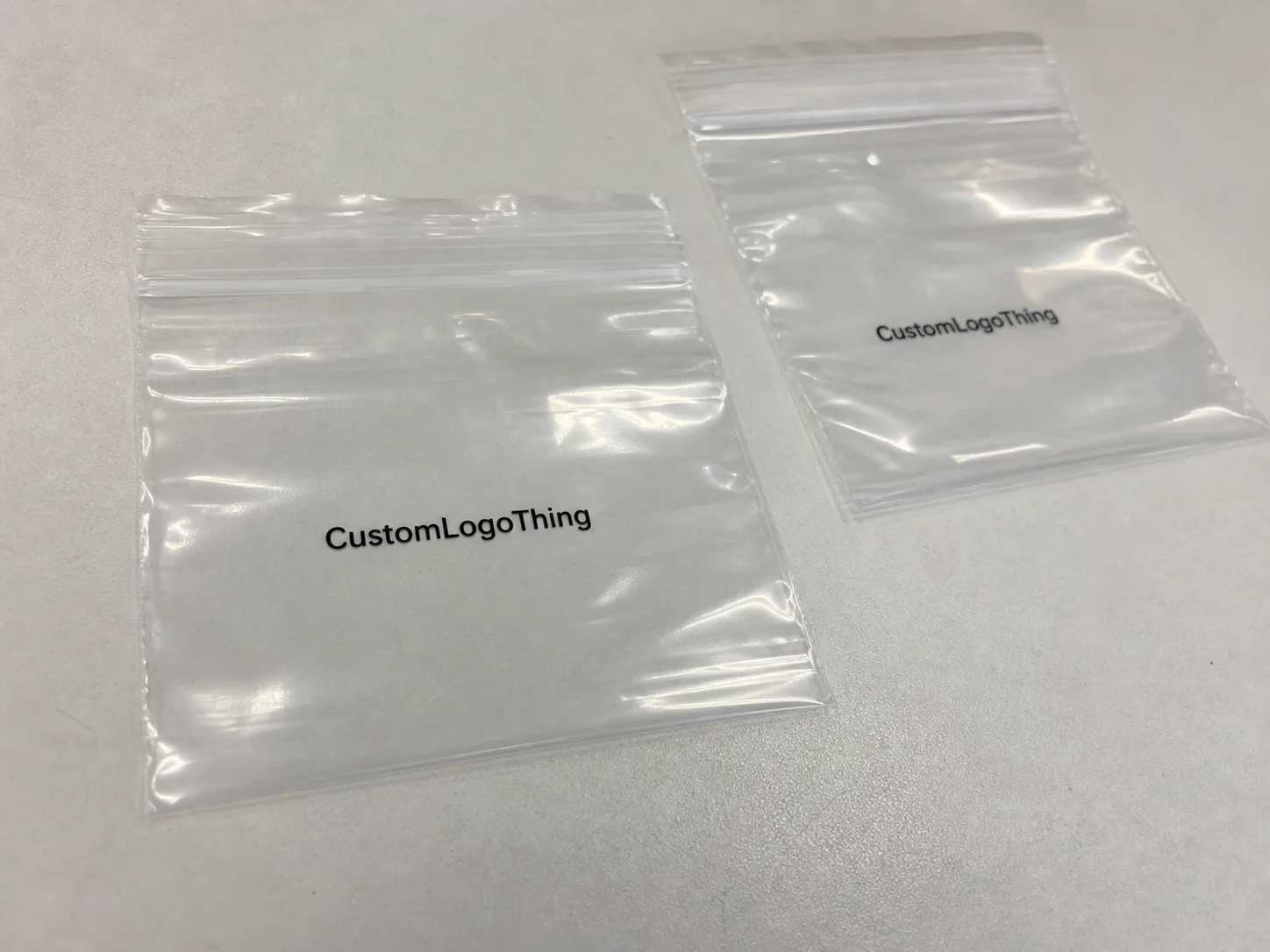
Custom plastic packaging bags private label means manufacturer-produced plastic bags carrying a brand owner’s logo, artwork, sizing, closure style, material structure, and compliance markings. The “private label” part is not just the logo. It is control. You define the repeatable specification so the next reorder does not depend on a fuzzy screenshot, an old email thread, or someone guessing the thickness from a leftover sample.
There are three common levels. First, there are generic stock bags with a sticker. They work for very small launches, sampling runs, and early product validation. Second, there are custom-printed bags, often using a standard bag format but adding brand artwork, warnings, and color. Third, there are fully engineered private-label bags designed around the product’s weight, shelf life, retail display, shipping conditions, and pack-out process.
A skincare brand moving from hand-applied labels to Printed Poly Bags may reduce packing labor by several seconds per unit. That sounds minor until a 4,000-unit launch turns into hours of manual work. An apparel seller replacing clear suffocation-warning bags with branded mailer-ready packaging may improve perceived value while removing one packing layer. Small choices add up.
Film thickness, opacity, and seal strength change buyer perception. A frosted 2.5 mil bag feels more controlled than a cloudy 1.2 mil sleeve. A white poly mailer hides contents better than a transparent one. A weak adhesive strip tells the customer, quietly, that the brand cut a corner. Honestly, I think many packaging mistakes happen because buyers treat feel as subjective when it is often the result of measurable specs.
Practical rule: private label does not always mean luxury. It means controlled branding, repeatable specifications, and packaging that can be reordered without rebuilding the job from scratch.
For brands comparing bags with cartons, labels, and other branded packaging formats, Custom Logo Things also offers related Custom Packaging Products that can be planned alongside bag programs.
How the Private-Label Plastic Bag Process Works
A well-run custom plastic packaging bags private label project usually follows a predictable path: product requirements, bag style selection, material recommendation, artwork setup, proofing, sampling if needed, production, quality checks, packing, and shipping. The sequence matters. If artwork comes before dimensions, someone will eventually resize a logo into a space that does not exist.
The manufacturer’s job is translation. A buyer may say, “I need a branded bag for a 9-ounce hoodie.” The packaging team has to convert that into width, length, flap, film type, thickness, adhesive type, print area, carton count, and shipping plan. Load weight matters. So does whether the bag travels through e-commerce fulfillment, hangs on a retail peg, sits in a boutique drawer, or protects product inside a larger shipper.
Common bag types include poly mailers, merchandise bags, wicket bags, stand-up pouches, header bags, zip bags, die-cut handle bags, and flat poly bags. Each has a different production logic. Wicket bags support faster manual or semi-automatic packing. Stand-up pouches may need barrier films and stronger seals. Header bags improve retail display but add board or film structure. Poly mailers need puncture resistance and adhesive reliability more than crystal clarity.
Artwork preparation is less glamorous than packaging design, but it decides whether the finished bag looks professional. Buyers should provide vector logo files, color targets, print areas, bleed, barcode placement, warnings, recycling symbols, and instructions for one-sided or two-sided printing. Pantone references reduce guessing, although film color, ink opacity, and finish can still shift the visual result.
A sample is useful for new product launches, premium retail packaging, unusual dimensions, heavy contents, food-contact concerns, or color-critical brand systems. Not every project needs a full production sample. Some can move with a digital proof and material swatch. That depends on risk. A commodity accessory bag has a different risk profile than a food pouch, child-resistant format, or high-visibility retail launch.
Speed depends less on printing alone and more on decision latency. Missing dimensions, unclear quantities, unapproved artwork, late warning copy, and “one more logo revision” can stall the job before the press ever runs.
Material, Thickness, Closure, and Print Specs That Matter
Material selection drives feel, function, price, and compliance. LDPE is flexible and common for soft poly bags, apparel sleeves, and mailers. HDPE is lighter and crisper, often used where a thinner structure can still do the job. CPP and PP offer clarity for retail packaging that needs product visibility. Co-extruded films combine layers for strength, opacity, sealability, or barrier performance. Recycled-content films can support sustainability goals, though availability, appearance, and minimums vary. Compostable or bio-based alternatives may fit certain programs, but claims must be handled carefully and matched to real disposal conditions.
Gauge and mil thickness need plain language. A 1.5 mil clear sleeve may be fine for a folded T-shirt inside a carton. A 2.5 to 3.5 mil mailer is more realistic for e-commerce handling. Heavy or sharp-edged products may need thicker film, reinforced seals, or a different format altogether. Thinner is cheaper on paper. Then tearing happens.
Transparency and finish also carry a message. Crystal-clear bags support product inspection and retail visibility. Frosted films soften the look and can make simple items feel more considered. White or colored films improve opacity, useful for privacy and brand consistency. Matte finishes can feel more premium, but they may change ink contrast, especially on fine type or barcode zones.
Closure is another quiet cost driver. Open-top bags are economical but often require heat sealing, tape, staples, or a secondary closure. Adhesive strips speed packing and suit apparel or e-commerce. Resealable zippers add convenience but increase cost and can raise minimum order quantities. Drawstrings, snaps, hang holes, tear notches, and die-cut handles all solve specific handling problems. Each also adds a production step.
| Spec Choice | Typical Use | Buyer Tradeoff | Common Cost Impact |
|---|---|---|---|
| 1.5-2 mil LDPE | Apparel sleeves, inner bags, light retail packaging | Flexible and economical, but less puncture-resistant | Lower unit cost |
| 2.5-3.5 mil co-ex film | Poly mailers, heavier goods, fulfillment bags | Stronger handling performance with more material usage | Moderate to higher unit cost |
| Resealable zipper | Cosmetics, accessories, samples, repeat-use products | Better customer convenience, added converting complexity | Higher unit cost and possible higher MOQ |
| Flexographic printing | Repeat private-label runs with 1-6 colors | Efficient at volume, may require plates | Plate/setup charges plus lower repeat cost |
| Digital printing | Lower-volume designs or variable artwork | Good flexibility, less efficient for high-volume repeats | Higher unit cost at scale |
Print method depends on volume, artwork, film, and tolerance. Flexographic printing is common for Custom Printed Plastic Bags because it balances cost and speed for repeatable runs. Gravure can suit very large volumes and fine graphics, but setup is heavier. Digital options help with shorter runs or multiple SKUs. Hot stamping can create a specific metallic effect, though it is not the right tool for every film or design.
Compliance is not decoration. Suffocation warnings, food-contact material suitability, child-resistant needs, recycling labels, retail barcode readability, and marketplace packaging requirements all need to be handled before approval. For transport performance, buyers can review testing concepts from ISTA. For recycling and materials claims in the United States, the EPA recycling resources are a useful starting point, though state and retailer rules may be stricter.
Pricing, MOQ, and Unit Cost: What Drives the Quote
Custom bag pricing is not one line item. It is a formula shaped by material type, film thickness, bag size, print coverage, number of colors, closure style, order quantity, tooling, plates, cartons, freight, and sometimes duties. Two bags with the same outside dimensions can price very differently if one is clear LDPE with one-color print and the other is matte white co-ex film with a zipper and two-sided coverage.
For simple custom-Printed Poly Bags, buyers may see pricing in broad ranges such as $0.08-$0.22 per unit at mid-volume quantities. More structured pouches, specialty closures, heavier films, or high-coverage printing can push costs to $0.25-$0.70 or more. These are not universal prices. They depend on size, run length, print method, and freight. Still, ranges are useful because they expose the main truth: pennies matter when volume climbs.
MOQ deserves honesty. Lower minimums may be possible for digital, stock-based, or simple print programs. Full custom production often requires larger runs because setup waste, press time, material rolls, plate charges, and converting time must be spread across units. A 1,000-piece job may be possible in one format and inefficient in another. A 10,000-piece run may lower unit cost but increase cash tied up in inventory and storage.
A buyer might save $0.04 per bag by moving from 5,000 to 15,000 pieces. That looks excellent until the extra 10,000 bags occupy shelving for nine months, the product size changes, or a compliance mark needs revision. Unit cost drops with volume. Business risk can rise at the same time.
Common quote variables get missed because they sit outside the pretty mockup: artwork cleanup, color matching, samples, plate charges, custom dies, specialty closures, inner cartons, palletization, duties, and final domestic delivery. Ask whether the quote includes repeat-use plates, whether freight is estimated or firm, and whether reorder pricing assumes the same specification.
A thinner bag may appear cheaper until returns, tearing, poor shelf presentation, or repacking labor erase the savings. From a packaging buyer’s point of view, the better question is not “What is the lowest unit cost?” It is “What is the lowest unit cost that still protects the product, supports package branding, and can be reordered without drama?”
To get useful quotes for custom plastic packaging bags private label, give clear assumptions: exact dimensions, quantity breaks, material preference, target thickness, print colors, closure, delivery address, lead time target, and whether repeat orders should use the same specs.
Step-by-Step Buying Guide From Idea to Approved Bag
Start with the product job before the artwork. What is the filled weight? Are there sharp edges? Does the product need moisture resistance? Will it hang, stand, lie flat, or ship inside another box? A boutique garment bag, frozen-food pouch, and hardware poly bag solve very different problems, even if the brand wants all three to look visually related.
- Define handling reality. Record product width, length, depth, filled weight, fragility, moisture sensitivity, and customer unboxing expectations. Add the shipping method: parcel carrier, pallet, retail carton, marketplace fulfillment, or local handoff.
- Choose the bag format. Pick a poly mailer, zipper bag, stand-up pouch, wicket bag, flat poly bag, merchandise bag, or die-cut handle bag based on use, not only appearance.
- Set technical specs. Confirm width, length, gusset, film thickness, closure, vent holes, hang holes, tear notches, print area, warning text, barcode placement, and carton pack quantity.
- Prepare artwork correctly. Vector logo files are best. Dieline-based layouts help for custom structures. Provide Pantone references or approved color standards, especially if the bag needs to match custom printed boxes, labels, or retail displays.
- Review the proof like an investigator. Check spelling, orientation, logo scale, opening direction, barcode scanability, warning copy, bleed, and whether the artwork sits inside the safe print area.
- Document the final spec. Save the approved dimensions, film, gauge, closure, print colors, artwork version, carton quantity, and reorder notes in one place.
Proof review is where disciplined buyers separate themselves. A logo shifted 6 mm may not matter on a large mailer. On a small cosmetic bag, it can look careless. A barcode printed over a matte texture may scan poorly. A suffocation warning placed under a flap may technically exist but fail practical visibility checks.
If your project also needs hang tags, carton labels, or secondary product identifiers, it may be efficient to coordinate the bag artwork with Custom Labels & Tags. Consistency across small components often makes retail packaging feel more intentional than one expensive finish used in isolation.
Before production, decide whether you need a physical sample, production proof, or material swatch. For repeat orders, a signed digital proof may be enough. For a new custom plastic packaging bags private label program with unusual size, heavy contents, or strict color standards, sampling is cheap compared with a full run of unusable bags.
Lead Time and Turnaround: Where Delays Usually Hide
Lead time has stages: discovery, quote, artwork setup, proof approval, material sourcing, printing, converting, inspection, packing, and transit. Production may take 12-25 business days for many common custom-printed bag projects after proof approval, while more complex structures, special films, large runs, or imported components can take longer. That estimate is not a promise. It is a planning range.
The hidden delays are familiar. Slow artwork approvals. Unclear bag dimensions. Unavailable films. Revised logos. Added warnings. Specialty inks. Custom tooling. Peak production schedules. Freight bookings. One small missing decision can freeze the entire queue because presses and converting lines do not wait politely for a final barcode.
Production lead time is different from total project time. A supplier may quote 15 business days for production, but the calendar can still stretch to six or seven weeks if the buyer spends ten days choosing between matte and gloss, three days finding the right logo file, a week approving a sample, and another week waiting for freight. The clock starts at different moments depending on the supplier’s process. Ask what “lead time” includes.
Sampling changes timing. A prototype sample may confirm size and closure without final print. A printed sample checks artwork and color but may be produced differently from the full run. A production-line sample is more representative but can add meaningful time because it uses actual materials, tools, and setup. Pick the sample type based on the risk you are trying to reduce.
Backward planning works better than optimism. Start from the launch date, retail delivery window, or fulfillment deadline. Reserve time for proof revisions, freight buffer, internal approvals, and quality checks. If the product must arrive at a retailer by a fixed date, do not spend the buffer debating a slightly warmer shade of beige unless that color truly drives the sale.
Rush orders compress review time. That increases the risk of barcode mistakes, color surprises, incorrect openings, or bags that arrive on time but fail the product.
Mistakes to Avoid and Next Steps Before You Order
The most expensive mistake is ordering from a visual mockup without confirming material, gauge, closure, dimensions, and load performance. A mockup can make any bag look sturdy. Physics gets the final vote.
Another common mistake is choosing the lowest unit cost without comparing total landed cost, defect risk, storage needs, reorder flexibility, and transit performance. If a cheaper bag tears during fulfillment and forces repacking, the real cost includes labor, replacement packaging, delayed shipments, and possibly a disappointed customer. A 3-cent saving can disappear in one damaged order.
Overdesigning can be just as damaging as underdesigning. Too many colors, premium finishes, unusual closures, or specialty films may raise MOQs and slow production without improving the customer’s decision to buy. The bag should support the product. It should not become a technical monument to internal indecision.
Compliance blind spots deserve special attention. Missing suffocation warnings, incorrect recycling marks, unsupported compostability claims, food-contact assumptions, state-level packaging restrictions, and marketplace-specific rules can all create trouble. ASTM standards may apply to testing methods, material claims, or performance validation depending on the product and market. Not every bag needs laboratory testing, but every bag needs accurate claims.
Use this pre-quote checklist before contacting a supplier:
- Product dimensions, filled weight, and any sharp or fragile areas
- Preferred bag style, closure, film type, thickness, and finish
- Quantity range with expected reorder timing
- Artwork files, print colors, barcode files, and final copy
- Launch deadline, delivery location, carton or pallet requirements
- Required certifications, warnings, marketplace rules, or retail specifications
The next move is simple and slightly unglamorous: create a one-page spec brief. Then request quantity-break quotes, ask for material recommendations, and compare the options against product risk rather than artwork alone. Keep the phrase custom plastic packaging bags private label tied to your final reorderable specification, because the goal is not just to buy one attractive run. The goal is to build packaging you can repeat, measure, and improve.
FAQ
What are custom private label plastic bags used for?
They are used for branded retail packaging, e-commerce shipments, apparel sleeves, food pouches, cosmetic bags, promotional kits, product protection, and store merchandise bags. The right use depends on film type, thickness, closure, print method, compliance requirements, and whether the bag needs to protect, display, ship, or sell the product.
How much do private label plastic packaging bags cost?
Cost depends on size, material, thickness, print colors, closure, order volume, tooling, proofing, and freight. Ask for quantity breaks rather than one price, because the unit cost can change significantly when setup costs are spread across larger runs. A simple printed sleeve may cost far less than a heavy mailer or zipper pouch with specialty film.
What is the MOQ for custom plastic bags with a private label logo?
MOQ varies by bag style, print method, material, and factory setup. Simpler printed bags usually have lower minimums than fully custom structures with special closures, unusual materials, or tooling. Buyers should share target quantity, reorder forecast, and budget range so the manufacturer can suggest the most efficient production path.
How long does custom printed plastic bag production take?
The timeline includes quote review, artwork preparation, proof approval, material sourcing, printing, converting, quality checks, packing, and shipping. Delays usually come from incomplete specs, late artwork changes, specialty materials, sampling decisions, or unclear delivery requirements. Many ordinary projects are planned in weeks, not days.
What files do I need for custom plastic packaging bags private label orders?
Provide vector logo files when possible, final copy, Pantone or color references, barcode files, warning text, and any dieline or layout guidance. Also include product dimensions, filled weight, bag style preference, quantity, delivery address, and launch deadline so the quote reflects the real project and the custom plastic packaging bags private label order can move cleanly into proofing.


