Custom Plastic Packaging Bags private label programs affect shelf appeal, freight cost, product protection, and perceived value before a customer opens the pack. A bag can be a simple shipping layer, a retail presentation piece, or a functional barrier. The key is to define the job first, then price the spec that actually does it.
What custom plastic packaging bags private label means
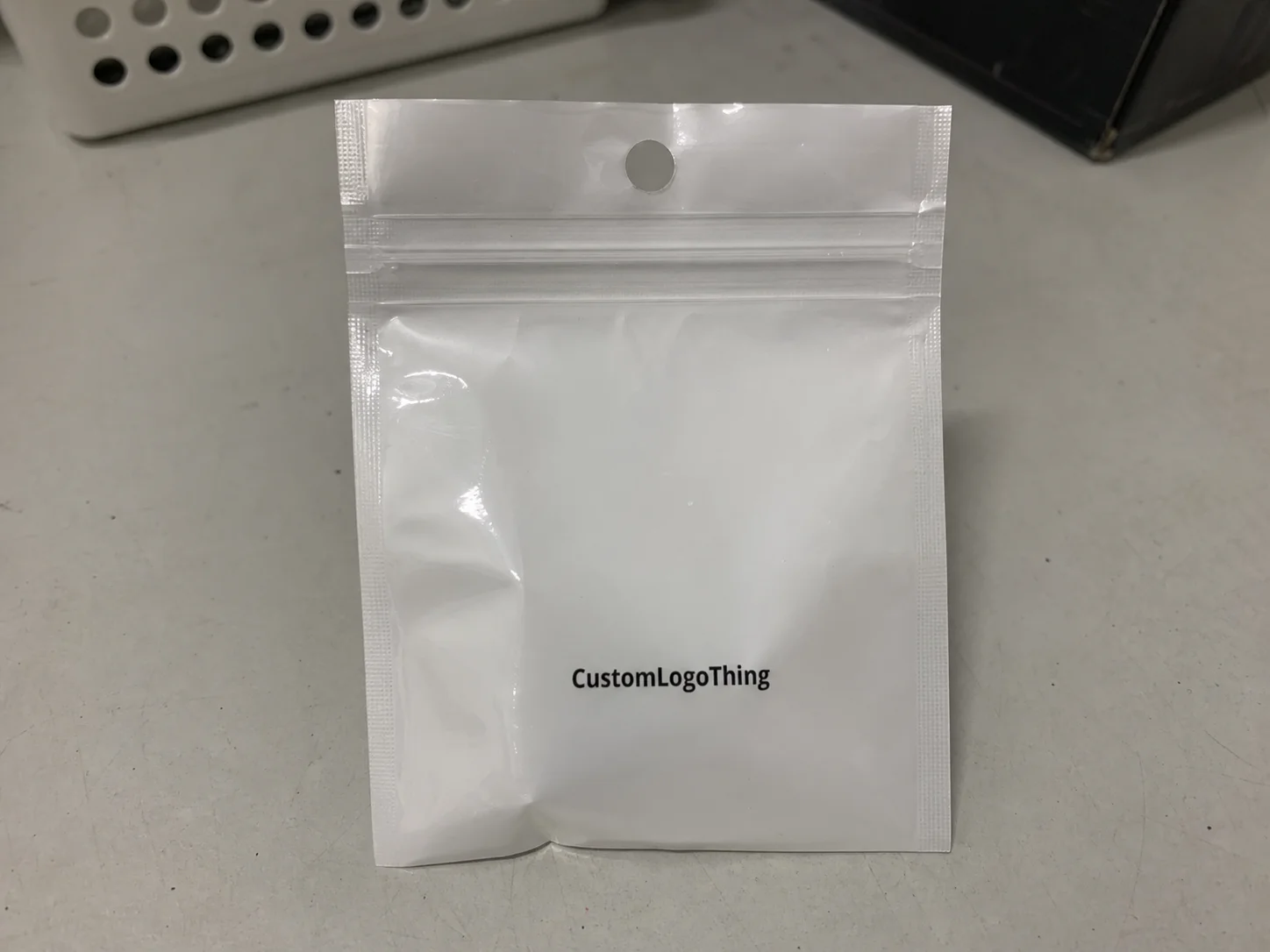
Private label packaging means the bag carries your brand identity and commercial requirements, even though the manufacturer runs production. That can be a stock poly bag with a label, a semi-custom printed pouch, or a fully custom bag with a specific film structure, seal, zipper, and finish. Buyers should define the outcome before asking for price, because the phrase covers a wide range of complexity.
The main categories are worth separating. Stock bags are ready-made and usually accept only a label or minor overprint. Semi-custom runs use standard film or sizes with branded artwork, which keeps setup lower and shortens lead time. Fully custom bags are built around your dimensions, print layout, and finishing details.
A brand that uses one bag format across multiple SKUs usually gets better inventory control and cleaner shelf presentation. Consistency also helps when the same item is sold through retail, DTC, and marketplace channels. The packaging issue is often not the bag itself, but the lack of a shared spec across channels.
Packaging can also change how the product is perceived. If the seal looks weak, the print looks washed out, or the bag is the wrong size, the item can feel less valuable even when the contents are unchanged. That matters for apparel, supplements, accessories, food-adjacent goods, and other consumer products that compete in crowded categories.
How the private label process works from brief to sample
The process starts with a packaging brief. It does not need marketing language. It needs dimensions, product weight, intended use, print colors, shipping destination, and any performance requirements such as moisture resistance, puncture resistance, or a strong closure. If the supplier has to guess, the project usually slows down later.
The typical sequence is:
- Brief intake with target size, quantity, product type, and use case.
- Spec and dieline confirmation so the printable area and finished dimensions are fixed.
- Artwork handoff with print-ready files, color references, and compliance notes.
- Sample or proof review to check fit, appearance, closure behavior, and readability.
- Approval before tooling, print plates, or full production begin.
- Mass production followed by inspection, packing, and freight booking.
The most common delays are predictable: artwork revisions after dieline approval, product dimensions changing after the first sample, or a late request for a brighter color or different finish. Those changes should be resolved before production starts. Once tooling, plate making, or a full print run begins, the cost of a change rises quickly.
One practical habit helps: lock the functional details first and the visual details second. If the bag must fit a specific fill weight, opening width, or closure sequence, that is a production constraint, not a design preference. Ink coverage, finish, and graphic placement can usually move with less friction than physical fit.
Teams that already source Custom Packaging Products or Custom Labels & Tags should keep the bag spec aligned with those items. The point is not to make every component identical. The point is to make the packaging system feel deliberate instead of assembled from unrelated orders.
Cost, pricing, MOQ, and quote drivers to compare
Pricing is shaped by setup cost, material choice, print complexity, and order volume. On a small run, a simple printed or unprinted bag may look inexpensive at first glance, but freight, setup, and proofing can change the landed cost more than buyers expect. A quote is only useful if the assumptions behind it are visible.
Common quote drivers include:
- Material type: LDPE, HDPE, CPP, PET laminates, or barrier films.
- Film gauge: thicker gauges generally improve durability and increase unit cost.
- Print method: flexographic, rotogravure, digital, or simple overprint.
- Bag size: larger formats use more film and add shipping volume.
- Closure and features: zipper, press-to-close, tear notch, euro slot, hang hole.
- Total quantity: setup costs spread more efficiently at higher volume.
MOQ affects risk as much as price. A lower minimum order quantity can help with a new SKU, but the unit price usually rises because fixed costs are spread across fewer bags. That tradeoff makes sense for a launch, less so for an established product with repeat ordering patterns.
| Order profile | Typical unit cost range | Common lead time | Best fit |
|---|---|---|---|
| Stock bag with label or simple overprint | $0.04-$0.10 | 7-12 business days | Fast launches, low decoration |
| Semi-custom printed bag | $0.09-$0.20 | 10-15 business days | Retail packaging with moderate branding |
| Fully custom private label bag | $0.18-$0.42 | 12-20 business days | Multi-SKU programs, premium presentation |
These ranges are directional, not guarantees. A small one-color bag run at higher volume can come in below them. A larger bag with a matte finish, window patch, special seal, or multi-layer structure can push above them quickly. Ask what is excluded: plates, tooling, proofs, overs, inspection, freight, or rework allowances. If those items are unclear, the cheapest number may not be the lowest landed cost.
For products that travel through rough handling or mixed distribution routes, ask whether the pack has been considered against recognized transit profiles such as ISTA methods. If recycled content or recyclability claims are part of the marketing plan, check the EPA guidance on material claims before any copy is finalized.
Choosing materials, sizes, seals, and print finishes
Material choice should follow product behavior, not brand preference. Lightweight apparel does not need the same film as a sharp-edged accessory, and neither needs the same structure as a refill pouch that must hold weight and resist puncture. LDPE and HDPE are common because they are economical and easy to run. PET laminates and barrier films make sense when clarity, stiffness, or protection against moisture and odor matter more than lowest cost.
Clear film gives the customer a direct view of the product. Opaque film hides content and creates more surface area for branding. Neither is automatically better. The right choice depends on whether visibility helps sell the product, whether light exposure matters, and whether the contents need protection from abrasion or contamination.
Finish changes the read of the bag more than many buyers expect. Gloss catches light and makes color feel sharper. Matte softens the look and often feels more premium, but it can cost more and may show scuffs differently. A clear window can be useful when the product itself should stay visible while the rest of the bag carries branding.
Size is not cosmetic. If the bag is too tight, the product distorts the film or strains the seal. If it is too loose, the package looks underfilled and can read as wasteful or low value. Gussets help with volume and shelf standing, but they also change fill behavior and pallet density.
Common features to weigh:
- Seal type: side seal, bottom seal, or center seal.
- Closure: heat seal, zipper, press-to-close, or adhesive strip.
- Tear feature: notch or perforation for easier opening.
- Display feature: hang hole, euro slot, or euro punch.
- Barrier need: moisture, oxygen, or odor control depending on the contents.
If the brand already uses custom printed boxes, the bag should sit comfortably inside that visual system. Exact matching is not required. The design language should still feel coherent across bag, box, and label.
Production steps and lead time checkpoints
Lead time starts with approvals, not with the factory clock. A normal run moves through spec confirmation, prepress, sampling, approval, production, inspection, packing, and freight booking. If one step stalls, the date moves.
For custom plastic packaging Bags Private Label orders, the main timing bottlenecks are artwork corrections, color matching, and last-minute substitutions of film or finish. A simple one-color run can move quickly if the artwork is ready and the supplier stocks the material. A more complex printed bag with special finishes, a window patch, or a nonstandard closure takes longer, especially if a physical sample has to be reviewed first.
A practical planning rule is to build at least one revision cycle into the schedule. That leaves room to correct the dieline, adjust the proof, and approve the sample without pushing the job into a rush. In many cases, a straightforward order may ship in 12 to 15 business days after proof approval, while a more complex program needs longer. International freight can add another week or more depending on the route and season.
Inspection deserves real attention. Ask how the run is checked for print alignment, seal integrity, count accuracy, and visual defects such as smudging or pinholes. Ask whether cartons are packed to avoid compression damage and whether pallets are stabilized for transit. These are basic questions, but they are the difference between a controlled rollout and a rework that eats both time and margin.
For products with a narrow fill tolerance or an unusual shape, sample approval is not optional. A digital mockup can confirm layout, but it cannot show how the bag behaves once the product is inside, how the zipper closes under load, or whether the seal remains clean after handling.
Common mistakes that increase waste, delays, or reorders
The most expensive errors are usually plain ones: vague dimensions, unclear film thickness, or artwork files that were not prepared for print. A supplier can often recover from a small issue, but interpretation creates waste, and waste adds cost in ways that rarely show up in the original quote.
Other recurring problems include:
- Unreadable artwork where small text disappears on film or at the wrong scale.
- Color mismatch between screen rendering and printed output, especially on transparent material.
- Missing compliance notes for food contact, warning language, or recycling instructions.
- Ignoring freight dimensions so the landed cost rises after the quote is accepted.
- Skipping samples when the bag must fit a precise product shape or closure sequence.
Freight is a frequent blind spot. A bag can be light and still expensive to move if the carton count, pallet pattern, or overpack method is inefficient. A quote that looks competitive on unit cost can lose its advantage once shipping and storage are included.
Another common problem is over-specifying the bag before the product is stable. If the item is still changing size, weight, or presentation, a detailed custom run can freeze the wrong assumptions into production. In that case, a lower-commitment first run can be smarter.
Bottom line: the strongest private label packaging programs look simple because the hard work happened early. The spec sheet was complete, the sample was reviewed by both brand and operations, and the supplier quoted the same assumptions as everyone else.
Next steps: build a spec sheet, sample, and request quotes
If you are preparing a custom plastic packaging Bags Private Label order, start with one clean spec sheet instead of a trail of email threads. Include dimensions, target quantity, material preference, thickness, print colors, closure type, target delivery date, and shipping destination. If you already know the fill weight, storage condition, or handling risks, add that too.
A simple decision path usually works:
- Confirm the function: protection, display, shipping, or all three.
- Lock the dimensions: finished size, gusset depth, and printable area.
- Choose the material: based on clarity, durability, and shelf look.
- Request sample or proof: especially if fit or presentation is sensitive.
- Compare quotes: using the same spec so pricing is actually comparable.
- Approve production: only after the sample matches the commercial need.
For smaller launches, a trial run can be useful even though the unit price will be higher. The first order gives you data: whether the product fits properly, whether the print reads clearly, whether the closure behaves as expected, and whether the bag survives handling without looking tired. That information is often more valuable than chasing the lowest quote on the first attempt.
If the brand story matters, the bag should not be treated as a standalone object. The label, outer carton, and bag should speak the same visual language. A bag that fits the rest of the system can raise perceived value without adding unnecessary production complexity.
FAQ
What should be included in a custom plastic packaging bags private label quote?
Ask for size, material, thickness, print method, color count, closure type, quantity, and delivery location. Confirm whether tooling, plates, proofing, overs, inspection, and freight are included or billed separately. The useful quote is the one that is built on the same assumptions across suppliers.
How do I compare MOQ for private label plastic bags?
Compare MOQ against your real launch volume, not just the supplier minimum. Check whether the minimum is driven by print setup, film sourcing, or factory efficiency. If several SKUs are involved, ask whether combined quantities can count toward a practical total.
Which material is best for retail private label packaging bags?
Choose based on product weight, shelf presentation, and barrier needs rather than price alone. Clear films work well when visibility matters; opaque films can strengthen branding and shield contents. If the product is heavy, sharp-edged, or moisture-sensitive, puncture resistance and seal strength should lead the decision.
How long does a custom private label bag order usually take?
Timing depends on sample approval speed, artwork readiness, production queue, and shipping method. Simple low-color runs usually move faster than printed bags with special finishes. Build buffer time for revisions, especially if you need a physical proof before production starts.
Can I start with a small run and scale later?
Yes, but the unit cost is usually higher at smaller volumes because setup costs are spread across fewer bags. Use the first order to validate size, print quality, and customer response before scaling. Then plan the second order around what you learned from the sample and initial sell-through.


