A carryout bag looks like a small line item until it fails in the wrong place. Then the savings disappear into a replacement, a damaged purchase, and a customer who remembers the break more clearly than the print. That is why a custom plastic shopping Bags Wholesale Supplier should be judged on load performance, print consistency, and replenishment discipline before price ever enters the conversation. The cheapest quote often becomes the most expensive bag once returns, waste, and store labor are counted.
The buying decision is broader than ink and dimensions. A good bag has to open quickly at the register, hold awkward shapes without twisting, and travel from checkout to parking lot without turning into a complaint. It should also fit the way the store actually works: fast bagging, stackable cartons, shelf-friendly case packs, and predictable reorders. If the bag is part of a larger packaging system that includes Custom Packaging Products or coordinated branded packaging, the spec should sit comfortably beside the rest of the line instead of feeling improvised.
A weak bag rarely fails in a neat, controlled way. It slips, stretches, or tears under real use, which is exactly why practical testing matters more than a polished sample photo.
What Buyers Should Look For in a Wholesale Supplier
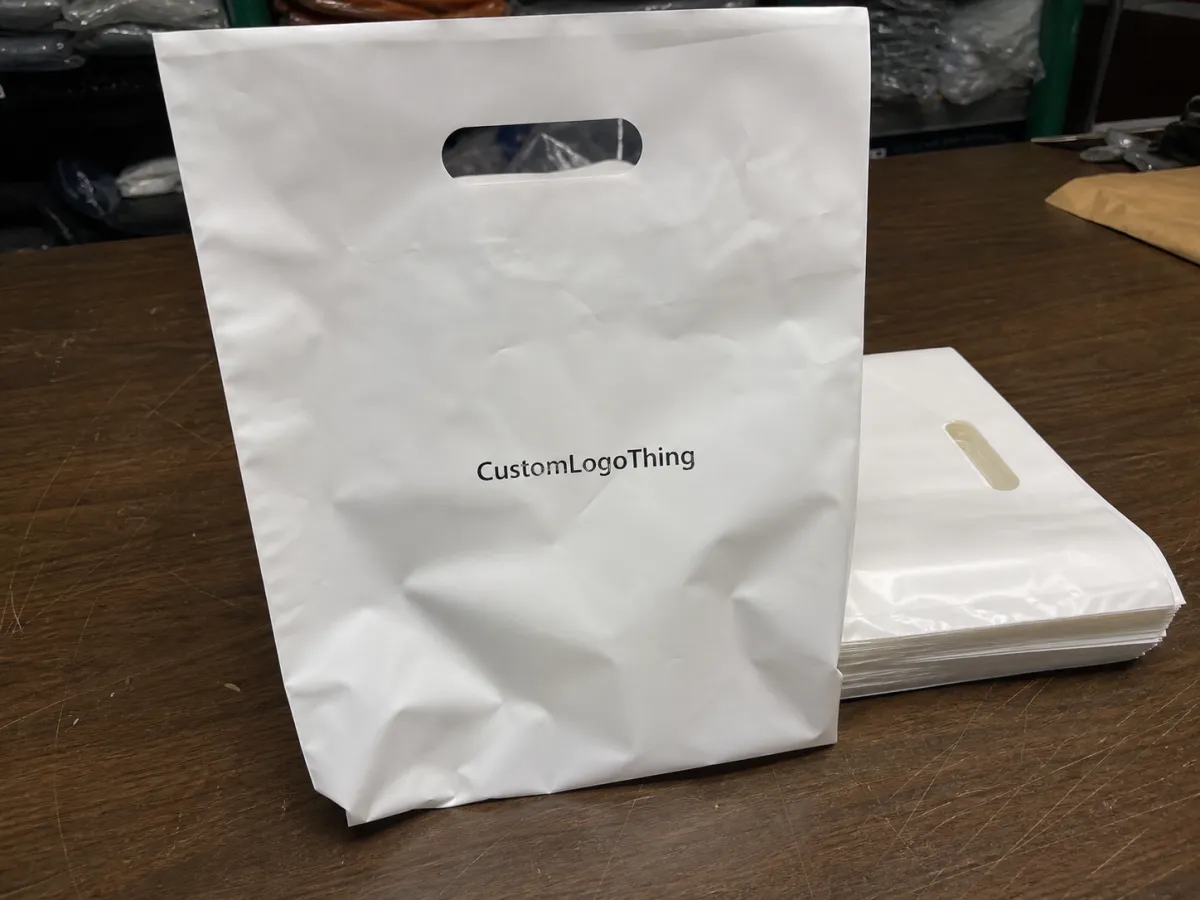
Start with the job, not the artwork. A buyer who knows the bag’s purpose will get a better quote and a better finished product. Is the bag carrying folded apparel, boxed cosmetics, pharmacy items, beverage bottles, or a mix of awkward retail purchases? The answer affects material choice, handle style, film thickness, and even carton pack-out. A supplier that asks about the heaviest expected load is usually thinking about the real application, not just the sales order.
Logistics matter just as much as appearance. Carton size, case count, pallet pattern, and shipping weight affect warehouse handling and freight bills in ways that are easy to miss during sourcing. A slightly more compact bag can save shelf space and lower storage friction. A consistent reorder format can cut down on labor in receiving and replenishment. Those small efficiencies add up over a year, especially for multi-location retail chains that move through large volumes.
Quality control should be part of the conversation from the first quote. Ask how the supplier measures thickness, how it checks seal integrity, and what tolerance it allows on dimensions and print placement. A serious supplier should be able to explain the production checks in plain language. If the answers stay vague, the risk usually shows up later in inconsistent cartons, drifting print, or bags that feel different from batch to batch.
The best purchasing approach is simple: compare the spec that your store will actually use, not the version that sounds cheapest on paper. A bag for quick checkout has different needs than one for premium retail packaging. If the supplier understands that distinction, the whole program tends to run with fewer surprises.
Bag Styles, Film Grades, and Handle Choices That Affect Performance
Bag style changes the customer’s experience immediately. T-shirt bags are efficient, familiar, and still common in grocery, pharmacy, and high-volume convenience retail because they are fast to dispense and pack. Die-cut handle bags look cleaner and are common in apparel, gift, and promotional programs where presentation matters as much as load carry. Loop-handle and patch-handle bags cost more, but they often feel more secure and more polished in hand. The right choice depends on speed, merchandise shape, and how visible the bag will be after checkout.
Film grade matters just as much as style. High-density polyethylene, or HDPE, usually feels crisper and packs tightly in cartons. It is often chosen when volume, lower weight, and lower price are priorities. Low-density polyethylene, or LDPE, stretches more, feels softer, and often resists punctures better. That difference is noticeable the moment a shopper lifts the bag. HDPE can be a smart fit for light-to-moderate loads, while LDPE is often the safer choice for heavier or sharper-edged goods. Neither is universally better; the load profile decides.
Thickness is another place where buyers get tripped up. A bag measured at 0.8 mil can perform very differently from one at 1.5 mil, even if the print looks identical. Heavier gauges are not automatically the right answer either, because extra film can raise cost without fixing a poor seal or weak handle design. For shopping bags, the structure has to match the use case. A bag that only survives because it is overbuilt may be wasting budget in one area while still failing in another.
Handle construction deserves close attention. Reinforced handles, patch reinforcement, and clean sealing at the stress points all affect how the bag feels in hand and how long it lasts under load. For bags used with boxed goods or bottles, I would want to know the actual handle pull target, not just a general promise of strength. That is especially true for premium retail packaging, where a failure feels more visible because the customer expects the bag to reinforce the brand, not expose it.
| Bag Type | Best Use | Typical Material | Performance Notes |
|---|---|---|---|
| T-shirt bag | Grocery, pharmacy, high-volume checkout | HDPE, often 0.6-1.2 mil | Fast bagging, compact cartons, lower unit cost, lighter hand feel |
| Die-cut handle bag | Apparel, gift, promotional retail | HDPE or LDPE, often 1.25-2.0 mil | Clean presentation, moderate strength, easy print placement |
| Patch-handle bag | Heavier retail purchases, premium branding | LDPE, often 2.0-3.0 mil | Stronger grip, better carry comfort, higher material and labor cost |
| Loop-handle bag | Upscale retail, trade shows, boutique packaging | LDPE or co-extruded film | Comfortable carry, premium look, more setup and finishing cost |
Gussets and bottom construction deserve equal attention. Side gussets help the bag open wider and sit flatter in storage. Bottom gussets or stronger seal geometry improve balance when the load is uneven. A small change in structure can prevent a big problem later, especially for Stores That Sell mixed merchandise or items with sharp corners. That is the sort of detail that separates a usable bag from one that only looks good in a sample photo.
Specifications to Lock Down Before You Request Samples
Before samples go out, lock the spec in writing. Finished width, gusset, height, thickness or gauge, handle style, print count, and carton quantity should all be clear. If those details are loose, samples can appear close enough while the production order drifts in ways that matter. A half-inch change in width can affect how the bag hangs at checkout. A thinner film can change the feel completely, even if the artwork is identical.
Artwork needs the same discipline. One-color printing is easier to control, but multi-color jobs and broad ink coverage introduce more variables. Ask where the logo sits, how much bleed is allowed, whether both sides print, and what tolerance the supplier uses for registration. For bag graphics, clarity usually beats complexity. A strong logo with good white space often reads better than an overworked layout that loses impact once the bag is folded, carried, or stacked in a cart.
Material choice should be confirmed before comparing bids. Resin type, finish, clarity, opacity, and any recycled-content requirement all affect cost and performance. A clear bag, a frosted bag, and a matte bag are not the same purchase, even if the dimensions match. If sustainability claims matter to your organization, ask for written support for recycled content or resin specifications rather than relying on a verbal assurance. That habit should apply to any coordinated packaging design program, not only the bag itself.
Artwork and proofing checklist:
- Vector logo files in a usable format
- Pantone references or exact brand color targets
- Bleed and safe-area guidance
- Side A and Side B placement, if both sides print
- Proof approval contact and sign-off deadline
That list may look basic, but it saves time and prevents avoidable revisions. It also keeps the bag consistent with other branded packaging, including custom printed boxes and inserts that need to match the same visual language. The more coordinated the order, the more important it is to finalize the spec before production starts.
Pricing, MOQ, and Unit Cost Drivers for Wholesale Orders
Wholesale pricing usually moves with five variables: film weight, bag size, handle style, print complexity, and freight destination. Carton packing and palletization can also shift the landed cost, especially for larger bags that take up space fast. A quote that ignores any of those factors is not truly comparable. The supplier may have lowered the price by changing the material, reducing the print area, or quoting a different shipping assumption.
MOQ, or minimum order quantity, tends to rise as the bag becomes more custom. A standard size in a common film grade with one-color print is easier to run than a special color, unusual gauge, or reinforced handle. Setup time, changeover, and print preparation all add cost. If the volume is uncertain, ask for pricing at two or three quantity breaks. That makes the break-even point visible and gives you a better sense of how quickly unit cost drops as the run gets larger.
| Order Type | Illustrative Unit Range | What Raises Cost | What Lowers Cost |
|---|---|---|---|
| Standard T-shirt bag, one-color print | $0.035-$0.075 | Thicker film, more ink coverage, shorter run | Common size, HDPE, larger quantity |
| Die-cut handle bag, one-color print | $0.08-$0.16 | Heavier gauge, premium finish, double-sided print | Simpler artwork, standard dimensions |
| Patch-handle or loop-handle bag | $0.18-$0.35 | Reinforcement, premium hand feel, multiple colors | Repeat setup, larger order size, simple layout |
Those ranges are directional. Freight, plate charges, proofing, packaging, and delivery timing can move the final number enough to change the decision. The useful part is not precision; it is pattern recognition. If a quote is much lower than the rest, check whether the material is lighter, the print is simpler, or the delivery terms are different. If a quote is much higher, ask what is being added. Sometimes the answer is genuine value. Sometimes it is just a spec mismatch.
For programs managed through our Wholesale Programs, the strongest cost control usually comes from stability. Once the dimensions, artwork, and pack-out stop changing, the run becomes easier to repeat and the supplier has fewer excuses to drift. A fixed spec often saves more over time than squeezing the unit price on a one-off order.
Production Steps and Lead Time From Approval to Delivery
A clean order usually follows the same sequence: inquiry, specification confirmation, artwork review, proof approval, production, inspection, packing, and shipment. The path sounds straightforward. In practice, the slowdowns show up in missing details. A vague logo file, a color reference that was never confirmed, or a late change to the handle style can add days to a job that should have moved quickly.
For many standard shopping bag jobs, production is often 12-20 business days after proof approval. Heavier customization, seasonal demand, special colors, and unusual carton requirements can stretch that window. Transit time is separate and should be treated separately. A bag can be produced on schedule and still miss an opening date if the freight plan was optimistic. Buyers who build in a little margin usually suffer fewer emergencies.
Sample approval is worth doing carefully. A pre-production sample confirms the handle feel, the print placement, and the overall impression before the run starts. If the order is large, ask for a final quality check before the goods are released. That is standard discipline in packaging operations. It keeps small issues from becoming expensive ones and gives the buyer a chance to catch drift before the whole order ships.
There is another layer that often gets skipped: real distribution stress. If the bags will travel with other packaging materials or be stored for a period before use, ask how the supplier handles carton stacking, humidity exposure, and packing compression. The ISTA framework is a useful reference point for thinking about shipment behavior, even if your program is much simpler than a full transit test. The goal is practical confidence, not paperwork for its own sake.
Lead time planning should reflect the calendar, not just the factory schedule. Holiday periods, store resets, and opening events make every delay more visible. Buyers who leave room for one proof correction and one shipping buffer tend to keep the whole program on track. Buyers who treat every order as a rush usually pay for it somewhere else.
Print Quality, Compliance, and Store-Use Testing
Good print quality is visible immediately. Edges stay clean, color stays stable, and the logo reads clearly under normal store handling. If ink smears after a few carts or rubs off in a checkout lane, the bag looks less controlled than the brand intends. That is why print durability matters just as much as artwork. A shopping bag is not a display panel. It has to survive movement, friction, and the occasional squeeze.
Store-use testing should be practical and a little unsentimental. Load the bag with the actual items you sell, not a convenient substitute. Test the heaviest normal order, not the average one. Look for handle pull, seam stress, and how the bag behaves with bottles, sharp corners, or mixed merchandise. If the bag feels fine empty but strains with real products, the spec is wrong or too optimistic. A short test at the sourcing stage can prevent a week of customer complaints later.
Compliance depends on region and product use. Some markets regulate thickness, recycled-content claims, labeling, or bag restrictions. That makes supplier documentation part of the purchase, not an afterthought. If the supplier cannot explain resin source, gauge, or claim support, the quote may be incomplete. Public guidance from the EPA can help teams think about recycled content and waste reduction in broader packaging decisions, though local rules still control the final answer.
Sample quality also needs context. A hand-printed mockup can help with layout review, but it is not the same as the actual run. Ask for a sample that matches the intended material and process as closely as possible. Otherwise the decision is being made on a version of the bag that customers will never see. That is a poor way to buy any packaging product, and it is especially risky with carryout bags, where small differences in film or print can change performance fast.
For brands that manage more than one format, keep the same standard across retail packaging, custom printed boxes, and carryout bags. Consistent logo spacing, ink behavior, and color control make the whole program feel deliberate. The effect is subtle, but customers notice it.
Why Repeat Buyers Benefit From a Stable Supply Partner
Repeat buyers care about consistency first. The dimensions should stay the same, the print placement should stay the same, the handle feel should stay the same, and the pallet count should stay the same. That sounds obvious, but it is where many programs drift. Even a small change in carton count or bag width can disrupt shelf space, receiving flow, or the way store teams bag at the register.
A stable supplier also saves hidden labor. Good records make reorders faster and reduce the time spent rebuilding the job from scratch. Old proofs stay accessible. Spec questions get answered faster. The next order starts from a known point instead of a guessing game. That matters when the buying team is balancing seasonal demand, new-store openings, or multiple regions with slightly different requirements.
Communication becomes even more useful when volumes change. A region may need a rush shipment. One store format may need a different pack count. The brand may update its package branding to support a promotion. A supplier who already knows the bag’s history can adjust without turning every change into a new project. That is especially useful for buyers coordinating Custom Packaging Products alongside bags and other branded packaging components.
If you want fewer surprises, keep the spec sheet tight and the reorder history even tighter. A supplier who knows the bag by dimension, gauge, artwork, and pack-out is more valuable than one who only knows the company name on the account. The difference shows up when the next run arrives on time, matches the last one, and does not create extra work for the store team.
That is the real value of a dependable wholesale partner. Not flashy promises. Not the lowest number on a spreadsheet. Just fewer failures, fewer rechecks, and fewer conversations about why a bag that looked fine in approval did not hold up in use. For a buyer comparing options, that is usually the line that matters.
What should I send to a supplier for an accurate quote?
Send finished dimensions, film thickness, handle style, print colors, total quantity, delivery ZIP code, and your target in-hand date. Include vector logo files, Pantone references, and any carton or packing notes so the quote reflects the real production spec instead of a rough estimate. If you are comparing options, ask for separate pricing on each version so the differences stay visible.
How do I choose the right thickness for wholesale shopping bags?
Match thickness to the heaviest normal load, not the lightest one, because the bag has to survive actual store use. Heavier items, sharp corners, and longer carry distances usually need a stronger film or reinforced construction. A practical sample test using the products you really sell is the fastest way to confirm the right spec.
What is a realistic MOQ for custom plastic shopping bags wholesale orders?
MOQ depends on bag size, print complexity, and whether the job uses standard materials or special features. One-color orders and standard sizes usually allow more flexibility than multi-color or highly customized runs. If your volume is uncertain, ask for pricing at two or three quantities so you can see where the unit cost improves.
How long does production usually take after artwork approval?
Production lead time varies by spec, order size, and the amount of setup required before the run starts. For many standard jobs, the production window is often 12-20 business days after approval, but artwork revisions, special colors, and seasonal demand can extend it. Always separate production time from shipping time so store openings and promotions stay on schedule.
Can I get custom print colors and double-sided branding on wholesale bags?
Yes, but each added color or print location can affect setup time, MOQ, and final pricing. Double-sided branding works best when the artwork is simple, clear, and suited to the bag’s purpose. Ask for a proof that shows both sides exactly as they will print before approving the order.
If you are comparing options, the smartest filter is not who sounds cheapest. It is who can hold the line on quality, timing, and repeatability without turning every reorder into a new project. A reliable custom plastic shopping Bags Wholesale Supplier should make the bag disappear into the operation in the best possible way: it works, it matches, and nobody has to think about it twice.

