Buyer Fit Snapshot
| Best fit | Custom Poly Mailers for T-Shirts projects where brand print, material claims, artwork control, MOQ, and repeat-order consistency need to be specified before quoting. |
|---|---|
| Quote inputs | Share finished size, material target, print colors, finish, packing count, annual reorder estimate, ship-to region, and any compliance wording. |
| Proofing check | Approve dieline scale, logo placement, barcode or warning zones, color tolerance, closure strength, and carton packing before bulk production. |
| Main risk | Vague material claims, crowded artwork, missing packing details, or unclear freight terms can make a low unit price expensive after revisions. |
Fast answer: Custom Poly Mailers for T-Shirts: Film, Print, MOQ, and Carton Packing should be specified like a repeatable production item. The safest quote records material, print method, finish, artwork proof, packing count, and reorder notes in one written spec.
Production checks before approval
Compare the actual filled-product size with the drawing, then confirm tolerance on folds, seals, hang holes, label areas, and retail display edges. Reserve space for logos, QR codes, warning copy, and material claims before decorative graphics fill the panel.
Quote comparison points
Review material grade, print process, finish, sampling route, tooling charges, carton quantity, and freight assumptions side by side. A quote is only useful when the supplier can repeat the same color, closure quality, and packing count on the next order.
Custom Poly Mailers for t shirts do more than move apparel from a warehouse to a doorstep. They are often the first physical signal a customer gets about a brand, and that signal arrives before the shirt is unfolded, before the size is checked, before the first photo is posted. Packaging does not get a second chance to make that impression, so the outer bag has to do real work.
That is why Custom Poly Mailers for t shirts sit at the intersection of branding and operations. They protect garments from dust and light moisture, keep pack-out compact, and add a visual layer without forcing a brand into heavier cartons or elaborate interior packaging. A DTC launch, a merch drop, a replenishment order, a subscription shipment: each one benefits from packaging that looks intentional and packs quickly.
From a buyer's point of view, the decision rarely ends with print. Film thickness, bag dimensions, adhesive strength, opacity, and artwork placement all affect how Custom Poly Mailers for t shirts perform on the bench and in transit. The difference between a mailer that helps and one that slows a team down can come down to a few millimeters or a seal strip that is slightly too weak. I have seen a warehouse gain back measurable packing time simply by switching to a better opening style after a short pilot run.
Custom Poly Mailers for T Shirts: Why They Punch Above Their Weight
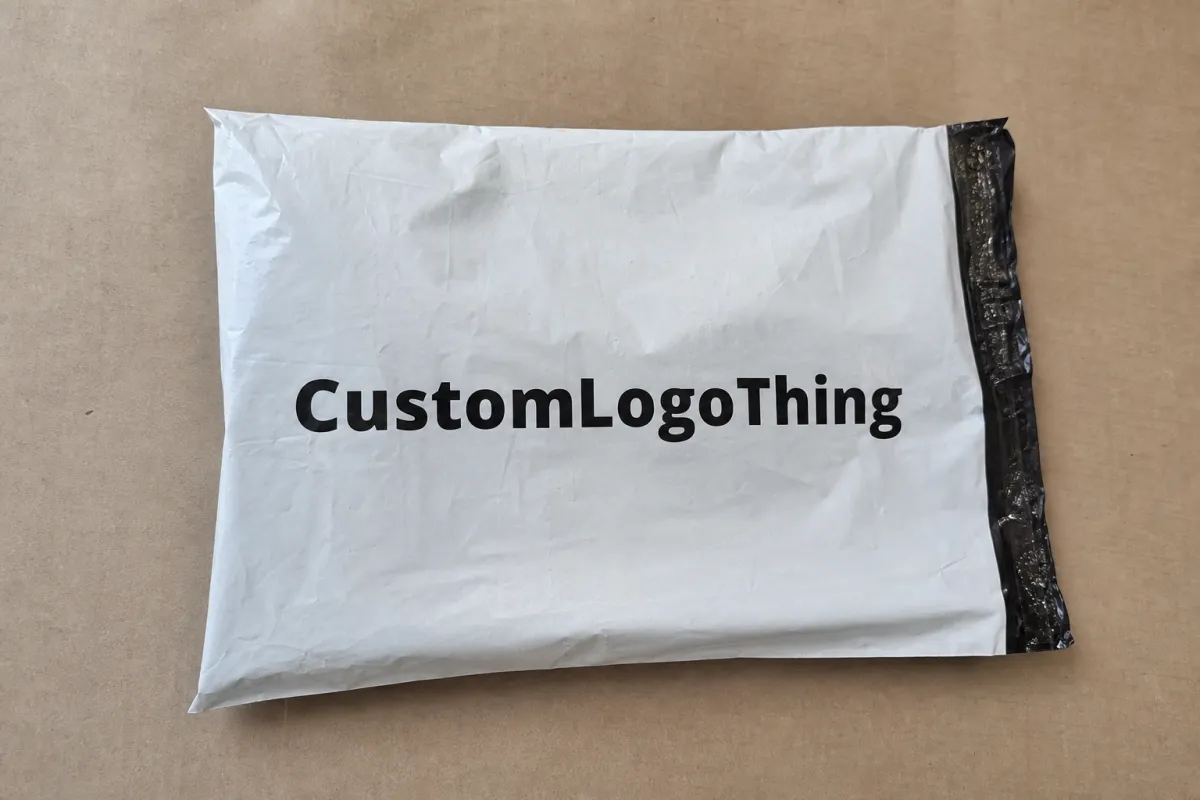
A tee is a simple product. That simplicity is exactly why presentation matters. Custom Poly Mailers for t shirts punch above their weight because they turn a low-profile item into a branded parcel with shape, color, and intent. The order arrives looking deliberate rather than improvised, and that matters more than many teams expect, especially when the product itself is lean and the packaging has to carry part of the story.
These mailers show up in direct-to-consumer apparel, event merch, influencer sends, subscription programs, and promotional drops. They also fit brands that want to keep freight down without moving into custom printed cartons. A rigid box can be the right answer for premium goods, but a tee usually does not need a carton just to travel well. A properly sized mailer often does the job faster and with less material. Across thousands of shipments, that difference stops being cosmetic. A half-ounce saved per shipment becomes about 312.5 pounds over 10,000 orders.
A good mailer program solves four jobs at once:
- Presentation: the outer bag carries logo placement, color, and brand tone.
- Protection: the film helps shield the shirt from dust, scuffs, and light moisture.
- Efficiency: the compact form keeps pack-out quick and limits wasted space.
- Consistency: every order looks and behaves the same, whether the run is 200 or 20,000.
That is why custom poly mailers for t shirts can outperform more elaborate formats for basic apparel. A shirt does not always need a carton, void fill, or multiple interior layers. A clean fold, a bag that fits, and a seal that holds can be enough. Fewer steps. Less material. Less room for error. Better odds that the package arrives looking as planned.
"A mailer that fits cleanly and survives the sort line usually does more for the order than a fancier format that slows packing."
For brands still shaping their packaging identity, custom poly mailers for t shirts can sit in a useful middle lane. They cost less than many rigid formats, weigh less than boxes, and still create enough visual presence to support product packaging, retail packaging, and repeat recognition. Apparel teams often begin here, then add tissue, inserts, or Custom Packaging Products later if the line expands.
There is also a practical reason the format keeps winning: it scales without drama. One shirt or three shirts, one color or a busy launch schedule, custom poly mailers for t shirts keep the packing motion steady. Stability tends to matter more than novelty once volume starts climbing.
In one fulfillment audit I helped with, the brand had been using generic bags for a seasonal tee line and assumed the only issue was appearance. The real problem was slower pack speed because the bags opened inconsistently and slid around on the table. Once the team switched to better-fitting custom poly mailers for t shirts, the line became easier to manage and the orders looked far more intentional leaving the building.
How Custom Poly Mailers for T Shirts Work in Fulfillment
The workflow looks simple because, most of the time, it is. Fold the shirt to a consistent footprint, place it in the mailer, peel and seal the adhesive strip, apply the shipping label, and send it down the line. That sequence sounds almost too basic, yet the details decide whether custom poly mailers for t shirts make the warehouse calmer or create tiny delays on every order.
Size is the first decision that actually matters. A bag that is too tight slows the packer and creases the garment. A bag that is too large makes the parcel look slack and can let the shirt slide around in transit. The right fit keeps the load centered and gives custom poly mailers for t shirts a deliberate shape rather than a borrowed one.
For most single-tee shipments, the packer needs room for a neat fold and maybe a sticker, insert, or thank-you card without fighting the seam. Add a second garment, a heavier insert, or a cap, and the size and film thickness should rise together. The useful test is not what the catalog says a shirt "should" fit. The useful test is the actual pack-out, with the actual contents, handled the way the order will be handled every day.
Print method matters in a more visible way than some buyers expect. One-color logos, repeating marks, side-panel branding, and full background color all work if the design stays readable once the bag is folded, labeled, stacked, and slid into a cart. A simple design with clear contrast usually holds up better than a crowded graphic packed with tiny details. A mailer moves through a system; it is not a poster on a wall.
For many apparel brands, a restrained print strategy works best. One sharp logo zone, one strong brand color, and maybe a secondary mark is often enough. That approach keeps the bag recognizable while avoiding production bloat. Custom poly mailers for t shirts do not need heavy artwork to feel premium. Often the opposite is true: a cleaner layout looks more expensive because it looks more certain.
Seal quality and opacity deserve the same attention. The closure should resist tears along the seam, handle friction in a tote or sorting bin, and keep the garment from showing through if privacy matters to the brand. If the parcel is moving through a normal carrier network, the film should tolerate abrasion without the print scuffing off or the edge splitting. Good custom poly mailers for t shirts are built for repetitive, ordinary abuse. That is the whole point.
Labor effects show up quickly in a third-party warehouse. If the opening is awkward, the adhesive is weak, or the finish makes stacks slide around, pack speed drops. A mailer can look elegant in a mockup and still be a nuisance in the hand. Testing custom poly mailers for t shirts in the actual fulfillment flow is not extra caution; it is basic risk control.
Brands building a fuller packaging system may place the mailer beside inserts, hang tags, tissue, and other elements of packaging design. The trick is to keep the setup realistic. A single strong mailer can carry a fast-moving apparel program. Premium launches can add more layers, but the core package still has to pack cleanly and ship cleanly.
One useful check is simple and oddly revealing: look at the packed order after sealing. Does the shirt sit flat? Does the label land where it should? Can the parcel stack without bulging at one side? Those small signs tell you whether custom poly mailers for t shirts fit the job or only look good in a sample photo.
Cost, Pricing, MOQ, and Unit Cost
Cost is where the conversation gets concrete. The price of custom poly mailers for t shirts depends on bag size, film thickness, print coverage, number of colors, and total quantity. A small run with a simple logo usually lowers the absolute spend, but the unit price tends to rise because setup costs are spread across fewer pieces. Production math is rarely generous to short runs.
Market pricing moves with the spec. A light-branded, single-color mailer usually sits well below a full-coverage, multi-color version. As a rough planning range, smaller custom runs may land around $0.18 to $0.35 per unit depending on size and print complexity, while larger quantities can drop lower as volume improves. Add heavier film, full wrap graphics, or more elaborate printing, and the number climbs. That is why quotes for custom poly mailers for t shirts only make sense when the specs are locked in.
MOQ matters more than many first-time buyers think. A supplier may offer an attractive unit price, but the minimum order can tie up cash, crowd storage, or force a brand to sit on artwork longer than it wants. Seasonal apparel lines feel that pressure fastest. Custom poly mailers for t shirts should be ordered in a quantity that matches the sales cycle, not just the cheapest-looking breakpoint.
| Option | Typical Use | Cost Position | Operational Notes |
|---|---|---|---|
| Plain poly mailer | Basic shipping with no brand print | Lowest unit cost | Fast to source, but no package branding |
| Lightly branded mailer | Small logo or one-color print | Moderate unit cost | Often the best balance for custom poly mailers for t shirts |
| Fully custom design | Multi-color or full-coverage graphics | Highest unit cost | Stronger visual impact, longer setup, more proofing attention |
When you request quotes, send the full picture up front: folded shirt dimensions, target quantity, film thickness, print sides, artwork format, and delivery destination. That avoids the usual round of follow-up questions. If you are comparing suppliers, ask for landed cost so freight, duty if relevant, and warehousing charges appear beside the unit price for custom poly mailers for t shirts.
There is another savings trap people miss. A cheaper bag that slows packers by only a few seconds can cost more overall than a slightly better mailer that keeps the line moving. Multiply that delay across thousands of orders and the labor math changes fast. Real cost is not just the unit price. It is unit price plus labor, waste, damage risk, and the drag caused by poor fit.
If you need a broader packaging comparison, it helps to review apparel mailers against Custom Poly Mailers and other formats in the same planning cycle. That keeps the decision tied to the whole operation instead of a single line item on a quote sheet.
Production Steps, Process, and Lead Time
The production path for custom poly mailers for t shirts usually begins with artwork review and proof approval. After that, film is prepared, printed, converted, cut, folded, and packed for shipment. The steps are routine on paper. In practice, each one can stall if the artwork keeps changing or the material spec is not final.
Artwork revisions are the delay point that shows up most often. A logo may need stronger contrast, a barcode zone may need to shift, or the brand team may want to move a side panel after seeing the first proof. That happens. Still, every revision adds time. Cleaner files and clearer print instructions usually move custom poly mailers for t shirts through the schedule faster.
Lead time shifts with complexity. A standard one-color design on a common material often moves faster than a multi-color layout with a special finish or recycled-content request. Quantity matters too, because longer runs take more time to print and convert. For most buyers, a planning window of 12 to 20 business days after proof approval is a realistic baseline for custom poly mailers for t shirts, with transit added on top depending on origin and destination. That estimate is a planning tool, not a promise; a supplier's workload, seasonal congestion, and shipping lane all affect the calendar.
Rush orders do exist, but they work best as exceptions. If a launch date is fixed, count backward and leave time for sample review, proof corrections, and shipping. That buffer matters even more if the mailers are part of a broader packaging rollout that includes inserts, labels, or custom printed boxes for other SKUs. One delay in the chain can ripple through the whole launch.
Before production starts, a good supplier usually wants these items:
- Final artwork files with clear color references.
- Mailer dimensions tied to the folded shirt size.
- Material and thickness preference.
- Print sides and finish requirements.
- Target order quantity and delivery address.
Samples should not be an afterthought. A sample pack lets you test the adhesive, check artwork placement, and see whether the label sticks to the finish without trouble. It also shows whether custom poly mailers for t shirts hold up under the kind of handling a real warehouse gives them: lifted, stacked, slid, and squeezed through a normal workday.
For brands that care about sustainability claims, it makes sense to compare material language against public guidance from the U.S. EPA recycling resources and verify whether the chosen film, ink, or recycled-content blend fits internal standards. If transit durability matters, testing against parcel abuse and distribution patterns informed by ISTA methods can give a more realistic picture of how custom poly mailers for t shirts behave after leaving the dock.
The calendar starts at proof approval, not at the moment the idea appears in a meeting. That detail gets overlooked constantly. If custom poly mailers for t shirts are part of a launch, give yourself enough time to approve art, receive a sample, and fix anything that feels off once the bag is in hand.
Key Material, Size, and Print Factors
Material choice is where the practical side of custom poly mailers for t shirts becomes obvious. Most mailers use polyethylene film, and thickness plays a direct role in how the bag feels, how easily it seals, and how well it tolerates shipping abuse. A thinner film may work for a single lightweight tee. A thicker one makes more sense for multiple garments, sharper inserts, or parcels that travel through rougher handling conditions.
Size should follow the folded garment, not just the category name. A small adult tee, a heavyweight blank, and an oversized style can fold to very different footprints. A bag that is too generous can make the parcel look loose and less polished. A bag that is too tight can wrinkle corners and make the seal awkward. Custom poly mailers for t shirts work best when the folded dimensions, flap depth, and adhesive zone all line up.
Finish changes the feel more than many teams expect. A glossy surface can make color pop and create a brighter branded packaging look, while a matte surface can feel calmer and more understated. Neither one wins automatically. The right choice depends on the brand's visual language and the rest of the packaging system. If labels, inserts, and retail packaging already carry a lot of shine, a matte mailer can balance the mix.
Opacity deserves a direct look as well. Some brands want the shirt color hidden completely. Others do not mind a faint show-through. That choice often comes down to positioning and customer expectation. Custom poly mailers for t shirts should match that expectation instead of creating friction with it.
Artwork Placement And Readability
Print placement needs breathing room around folds, seams, and the shipping label. A logo too close to the edge can disappear once the bag is closed. Type that is too small or too light can blur once the order moves through the packing line. Strong results usually come from simple shapes, limited color counts, and a clear hierarchy. For custom poly mailers for t shirts, restraint often reads as confidence.
Safe zones affect more than prepress. If your warehouse applies labels in the same corner every time, that corner needs to stay quiet. If the bag has a tear notch or opening strip, the artwork should not interfere with it. That is where thoughtful packaging design shows up in practice, not just in a presentation deck.
Custom poly mailers for t shirts should be chosen for the actual garment count and workflow, not for the size that sounds best in a sales sheet. If inserts, cards, or folded tissue are part of the order, include them in the dimensions now. Choosing the right bag once is cheaper than revisiting the whole spec after a batch is already in motion.
Durability And Handling
In transit, the bag has to survive friction, stacking, and a few rough touchpoints. Tear resistance, puncture resistance, and seal quality all matter. Thin film plus a weak seam equals avoidable failure. A slightly stronger build reduces that risk, especially for custom poly mailers for t shirts moving through busy parcel networks where packages are not handled with much ceremony.
For buyers comparing recycled-content options, ask what the blend actually means, how it changes clarity, and whether seal performance stays stable. Recycled content can be a smart fit, but it should be judged against the real use case. The objective is not to sound better on a spec sheet. The objective is to protect the apparel and keep fulfillment moving.
When the mailer is selected well, it supports the broader packaging design strategy instead of competing with it. That applies to basic tees, to full retail packaging systems, and to branded packaging programs that need consistency across several product lines.
Common Mistakes When Ordering Custom Poly Mailers for T Shirts
Oversizing is one of the easiest mistakes to make. Buyers often assume a larger bag is safer, yet oversized packs can make custom poly mailers for t shirts look sloppy, add unnecessary film, and increase shipping bulk. If the shirt slides around inside the bag, the parcel loses the compact, tidy look that makes mailers effective in the first place.
Under-specifying film or seal strength is another common problem. A weak closure can split when a parcel gets dropped, stacked, or scraped against a hard surface. That risk rises if the order includes an insert card, a second tee, or any add-on with a sharper edge. Custom poly mailers for t shirts should be tested with the real contents, not just a single folded sample on a table.
Artwork mistakes show up fast too. Low contrast, tiny type, and crowded layouts all make the bag harder to read once it is folded and labeled. If the print lands where tape or the label will cover it, the branded effect gets diluted. Good custom poly mailers for t shirts should be designed with real handling in mind, not only with a graphic mockup open on a screen.
Warehouse workflow gets overlooked more than it should. A bag can look excellent and still slow down the line if the opening is stiff, the adhesive is inconsistent, or the finish makes stacking awkward. That kind of friction becomes labor cost. It adds up every day. The best custom poly mailers for t shirts do not just look better; they make packing easier.
Testing is the mistake that saves the most money when it is skipped. A sample should be packed with the exact shirt, the exact label, and the exact insert set that will ship in production. Then it should be handled the way a parcel actually will be handled. Only after that should custom poly mailers for t shirts move into a larger run.
A few other pitfalls are worth flagging:
- Ignoring folded dimensions and sizing only by garment label.
- Choosing a print layout that leaves no room for sealing or labels.
- Skipping landed-cost comparisons and focusing only on unit price.
- Ordering too many units before the branding system is final.
If the packaging mix is still changing, compare mailers against other apparel formats in the same review cycle. Sometimes custom poly mailers for t shirts remain the right answer. Sometimes another format fits the business better. It helps to compare them with wider Custom Packaging Products so the final decision reflects performance, cost, and presentation together.
Expert Tips and Next Steps for a Better Mailer Program
Start with samples. That is the most practical advice in the whole process. A sample run tells you whether custom poly mailers for t shirts match the real fold, the real insert, the real label, and the real pace of the packing table. A bag can look polished in isolation and still behave badly once the order volume rises and the line starts moving.
Build a short spec sheet next. It does not need to be elaborate. A usable document for custom poly mailers for t shirts usually includes dimensions, film thickness, print colors, finish, adhesive type, label zone, and reorder threshold. That sheet becomes useful the moment someone new joins the team or the next reorder lands six months later and memory is fuzzy.
Compare landed cost, not unit cost alone. Freight, storage, waste, and labor all sit in the same budget. A bag that saves a few cents but slows pack-out or increases damage risk is not really cheaper. That lesson applies to apparel mailers, product packaging, and any broader branded packaging system that needs to stay efficient at scale.
Pilot before you scale. A small run shows how the mailer looks in real light, how it feels in hand, and how it behaves when the packer is under time pressure. It also shows whether custom poly mailers for t shirts support the brand story you want the customer to feel. A clean, well-proportioned bag can make a basic tee feel more finished without adding complexity.
If the operation is shifting from one-off ordering to a repeat system, keep the process practical:
- Measure the folded shirt and any inserts.
- Request quotes with full artwork and quantity details.
- Approve a proof with clear print placement.
- Test one packed sample under real handling conditions.
- Place the order only after the sample feels right in hand.
That sequence looks plain because it is. Plain is good here. Custom poly mailers for t shirts reward discipline. The clearer the use case, the cleaner the result.
For brands expanding beyond apparel, this is a good time to map where the mailer fits in the wider system. Some SKUs will still need Custom Poly Mailers, while others may justify different formats entirely. If the apparel line is stable, the mailer can become a dependable part of the operation rather than a recurring design project that starts from scratch every season.
The strongest mailer programs are often the least dramatic. The bag folds cleanly, seals firmly, prints clearly, and lets the shirt arrive as intended. That is the real value of custom poly mailers for t shirts: a package that protects the garment, supports the brand, and keeps the packing table moving without making a fuss about it.
One practical takeaway ties the whole process together: choose the mailer by the folded shirt, not by assumption. If the dimensions, seal, and print zone all work with your actual packing flow, custom poly mailers for t shirts become a durable part of the operation instead of a recurring source of small problems. That is the standard worth aiming for.
What size custom poly mailers for t shirts should I order?
Start with the folded dimensions of the shirt instead of the flat garment size on the tag. Leave enough room for a neat insert if you use one, but do not choose a bag so large that the parcel looks loose. The best check is a sample pack with the actual shirt, label, and inserts you plan to ship in custom poly mailers for t shirts.
Are custom poly mailers for t shirts strong enough for shipping?
Yes, if the film thickness and seal quality match the weight and handling of the order. They are built to resist light moisture, scuffing, and normal parcel movement. For heavier bundles, multiple garments, or sharper inserts, choose a thicker build and test custom poly mailers for t shirts under real transit conditions.
How much do custom poly mailers for t shirts usually cost?
Price depends on size, print coverage, material thickness, and total quantity. Smaller runs usually cost more per piece because setup is spread across fewer units, while larger orders tend to improve unit pricing. Ask for a landed-cost quote so shipping and storage are included when you compare custom poly mailers for t shirts.
What is the typical lead time for custom poly mailers for t shirts?
Lead time changes with artwork approval, material availability, and order complexity. Simple designs with standard materials often move faster than highly customized runs. Build in time for proofing, sample review, and transit so custom poly mailers for t shirts arrive before your launch date, not after it.
Can I use custom poly mailers for t shirts with recycled material options?
In many cases, yes, depending on the material blend and print requirements. Ask whether recycled content changes clarity, strength, or seal performance, and confirm that the finish still supports your branding goals. A recycled-content option can work well if custom poly mailers for t shirts still pack cleanly and protect the garment properly.
For apparel brands that want a compact, polished, and cost-aware shipping format, custom poly mailers for t shirts are often the strongest starting point. They are simple enough to keep fulfillment efficient, flexible enough to support strong package branding, and durable enough to handle real shipping conditions. Choose the Right size, the right film, and the right print layout, and custom poly mailers for t shirts can become one of the most dependable parts of the packaging system.

