Buyer Fit Snapshot
| Best fit | Custom Poly Mailers with Hang Hole projects where brand print, material claims, artwork control, MOQ, and repeat-order consistency need to be specified before quoting. |
|---|---|
| Quote inputs | Share finished size, material target, print colors, finish, packing count, annual reorder estimate, ship-to region, and any compliance wording. |
| Proofing check | Approve dieline scale, logo placement, barcode or warning zones, color tolerance, closure strength, and carton packing before bulk production. |
| Main risk | Vague material claims, crowded artwork, missing packing details, or unclear freight terms can make a low unit price expensive after revisions. |
Fast answer: Custom Poly Mailers with Hang Hole: Film, Print, MOQ, and Carton Packing should be specified like a repeatable production item. The safest quote records material, print method, finish, artwork proof, packing count, and reorder notes in one written spec.
Production checks before approval
Compare the actual filled-product size with the drawing, then confirm tolerance on folds, seals, hang holes, label areas, and retail display edges. Reserve space for logos, QR codes, warning copy, and material claims before decorative graphics fill the panel.
Quote comparison points
Review material grade, print process, finish, sampling route, tooling charges, carton quantity, and freight assumptions side by side. A quote is only useful when the supplier can repeat the same color, closure quality, and packing count on the next order.
Custom Poly Mailers with hang hole solve a narrow retail problem, and that narrowness is exactly why they matter. A package can ship like any other mailer, then land on a peg hook and immediately read as retail-ready. That sounds modest. It is not. For apparel brands, accessory sellers, soft goods, and subscription programs, custom poly mailers with hang hole can remove a repack step, tighten presentation, and turn packaging from an afterthought into part of the product story.
I have watched brands lose time in the most boring way possible: one person opens the shipping bag, another person inserts a hang tag, and a third person hunts for a hook that fits the display wall. On a small run that feels manageable. On 3,000 or 5,000 units, it becomes a labor line item that nobody planned for. Ten seconds per unit sounds tiny until you multiply it out. Three thousand units at ten seconds each is more than eight hours of hands-on work, and that is before the first customer touches the product.
Not every SKU needs Custom Poly Mailers with hang hole. Boxes still make sense for fragile goods, rigid mailers still protect flat items, and plain poly still wins when the only job is getting something from A to B. The useful question is simpler: does the item need to stay light, display cleanly, and hang on a fixture without extra handling? If the answer is yes, custom poly mailers with hang hole can earn their place quickly.
Custom Poly Mailers with Hang Hole: Why Retailers Use Them
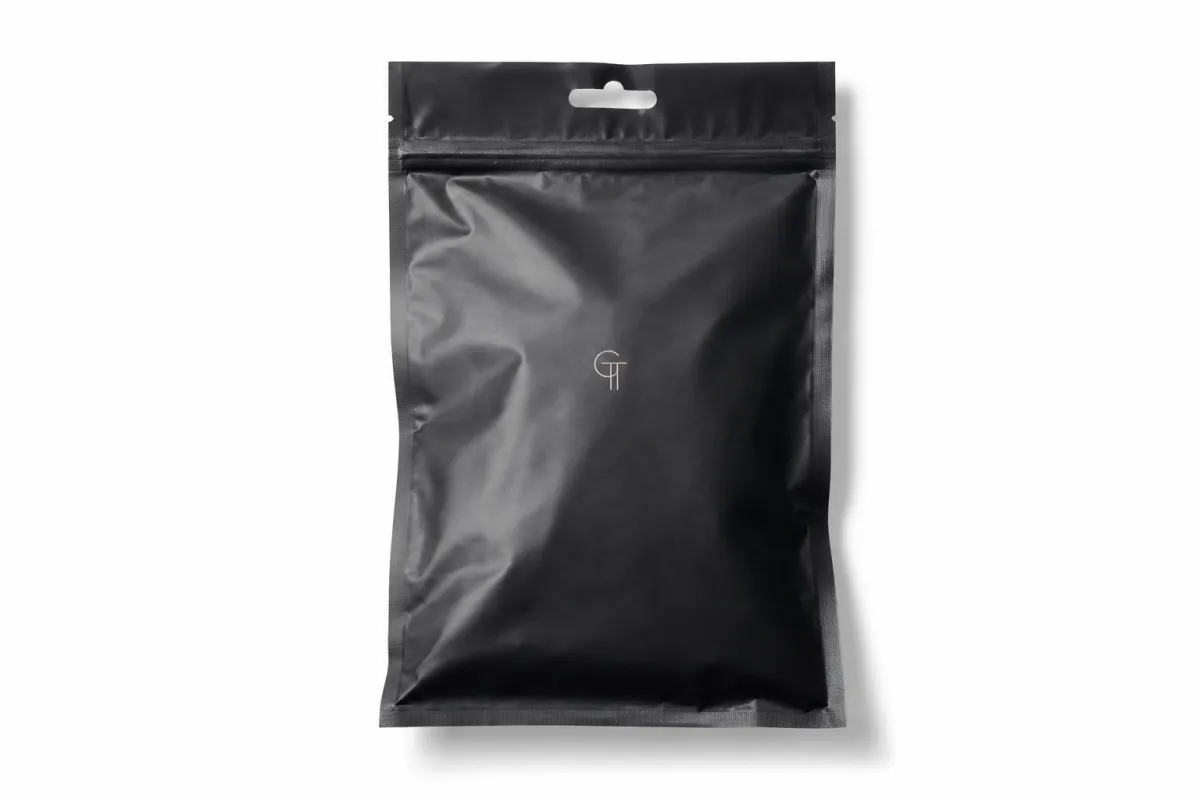
Think about the usual retail chain. A mailer arrives, a product is intact, and then someone has to open it, rebag it, add a tag, and find a place for it on a wall or display rack. That extra motion eats time and invites mistakes. Custom Poly Mailers with hang hole cut through that chain. The package is already shaped for presentation, so the item can move from shipping lane to peg hook with less touch and less chance of wrinkles, bends, or label chaos.
The hang hole is doing real work, not decorative work. In stores, pop-ups, wholesale clubs, and trade show booths, Custom Poly Mailers with hang hole let fast-moving products display with almost no setup. Socks, belts, swimwear, hats, cosmetic accessories, and small bundled kits all fit the pattern. If the product can hang, it can sell from the wall. That simple connection is why the hole exists.
Packaging buyers also like the reduction in extra components. Custom poly mailers with hang hole can reduce dependence on separate hang tags, outer cartons, and clip strips. That does not erase the need for a packaging strategy. It does remove a few weak links. Less handling usually means lower damage risk and cleaner branding from warehouse to shelf.
One detail gets missed often: custom poly mailers with hang hole only help when there is an actual display environment. If the item ships to a doorstep and never sees a hook, the hole adds little beyond a punch point. If the item enters retail, the hole can save labor, reduce repacking, and make a low-cost product look organized rather than improvised.
Best-fit uses usually include:
- Apparel and folded garments that stay flat in transit
- Accessory sets and small soft goods
- Subscription or promo kits that need shelf display
- Seasonal items moving from e-commerce into retail
- Products that need branded packaging without a rigid box
That is the appeal of custom poly mailers with hang hole. They address a boring problem with expensive consequences: handling. A packaging line can lose money fast when every unit has to be touched twice. In my experience, the most overlooked savings are usually hidden in those little pauses between steps.
How Custom Poly Mailers with Hang Hole Work
The structure is straightforward. Custom poly mailers with hang hole are standard poly mailers with a die-cut opening near the top edge. Some versions add reinforcement in the header so the top edge does not tear under load. The bag still seals like a normal mailer. The difference shows up after shipping, when the finished pack can go onto a peg hook, slatwall hook, or clip display.
The route is simple: pack the product, seal the mailer, ship it, then hang it on a fixture without changing packaging. That is why custom poly mailers with hang hole show up so often in retail programs that need one format for shipping and display. One substrate does two jobs. That is usually better than paying for two separate systems that do half the work each.
Hole placement matters more than most people expect. Too close to the seal and the edge weakens. Too low and the pack hangs awkwardly or drags against the product. Off-center placement makes the mailer swing on the hook and look cheap. Well-made custom poly mailers with hang hole keep the opening consistent so the package sits straight and behaves the same way across a full production run.
Material choice matters too. A 2.5 mil film can work for light apparel. A 3 mil or 4 mil film is often smarter for heavier packs or programs that see more handling. Seal strength, print placement, and film clarity also shape the final result. Custom poly mailers with hang hole should feel retail-ready, not like a compromise that survived a budget meeting.
The hole helps with presentation, but it does not replace smart sizing or basic protection. If the product is too loose inside the bag, the package looks underfilled and sloppy. If it is too tight, the seal area gets stressed and the display hangs unevenly. Custom poly mailers with hang hole are not magic. They work best when the product already fits the channel.
The goal is not to make a mailer look clever. The goal is to make it hang straight, survive shipping, and still read as part of the product line rather than a random bag.
On factory floors, I have seen a few millimeters make the difference between a pack that looks polished and one that seems a little off. That is not dramatic, but packaging rarely is. The details are doing the heavy lifting. If a bag is gonna live on a peg hook, it needs to behave like it belongs there.
For buyers comparing formats, custom poly mailers with hang hole should be judged the same way custom printed boxes are judged: the structure has to match the route the item actually takes. A package that looks polished in a warehouse and fails on a hook is not a win. A package that does both jobs is.
Custom Poly Mailers with Hang Hole Cost, MOQ, and Pricing Factors
Pricing for custom poly mailers with hang hole usually depends on size, film thickness, print coverage, hole reinforcement, closure type, and order quantity. Smaller runs cost more per unit because setup charges are spread over fewer pieces. That is not a vendor trick. It is manufacturing math, and it shows up in nearly every printed packaging order.
For a common retail apparel size, plain custom poly mailers with hang hole may sit around $0.18 to $0.28 per unit at 5,000 pieces. Add heavier print coverage, thicker film, or reinforcement around the hole, and the number often moves into roughly $0.24 to $0.40 per unit. Premium builds with matte finish, zipper features, or heavier construction can rise further, often $0.32 to $0.55 or more depending on the exact spec and quantity. Those are ballpark ranges, not promises. Resin prices, print colors, and freight lanes can nudge a quote up or down.
That range only helps if the comparison is honest. A quote that looks cheaper on the unit price can become more expensive once proofing, setup, freight, and rush charges show up. Custom poly mailers with hang hole often look affordable until the quote is broken apart. Then the bargain starts collecting fees like lint on a black sweater.
One useful rule of thumb: if a run drops from 10,000 pieces to 1,000 pieces, the unit price can move sharply even when the bag itself barely changes. A difference of six cents per bag sounds trivial. On 5,000 units, that is $300. On a seasonal order or a multi-SKU program, $300 turns into real budget pressure fast. The plastic is only part of the story; setup and labor are usually the quiet culprits.
Common cost drivers include:
- Bag dimensions and gusset style
- Film thickness and print side count
- Hole reinforcement or header strengthening
- Adhesive strip, zipper, or tear notch upgrades
- Packaging complexity, such as multi-SKU bundling
- Freight distance and production timing
The MOQ question is plain and annoying: lower quantities usually cost more per unit. Larger runs spread setup costs more efficiently, especially for custom poly mailers with hang hole that need tighter die-cut tolerances or a more involved print layout. If the pilot run is 1,000 pieces, the unit cost will usually look ugly next to 10,000 pieces. That is normal, not a warning sign.
Here is a useful comparison for buyers who want the tradeoff in one place instead of a stack of guesses.
| Spec | Typical Use | Estimated Unit Cost | Tradeoff |
|---|---|---|---|
| Plain 2.5 mil mailer with hole | Light apparel, simple retail display | $0.18-$0.28 | Lowest cost, least structure |
| Reinforced 3 mil mailer with hole | General retail packaging, better handling | $0.24-$0.40 | Better display strength, slightly higher spend |
| Premium matte or zipper build | Branded packaging for premium goods | $0.32-$0.55+ | Higher presentation value, more setup complexity |
Do not price custom poly mailers with hang hole against an idealized order that may never happen. Price them against the quantity you actually need, the freight you will actually pay, and the launch window you actually have. That is how packaging budgets stay grounded instead of drifting into wishful thinking.
If you are comparing options across a larger program, it helps to review the full mix of Custom Packaging Products instead of treating one mailer as a one-off purchase. The right answer is often a combination of retail packaging formats, not a single perfect spec.
Process, Timeline, and Production Steps for Ordering
Ordering custom poly mailers with hang hole is not difficult, but the process runs better when the buyer treats it like a production job instead of a casual reorder. The normal path is inquiry, dieline review, artwork proof, sample or digital approval, production, packing, and shipping. Skip one step and the delay usually appears later as waste, confusion, or both.
Lead times vary with factory load, print complexity, and material availability. Proofing can move quickly if the artwork is clean and the size is standard. Production takes longer when the order needs special hole placement, extra colors, or a nonstandard header. For many runs of custom poly mailers with hang hole, a realistic schedule is often 12-15 business days after proof approval, with transit time added on top. Rush orders can happen, but they are usually priced that way for a reason.
Delays tend to come from the same places. Artwork is unclear. The hole location changes after the proof. Someone discovers the product is larger than the original spec. Color matching becomes a last-minute debate. Each one slows custom poly mailers with hang hole because the factory cannot guess the intent. It needs a clean spec, not a hopeful mood board.
Build in buffer time if the mailers support a product launch, trade show, or retail onboarding deadline. That sounds obvious until packaging is ordered like the schedule is optional. It is not. If the hang-hole mailer needs to arrive for a store opening, the plan should include approval windows, production, and transit. Otherwise the brand gets a stack of cartons and a very expensive lesson.
For shipping performance checks, it is smart to look at recognized test methods such as the ISTA transport packaging test programs. The point is not to overengineer every mailer. The point is to make sure custom poly mailers with hang hole can handle the same kind of movement they will see in the parcel chain or retail backroom.
If the program also uses paper inserts or outer cartons, FSC documentation can matter for the overall package story. The FSC standard does not make a poly mailer sustainable by association. It keeps the fiber-based parts of the package traceable and the claims cleaner when materials are mixed.
In practice, the cleanest orders happen when the buyer sends complete information on the first round: product size, target hook style, print area, film thickness, and ship date. A missing detail can stall production for days. A complete brief tends to get you a faster answer and fewer revisions. That sounds unglamorous, but packaging lives and dies on boring accuracy.
Step-by-Step Guide to Spec the Right Mailer
Step 1: Measure the product flat. Open the product, flatten it, and measure the real footprint instead of guessing from the carton it happens to live in. Custom poly mailers with hang hole should fit with room for seam allowance, folds, and any insert card or inner bag you plan to use. If the mailer looks stuffed, it will look cheap. If it is too large, it will hang poorly and waste material.
Step 2: Choose the film thickness. Light apparel may work in 2.5 mil. Heavier items or products that get handled often usually need 3 mil or 4 mil. Custom poly mailers with hang hole that also need retail display strength benefit from a thicker film or a reinforced header area. Thin film saves pennies. Sometimes that is smart. Sometimes it is false economy with a nicer invoice.
Step 3: Set the hole position. The hang hole needs to clear the seal, support the weight, and line up with standard hooks. This is where custom poly mailers with hang hole either behave beautifully or become the packaging version of a chair with one short leg. Ask for a clear dieline and confirm the exact placement before you sign off.
Step 4: Decide on closure and finish. Adhesive strips are common. Zippers can work if the item is reused or opened in-store. Matte finish can feel more premium than glossy on some products, though not every item benefits from the softer look. The right combination for custom poly mailers with hang hole depends on the brand, the handling path, and the retail setting. A boutique display pack is not the same as a warehouse club pack.
Step 5: Test the real product. Request a sample or short pilot and hang it on the actual fixture. Do not test with empty bags and a hopeful smile. Custom poly mailers with hang hole need to survive product weight, hook type, and the way the bag behaves after compression. A good sample tells you more in five minutes than a spec sheet tells you in five pages.
If you sell across channels, check whether one spec can support e-commerce, retail, and warehouse handling. That is where package branding gets interesting in the best way. The same custom poly mailers with hang hole may work for shipping and display, but only if the size and thickness are chosen with both uses in mind. A spec that works in one channel and fails in another is not efficient. It is just lucky in one place.
For buyers who want a broader retail kit, it helps to compare the mailer against other Custom Poly Mailers and see whether the hang-hole version really adds value. Sometimes it does. Sometimes a simpler mailer paired with a separate display strategy is the better buy.
Quick spec checklist:
- Product dimensions measured flat
- Correct film thickness for the load
- Hole position aligned to the hook
- Closure type matched to the workflow
- Printed artwork checked against the dieline
- Sample tested on the real fixture
That is the whole game. Custom poly mailers with hang hole work best when the buyer thinks like a retail operator, not only a print buyer. Fit, display, and handling do the heavy lifting. The rest is decoration.
Common Mistakes Buyers Make with Custom Poly Mailers with Hang Hole
The first mistake is buying the wrong size and forcing the product into the bag anyway. That usually makes custom poly mailers with hang hole look distorted, weakens the seal area, and turns a tidy pack into something that feels rushed. Customers notice. Store staff notices. Everyone notices except, somehow, the person who approved it.
The second mistake is ignoring hole placement. A hole too close to the top seal can tear. A hole that is off-center can make the pack swing. A hole that does not clear the fixture is just a cutout with an attitude problem. Custom poly mailers with hang hole should hang straight and stay stable on the actual hook, not merely look right in a CAD drawing.
The third mistake is buying the lowest quote without checking thickness or reinforcement. That move is common. The mailers arrive, the top edge tears, the print scuffs, or the display starts looking sloppy after a few touches. The savings were never real if the product ends up damaged or the store has to rework the package. Custom poly mailers with hang hole need enough structure to survive the channel, not just the shipment.
The fourth mistake is overprinting. Too much copy, too many badges, too many claims, too many tiny design elements fighting each other. Strong packaging usually gives the product room to breathe. Custom poly mailers with hang hole should support the retail function first and the graphics second. If the art is crowded, the hook disappears and the package loses the job it was hired to do.
The fifth mistake is skipping samples. That saves time on paper. It also creates expensive surprises. Custom poly mailers with hang hole should be tested with the real product, the real weight, and the real display fixture. If you are shipping folded apparel, test folded apparel. If you are shipping a bundled kit, test the bundle. A dummy fill is not a test. It is a wish in packaging form.
I have seen a buyer approve a beautiful proof, only to discover that the hook opening was a few millimeters too low for the store's peg wall. The bag looked fine in a presentation deck. On the actual fixture, it sat crooked and rubbed against the shelf below. That kind of miss is small on the page and expensive in the store. Packaging has a way of making tiny errors look very large, very fast.
Buyers usually avoid trouble by checking these five points:
- Fit is measured with actual product dimensions
- Hole position is aligned to the hook style
- Film thickness matches the product weight
- Artwork stays clean around the header area
- Samples are tested before full production
That list sounds basic because it is. Most packaging problems are basic. They just become expensive when they show up on 8,000 units instead of one sample.
Expert Tips and Next Steps Before You Buy
Test three things before you place the order: product fit, hook compatibility, and how the mailer looks after shipping compression. Custom poly mailers with hang hole can look perfect in a proof and still behave badly once the product settles inside the bag. Compression changes the shape. Shape changes the display. That is why a real sample is better than a hopeful mockup.
Ask suppliers to break out the quote so you can see unit cost, setup cost, and freight separately. One headline number is too easy to manipulate. Custom poly mailers with hang hole may appear cheaper than a box program, but the real comparison only works if every cost is visible. Otherwise you are comparing a complete quote to a fantasy.
Request sample photos or a physical sample that shows the exact hang hole position, print coverage, and seal area for your product size. I would also ask for the dieline before artwork is finalized. Small position changes matter. That is especially true with custom poly mailers with hang hole because a few millimeters can be the difference between a pack that hangs cleanly and one that sits crooked.
If you sell across channels, make sure the same spec works for e-commerce, retail display, and warehouse handling. That is not always the case. Some custom poly mailers with hang hole are built for display first and shipping second. Others do the reverse. The right answer depends on the product weight, the retail fixture, and how often the bag is handled before it reaches the floor.
Ask for the spec that fits the real workflow, not the prettiest mockup. Pretty mockups do not hang on store hooks.
One useful way to compare packaging is to set three options side by side: a plain poly mailer, custom poly mailers with hang hole, and a more structured retail format like a box or rigid mailer. That comparison usually shows whether the hang-hole version is solving a real problem or just adding a feature that sounds nice in a meeting. Honest packaging planning beats decorative optimism every time.
If you want a broader assortment for different products, review Custom Packaging Products and compare them against Custom Poly Mailers before you lock in a spec. Smart buyers do not force one format to carry every job. They match the format to the task.
For most brands, the sweet spot is plain and practical: custom poly mailers with hang hole for products that need light, fast, retail-ready display; plain mailers for pure shipping; and custom printed boxes for items that need more protection or a more premium unboxing. That mix keeps spending under control and keeps package branding consistent without making one package style do work it was never built for.
So the final move is simple. Compare two or three specs, approve the best sample, and place the order only after fit and cost both make sense. Before you sign off, measure the product flat, confirm the hook style, and hang a real sample on the actual fixture. If those three checks pass, custom poly mailers with hang hole are probably pulling their weight. If they do not, the fix is usually in the spec, not the artwork.
FAQ
What size should custom poly mailers with hang hole be for apparel?
Measure the garment flat, then add room for folds, a seal area, and any insert card or inner bag. A fit that is too tight makes custom poly mailers with hang hole look stressed, while a bag that is too large can hang poorly and waste material. Ask for a sample with the actual product before you commit to a production run.
Are custom poly mailers with hang hole strong enough for retail hanging?
Yes, if the film thickness and hole placement match the product weight and hook type. Reinforcement matters more than people think. A weak top edge will tear before the print fades, and custom poly mailers with hang hole should always be tested on the actual pegboard or slatwall fixture because those setups behave differently.
How much do custom poly mailers with hang hole usually cost?
Pricing depends on size, thickness, print colors, hole reinforcement, and order quantity. Larger MOQ usually lowers unit cost, but freight and setup fees can still change the final total. Ask for a quote that shows unit cost at your real volume, not just the lowest possible bulk tier.
What is the normal lead time for custom poly mailers with hang hole?
Lead time usually includes proofing, approval, production, and shipping, so ask for the full timeline upfront. Artwork revisions and special finishes can add days or weeks if you do not approve quickly. Order early if the mailers support a launch, seasonal drop, or retail deadline.
Can I add zippers, tear notches, or matte finish to custom poly mailers with hang hole?
Often yes, but each upgrade can affect price, structure, and the available space for the hang hole. Some features work better for retail display than others, so confirm the final combination before production. Request a dieline and sample proof to make sure all the features fit together cleanly.

