If you need packaging that looks polished, closes again after opening, and ships without adding much weight or bulk, custom printed Frosted Ziplock Bags are usually one of the first options worth pricing. They sit between plain poly bags and rigid boxes: cleaner than a clear bag, easier to use than a carton, and more presentable than a generic pouch pulled from stock.
That does not make them a universal answer. They solve presentation and convenience. They do not solve every shipping risk, every cost problem, or every branding challenge. Packaging choices always involve tradeoffs, and the cheapest-looking spec on paper is not always the cheapest outcome once freight, waste, and rework are included.
What custom printed frosted ziplock bags are, and why buyers care
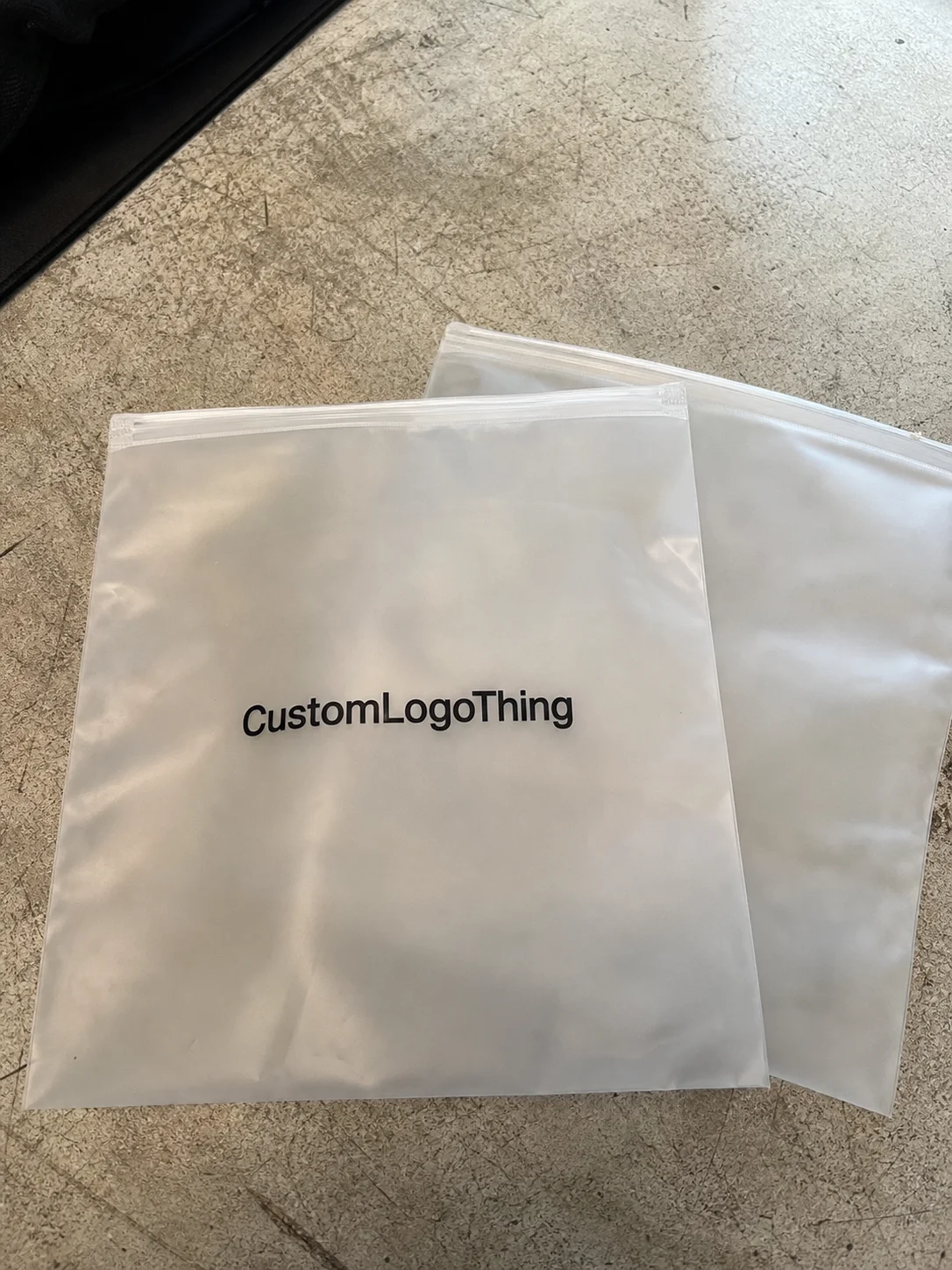
In practical terms, frosted ziplock bags are semi-translucent plastic pouches with a resealable zipper and printed artwork. The frosted finish gives the film a soft, matte-like haze. Contents remain partially visible, but the harsh transparency of a clear bag is reduced. That subtle change affects perception faster than most buyers expect. A product in frosted packaging reads as more intentional, even before someone reads the label.
That matters for more than aesthetics. Packaging buyers use these Bags for Apparel, accessories, supplements, samples, small hardware, and bundled ecommerce kits because the format is lightweight, flexible, and efficient to pack. For fulfillment teams, a zipper closure saves time compared with heat-seal-only options. For retail shelves, the bag can carry branding without forcing the product into a heavier box.
The frosted surface does part of the visual work by softening what is inside and lowering the cheap-plastic glare that makes some clear bags look temporary. It also provides a calmer background for artwork. That said, a frosted bag is still flexible film. If a product needs stacking strength, crisp shelf geometry, or more structural protection, a printed carton or another rigid format may be the better fit. Packaging should match the job, not the mood board.
Common uses include:
- Apparel folds and accessory sets
- Small beauty or cosmetic items
- Sample kits and promotional packs
- Supplements and wellness items that need resealing after opening
- Small hardware, craft parts, and ecommerce bundles
- Subscription packaging where unboxing consistency matters
One mistake shows up repeatedly: assuming frosted bags automatically look premium. They can, but only if the size fits the product, the print contrast works on the substrate, and the closure feels solid. If the product slides around inside the bag, the whole package looks less considered, no matter how strong the logo is.
“A frosted bag can still look cheap if the contents rattle inside it. Fit and structure do more for perception than most people want to admit.”
How the printing and zipper structure actually works
Most custom printed frosted ziplock bags are made from layered plastic film with a frosted outer layer and a zipper track sealed near the top. Depending on the spec, the bag may also include a hang hole, tear notch, side gusset, or gusseted bottom. Those are not decorative extras. A hang hole affects display options. A tear notch changes first-use convenience. Side gussets change fill volume and shelf posture.
Printing usually falls into three categories: flexographic, gravure, or digital. Flexo generally suits medium to larger runs with relatively stable artwork. Gravure is common for high-volume production and can produce very consistent results, though the setup burden is higher. Digital printing is more practical for shorter runs, fast sampling, or designs that change often. The shorthand is simple: lower quantities tend to favor digital, while larger recurring orders usually reward conventional print methods.
Artwork needs to be designed for the bag, not just dropped onto it. Print placement can be front only, back only, or both sides. Because frosted film is not opaque white, colors often appear a little softer than they would on a white substrate. Bright tones can still work well, but pale shades and very fine detail need more contrast than many buyers assume. Tiny text is especially unforgiving. If the logo depends on subtle gradients or near-transparent color changes, proofing becomes nonnegotiable.
Before production, a supplier should confirm the basics clearly:
- Artwork resolution and file type
- Bleed and safe-zone dimensions
- Color matching expectations, ideally with Pantone references where needed
- Seal placement so artwork does not get clipped or distorted
- Zipper position and opening allowance
Closure quality deserves more attention than it usually gets. A weak zipper can make a nice-looking bag frustrating to use. Heavy contents create another issue: if the film is too thin or the fill is too tight, the bag bulges, the print distorts, and the retail presentation suffers. Sharp corners are a common stress point. Dense items are another. If the product is abrasive, rigid, or repeatedly opened, thickness and zipper performance should be treated as functional specs, not styling decisions.
For brands that ship regularly, transit testing is a useful checkpoint. The International Safe Transit Association publishes methods for evaluating shipping performance, and while every frosted zipper bag does not need formal testing, basic drop or compression checks are sensible for fragile or higher-value items. A package that looks good on a desk but fails in transit is a return waiting to happen.
Cost, pricing, MOQ, and unit cost factors
Pricing for custom printed frosted ziplock bags comes down to a few predictable variables: size, film thickness, print colors, zipper style, bag shape, and any added features such as side gussets, hang holes, or tear notches. Larger dimensions use more material. Thicker film raises cost. More print colors generally increase production complexity. None of that is unusual, but buyers still tend to focus on the logo and overlook the physical spec driving the quote.
MOQ, or minimum order quantity, is where many first-time buyers get their first useful lesson. Small runs usually have higher unit costs because setup work does not shrink just because the order is modest. Artwork prep, proofing, machine setup, plate or file preparation, and waste allowance all have to be absorbed somewhere. Larger orders can lower the per-bag price, but only if the inventory is actually usable within a realistic time frame. Overbuying is not a savings strategy. It is a storage bill with better packaging.
A sensible way to compare quotes is to ask for pricing at 1,000, 5,000, and 10,000 pieces. That reveals the cost curve instead of hiding it. If a supplier offers only one number, there is no way to see whether the pricing is competitive across volumes or just convenient for a single scenario.
| Order level | Typical unit cost range | What usually happens |
|---|---|---|
| 1,000 pieces | $0.32-$0.75 | Higher setup impact; useful for testing artwork or a new SKU |
| 5,000 pieces | $0.18-$0.38 | Often the most balanced point for many branded packaging runs |
| 10,000 pieces | $0.12-$0.28 | Better unit economics, provided the inventory will move |
These figures are directional, not promises. A full-bleed design, custom size, specialty zipper, or added finish can push the price upward. A simple one-color logo on a standard bag can come in lower. Freight can move the landed cost more than buyers like to admit. A low factory price with expensive shipping is not a bargain; it is a delayed disappointment.
Watch for hidden cost drivers:
- Extra plate or setup charges
- Artwork revisions beyond the included round
- Rush production fees
- Freight, duties, and carton charges
- Multi-SKU orders with separate sizes or print files
The practical takeaway is simple. Compare landed cost, not just the unit price printed at the top of the quote. For custom packaging, the quote that looks cheapest often becomes the most expensive one after revisions, freight, and add-ons are included.
Production process and timeline: from artwork to delivery
The normal workflow is familiar: inquiry, specification confirmation, artwork prep, proofing, sampling, production, inspection, and shipment. The sequence is straightforward. The delays come from small failures that could have been avoided earlier.
Common sources of delay are easy to spot. Missing dielines. Low-resolution logos. Last-minute color changes. Proofs that sit untouched while everyone assumes someone else has approved them. If turnaround matters, the files and decisions need to be ready before the order gets locked in.
For repeat orders with stable artwork, production can move relatively quickly after proof approval. Custom dimensions, multi-color printing, and new tooling slow the schedule because each added variable creates more chances for correction. In practice, many custom runs land in a range of about 12-20 business days after artwork approval, plus transit time. Samples add days, sometimes a week or more, but they usually cost less than reprinting a run that looked right only on screen.
Shipping has its own influence on lead time. Domestic transit tends to be more predictable. International shipping brings customs clearance, port delays, routing changes, and carton handling variables that can move the delivery date. Even the way cartons are packed can matter if a forwarder needs palletization or rework. Packaging procurement has a habit of reminding buyers that the bag is only one part of the delivery chain.
If the end use touches a regulated category, check requirements early. Food-contact applications, supplements, cosmetics, and some industrial items may require material declarations or compliance language. For broader sustainability requirements, many brands also ask about paper-based components in the overall pack system. Frosted Zipper Bags themselves are generally plastic film, but cartons, inserts, and labels can sometimes be sourced with FSC-linked paper materials. The Forest Stewardship Council is a useful reference when paper components are part of the package mix.
How to choose the right specs without overbuying
The right bag size is not the product size. It is the product size plus enough clearance to pack efficiently without stretching the film. Too tight, and packing slows down while the artwork warps. Too loose, and the product shifts inside the pouch, which makes the package look careless. A better fit improves shelf presentation, photo quality, and packing speed at the same time.
Thickness is the next decision that affects both appearance and function. Thinner bags lower cost and can work well for lightweight items. Thicker bags usually feel more substantial, hold their shape better, and resist puncture or zipper stress more effectively. Products with sharp edges, frequent opening, or heavier weight usually justify the upgrade. If the bag needs to stand more neatly or keep a cleaner profile on a display, thickness matters more than many buyers expect.
Print finish changes the way the brand reads. Gloss can feel brighter and more reflective. Matte usually feels softer and more subdued. On frosted film, the substrate already dampens some brightness, so highly saturated colors need enough contrast to stay legible. White text, black text, and bold marks usually perform better than thin lines or delicate gradients. That is not a style preference. It is how semi-translucent film behaves.
The zipper should be chosen with the use case in mind. If the bag will be opened once and stored again, a basic resealable track may be enough. If the product will be opened repeatedly, repeated closure quality matters a lot more. A zipper that does not reseal cleanly creates customer frustration and can drive complaints or returns. For food, supplements, and cosmetics, verify compliance needs and required statements before the run is approved. The wrong documentation is far more expensive than asking the question early.
A simple spec framework helps narrow the choices:
- Lightweight items: thinner film, standard zipper, minimal print
- Retail display items: better film thickness, stronger contrast, hang hole if needed
- Repeat-open products: higher-quality zipper, cleaner seal, more durable film
- Premium brands: tighter sizing, stronger visual hierarchy, cleaner packaging layout
Do not buy features just because they sound premium. Some products need more structure. Others need better artwork. Some need both. In a few cases, a coordinated system of printed bags, labels, inserts, and Custom Packaging Products does more for package branding than complicating the pouch itself.
Common mistakes buyers make with printed zipper bags
The most common mistake is estimating size instead of measuring the packed product. Measure the item as it is actually shipped or displayed, not as it looks in a catalog photo. If possible, test-fit a sample before approving the order. A bag that is too small slows packing and can stretch the print. A bag that is too large looks sloppy and wastes material.
Another recurring issue is ignoring how frosted film changes color. A design that looks sharp on white film may look softer or less saturated on a frosted substrate. High-contrast artwork tends to survive best. Pale logos, thin fonts, and tiny legal copy are more vulnerable. That does not make them impossible, but it does mean proof review should include a realistic check for legibility.
Buyers also overload the bag. The zipper and seam are not intended to compensate for a product that is too heavy, too sharp, or too bulky for the chosen spec. If the contents stress the pouch, ask for a thicker film or a different format. Forcing the wrong package to do the wrong job usually ends in returns or complaints.
Rushing creates its own problems. Some orders are placed before artwork is finished. Others are approved too late and then rushed because the launch date was apparently a suggestion. That path often adds fees and reduces quality-control time. It is rarely the cheaper option.
Before approving the proof, check these items carefully:
- Bag size and closure position
- Logo placement and print alignment
- Barcode readability, if applicable
- Small text legibility
- Color contrast on frosted film
- Safe zones and bleed
Proof review is where a lot of money gets saved. A few minutes spent checking the file can prevent a very expensive batch from arriving with clipped graphics or unreadable text. That matters even more for products with small marks, multiple SKUs, or brand standards that depend on exact placement.
Next steps before you request a quote or place an order
Before requesting pricing, assemble a basic spec sheet. Keep it direct: bag size, quantity, thickness, print sides, zipper style, intended product, and any special features such as a hang hole or tear notch. If you already know the file format and brand color references, include them too. Clear specs lead to cleaner quotes. Vague requests tend to produce vague numbers and extra back-and-forth.
If the packaging needs to support premium pricing or shelf placement, ask for a mockup or sample. That becomes especially useful when the design includes small text, multiple print colors, or a finish that may shift color perception. A sample costs time and sometimes money, but it usually costs less than reprinting a run that only looked correct on a monitor.
When comparing suppliers, do not focus only on the headline unit price. Look at the entire package: unit cost, sample policy, turnaround, communication quality, and whether the supplier explains the spec without assuming you already know the manufacturing side. The difference matters once the order moves from quoting into production, where small misunderstandings become expensive quickly.
Lock the checklist before production starts. After the proof is approved, changes often trigger fees, delays, or both. The best custom printed frosted ziplock bags are the ones that arrive looking deliberate, not improvised. That is what separates packaging that supports the product from packaging that quietly signals the order was rushed.
If the goal is a balance of visual appeal, resealability, and controlled cost, custom printed frosted ziplock bags are worth serious consideration. The smarter buying approach is simple: size them correctly, compare landed costs, review the proof with care, and choose the spec that matches the product instead of the fantasy version of it.
What are custom printed frosted ziplock bags used for?
They are commonly used for apparel, accessories, supplements, samples, and small retail goods that need resealable, branded packaging. The frosted finish gives a softer, more premium look than clear bags while still showing part of the product.
How much do custom printed frosted ziplock bags cost per unit?
Unit cost depends on size, thickness, print colors, quantity, and whether you need special features like custom dimensions or extra finishing details. Higher quantities usually reduce per-bag cost, but setup fees and shipping can still shift the final landed price.
What is the typical turnaround for custom frosted ziplock bags?
Standard turnaround includes proof approval, production, inspection, and shipping, so the total timeline depends on how quickly artwork is finalized. Custom sizes, more complex printing, and sample approval steps add time, while repeat orders with stable specs usually move faster.
Can I print a full-color logo on frosted ziplock bags?
Yes, but the frosted surface can soften or mute colors compared with white film, so artwork should be reviewed with the substrate in mind. High-contrast designs usually show best, especially when small text or fine detail is involved.
What should I check before approving a proof?
Confirm size, print placement, color accuracy, barcode readability, text legibility, and zipper or seal position. Also check that your artwork sits safely within the bleed and safe area so nothing important gets cut off during production.


