Buyer Fit Snapshot
| Best fit | Custom Printed Mailer Bags Wholesale projects where brand print, material claims, artwork control, MOQ, and repeat-order consistency need to be specified before quoting. |
|---|---|
| Quote inputs | Share finished size, material target, print colors, finish, packing count, annual reorder estimate, ship-to region, and any compliance wording. |
| Proofing check | Approve dieline scale, logo placement, barcode or warning zones, color tolerance, closure strength, and carton packing before bulk production. |
| Main risk | Vague material claims, crowded artwork, missing packing details, or unclear freight terms can make a low unit price expensive after revisions. |
Fast answer: Custom Printed Mailer Bags Wholesale: Pricing and Specs should be specified like a repeatable production item. The safest quote records material, print method, finish, artwork proof, packing count, and reorder notes in one written spec.
Production checks before approval
Compare the actual filled-product size with the drawing, then confirm tolerance on folds, seals, hang holes, label areas, and retail display edges. Reserve space for logos, QR codes, warning copy, and material claims before decorative graphics fill the panel.
Quote comparison points
Review material grade, print process, finish, sampling route, tooling charges, carton quantity, and freight assumptions side by side. A quote is only useful when the supplier can repeat the same color, closure quality, and packing count on the next order.
Plenty of brands still spend too much on boxes for products that would ship faster and cost less in Custom Printed Mailer Bags wholesale. That choice cuts dead space, trims packing time, and keeps the shipment looking intentional instead of overbuilt. Packaging does more than hold a product. It changes the order cost, the pace of fulfillment, and the first thing a customer touches after checkout.
The real question is pretty simple: which package gets the item out the door with the least waste and the least drama? For apparel, accessories, samples, and other soft goods, custom printed Mailer Bags Wholesale often beat cartons by a mile. A box can make sense for a fragile item, but a folded tee does not need a small fortress around it. Compare that with custom printed boxes, where you pay for extra board, extra air, and usually extra labor too. That is money going sideways.
Wholesale changes the math. One-off runs can work for a launch or a seasonal test, but custom printed Mailer Bags Wholesale start to make sense when the order pattern repeats. Larger volume spreads setup costs, makes inventory planning less chaotic, and reduces the odds of a last-minute reorder that comes with rush fees attached. For brands that care about branded packaging and margin control, that difference matters. A lot.
Why Custom Printed Mailer Bags Wholesale Matter
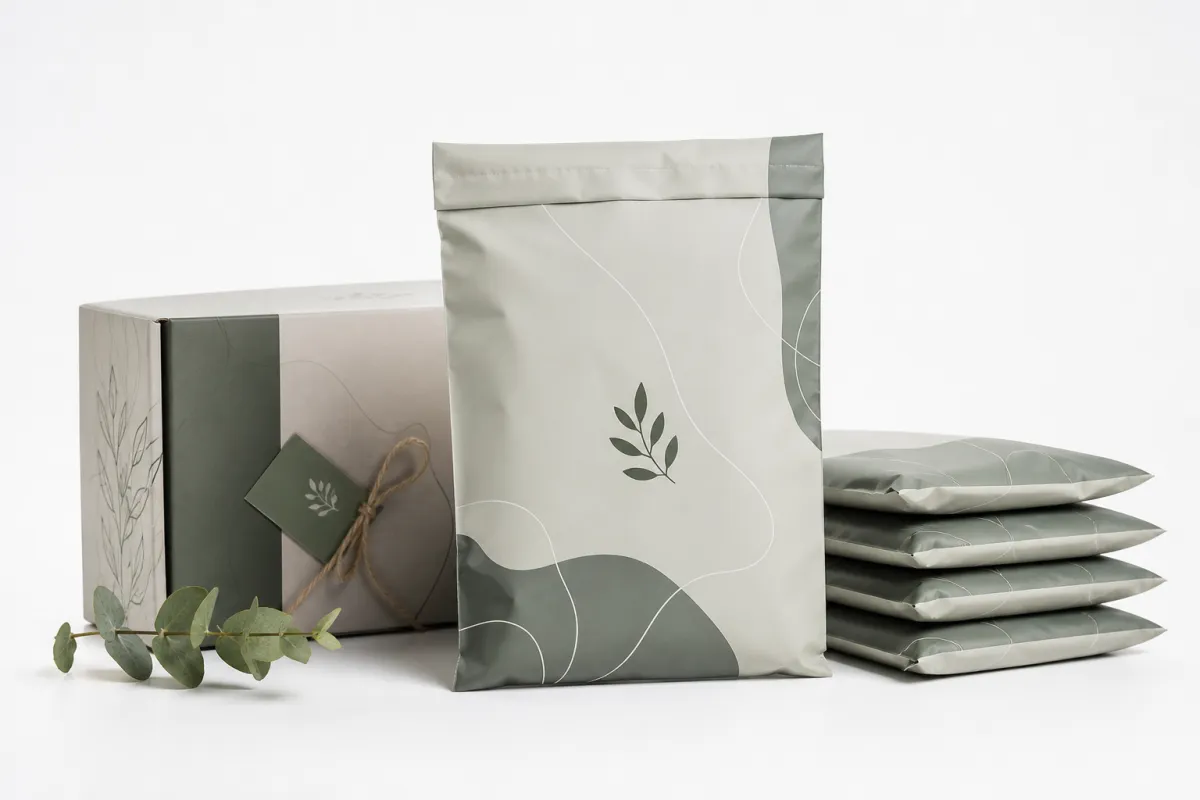
Boxes are familiar, so buyers default to them. They feel sturdy. They feel safe. They also hide waste very well. Custom printed mailer bags wholesale remove a lot of that wasted air, take up less storage space, and move faster on the packing bench. That is especially true for garments, samples, and other flexible items. If the product does not need rigid protection, paying for rigid walls is a strange habit.
Brand presentation is part of the decision too. A plain shipper gets the item there, but a printed mailer gives the package a face. That is where package branding starts earning its keep. The customer sees the bag before the product, and that first impression shows up in unboxing, social posts, and repeat orders. A mailer bag with the right artwork can feel like part of the product rather than an afterthought stuffed into the shipping process.
Custom printed mailer bags wholesale are not a fit for every SKU. Fragile goods, hard goods, and products that crush easily still belong in cartons or in a paired packaging system. Soft goods, lightweight kits, and many accessories usually do fine in a mailer bag. Smart buyers Compare Poly Mailers, paper mailers, and cartons before they commit. That comparison usually makes the right answer obvious.
Inventory stability is the other reason wholesale matters. Small orders create a cycle of scrambling and reordering. One stockout, and the savings from a cheap unit price disappear in the form of overtime, emergency freight, and annoyed staff. With custom printed mailer bags wholesale, procurement can plan ahead, keep a buffer, and stop buying packaging under pressure. I have watched teams do the same frantic reorder dance more times than I care to count, and it never gets prettier.
“The best packaging choice protects the item, fits the packing process, and holds its price when volume shifts.”
Packaging also belongs in the operations bucket, not the design folder. Material choice affects shipping weight, storage density, labor time, and supplier responsiveness. The ISTA test framework is a good reminder that shipping performance should be checked against actual transit conditions, not guessed from a mockup. That thinking fits custom printed mailer bags wholesale perfectly: judge the bag by the trip it has to survive, not by how it looks on a screen.
Sustainability claims deserve the same blunt treatment. A green label does not mean much if the package is oversized or the sourcing story falls apart under procurement review. The EPA’s materials guidance at EPA Sustainable Materials Management points to the obvious truth: waste reduction begins with right-sizing and the right format. For many brands, custom printed mailer bags wholesale cut shipping volume before recycled-content messaging even enters the picture.
Custom Printed Mailer Bags Wholesale Product Details
At the product level, custom printed mailer bags wholesale usually use a flexible film body, sealed edges, and a closure that keeps packing quick. LDPE and LLDPE are the usual starting points, with recycled-content blends showing up when a program needs them. Thickness often lands between 1.5 and 3.0 mil for apparel and light goods, though heavier loads need more material. That range gives buyers room to match the bag to the product instead of paying for unnecessary gauge.
The seal style changes the workflow. Some mailers use a peel-and-seal strip with tamper evidence. Others depend on heat sealing, which can help in higher-volume packing lines. Certain programs add a resealable strip or a second closure for returns, though that is not always worth the extra cost. The point is to choose the closure that fits the operation. In custom printed mailer bags wholesale, every extra feature should justify itself.
Print surface is another detail buyers often underestimate. A glossy finish can make bold color pop, while matte tends to feel more premium and photographs well under indoor light. For branded packaging, either can work. The right choice depends on the brand voice and the print method. A one-color logo on a white or kraft-look film can look clean and sharp. A full-bleed design can be loud in a good way, but it also raises setup expectations and usually raises cost too.
The format works especially well for:
- Apparel orders such as shirts, leggings, scarves, and lightweight outerwear.
- Samples and promotional kits that need a clean, branded exterior.
- Subscription shipments where repeat consistency matters more than rigid protection.
- Return-friendly shipments that benefit from a flexible closure.
- Light accessories that do not justify the cost of custom printed boxes.
Warehouse operations usually improve too. Mailer bags store flat, take less shelf space than cartons, and often let packers move faster because there is less assembly. That sounds small until you watch a team pack several hundred orders a day. Folding a box, adding filler, and taping it shut takes time. Dropping a product into a printed bag and sealing it does not. For custom printed mailer bags wholesale, labor savings are often part of the ROI even when nobody writes them into the quote.
Customer experience matters as well. A properly sized bag creates a cleaner unboxing and avoids the “tiny item floating in a giant box” problem that makes a brand look sloppy. Buyers read fit as a signal. If the outer package looks intentional, the whole order feels more credible. That is the kind of detail people remember, even if they do not talk about it out loud.
Specifications That Decide Performance
Specification discipline decides whether custom printed mailer bags wholesale perform or just look good in a sample photo. Material type, film thickness, dimensions, print method, adhesive quality, and tear resistance all affect the final result. A quote without those details is not really a quote. It is a guess with a price tag.
Material type changes durability and print behavior. LDPE is common because it balances flexibility and cost. LLDPE can improve puncture resistance. Recycled-content film may support sustainability goals, but buyers should confirm that it still meets strength requirements and that print quality holds up. The best material for custom printed mailer bags wholesale is usually the one that passes transit needs at the lowest practical thickness, not the one with the loudest pitch deck.
Film thickness is one of the easiest ways to control cost without wrecking function. A 2.0 mil bag can work for lightweight apparel. A 2.5 or 3.0 mil option often makes more sense when the contents have sharp edges, zippers, or heavier folds. If the bag tears during packing, the savings vanish. If the bag is thicker than needed, the brand pays for resin and weight it never uses. Both problems are avoidable if the spec matches the product.
Dimensions matter because too much space creates dead air and too little space creates pack-out friction. Common sizes for custom printed mailer bags wholesale include 9 x 12, 10 x 13, 12 x 15.5, and 14 x 19 inches, though custom dimensions are worth considering when the product folds oddly or the kit includes inserts. Fit is not only about appearance. A bag that fits properly can reduce returns caused by movement inside the package. I have seen a “close enough” size turn into wrinkled product, bent inserts, and a pile of complaints nobody planned for.
Artwork Setup That Prevents Expensive Errors
Artwork is where many teams stumble. Logo placement, bleed, and color count need to be settled before production starts. Full-bleed print needs edge tolerance baked into the design because registration issues become obvious fast. A small logo in one corner needs line art crisp enough to print cleanly at scale. In custom printed mailer bags wholesale, a sloppy proof can turn into an expensive mistake.
Print coverage affects cost more than many buyers expect. A one-color logo on plain film is usually the least expensive route. A multi-color design or a full-surface print can push the quote up because setup, plates, and inspection time all rise with complexity. That does not mean buyers should play it safe forever. It means the art should fit the budget and the order size. A strong design has to hold up across thousands of bags, not just in a render.
- Confirm the exact bag size in inches or millimeters.
- Choose whether the film should be clear, white, metallic, matte, or color-tinted.
- Set print count and specify PMS or CMYK expectations if color matching matters.
- Ask for adhesive strip details, especially if tamper evidence is required.
- Request a proof that shows logo position, bleed, and safe area.
- State whether the bag must meet any transit test or retail packaging requirement.
A good checklist makes supplier comparison easier. It strips out vague language and forces every vendor to quote against the same facts. That matters with custom printed mailer bags wholesale because two suppliers can offer similar unit prices while using different film thicknesses, adhesive systems, or overrun policies. Without aligned specs, the comparison is junk.
Quality control deserves attention too. Buyers should ask how samples are approved, how defects are counted, and what tolerance applies to size variation. If a bag is sold as 10 x 13 inches, is that an exact finished size or a nominal one? Does the supplier allow a 5 percent overrun or a 10 percent one? Those details decide whether the order lands cleanly or turns into a dispute nobody wanted.
Custom Printed Mailer Bags Wholesale Pricing and MOQ
Price gets the first question, but it should not get the last word. Custom printed mailer bags wholesale pricing depends on a handful of variables: size, film gauge, print complexity, order volume, and whether the bag is stock or fully custom. The easiest way to save money is often to keep dimensions close to a standard footprint and print only what the brand actually needs.
MOQ, or minimum order quantity, changes from supplier to supplier. A lower MOQ helps launch programs and seasonal tests, but the unit price usually climbs because setup costs are spread across fewer bags. That is normal. What buyers should not do is pretend low MOQ and wholesale pricing are the same thing. They are different animals.
Here is a practical comparison for custom printed mailer bags wholesale orders at roughly 5,000 pieces. The numbers are indicative only; real quotes will vary by size, print coverage, material source, freight, and proofing requirements.
| Option | Typical Spec | Approx. Unit Price | Best For | Main Tradeoff |
|---|---|---|---|---|
| Stock-size plain mailer | 2.0 mil LDPE, no print | $0.10-$0.16 | Pure utility shipping | Lowest branding impact |
| Stock-size one-color logo | 2.0-2.5 mil, single imprint | $0.14-$0.22 | Apparel and subscription orders | Limited design complexity |
| Custom size multi-color print | 2.5-3.0 mil, full-color artwork | $0.22-$0.38 | Strong package branding | Higher setup and proofing effort |
| Recycled-content printed mailer | 2.0-3.0 mil, recycled blend | $0.18-$0.34 | Sustainability-led programs | Requires strength verification |
That table shows the basic pattern. Higher volume usually lowers unit cost, but only to a point. If the design changes every quarter, the savings can disappear into repeat tooling or reproofing. Ignore freight, and the quote that looks cheap on paper may not stay cheap once the bags are on a truck. For custom printed mailer bags wholesale, the real comparison includes freight, sample charges, tooling, and the supplier’s replacement policy for defects.
Short-run economics deserve a look too. A short run may cost more per unit, but it reduces inventory risk for a first launch. A wholesale run lowers average unit price and improves predictability once sell-through is proven. The right answer depends on forecast confidence. If the brand expects repeat orders, custom printed mailer bags wholesale usually become more attractive as soon as the volume settles down.
Some buyers ask whether they should just move to custom printed boxes for the branding upside. That depends on the product. Boxes are stronger for fragile or premium hard goods. Bags usually win for apparel and soft goods. If the item can ship safely in a bag, a box may just be paying for structure the product does not need. Packaging should fit the product, not the ego of the packaging.
Process and Timeline for Custom Printed Mailer Bags
The ordering process for custom printed mailer bags wholesale is easy enough when the buyer shows up with the right inputs. It starts with a quote request that includes bag dimensions, material preference, print count, closure type, and target quantity. Once those details are set, the supplier can return pricing, MOQ, and lead time without a bunch of back-and-forth. Good briefs get good quotes.
Artwork comes next. Missing dielines, low-resolution logos, and unconfirmed color standards can slow the whole run down. A clean vector file is usually the best choice because it holds sharp edges at scale. If the brand has exact color requirements, those need to be shared before proof approval. In custom printed mailer bags wholesale, fixing artwork after approval can add days and sometimes extra cost. Nobody loves paying to fix something that should have been caught on the first pass.
A Simple Timeline Snapshot
- Week one: Confirm specs, request quote, send artwork, and review sample or digital proof.
- Production window: Material sourcing, print setup, printing, curing, and inspection, often 12-15 business days after proof approval for simpler runs.
- Final stage: Packing, palletizing, freight booking, and delivery, with extra time for peak season or custom dimensions.
That timeline gets longer when the order uses unusual sizing, multiple print passes, or specialized film. It also gets longer when the buyer sits on proof approval. A lot of the delay in custom printed mailer bags wholesale is avoidable. Somebody missed a file, failed to confirm a color, or forgot that freight takes time. None of that is mysterious.
Simple printed mailer orders usually move faster than highly customized formats. Custom sizes and multi-color artwork add time. That is normal. The useful habit is to build the launch calendar backward from the in-stock date, not the order date. Seasonal release? Retail drop? Add buffer for sampling and freight. Early arrivals are boring. Late arrivals are expensive.
Quality checks should happen before shipment, not after the warehouse receives the pallets. Ask whether the supplier checks seal integrity, print registration, size tolerance, and carton counts. A solid wholesale program documents those checks. For custom printed mailer bags wholesale, documentation is often what keeps a normal order from turning into a headache.
Why Choose Us for Custom Printed Mailer Bags Wholesale
For buyers comparing suppliers, the best promise is not hype. It is consistency. A strong custom printed mailer bags wholesale partner should quote clearly, confirm specs quickly, and keep communication steady from sampling through shipment. Packaging buyers are not buying bags alone. They are buying reliability when the schedule gets tight.
Custom Logo Things is built around that reality. The value is practical: a broad view of product packaging options, attention to packaging design, and support for wholesale programs that need repeatable output. Buyers comparing packaging lines can also review Wholesale Programs and Custom Packaging Products to see how a mailer program fits into broader sourcing plans. If a team is weighing bag formats, Custom Poly Mailers are a useful reference point because they show how mailer-based shipping can scale without adding unnecessary complexity.
What should a buyer look for in a supplier? Clear specifications. Repeatable print quality. Honest lead times. Basic stuff, yet plenty of suppliers still fumble it. Vague timelines create planning problems. Weak proofing creates rework. Inconsistent film weight creates complaints from warehouse staff who spot the issue before finance does.
A proof-oriented approach helps here. Instead of asking buyers to trust a brochure, the better move is to show what can be verified in samples, approval files, and order documentation. That includes dimensions, film thickness, adhesive behavior, and print placement. Those are the facts that matter in custom printed mailer bags wholesale because they affect packing performance and the customer-facing result.
Repeat wholesale cycles matter too. If one quarter looks different from the next, the supplier should be able to adjust volume planning without changing the look or construction of the bag. That is useful for brands that want consistent branded packaging across campaigns, promotions, and everyday shipping. The package should feel like the same brand even when the order size changes.
Risk lives in the details. A low price can hide thin film, limited print options, or fuzzy overrun terms. A polished sample can hide slow follow-through. The stronger supplier answers the awkward questions upfront. In wholesale packaging, that is often what separates a smooth replenishment program from a constant firefight.
Next Steps for Ordering Custom Printed Mailer Bags Wholesale
If you are putting together a quote request for custom printed mailer bags wholesale, start with the basics and make them specific. Confirm the final bag size, material preference, print count, closure type, and target quantity. Add the launch date if the order has one. The more exact the brief, the more useful the quote will be.
- Prepare logo artwork in vector format if possible.
- List brand colors and whether a PMS match is required.
- Share intended product weight and any sharp edges or accessories.
- State whether the bag must support returns or tamper evidence.
- Ask for a sample, digital proof, or pre-production proof before volume approval.
That sample step matters more than many buyers expect. Color can shift, gloss can read differently under light, and a bag that looked perfect on screen may feel too thin in hand. A sample or proof catches those problems before the larger run starts. In custom printed mailer bags wholesale, a little review time now can save a bigger correction bill later.
It helps to compare three things side by side before placing the order: specifications, lead time, and pricing. Unit cost only tells part of the story. If the cheapest quote also has the thinnest film or the longest delivery window, it may not be the best value. For many brands, the right decision balances cost with packing speed and repeat consistency.
Once the details are locked, the program gets easier to scale. The warehouse knows what is coming. The buyer knows what it costs. The customer sees packaging that feels deliberate instead of improvised. That is the real value of custom printed mailer bags wholesale: predictable economics, cleaner presentation, and a shipping format that supports the brand instead of dragging it around.
For a procurement team that wants control instead of guesswork, custom printed mailer bags wholesale are worth comparing against boxes, paper mailers, and stock poly options on the same sheet. Compare specs, compare lead times, compare freight, and compare the labor behind each format. Then pick the format that fits the product, the packing line, and the budget you can defend next quarter. That is the part that actually matters.
What materials are best for custom printed mailer bags wholesale orders?
Pick the material based on product weight, moisture exposure, and branding goals. LDPE is common because it is flexible and cost-effective, while thicker films improve puncture resistance. Recycled-content options can support sustainability targets, but buyers should confirm strength and print performance before committing to a full run.
What is the typical MOQ for custom printed mailer bags wholesale?
MOQ depends on size, print method, and whether the bag is stock or fully custom. Lower minimums usually cost more per unit because setup costs are spread across fewer bags. Ask each supplier for MOQ by color, size, and artwork complexity so you can compare quotes on equal terms.
How long does production usually take after artwork approval?
Lead time depends on proof approval, material availability, and print queue volume. Simple orders may move faster, while custom sizes or multi-color artwork usually take longer. Build in extra time for sampling and shipping if the bags are needed for a launch or seasonal campaign.
Can I print more than one color on custom printed mailer bags wholesale orders?
Yes, but the print method and setup cost will affect Pricing and Lead time. Multi-color artwork may require tighter proofing to keep logos, type, and backgrounds aligned. Request a pre-production proof if color accuracy is important to your brand.
How do I compare quotes for custom printed mailer bags wholesale beyond unit price?
Check material thickness, print quality, closure type, shipping cost, and any setup or sample charges. Confirm whether the quote includes overrun tolerance, packaging format, and replacement policy for defects. A cheaper quote can cost more later if it uses thinner film, weak adhesive, or unclear delivery terms.

