Why custom poly bags matter more than they look
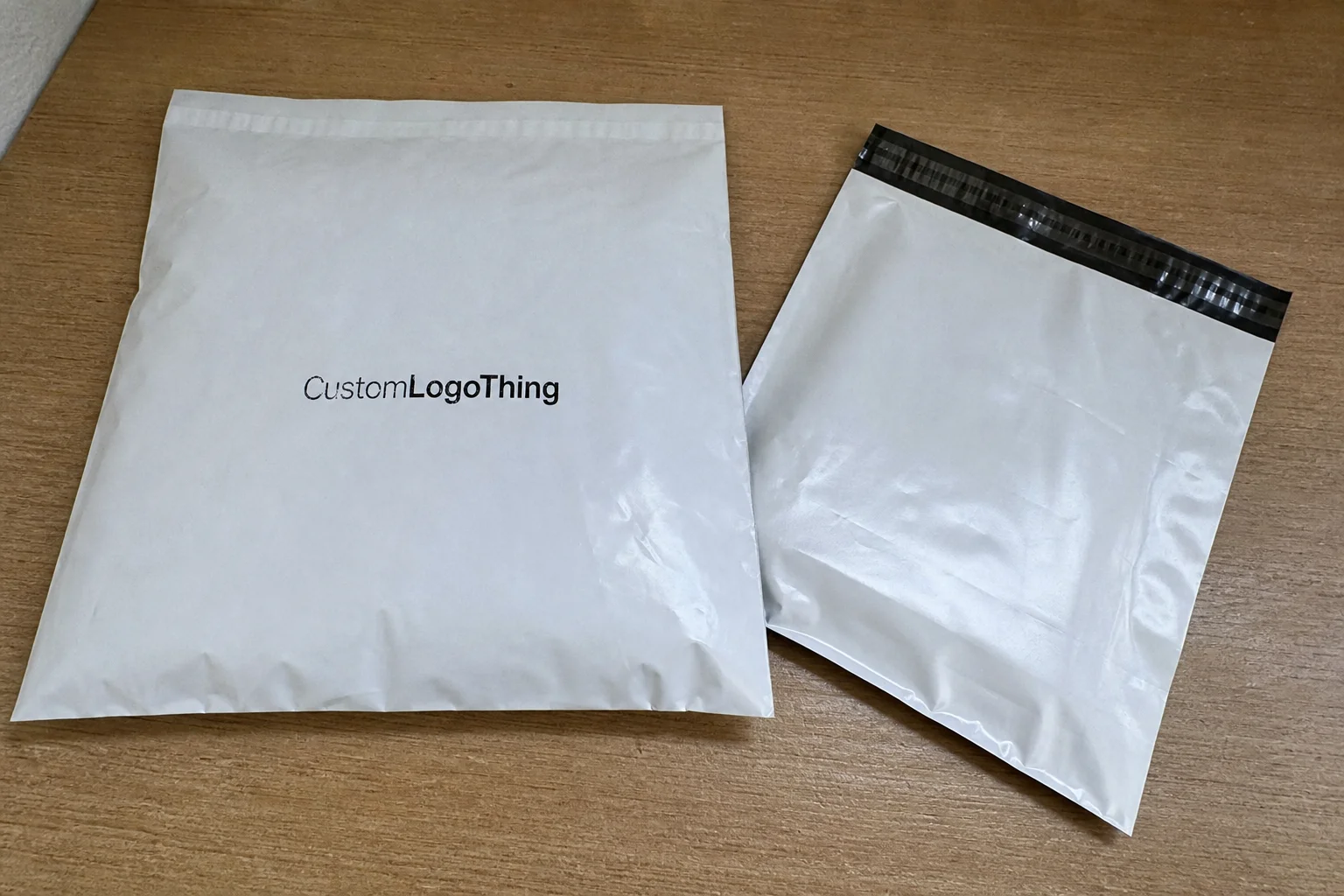
A poly bag may be the least expensive item in a shipment, yet it is often the first surface a buyer sees when a carton is opened. That contrast is why Custom Printed Poly Bags b2b sourcing deserves more attention than many procurement teams give it. One weak seal or one muddy logo can make the entire package feel cheaper than it should.
From a packaging buyer’s point of view, the problem is straightforward and irritating: keep unit cost low while protecting the product and presenting the brand cleanly. A bag that tears in transit or prints with washed-out type does not just look poor. It can trigger returns, rework, and complaints about product packaging quality. In many categories, the bag also plays a role in retail packaging compliance, shipping protection, or fulfillment speed.
Custom Printed Poly Bags are polyethylene packaging films printed with a logo, message, barcode, warning copy, or brand pattern. They show up in e-commerce, industrial supply, apparel, food-adjacent packaging, promotions, and contract packing. In practice, they sit between branded packaging and functional protection. That means the buyer is not just buying a bag. The buyer is balancing minimum order quantities, brand consistency, warehouse handling, and transit risk.
That tension explains many sourcing mistakes. Buyers treat the bag as a commodity, then discover that print clarity, gauge, and seal reliability are not interchangeable. A 2 mil LDPE bag and a 4 mil bag can look similar in a PDF and behave very differently in the line, in storage, and in the final shipment.
How the sourcing and production process works
The workflow is more structured than it first appears. A typical order starts with a spec request, then moves into artwork review, prepress, proofing, film selection, printing, sealing, inspection, and shipment. If a supplier converts from raw film, there may also be extrusion or stock film selection before printing begins. Each step affects the next one. Miss a dimension, and the proof stalls. Miss a color spec, and production slows while approvals get sorted out.
Buyers often lose time in the same few places. Artwork is submitted without a correct dieline. Pantone expectations are vague. The bag style is not fully decided, so the supplier keeps waiting on whether the order should be flat, gusseted, or reclosable. In Custom Printed Poly Bags b2b sourcing, the time sink is rarely the press itself; it is the back-and-forth before the press ever runs.
There are a few common print methods. Flexographic printing is widely used for moderate runs because setup can be efficient and repeatability is strong once the plates are right. Rotogravure makes sense for larger quantities and more demanding image quality, but cylinder costs are higher. Digital options exist in some markets, but for poly bags they are usually less competitive at scale, especially when thicker film or high output is required.
Ordering from a manufacturer or converter is not the same as buying stock inventory. You are reserving production time, print plates or cylinders, and materials that may be tied to a specific lead-time window. That is why an RFQ should read like a mini production brief, not a general inquiry.
A good spec sheet saves more money than aggressive haggling. If the supplier has to guess, the quote usually carries a risk premium.
Key specs that affect cost, performance, and branding
Material choice is where many buyers underestimate performance differences. LDPE gives a softer feel, better clarity in many applications, and good flexibility. HDPE tends to be crisper, lighter, and more cost-sensitive, but it can feel noisier and less supple. Recycled-content films are increasingly common, but the exact performance depends on the blend, the source stream, and how much post-consumer or post-industrial content is included.
For clarity, stretch, and puncture resistance, the right film depends on the product. Apparel and light accessories often work well in thinner, clear LDPE. Sharp-edged hardware, heavy parts, or bundle packs may need a heavier gauge or a different structure. If the bags are part of warehouse handling, think about slip, sealing temperature, and how often workers open and close the bag during packing.
Bag format matters too. Flat poly bags are simple and economical. Gusseted bags expand for bulkier products. Wicketed bags help speed high-volume packing lines. Reclosable styles add utility, especially where the end user opens the package repeatedly. Header bags and headerless variants can change both retail presentation and line handling. These are not cosmetic choices; they alter throughput and usability.
Here is the practical part buyers should watch: thickness, print coverage, number of colors, bag size, and closure style all pull on cost in different ways. Larger print areas use more ink and can slow setup. Thicker film increases resin usage. More colors usually mean more plates, more checks, and more room for color drift. Closure style affects both the material bill and the packing method.
| Option | Typical fit | Tradeoff | Common buyer use case |
|---|---|---|---|
| Flat LDPE bag, 2-3 mil | Light to medium items | Lowest cost, moderate protection | Apparel, inserts, promotional kits |
| Gusseted bag, 3-4 mil | Bulkier products | More material, better volume capacity | Hardware, parts, folded goods |
| Wicketed bag, 1.5-3 mil | High-speed packing | Higher setup, faster line efficiency | Fulfillment, food-adjacent non-contact packs |
| Reclosable bag, 2-4 mil | Repeated opening | More expensive, better user convenience | Samples, resale kits, component packs |
For buyers comparing custom printed boxes versus poly bags, the question is not which is better. It is which one fits the product risk, brand story, and shipping profile. A rigid carton may project more premium value. A printed bag may reduce cost and cube while still supporting package branding. The right answer often depends on whether the bag is doing the work of presentation, protection, or both.
Custom printed poly bags b2b sourcing: cost, MOQ, and quote drivers
Pricing for Custom Printed Poly bags b2b sourcing usually moves in predictable ways. Volume is the biggest lever. Print colors matter. Bag dimensions matter. Gauge matters. Print side count matters. Special features such as zipper closures, hang holes, or euro slots can shift the price again. If you want a fully custom size with a multi-color print, the quote will not look like a stock bag order.
For smaller production runs, minimum order quantities can be manageable, but the unit economics often bite back. Setup costs are spread over fewer pieces, so the per-bag price rises quickly. It is common to see a meaningful difference between 5,000 pieces and 25,000 pieces, even when the bag spec stays the same. As a rough market pattern, a simple printed bag may land around $0.18-$0.28 per unit for 5,000 pieces, while larger runs can price lower per unit depending on print coverage and film type. That is not a promise; it is a useful benchmark for early sourcing discussions.
Comparing quotes is where many teams lose money. Two vendors may both say “3 mil printed poly bag,” but one includes plates, one excludes freight, one uses a different film blend, and one is quoting a lighter gauge that looks similar but performs worse. For an apples-to-apples comparison, confirm the film type, thickness, print method, bag dimensions, freight terms, and whether tooling or plates are included.
Hidden costs show up faster than many teams expect. Rush fees can apply when the schedule is compressed. Artwork cleanup may be billed if files are not press-ready. Sample production may be charged separately. If the spec is incomplete and the first run is wrong, replacement costs can destroy the savings that looked attractive on paper. Smart sourcing is less about chasing the lowest quote and more about reading the quote structure.
If you are building a broader procurement program, it can help to compare bags against other formats such as Custom Packaging Products and Custom Poly Mailers. In some programs, standardizing across formats reduces approval work and simplifies purchasing.
Process, timeline, and lead time: what buyers should expect
A realistic timeline usually starts with RFQ, then artwork submission, proofing, sample approval, production, inspection, and shipping. If all the inputs are clean, some orders move fast. If the design team is still debating copy, or if the supplier needs new plates and size confirmation, the timeline stretches. A typical order often takes 12-15 business days from proof approval for standard configurations, though that varies with print complexity and factory load.
What shortens lead time? Ready artwork in the correct format. Standard sizes. Fewer print colors. A supplier that handles prepress and printing in-house. Clear delivery instructions. When the brief is tight, the process feels orderly rather than chaotic.
What extends turnaround? Custom sizes, specialty films, multiple approval rounds, color matching, and packing requirements that need special carton or pallet instructions. Seasonal congestion can also slow a job even when the order itself is simple. Freight mode matters too. Air shipment can save time, but the landed cost climbs quickly.
Ask for milestones, not just a ship date. That sounds basic, but it keeps procurement aligned with launch plans, warehouse staffing, and downstream packaging design work. If the supplier can tell you when proof approval is due, when plates will be made, and when production is scheduled, you can manage internal dependencies more effectively.
For teams that care about durability testing, it helps to ask whether the supplier references any recognized standards or test methods. Packaging testing often draws from ISTA protocols for transit performance and ASTM methods for film properties. For sustainability claims, FSC matters more for fiber-based materials than for poly film, but it still helps to understand the broader packaging system. Useful references include ISTA, ASTM, and EPA packaging and waste resources.
Common sourcing mistakes that create waste or delays
The most common error is approving artwork before confirming the actual bag size. That sounds almost too basic, yet it happens constantly. Artwork can look perfect on screen and fail once it is mapped onto the true dimensions. Another frequent miss is ignoring gauge requirements. A bag that protects a lightweight item may fail completely when used for a heavier or sharper product.
Vague RFQs cause trouble too. If the supplier does not know the use case, the print finish, the quantity range, or whether the bags are for fulfillment or retail presentation, the quote is built on assumptions. That creates price noise and increases the chance of rework. Good suppliers can help, but they should not have to reverse-engineer the packaging program.
Color expectations deserve special attention. Digital proofs are useful, but they are not a final production match. Ink behavior changes on film. Transparency changes perception. Light conditions change how a logo reads. Buyers should ask how the supplier handles color tolerance, what proofing method is used, and whether a sign-off sample is available for more sensitive brand work.
Logistics mistakes are just as costly as print mistakes. Ordering without transit buffer is risky. Failing to confirm palletization can create receiving problems. Skipping a test run is a bad idea if the bag will be used on a fast line or with a fragile product. For demanding applications, even a simple ASTM or internal drop test can reveal issues before a full order ships.
Another frequent problem is designing for appearance only. A glossy finish may photograph well and still scuff during packing. A tight fit may reduce void space but make loading slow. If a bag is going to be heat sealed, the seal area should be considered part of the functional design, not an afterthought. The cheapest bag on paper can become the most expensive one once labor, waste, and rejects are counted.
Expert tips for cleaner vendor comparisons and better results
Create a one-page spec sheet before you request pricing. Keep it direct: bag size, film type, gauge, print area, color count, quantity, closure, and delivery target. If you can add product weight, storage conditions, and whether the bag is for retail display or protective packaging, even better. A precise brief shortens the sales cycle and makes vendor quotes easier to read.
Ask for samples or similar-production references when you switch suppliers. You are not asking for a promise; you are checking whether the supplier has handled a similar gauge, print density, or bag format before. If the bag is part of a branded packaging program, this step becomes even more valuable because visual consistency matters across runs.
Compare total landed cost, not just unit price. Freight, duties, samples, plates, and rework risk can change the real number more than people expect. One quote may look lower until the shipping line is added. Another may include tooling and be cheaper overall. The only fair comparison is the full cost to your dock.
Standardize where you can. If three SKUs can share the same bag structure with different printed copy panels, the purchasing team gets a cleaner system. That can improve repeatability and reduce approval work. It also helps if you are coordinating bag sourcing with other formats tied to broader packaging procurement.
If you manage multiple categories, think across the full mix of custom printed boxes, mailers, and bags. Procurement teams that see each item as an isolated purchase usually pay more in admin time. Teams that standardize dimensions, print expectations, and approval workflows tend to move faster and make fewer mistakes.
Next steps: build a sourcing brief that gets accurate quotes
The cleanest way to approach custom printed poly bags b2b sourcing is to treat the first inquiry like the start of production, not a casual request for pricing. Finalize the specs. Gather the artwork. Define the quarterly or annual volume if you have it. Decide your delivery window before you contact suppliers. The better the brief, the fewer surprises in production and the final shipment.
Send suppliers the basics in the first message: size, film type, thickness, print colors, quantity, closure style, artwork file format, and shipping destination. If you know the product weight, storage conditions, or whether the bag must look retail-ready, include that too. Those details help the supplier quote the right structure instead of guessing.
If possible, ask for two options: one optimized for the lowest unit cost and one optimized for shorter lead time or lower MOQ. That comparison often clarifies the real tradeoff better than three generic quotes. It also gives you a practical sense of where flexographic printing or stock film can save time, and where a fully custom spec is worth the extra spend.
Custom printed poly bags are not glamorous. They are also not trivial. They sit between brand presentation, product protection, and logistics discipline. Buyers who treat them as strategic packaging instead of filler stock usually get better pricing, cleaner production, and fewer last-minute headaches. In that sense, smart custom printed poly bags b2b sourcing is really about clarity, not complexity.
FAQ
What details do I need for custom printed poly bags B2B sourcing quotes?
Include bag size, material type, thickness or gauge, print colors, artwork file format, quantity, closure style, and shipping destination. If possible, add product weight, storage conditions, and whether the bag is for retail display or protective packaging.
How do MOQ and unit cost usually change for custom printed poly bags?
Higher volumes usually lower unit cost because setup expenses are spread across more bags. Smaller runs are possible, but plate, setup, and color-match costs often make the per-bag price much higher.
What affects the lead time for custom printed poly bags most?
Artwork readiness, proof approval speed, print method, number of colors, and whether the supplier needs new tooling or plates are the biggest factors. Freight mode and seasonal congestion can also change the timeline.
How can I compare quotes from different poly bag suppliers accurately?
Check whether each quote uses the same film, thickness, print method, size, and quantity. Confirm whether setup charges, plates, freight, sampling, and taxes are included so you compare total landed cost.
What are the most common quality issues to watch for in printed poly bags?
Weak seals, inconsistent thickness, off-color printing, artwork misalignment, and poor puncture resistance are the most common problems. Request samples, proofing details, and any available quality inspection standards before placing a production order.


