Buyer Fit Snapshot
| Best fit | Custom Printed Shipping Cartons projects where brand print, material claims, artwork control, MOQ, and repeat-order consistency need to be specified before quoting. |
|---|---|
| Quote inputs | Share finished size, material target, print colors, finish, packing count, annual reorder estimate, ship-to region, and any compliance wording. |
| Proofing check | Approve dieline scale, logo placement, barcode or warning zones, color tolerance, closure strength, and carton packing before bulk production. |
| Main risk | Vague material claims, crowded artwork, missing packing details, or unclear freight terms can make a low unit price expensive after revisions. |
Fast answer: Custom Printed Shipping Cartons: Board, Finish, Dieline, and Unit Cost should be specified like a repeatable production item. The safest quote records material, print method, finish, artwork proof, packing count, and reorder notes in one written spec.
Production checks before approval
Compare the actual filled-product size with the drawing, then confirm tolerance on folds, seals, hang holes, label areas, and retail display edges. Reserve space for logos, QR codes, warning copy, and material claims before decorative graphics fill the panel.
Quote comparison points
Review material grade, print process, finish, sampling route, tooling charges, carton quantity, and freight assumptions side by side. A quote is only useful when the supplier can repeat the same color, closure quality, and packing count on the next order.
Custom Printed Shipping Cartons look simple from a distance. Then the first damaged order comes back, the product has shifted in transit, and the clean-looking box turns out to be carrying a lot less protection than anybody hoped. I have seen that pattern enough times to know the print is rarely the real problem. The trouble usually starts with the wrong board, the wrong size, or a pack-out that sounded fine in theory and felt shaky in practice.
For ecommerce shipping, a carton has to do three jobs at once: protect the contents, keep fulfillment moving at a decent pace, and present the brand in a way that feels intentional instead of leftover. That balance is the whole ballgame. Custom Printed Shipping cartons are not just about looking polished on a doorstep; they help reduce wasted filler, control dimensional weight, and keep the shipment intact from the warehouse to the customer’s hands.
The strongest carton is usually not the flashiest one. It is the one that fits the product correctly, survives the bumps and drops of parcel handling, and prints cleanly without paying for decorative extras nobody needs. That sounds plain, but plain is often what saves money.
Custom Printed Shipping Cartons: Why They Matter
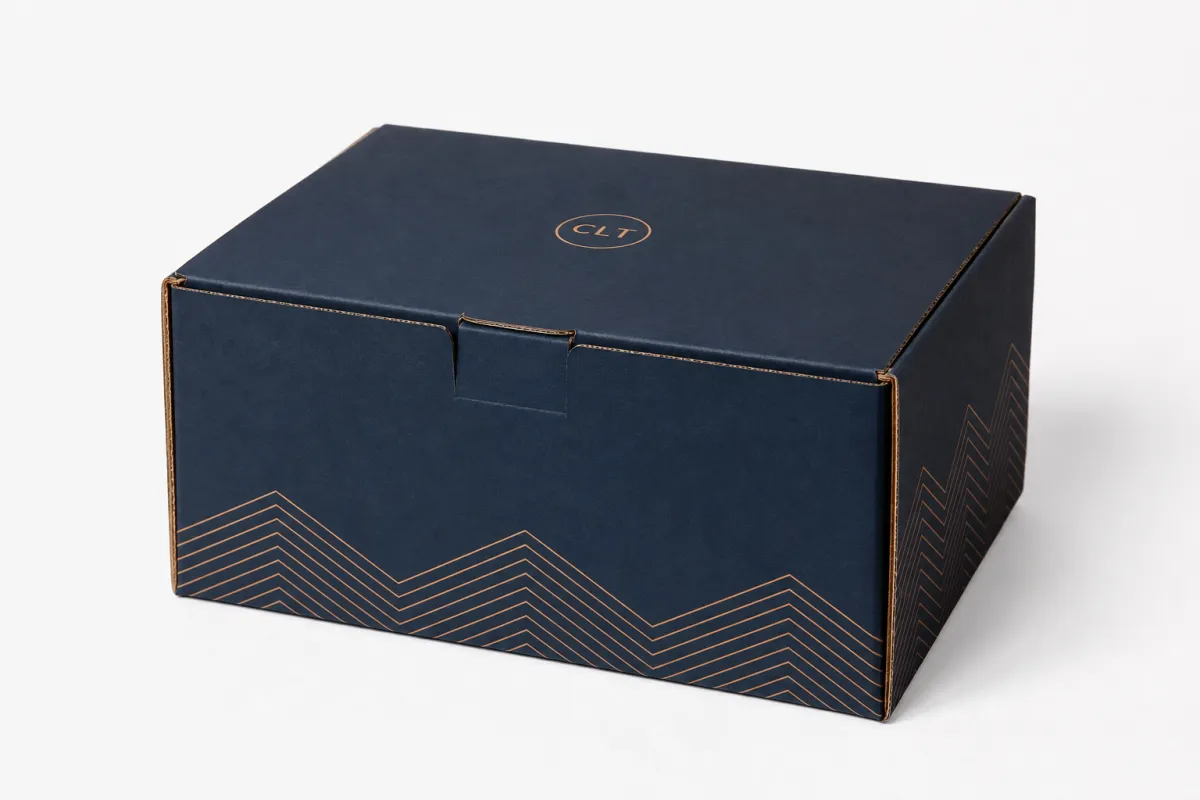
Most teams start with the artwork and only later ask whether the box itself is doing its job. That order tends to create avoidable headaches. Custom Printed Shipping Cartons sit right where protection, branding, and freight economics overlap. A half-inch mistake in dimensions can push a shipment into a larger carton, add void fill, and nudge dimensional charges higher. That is not a design quirk. That is a cost leak.
In practical terms, custom printed shipping cartons are corrugated shippers built around the product, the packing method, and the kind of experience you want the customer to have when the package arrives. Some are simple kraft shippers with one logo color. Others use inside print, spot coating, or a more complex construction. Most brands do not need every option under the sun. They need the right box style, the right board grade, and a print plan that matches their order volume.
The jobs are easy to list and easy to get wrong:
- Protect contents: The carton should handle drops, vibration, stacking, and rough handling without letting the product bounce around.
- Reduce void fill: Better sizing means fewer air pillows, fewer inserts, and less material spent just filling space.
- Support unboxing: Clean print, clear branding, and a tidy closure make the package feel planned instead of accidental.
- Control shipping cost: Right-sized cartons help keep dimensional weight and overpack charges from creeping upward.
From the packaging buyer’s side, the smartest carton is not the prettiest one. It is the one that performs in the actual shipping environment, which includes warehouse storage, route bumps, heat, cold, stacking pressure, and the general unpredictability of parcel networks. If the box has to do more than carry ink, it should be specified like a shipping component, not treated like a marketing prop.
Custom printed shipping cartons can also cut packaging waste because the box itself becomes the brand carrier. That matters if you are trying to simplify the pack-out. Instead of layering a printed sleeve, a sticker, tissue, and a separate outer shipper, one well-designed carton can carry the message while doing the structural work. That kind of consolidation can make a program easier to manage, and honestly, a little less fussy.
The prettiest carton in the room is still a bad buy if it dents before it arrives.
If you are comparing carton formats alongside other branded packaging options, it helps to look at the rest of the lineup too. A coordinated set may include a shipper, an insert, and lighter-touch pieces like Custom Packaging Products for items that do not need full-box treatment. Not every SKU deserves the same level of print coverage. Good packaging design earns its keep by matching the box to the job.
How Custom Printed Shipping Cartons Work
Custom printed shipping cartons start with structure, not graphics. The board grade, flute choice, box style, and closure method set the performance ceiling before print ever enters the picture. If the board is too light, the carton collapses under load. If the flute choice is off, a sample can look fine on the table and behave like a paper tray in transit. That part trips people up more often than they’d like to admit.
The build usually comes down to four pieces. First, the corrugated board: often single-wall for many consumer items, double-wall for heavier goods, and specialty constructions for products that need extra strength. Second, the flute, which changes crush resistance, stiffness, and print surface quality. Third, the dieline, which defines dimensions, glue tabs, folds, and closure. Fourth, the print and finish, which determine how the branding appears on the board.
Print method matters more than many buyers expect. Flexographic printing is usually the practical workhorse for larger runs of custom printed shipping cartons. It is efficient, durable, and cost-effective once setup is spread across volume. Digital printing fits shorter runs, quick changes, or artwork that needs several versions. Litho-lam delivers a more premium look because a printed liner is laminated to corrugated board, though it adds cost and usually makes more sense for presentation-heavy programs than for plain shipping duties.
That tradeoff is why a simple logo can sometimes outperform a fully covered box. A one- or two-color mark on the right carton style can look sharp, stay readable on rough corrugate, and keep unit cost under control. Full exterior branding can work too, but it should be justified by the customer experience and the order volume. A brand does not gain points for spending extra to print areas nobody sees.
Artwork handoff is where projects often wobble. The supplier needs the correct dimensions, print zones, dieline file, ink references, and any limits on bleed or safe area. If the logo gets designed before the carton style is confirmed, it can end up clipped, stretched, or sitting too close to a fold. That is an avoidable mistake, and it shows up fast once production starts.
For ecommerce shipping programs, the box also has to work with labels, barcodes, and automation. If the closure area gets covered in print, you may lose a clean label field. If the dimensions are awkward, the fulfillment team spends extra seconds per pack. Multiply that by thousands of orders and it becomes a labor issue, not just a packaging issue. Custom printed shipping cartons should fit the carton assembly process as well as the product.
For brands comparing cartons to lighter mailer formats, some use a mix of carton and bag-based packaging. Others pair the outer shipper with Custom Poly Mailers for products that do not need corrugated protection. That kind of mix-and-match approach is normal. It is also smarter than forcing every SKU into the same box just because the logo looks nice on it.
Custom Printed Shipping Cartons Cost, MOQ, and Pricing Drivers
Custom printed shipping cartons have a pricing structure that is more logical than most quotes make it seem. The main drivers are board grade, box size, print coverage, number of colors, coating, insert complexity, and order volume. Freight and sampling can matter too. If someone hands you a single unit price and nothing else, treat that quote like a half-finished sentence.
Small runs cost more per unit because setup is spread across fewer cartons. That is not a trick. That is manufacturing math. A digital run of 250 to 1,000 cartons can make sense for a launch, but the unit cost will usually be higher than a flexo run at 5,000 pieces or more. Once volume rises, the per-piece price drops because setup and production time are divided across more units.
Here is a practical pricing snapshot for custom printed shipping cartons in common buying scenarios. These are rough ranges, not promises, because size and board thickness can swing the numbers more than people expect.
| Print Method | Typical MOQ | Best For | Rough Unit Cost | Main Tradeoff |
|---|---|---|---|---|
| Digital print | 250-1,000 units | Launches, short runs, versioned artwork | $1.10-$3.50 | Higher unit cost at small volume |
| Flexographic print | 1,000-10,000+ units | Stable SKUs, repeated reorders, simple branding | $0.45-$1.60 | Setup makes tiny runs less efficient |
| Litho-lam | 2,000+ units | Premium presentation, stronger shelf-style branding | $1.80-$4.50 | Higher cost, more lead time, more complexity |
| Stock box plus label | Low MOQ | Testing, temporary programs, fragmented SKUs | $0.30-$1.20 | Less polished than printed board |
MOQ usually follows print method, sheet efficiency, and tooling economics rather than some random factory mood swing. If the carton uses a custom die or a nonstandard size, minimums can rise because the press and cutting equipment need to be set for that job alone. If the size fits existing tooling and the artwork stays simple, custom printed shipping cartons can start lower than many buyers expect.
There is also a difference between unit cost and landed cost. A low per-piece quote can turn expensive once freight, tooling, sample charges, and waste are added. Ask for all of it. Ask for a tiered quote at 500, 1,000, 2,500, and 5,000 pieces if your volume might grow. That makes the comparison honest instead of tidy-looking.
For shipping-heavy programs, compare the carton against the rest of the pack-out stack. If a heavier box saves damage claims but raises freight by twelve cents, that can still be a win. If a lighter box saves two cents but doubles the breakage rate, that is not savings. That is delayed regret.
Custom printed shipping cartons are usually most economical when the spec stays stable, the artwork stays restrained, and the order pattern repeats. If you keep changing dimensions every reorder, expect costs to jump. If you want to see how packaging components fit together across a broader range of formats, review Custom Shipping Boxes alongside your carton spec before locking anything in.
Process and Timeline for Custom Printed Shipping Cartons
The production path for custom printed shipping cartons is simple on paper and a little messy in real life. The usual flow is: gather dimensions, confirm board grade, build or review the dieline, prepare artwork, approve proof, run samples if needed, then move into production. If any one of those steps is weak, the schedule gets longer.
Time usually disappears in the same places. Missing product dimensions create rework. Bad logo files slow proofing. Last-minute size changes can force a new dieline. Sample approval gets delayed because someone in marketing wants to tweak copy after the carton is already halfway through quoting. That is how a ten-day job turns into a three-week headache.
For digital runs of custom printed shipping cartons, a realistic timeline is often 7-12 business days from final proof approval, assuming the supplier already has the board in house and the artwork is clean. Flexographic jobs often take 12-18 business days because of setup and production scheduling. If the carton uses custom tooling, premium finishing, or a large reorder volume, 3-5 weeks is a more honest planning window.
That timeline should be tied to your launch calendar early. If the carton needs to fit inventory trays, shipping totes, or subscription kits, it should be spec’d before the rest of the fulfillment plan is frozen. Too many teams plan the product and then treat the carton like an afterthought. The carton affects storage, pack time, and damage risk. It is not decoration; it is part of the system.
Sample approval is the checkpoint that matters most. Not a mood board. Not a render. A real sample. Check the inside dimensions, closure strength, print placement, and how the product sits inside after the full pack-out is assembled. If the lid bows, the logo gets cut by a fold, or the insert rubs against the wall, you have a signal. Fix it now, not after 8,000 units are printed.
In many programs, custom printed shipping cartons also need to fit with other packaging materials like tissue, inserts, or tape. If the secondary packaging changes, the carton spec may need to change too. That is why experienced buyers keep one variable stable at a time. Structural box first, then print, then insert. Not all three, not all at once, and definitely not during the final week before launch.
If sustainability matters in your sourcing, ask whether the board can be sourced with FSC certification and recycled content claims that can be documented. You can verify broader fiber and certification guidance through the Forest Stewardship Council. For shipping performance testing, the ISTA standards are a better reference point than marketing language. Packaging should be tested against actual transport conditions, not just admired on a screen.
Key Factors That Change Performance and Print Quality
Custom printed shipping cartons are judged on two fronts: how well they protect and how well they print. Those two things are linked more than most teams realize. A rough board face can soften fine details. A weak structure can crush corners and make the box look worse after one trip. Print quality does not live in a vacuum.
Board strength is the first choice that changes real-world performance. Single-wall corrugated works for many consumer goods, especially lighter ecommerce shipping items. Heavier SKUs, glass, dense accessories, or long transit lanes may need stronger board or even double-wall construction. You do not need to overbuild every shipment, but you do need enough strength to pass a basic drop and compression test.
Flute selection affects how the carton behaves under load. E flute gives a smoother print surface and a cleaner presentation, which is why it shows up often in retail packaging and lighter shippers. B flute gives better crush resistance. C flute sits in the middle and is common for general shipping performance. BC double wall can handle more abuse, but it also increases cost and bulk. Custom printed shipping cartons should use the lightest structure that still protects the product. That is the sweet spot.
Artwork rules matter too. Heavy ink coverage can show more variation on corrugated surfaces because the board is not perfectly smooth. Thin fonts can break up if they sit across flute lines or rough board texture. Strong contrast helps. So does leaving important elements away from folds, scores, and seams. If the logo needs to stay crisp, do not cram it into the one place where the carton bends most.
Shipping conditions can be brutal in boring ways. Humidity softens board. Long warehouse storage can change compression performance. Temperature swings can affect adhesive performance. Transit vibration can loosen inserts. These are the details that separate a decent carton from one that quietly costs too much. If you are testing custom printed shipping cartons, do a real pack-out and beat it up a little. Better to learn from a sample than from a customer complaint.
Sustainability choices should be practical, not theatrical. Right-sizing lowers material use. Recycled content can reduce virgin fiber demand. Water-based inks and recyclable coatings can help, but they should not interfere with performance. A recyclable box that arrives shredded is not a win. The better move is a carton that is sized correctly, printed cleanly, and sourced with a responsible fiber chain where possible.
Compatibility is the other hidden issue. Tapes need to stick. Labels need a readable area. Barcodes need contrast and a flat enough patch to scan. Automation needs consistent dimensions so the carton feeds predictably through the line. If your order fulfillment system hates the box, the box is wrong. Custom printed shipping cartons have to work with the process, not fight it.
Common Mistakes With Custom Printed Shipping Cartons
The most common mistake is choosing the box by marketing first and protection second. That usually leads to either damage or giant ugly void fill. A carton can look expensive and still be a terrible shipping choice. If the product moves inside the shipper, the brand pays for the lesson twice: once in materials and again in returns.
Another mistake is overprinting. Full-coverage artwork looks impressive in a mockup, but it can raise costs, reduce flexibility for later reorders, and make color matching more difficult across board lots. A restrained print plan often works better for custom printed shipping cartons. One-color logos, one strong message, and enough white space to let the surface breathe can look more premium than a busy box covered edge to edge in ink.
Dimension errors are just as common. People forget inserts. They forget product movement. They forget that the pack-out changes once a real person in fulfillment handles the job fifty times in a row. A carton that fits in a sample but slows packing on the line is not a win. A carton that fits the product but leaves no room for tape closure is also not a win. Custom printed shipping cartons should be checked against the actual packing method, not the nicest rendering.
Quote comparison is another trap. Buyers compare base price and ignore freight, tooling, sample charges, and damage risk. That is how the cheapest carton becomes the most expensive decision on the sheet. If two suppliers are close on unit cost, ask which one provides better sample support, clearer specs, and stronger consistency in reorders. Those details matter more than a penny or two.
Timing mistakes cause the most avoidable pain. Waiting until launch week to approve artwork or request a sample is how projects turn into expensive emergencies. A better habit is to treat carton approval like a production milestone, not a creative side quest. Once the spec is locked, keep it locked unless there is a real operational reason to change it.
Another problem is assuming the carton can fix a bad product package. It cannot. If the inner components shift, if the product is fragile without inserts, or if the closure is weak, no amount of glossy print will save it. Custom printed shipping cartons do best when the product, insert, and outer box are designed together. That is basic packaging discipline, not magic.
Some teams also forget that a carton is part of the overall brand system. If the box says one thing and the insert says another, the package branding feels scattered. If the outer box is premium but the rest of the pack-out is careless, the customer notices. People spot inconsistency fast, even when they do not talk about it in packaging terms.
Expert Tips and Next Steps for Custom Printed Shipping Cartons
Start with a pilot run. Seriously. If the product is new, the fulfillment process is new, or the print method has not been proven on your spec, a smaller order is cheap insurance. Custom printed shipping cartons reveal problems in the real pack-out that are hard to see on a mockup. A pilot of 250 to 1,000 units can save you from a 10,000-unit mistake. That is not a glamorous answer, but it is the one that keeps you out of trouble.
Ask every supplier for three things: a sample, a spec sheet, and a landed quote. The sample tells you how the carton behaves. The spec sheet tells you what you are actually buying. The landed quote tells you the true cost after freight and extras. Without all three, you are making decisions with one eye closed.
Keep the carton structure stable whenever possible. If you need variety, change the print or the insert first, not the core box size. Stable structure makes reorders easier, keeps tooling under control, and reduces surprises in order fulfillment. That is especially true for custom printed shipping cartons used across multiple SKUs. A messy structural lineup gets expensive fast.
Build a simple decision list before you approve anything:
- Product weight: Light, medium, or heavy enough to need stronger board.
- Shipping method: Parcel, mailer, pallet, or mixed channels.
- Brand priority: Quiet utility, moderate branding, or premium presentation.
- Budget ceiling: Unit cost and landed cost both need to fit.
- Reorder speed: How often you will need the same carton again.
That list sounds basic because it is. Basic is useful. Complicated carton specs with vague priorities are how teams end up paying for features they did not need. If the box is shipping-only, do not spec it like Luxury Retail Packaging. If the box is customer-facing, do not spec it like a warehouse tray. Let the job define the carton.
One more practical point: ask where the carton sits in the broader packaging mix. If you need a lighter outer format for some SKUs and a corrugated shipper for others, keep the system coordinated instead of forcing one solution everywhere. That is where custom printed shipping cartons and related formats can work together instead of competing. The goal is not to make every package identical. The goal is to make every package appropriate.
Custom printed shipping cartons pay off when they protect the product first and support the brand second. That order matters. A box that does both well is money well spent. A box that only looks good is just an expensive placeholder with your logo on it. If you are about to spec one, start with the product weight, the actual transit path, and the way the box will be packed on the line. Everything else hangs off those three decisions.
What is the usual MOQ for custom printed shipping cartons?
MOQ depends on print method, board size, and tooling, not just supplier preference. Digital runs can start lower, while flexo and litho setups usually reward larger quantities. Ask whether the MOQ is tied to a design change, a sheet size, or a print setup fee, because that is where the real constraint usually lives.
How much do custom printed shipping cartons cost per unit?
Unit cost depends on size, board grade, print coverage, and order volume. A simple one-color carton can be economical at scale, while premium finishes and small runs push pricing up fast. Always compare unit price, freight, tooling, and sample costs together so the quote is not hiding the real total.
How long does it take to make custom printed shipping cartons?
The timeline depends on artwork approval, dieline changes, print method, and production capacity. Digital production is usually faster, while custom tooling and larger offset-style runs need more lead time. Build in time for sampling, because sample delays are where many schedules break.
Do custom printed shipping cartons need a custom dieline?
Not always, but a custom dieline is common when the product has unusual dimensions or pack-out requirements. A stock-style box with custom print can work if the size and closure already fit the product. Custom dielines become worth it when protection, presentation, or shipping efficiency matters more.
Are custom printed shipping cartons strong enough for shipping?
Yes, if the board grade, flute, and box style are chosen for the product weight and transit conditions. Print does not weaken a properly spec’d carton, but weak board or poor sizing will. Test with real pack-outs and drop conditions before approving the final run, ideally with the same fulfillment method you plan to use in production.
Custom printed shipping cartons work best when the spec is grounded in real product weight, real shipping conditions, and real fulfillment flow. Get those pieces right, and the carton earns its keep instead of pretending to be packaging while quietly causing problems.

