A custom Private Label Caps bulk order is usually a buying decision first and a style decision second. Caps are easy to display, easy to size, and easy to repeat across a line without turning the order into a forecasting headache. That is why they keep showing up in launch assortments, seasonal resets, and gift programs.
The appeal is practical. A cap carries branding without asking for a complicated fit conversation. It sells at a familiar price point. It ships compactly. It also gives a private label program something retail-ready fast, which matters when the rest of the assortment is still being argued over in spreadsheets.
But caps are only easy if the specs are disciplined. A small mistake in crown shape, stitch density, or label placement can make the whole run look off. Buyers who know that usually get better margins, fewer reworks, and a cleaner result on shelf.
Why Private-Label Caps Win on Shelf and Margin
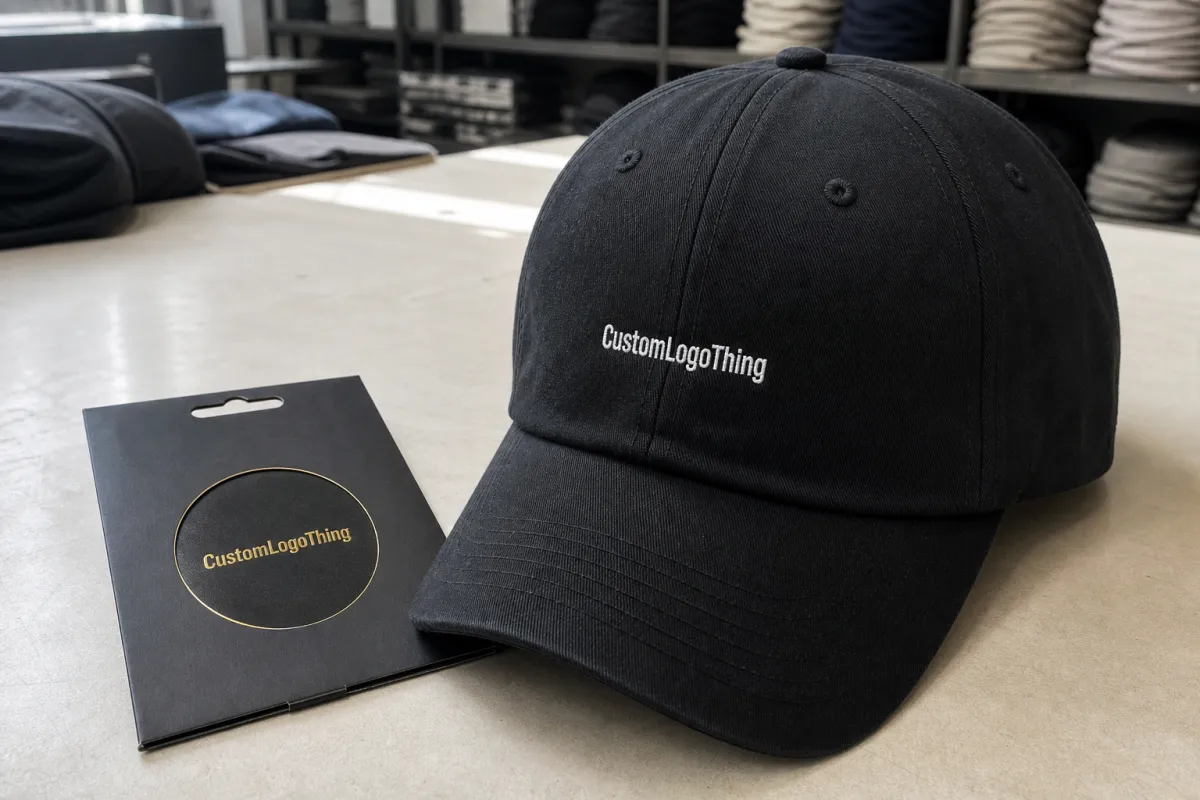
Caps sell because they solve a merchandising problem. One size can cover most buyers. One silhouette can work across retail, promo, and ecommerce. One logo placement can carry the brand without loading the product with extras nobody asked for. That simplicity keeps the order manageable and the final item readable from a distance.
Margins also stay more predictable than they do in heavier apparel. A cap does not need size curves, grading, or long fit approvals. If the base shape is right and the decoration is clean, the product can feel premium with surprisingly little surface area. That is especially true for styles like dad hats and structured six-panels, where the shape does most of the visual work.
Private label matters because generic headwear looks generic. A woven interior label, a consistent sweatband print, and a hang tag that matches the rest of the line tell the buyer this was built for resale, not pulled from a pile of leftovers. That difference shows up quickly in retail settings. So does the lack of it.
Bulk ordering helps with consistency, which is often the real reason buyers choose caps in the first place. One style, one colorway, one decoration method is a lot easier to control than a mixed apparel program. Reorders are simpler, photography is cleaner, and the product reads as part of a deliberate brand system instead of a one-off item.
"Caps are small, but the defects are obvious. A crooked logo or weak crown shape does not hide well."
That is why the best cap programs are usually the boring ones on paper. Tight spec. Tight branding. No unnecessary decoration. The product does the work if the details are respected.
Custom Private Label Caps Bulk Order: Styles and Branding
The strongest-selling styles are familiar for a reason. Dad hats, truckers, 5-panels, snapbacks, and structured six-panel caps already have a place in the market. Buyers know what they are getting, which cuts down on explanation and reduces the odds of disappointment after delivery.
Fabric choice matters more than many first-time buyers expect. Cotton twill gives a soft, retail-friendly hand. Brushed cotton feels more broken in. Polyester mesh works well on truckers and keeps the cap light. Nylon and performance blends can make sense for outdoor use or sport-driven branding, but they should be chosen for purpose, not because they sound modern in a quote.
Decoration should fit the cap, not fight it. Embroidery is still the most reliable option for most resale programs because it feels durable and holds up under normal wear. Woven patches can give a sharper graphic edge. Printed under-brim graphics, sweatband printing, and side-panel marks are useful if the front panel needs to stay clean. A cap with too many competing elements usually ends up looking crowded rather than premium.
Private label is the part that turns a cap into a brand asset. Inside labels, branded closure tabs, matching thread color, and carton marks that match the item details all help the product arrive ready for retail. If the program also needs sewn-in identifiers, size tabs, or supporting tags, pair the headwear order with Custom Labels & Tags so the whole line uses the same language.
| Cap Style | Typical MOQ | Usual Decorated Cost Range | Best Use |
|---|---|---|---|
| Dad hat | 100-300 pcs | $3.20-$5.80 per unit | Retail launches, casual branding, low-profile assortments |
| Trucker | 200-500 pcs | $3.60-$6.50 per unit | Lifestyle merch, outdoor brands, promo-resale crossover |
| 5-panel cap | 150-300 pcs | $3.80-$6.90 per unit | Streetwear, bold patch work, front-panel graphics |
| Structured six-panel | 300-500 pcs | $4.20-$7.50 per unit | Cleaner shelf presentation, more premium retail positioning |
Promo caps and retail caps are not the same product. Promo pieces can survive on low price and decent decoration. Retail pieces need better shape retention, better stitching, and a finish that does not expose every cost cut. Buyers who mix those two categories usually end up disappointed with the first receipt.
Specs That Keep Samples and Production Aligned
Spec sheets are where money gets saved. Not the glamorous part, but the part that keeps a sample from becoming a surprise. Before approval, lock down crown height, panel count, brim shape, closure type, fabric weight, stitch density, and lining details. Caps may look simple, but small shifts in those specs change fit, structure, and price.
A low-profile dad hat and a structured six-panel cap can carry the same logo and still feel like different products. One reads relaxed. The other reads sharper and more retail-forward. A flat brim gives a more current profile; a pre-curved brim is easier for buyers who want something closer to mainstream headwear. Neither choice is automatically better. It depends on the channel and the customer.
Write down the logo placement in millimeters. Use Pantone references for thread and fabric where possible. List label size, label position, and whether the inside branding is woven, printed, or sewn in. If the cap needs a hang tag, polybag, or barcode label, include that in the same approval file. This is the kind of detail that keeps a custom Private Label Caps bulk order from drifting between the sample stage and the final run.
Three things commonly create avoidable delays: unclear artwork, vague color references, and hidden packaging requirements. A supplier can usually solve one of those. All three at once usually mean time lost.
Use a simple approval routine:
- Compare the sample against the written spec sheet, not against memory.
- Check crown shape, brim curve, closure tension, and panel symmetry on the actual cap.
- Review logo size, stitch density, and thread match under natural light.
- Confirm inside label position, hang tag copy, and barcode readiness.
- Approve packaging only after the shelf presentation looks finished.
That last step gets skipped more than it should. A cap can be technically correct and still look unfinished if the packaging is sloppy. Retail teams notice that immediately.
Pricing, MOQ, and Unit Cost Drivers
Cap pricing breaks down in a fairly ordinary way: base cap cost, decoration, labels, packaging, freight, and any setup charges. The number that matters is not the quoted factory price. It is the landed cost after everything has been added. Quotes that look too clean usually leave something out.
MOQ changes by style and decoration. Stock blanks can start around 100 to 300 pieces per style, while custom-built caps with special labeling, dyed fabric, or multiple decoration stages often need larger quantities. A Custom Private Label Caps Bulk order built from standard materials is easier to price than one with custom panels, custom tape, and a retail box. That is normal, not a red flag.
The cost curve usually improves as quantity rises, but only if the margin still makes sense after freight and packaging. A cap that lands at $4.10 on a 300-piece run and $3.35 on a 1,000-piece run may or may not be the better buy once cartons, labels, and shipping are included. The question is simple: does the final number leave enough room to sell without forcing a bad retail price?
Budget leaks tend to come from the same places every time:
- Sampling and correction fees
- Embroidery, patch, or label setup charges
- Barcode stickers, carton marks, and retail packing requests
- Polybags or inner pack requirements
- Rush freight after a late approval
For comparison shopping, ask for two quote tiers: the target MOQ and the next larger run. That shows whether a small bump in volume meaningfully improves the unit price. It also reveals which suppliers are pricing realistically and which ones are padding the first quote to make the second one look attractive.
Production Steps and Lead Time From Artwork to Warehouse
The typical path is straightforward: brief, quote, artwork review, sample, sample approval, production, inspection, packing, and freight booking. The steps are simple. The timing is not. Most delays happen in the same places: artwork corrections, sample revisions, and packaging approvals that were left too late.
A sample usually takes about 7-14 days after the artwork is confirmed, depending on the decoration method and how many moving parts the cap has. Bulk production commonly takes 20-35 days after sample approval. Then freight adds another layer. Air is faster and more expensive. Sea is cheaper and slower. Nobody is surprised by that, but people still build schedules as if the shipment will ignore physics.
Lead time improves when the buyer sends final artwork early, confirms Pantone references before production starts, and answers sample questions quickly. If the caps are tied to a seasonal launch, a retail reset, or a promo window, leave room for a correction cycle. One bad label placement or a rejected thread color can cost a week. That is not dramatic. That is manufacturing.
Material choice can also affect timing. Cotton twill and standard mesh are easier to source than specialty washed fabrics, recycled blends, or custom-dyed shells. If a buyer wants a specific hand feel or exact color behavior, the order may need more lab dips or confirmation rounds before production moves. Better to know that up front than discover it when the packing date shifts.
If the program uses FSC-certified paper inserts or hang tags, verify the paper source early. For transit protection, carton durability matters more than people think. Standards like those described by FSC and ISTA help buyers avoid paper that looks good in a mockup but fails in transit or on the shelf.
Packaging is part of the product here. A cap may be compact, but if the carton labeling is wrong, the polybag count is off, or the insert card arrives bent, the receiving team sees a messy job. That is why strong packaging design and good shipping discipline matter even on a small item.
What to Check Before You Pick a Supplier
A nice sample is not proof of anything. The real question is repeatability. Can the supplier make the same cap again, in the same shape, with the same stitch quality and color tone? Can they hold the logo placement when the run gets bigger? If the answer is shaky, the order will probably be shaky too.
Ask how defects are handled before you send a purchase order. There should be a clear answer for crooked embroidery, off-center labels, panel distortion, or missing packing components. Suppliers who work well on private label programs usually have a basic QC routine: in-line checks, final inspection, carton counts, and a documented fix process. Suppliers who cannot explain that tend to improvise later, which is usually expensive.
Packaging support is a useful signal. A supplier that understands retail packaging, barcode placement, and inner pack logic is often better suited to private label work than one that only sells blank caps. Private label is not just the logo. It is the total presentation. The cap should arrive as a finished item, not as a blank with a story attached.
It also helps to ask whether the same factory can keep the rest of the line consistent. If caps need to coordinate with tees, bags, or other accessories, the branding standards should match across products. Mismatched labels, different carton styles, and inconsistent tag copy make the assortment feel stitched together from separate orders.
If the supplier can support custom printed boxes, insert cards, and coordinated labels, the cap line becomes easier to launch as a set. That is not necessary for every program. It is useful for brands that care about shelf presence and repeatable presentation. The point is to choose based on channel needs, not habit.
Next Steps to Place the Order Cleanly
Send the style, quantity, colorway, logo file, label requirements, target ship date, and destination warehouse in one brief. That is how a useful quote gets built. Split the information across several emails and the pricing gets slower, less precise, and more likely to miss a detail that matters later.
For a new program, ask for a sample first. Then review decoration placement, packaging text, barcode readiness, and carton marks before bulk production starts. If the brand is comparing volume options, request both the target MOQ and the next tier up. That makes the savings curve visible and keeps the decision grounded in landed cost instead of wishful thinking.
Use the spec sheet as the source of truth. Do not approve packaging copy by eye. Do not assume the thread color will match because it looked close on a screen. If the order is part of a broader sourcing plan, review the available FAQ, then align the cap program with the rest of the launch assortment. A cap should fit the brand system. It should not force the system to bend around it.
What is the usual MOQ for a custom private label caps bulk order?
Most programs start around 100 to 300 pieces per style or color, though the real minimum depends on the blank, decoration method, and packaging. Stock-based orders usually allow lower quantities than fully custom builds with special labels or custom materials. If the order is split across colors, confirm whether the MOQ applies per SKU or across the full run.
How long does a private label cap bulk order usually take?
Sampling often takes about 7 to 14 days after artwork approval. Bulk production commonly runs 20 to 35 days after the sample is approved, then freight adds its own timing. Rush orders can be done, but they usually cost more and leave less room to fix a problem if one shows up.
Which cap styles work best for custom private label caps bulk orders?
Dad hats, truckers, 5-panels, and structured six-panel caps are the safest starting points because buyers already know the fit and silhouette. A clean front panel tends to decorate well and photograph well. The right style is the one your customer will actually wear, not the one that looks the loudest in a sample deck.
How can I lower unit cost on a private label cap bulk order?
Use standard blanks, keep the color count tight, and limit decoration locations unless they improve resale value. Larger quantities usually lower the per-piece cost more effectively than small design tweaks. Skip extras like specialty packaging until the style proves it can move.
Can I add labels and packaging to a custom private label caps bulk order?
Yes. Common options include woven labels, printed sweatbands, hang tags, polybags, carton labels, and barcode stickers. Ask for mockups before production so the copy, SKU, and placement are correct. If the caps are for retail, make sure the packaging matches the shelf standard before approving the sample.

