The last touchpoint in a subscription shipment is often the package the customer actually handles, opens, and keeps. For custom PVC Zipper Garment Bags for subscription brands, that means the bag is doing more than protecting a dress or jacket; it is carrying the first judgment about quality, fit, and whether the brand feels worth repeating.
A folded dress can arrive crisp instead of crushed. A jacket can keep its shape. A matching set can stay visible without forcing the warehouse team to unwrap and repack every unit. In practice, the bag sits between product packaging and retail packaging, which is a useful place to be: it protects like an operations tool and presents like branded packaging.
Brands usually compare these bags against paper mailers, soft poly sleeves, or custom printed boxes. Those options can work, but they solve different problems. The real decision is not which one looks nicest. It is which one balances aesthetics, protection, and operating cost without creating rework.
Why These Bags Change the Unboxing Experience
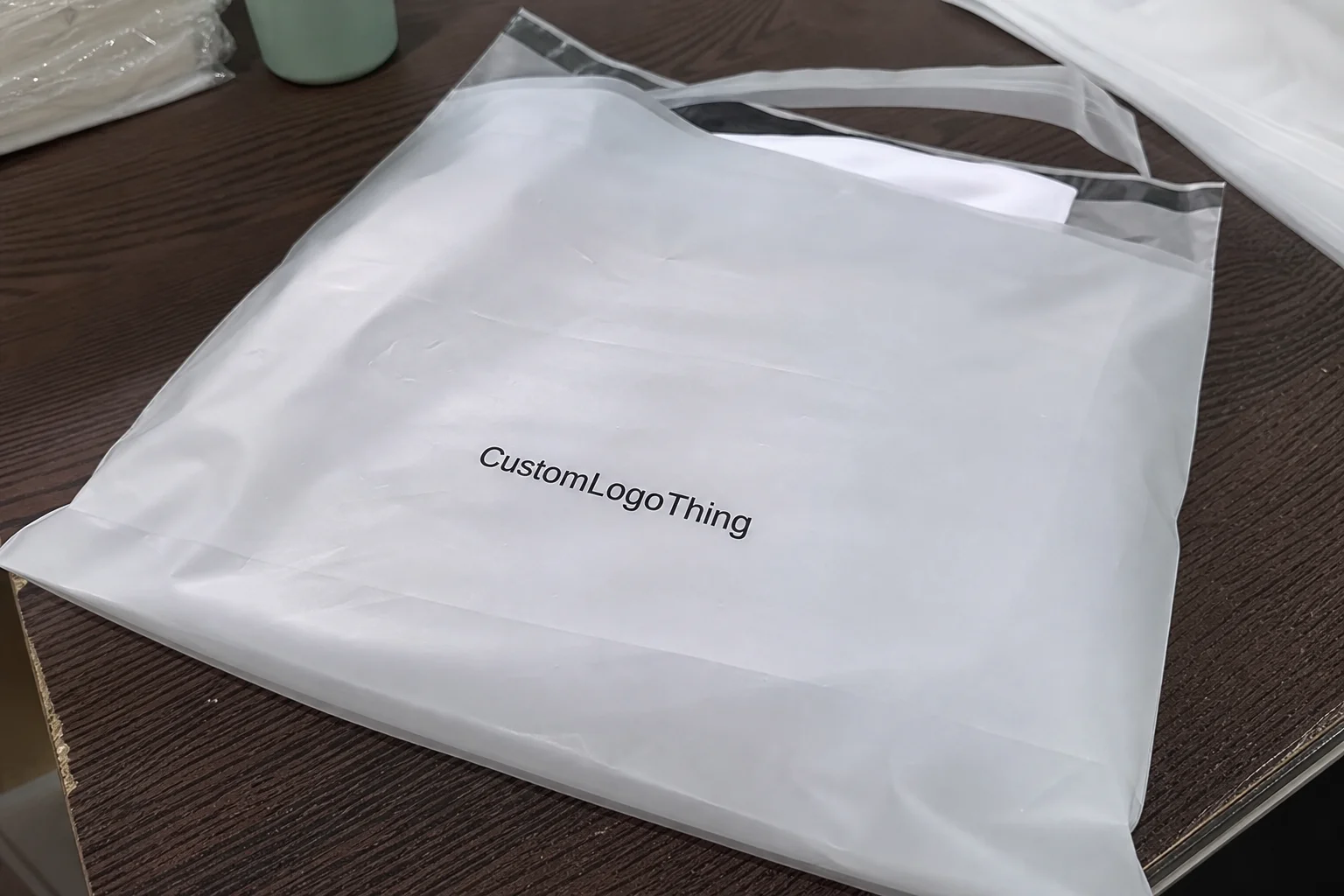
Subscription brands live or die on repeat perception. The first shipment may be enough to earn attention, but the second and third shipments are what prove the packaging is intentional. Clear zipper garment bags are effective because they create a visible order inside the box. The garment is easy to see, the closure feels familiar, and the whole presentation reads as organized rather than improvised.
There is a practical side to that polish. A clear bag lets the customer confirm color and style without tearing open tissue or digging through inserts. That matters for apparel subscriptions, rental-style programs, and limited-run collections where presentation and product condition are tightly linked. If the garment is delicate, the bag also reduces the odds of scuffing, friction marks, and the kind of wrinkle pattern that shows up after a long transit chain.
Compared with a soft poly sleeve, a zipper garment bag holds its shape better. Compared with a paper envelope, it offers clearer visibility and more repeat use. Compared with custom printed boxes, it usually uses less material and less freight volume, although the tradeoff is that it is not as rigid. That is why these bags often land in the middle of the packaging design conversation: they are not the flashiest format, but they are one of the most useful for subscription apparel.
The best apparel bag is not the one with the most decoration. It is the one that protects the garment, speeds the pack line, and still feels premium in the customer’s hand.
For premium loungewear, outerwear, or coordinated sets, that balance is hard to ignore. A well-specified bag can support a stronger perceived price point without forcing the team into overbuilt custom printed boxes for every shipment.
How the Subscription Packaging Workflow Uses It
In a subscription fulfillment line, the bag is best treated as a control point, not an afterthought. The normal sequence is straightforward: inspect the garment, fold it to a fixed template, insert it into the bag, close the zipper, apply any label or insert, and then move the unit into the master carton or shipper. That repeatability matters because subscription programs tend to change by month, by capsule, or by box tier.
Clear packaging helps the warehouse team verify style, size, and color without reopening every item. That can reduce handling errors and rework, especially when the same facility is packing multiple SKUs in the same shift. It also makes training easier. A new packer can learn one visual standard faster than they can memorize several wrapping methods for different garments.
From the customer side, reusability is a real value driver. A customer may use the bag for storage, travel, or returns. That does not always happen, but when it does, the bag extends the life of the package beyond the first unboxing. That extra utility can support higher perceived value without demanding a bigger shipping carton or a more complex inner structure.
The bag also protects the rest of the kit. Inserts, tissue, and promotional cards stay cleaner when they are not rubbing against loose fabric. For brands that care about package branding, that kind of discipline shows up immediately. The shipment feels deliberate. Nothing is floating around. Nothing looks accidental.
For teams that want to see how apparel packaging fits into a larger system, our Case Studies page is useful because it shows how packaging choices affect presentation, handling, and repeat-order economics across different formats.
If you need broader packaging support around apparel launches, the Custom Packaging Products catalog can help map how bags, mailers, inserts, and outer cartons work together instead of as isolated purchases.
One more operational point: transit testing is often underused in apparel packaging. If the bag is going into a kit that travels far, a basic check against ISTA transit test standards can reveal whether the closure, fold pattern, or carton pack-out needs adjustment before launch. That is cheaper than discovering the issue through customer complaints.
Specs That Drive Cost, MOQ, and Unit Price
The price of custom PVC zipper garment Bags for Subscription brands is driven less by one big number and more by a cluster of small choices. Material thickness is one of the first. A thinner bag is usually cheaper, lighter, and easier to fold, but it may feel flimsy or crease more easily. Thicker PVC improves structure and durability, though it adds cost and can increase freight weight. The right choice depends on whether the bag is meant to feel disposable or to support repeat use.
Dimensions matter just as much. A bag sized around the folded garment is more efficient than one built to match the hanger silhouette. Oversizing wastes material and carton space. Undersizing creates wrinkles, makes zipper closure awkward, and can distort the garment. For subscription brands that ship mixed product types, size discipline is one of the easiest ways to tighten cost control.
The zipper itself is another cost lever. A smoother pull, better seam finish, or reinforced track can add cents to the unit price, but those cents often buy fewer failures. That tradeoff is not theoretical. If a weak zipper creates even a small number of returns, the true cost of the bag rises quickly. A packaging buyer looking only at list price will miss that.
Print coverage also changes the quote. A simple logo mark is usually cheaper than a full-surface graphic, and one-color work is usually easier than multiple spot colors. If the brand wants the bag to sit alongside custom printed boxes or a more elaborate retail presentation, the print plan should be designed with the total package system in mind. Too much decoration on the bag can fight against the rest of the product packaging instead of supporting it.
| Option | Typical Spec | Approx. Unit Price at 5,000 | Best For |
|---|---|---|---|
| Basic clear zipper bag | 0.18–0.22 mm PVC, no print, standard zipper | $0.18–$0.26 | High-volume programs that need visibility and basic protection |
| Logo-printed bag | 0.20–0.25 mm PVC, 1-color print, standard zipper | $0.22–$0.32 | Branded packaging with a cleaner retail look |
| Gusseted reusable bag | 0.25–0.30 mm PVC, side gusset, upgraded zipper | $0.28–$0.40 | Bulky garments, outerwear, and repeat-use programs |
| Premium presentation bag | 0.30–0.35 mm PVC, reinforced seams, full branding | $0.35–$0.55 | Higher-ticket apparel and premium subscription tiers |
MOQ changes the math too. Smaller launches sometimes need a simpler spec to keep the order affordable, while larger recurring programs can justify more customization. A supplier may price a 1,000-piece order materially higher than a 5,000-piece order because setup, cutting, and print preparation are spread across fewer units. That is why it helps to ask for pricing at multiple tiers rather than just one quantity.
Hidden variables can swing the final landed cost. Packaging tolerances, master carton counts, outer carton dimensions, and freight dimensional weight all matter. Some suppliers also separate tooling or plate setup charges from the quoted unit price. That is why the cheapest quote on paper can become the expensive quote after shipping, damage, and repack work are included.
For teams that want to keep the buying process grounded, a useful rule is simple: compare total landed cost, not just unit cost. The bag that costs a little more but reduces failure rates is often the better business decision.
Production Steps, Lead Time, and Proofing
The production path is usually predictable, but each step can stall if the brief is vague. It starts with spec gathering: dimensions, material thickness, zipper style, print requirements, carton pack-out, and target quantity. Then comes artwork prep, followed by a sample or mockup, approval, production, quality check, and shipment. None of that is complicated. The friction comes from incomplete information.
Artwork changes are a common delay. So is first-run approval. If the brand wants a custom size or a new zipper color, the supplier may need an extra round of confirmation before the line is set. In practice, that means lead time is usually longer than people think. A typical timeline is often 12–18 business days from proof approval for production, plus transit time. Rushes are possible, but they usually cost more and compress quality review.
It helps to lock the decisions that affect tooling first: dimensions, thickness, zipper color, logo placement, and carton pack-out. These choices have the biggest impact on schedule. If you wait to settle them, the project drifts. That is a familiar pattern in packaging design, and it is not unique to apparel.
Proofing deserves more attention than it often gets. A flat proof confirms layout, copy placement, and logo scale. It does not tell you how the zipper feels, whether the seam holds, or whether the garment fits the way you expected. A physical sample is more useful for that. If the bag is intended for repeated use, sample review should be treated as part of the buying decision, not as a courtesy.
The timing matters for subscription launches. Packaging should move earlier than the product drop, not after the collection is finalized. If the garment is ready but the bag is still waiting on approval, the launch date becomes hostage to a packaging problem. That is avoidable with basic planning.
For brands that want a broader sourcing benchmark, FSC guidance can be useful for any paper-based inserts or companion components in the kit. If your program includes printed cards or paper wraps, the organization’s standards help clarify material sourcing expectations: FSC certification guidance. It is not about the PVC bag itself; it is about the wider packaging system around it.
Choosing the Right Size, Thickness, and Closure
Size should be based on the folded garment, not the hanger silhouette. That distinction sounds small, but it is one of the most common sources of fit problems. A bag that is too tight causes compression and wrinkles. A bag with too much extra room wastes material, increases shipping bulk, and can make the product look less controlled inside the box.
Thickness should be chosen with the product mix in mind. A lightweight top does not need the same wall strength as a structured jacket. If the subscription includes different fabric weights, test against the heaviest and most awkward fold. That gives you a more honest spec. A bag that passes on the easiest SKU may fail quietly on the one that matters most.
The closure is not just hardware. It is part of the customer experience. A smooth zipper feels deliberate and supports reuse. A weak zipper makes the whole package feel cheap, even if the print looks good. That is a hard lesson, but packaging buyers see it all the time. The closure is a small component with outsized influence.
Gussets, handles, vents, and frosted finishes each change behavior. A gusset helps with bulk. A handle can improve carry use but adds cost and weight. Vents can matter for certain fabrics that need a little airflow. Frosted PVC gives a softer visual effect, while clear PVC creates full visibility. The right choice depends on whether the shipment is meant to feel like retail packaging, storage packaging, or a hybrid of both.
Here is the practical test: build the spec around the real pack-out, not around the nicest mockup. That means tissue, inserts, stickers, and any promotional card should be inside the test sample. If the bag only works before those items are added, it is not ready.
For subscription brands, that matters because product packaging changes from cycle to cycle. What works for a dress may not work for an outerwear set. What works for spring may not work for winter. A single general spec can hide those differences until the first failed shipment exposes them.
Common Mistakes When Ordering Garment Bags
The most common mistake is ordering by photo alone. A bag can look right in a mockup and still be wrong in depth, zipper type, or material gauge. Apparel packaging is physical. It has to fit the fold, survive handling, and stack cleanly in the carton. A visual reference helps, but it is not a substitute for a usable spec.
Another mistake is underestimating pack-out dimensions. The bag has to make room for more than the garment. Tissue, inserts, promotional cards, and return materials all take space. If the bag is built too tightly, packers will either slow down or force the product into shape. Neither outcome is good.
Over-customization is a quiet problem. Multiple print effects, heavy color work, decorative add-ons, and unusual finishes can raise cost and delay production without improving the customer experience. That does not mean branding should be minimal. It means every added feature should earn its place. In package branding, restraint often reads as more confident than clutter.
Quality shortcuts hurt fast. Thin seams, weak zippers, poor clarity, and inconsistent sizing across batches are the kinds of defects that show up in customer photos, not just QA logs. Once that happens, the bag stops being a packaging asset and becomes a brand liability. For a subscription model, that is particularly painful because the same customer sees the same weakness again in the next shipment.
The last mistake is skipping a pilot run. Even a short test order can reveal whether the bag fits your real workflow, cartons, and return process. It can also show whether the zipper survives repeated handling. A pilot is cheaper than a full correction.
Specification summary:
- Base size on the folded garment plus inserts.
- Choose thickness based on reuse and handling, not just cost.
- Approve a physical sample before production if the bag is customer-facing.
- Test the bag with the largest recurring SKU in the program.
Expert Tips and Next Steps Before You Request a Quote
Start with a one-page spec sheet. Include dimensions, garment type, target quantity, print needs, finish, zipper color, and whether the bag should support reuse. Suppliers quote faster when the ask is specific, and the replies are usually better because there is less guessing involved.
Ask for multiple volume tiers. A quote at 1,000 pieces, 5,000 pieces, and 10,000 pieces shows you where the real breakpoints are. That makes it easier to decide whether to launch with a smaller order or forecast into a larger run. The goal is not just to buy packaging; it is to Buy the Right amount of packaging for the cadence of the subscription.
Request a sample or mockup before sign-off, especially if the bag is part of a premium tier or will be reused by customers. If the zipper feel, seam strength, or clarity is off, the problem usually gets worse in live use. That is one reason buyers who compare only line-item pricing often miss the bigger picture.
Compare suppliers on consistency as much as price. A slightly higher quote can be the better business decision if the vendor ships on time, keeps dimensions stable, and delivers fewer defects. That matters more than it sounds. In branded packaging, reliability shows up in customer sentiment, not only in the warehouse.
Keep the final review simple and concrete: fit, closure quality, stackability, carton efficiency, and repeat-use potential. If the bag passes those checks, you likely have a usable format. If it fails any one of them, the spec needs adjustment before the order scales.
For many apparel brands, custom PVC Zipper Garment Bags for subscription brands are not a novelty. They are the practical middle ground between presentation and control. If the price, fit, and production plan line up, they can support a cleaner launch, fewer handling issues, and a more credible customer experience from the first shipment through the refill cycle.
What size should custom PVC zipper garment bags for subscription boxes be?
Base the size on the folded garment plus any inserts, tissue, or cards that ship with it. Leave enough room for smooth insertion and zipper closure without crushing the fabric. Test with your largest recurring SKU, not the easiest one, so the bag works across the full program mix.
Are PVC zipper garment bags reusable for customers?
Yes. Reuse is one of the main value drivers for subscription brands. It depends on zipper quality, seam strength, and how well the material holds up after handling. If reuse matters, prioritize durability and closure performance over decorative extras.
How do I compare quote pricing for custom PVC zipper garment bags?
Compare unit price, setup or tooling fees, packaging counts per carton, and freight assumptions. Ask whether the quote changes by thickness, print coverage, or zipper upgrade. Use landed cost, not list price, to judge which supplier is actually cheaper.
What lead time should subscription brands expect for custom bags?
Lead time usually includes proofing, sample approval, production, and transit, so the calendar is longer than the factory run alone. Custom artwork or new sizing can extend the schedule, especially if revisions are needed. Build packaging procurement ahead of launch dates so the bags do not become the critical path.
What mistakes cause the most problems with zipper garment bag orders?
The most common issues are wrong sizing, weak zippers, and specs chosen from a mockup instead of the real packed garment. Skipping a sample review often leads to fit problems that only show up in fulfillment. Over-customizing can also inflate cost without improving the customer experience.


