Buyer Fit Snapshot
| Best fit | Printed Box Sleeves Wholesale MOQ projects where brand print, material claims, artwork control, MOQ, and repeat-order consistency need to be specified before quoting. |
|---|---|
| Quote inputs | Share finished size, material target, print colors, finish, packing count, annual reorder estimate, ship-to region, and any compliance wording. |
| Proofing check | Approve dieline scale, logo placement, barcode or warning zones, color tolerance, closure strength, and carton packing before bulk production. |
| Main risk | Vague material claims, crowded artwork, missing packing details, or unclear freight terms can make a low unit price expensive after revisions. |
Fast answer: Printed Box Sleeves Wholesale MOQ: Pricing & Specs should be specified like a repeatable production item. The safest quote records material, print method, finish, artwork proof, packing count, and reorder notes in one written spec.
Production checks before approval
Compare the actual filled-product size with the drawing, then confirm tolerance on folds, seals, hang holes, label areas, and retail display edges. Reserve space for logos, QR codes, warning copy, and material claims before decorative graphics fill the panel.
Quote comparison points
Review material grade, print process, finish, sampling route, tooling charges, carton quantity, and freight assumptions side by side. A quote is only useful when the supplier can repeat the same color, closure quality, and packing count on the next order.
Printed Box Sleeves Wholesale MOQ: Pricing & Specs — printed Box Sleeves Wholesale moq looks harmless on a quote sheet until setup charges, proofing, and freight show up and change the math. The sleeve itself may be inexpensive. The landed order is where the real cost appears, and that difference matters more than most buyers expect.
The uncomfortable truth is simple: printed Box Sleeves Wholesale moq is often cheap on paper and costly in practice if you only compare sleeve price. Buyers who ignore die setup, prepress work, and shipping usually end up paying more per finished carton than they planned. That is why Printed Box Sleeves wholesale moq should be treated as a full packaging decision, not a single print line item.
Seasonal refreshes, limited drops, influencer kits, and product-line tests are the situations where sleeves earn their keep. The base carton stays in place, the message changes, and the brand avoids a structural redesign that can chew through budget. In real terms, printed box sleeves wholesale moq works best when the carton already performs and the business needs a faster way to change the story on shelf.
Printed Box Sleeves Wholesale MOQ: Why Small Runs Still Get Expensive
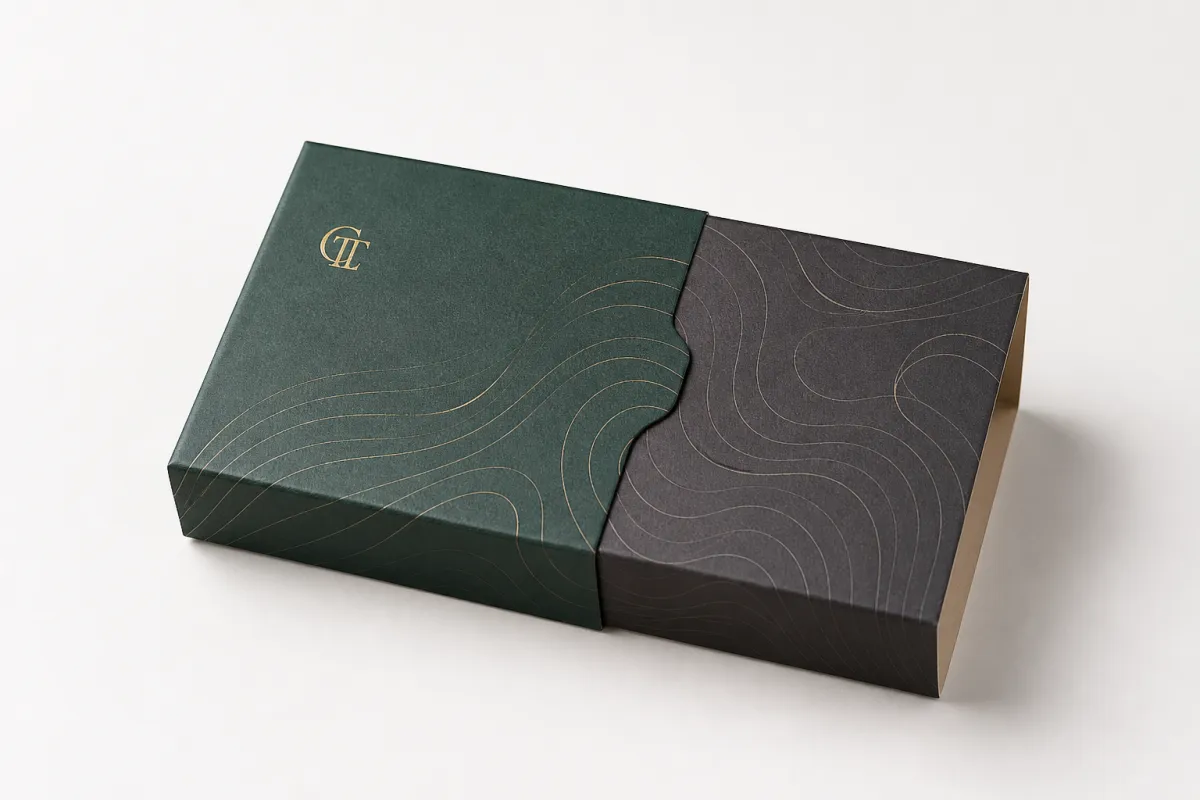
printed box sleeves wholesale moq looks friendly until the arithmetic gets honest. A sleeve order under 1,000 units can feel budget-safe, yet the factory still has to build the dieline, check artwork, set plates or digital files, run proofs, cut, glue, inspect, pack, and ship. Those costs do not disappear because the quantity is small. They get spread across fewer pieces, which pushes the unit cost upward fast.
That is where buyers trip. They compare sleeve pricing only, not the full landed cost per finished carton. A $0.24 sleeve with $180 in setup charges and $95 in freight is not a bargain if the order size is 500 units. The smarter comparison is cost per piece after every line item is counted: print setup, tooling fees, finishing, and transport. printed box sleeves wholesale moq rewards buyers who think that way.
Sleeves are not a compromise product. They are a practical packaging tool. A brand can keep a sturdy base box, add a seasonal message, promote a code, update ingredients, or bring in a premium finish without rebuilding the structure. That matters when the product already sells, but the visual story needs a reset. printed box sleeves wholesale moq gives that reset without draining margin.
For short-run launches, sleeves often make more sense than retooling a full custom carton. Inventory risk drops, margin stays healthier, and the warehouse avoids sitting on obsolete boxes after the campaign ends. A sleeve also lets a brand test artwork with real customers before committing to a structural change. That is the part people miss when they chase the cheapest quote for printed box sleeves wholesale moq.
If the base carton still works, the sleeve should do one job well: add presence without forcing a structural rebuild.
From a packaging buyer's point of view, the sleeve is a control point. Artwork can change while size, shipping cartons, and pack-out stay familiar. That lowers production friction. It also means the retailer, fulfillment team, and warehouse do not have to relearn the whole pack. For fast-moving categories, that operational simplicity matters more than a polished sales pitch about printed box sleeves wholesale moq.
I have seen brands spend more fixing a bad carton redesign than they would have spent on a clean sleeve program for the year. That is not drama, just arithmetic. A sleeve can buy time while the team learns what customers actually respond to, which is a much cheaper experiment than guessing wrong at the structural level.
Typical use cases are easy to spot:
- Seasonal gift sets that need artwork changes without new cartons.
- Influencer kits where the sleeve carries the campaign theme.
- Limited editions that need strong shelf presence for a short window.
- Product refreshes where the structure stays the same but messaging changes.
- Private label or retail programs that require quick SKU updates.
In practical terms, printed box sleeves wholesale moq makes sense when the pack already works and the brand needs a cleaner, faster, cheaper visual change. Not every project deserves a full custom box. Sometimes a sleeve is the sensible decision, even if it is not the flashiest one.
Product Details: What Printed Box Sleeves Actually Include
A printed sleeve is a paperboard wrap or band that slides over an existing carton, tray, or rigid box. It adds branding, product messaging, barcode space, ingredient copy, and shelf presence without replacing the base package. That is why printed box sleeves wholesale moq is popular with brands that want visual control but do not want to rebuild the underlying box.
The main styles are straightforward. Open-end sleeves slide over both ends. Glued sleeves arrive as a formed wrap that can be applied quickly. Wrap-around bands are common for simple retail packs. Die-cut window sleeves expose part of the product or base carton. Tamper-evident sleeves add a security function, which matters for supplements, cosmetics, and food items where the seal itself carries trust.
printed box sleeves wholesale moq also depends on how the sleeve interacts with the base pack. Fit tolerance matters. If the sleeve is too loose, it slides. Too tight, and assembly turns into a wrestling match at pack-out. Artwork needs to avoid dead zones where folds, glue flaps, or friction points dull the message. That is not a cosmetic detail. It affects how the pack handles on the line and how it looks on shelf.
Common category examples include cosmetics, candles, apparel kits, confectionery, supplements, and gift sets. A candle brand may want a matte black sleeve with foil detail. A supplement line may need a clean white sleeve with regulated copy space. An apparel brand may use a seasonal sleeve to turn a plain shipper into a retail-ready gift box. Different products, same logic: printed box sleeves wholesale moq gives the brand a fast layer of control.
Before requesting a quote, Buyers Should Know three things at minimum:
- Exact carton dimensions, including length, width, depth, and any bulges or closures.
- Whether the sleeve ships flat, pre-glued, or fully formed.
- Whether the design needs windows, special folds, perforations, or tear strips.
That information saves time and cuts down revisions. It also keeps the quote grounded in reality instead of guesswork. If the sleeve has to fit an existing carton, send a photo of the box and, ideally, a sample. A little diligence up front is cheaper than a reorder of the wrong size. printed box sleeves wholesale moq only works well when the specifications are real.
Broader production rules point in the same direction. If recycled paperboard is part of your brief, the FSC certification framework matters only when chain-of-custody paperwork matches the material you actually buy. If the product needs parcel testing, the ISTA test methods are more useful than a vague promise that the box will “hold up.”
Specifications That Change Fit, Print Quality, and Shelf Impact
The specs that matter most are plain: board stock, thickness, width, length, depth, print coverage, finish, and any die-cut features. That sounds basic because it is. These details are exactly where printed box sleeves wholesale moq either stays under control or slides into expensive rework.
Board choice changes the experience quickly. A lighter paperboard lowers cost, but it can feel flimsy and lose stiffness on larger sleeves. Heavier stock improves the hand feel and helps the sleeve sit neatly on the carton, especially if the pack gets handled a lot in retail or fulfillment. For many projects, 300gsm to 400gsm paperboard is a practical range, though larger sleeves or premium packs may need heavier stock for better structure. printed box sleeves wholesale moq is sensitive to this tradeoff because thicker board usually means more material cost and sometimes more waste during converting.
Print and finish options shape both price and shelf impact. CMYK is the usual starting point. Spot color tightens brand matching. Matte lamination gives a softer look. Gloss adds shine. Soft-touch feels premium, but it is not free. Foil, embossing, debossing, and spot UV each raise setup complexity and may create more tooling fees or extra press time. If you need a premium finish on a small run, expect the cost per piece to move upward. That is normal, not a surprise.
Fit tolerance deserves more attention than it usually gets. A sleeve that is 1-2 mm off on a small pack can still pass a visual check, but on a tight retail job it may bunch, skew, or leave a visible gap. Good prepress work matters for that reason. The dieline is not decoration. It is the map. For printed box sleeves wholesale moq, a sloppy map becomes a sloppy sleeve.
Compliance and sustainability details matter too, especially for retail customers and regulated categories. Ask whether the paperboard is FSC certified, whether recycled content is available, whether inks meet food-contact restrictions if relevant, and whether the finish affects recyclability. A gloss lamination and a full foil treatment may look great, but they are not the same as a plain paper sleeve from a recovery standpoint. If your customer needs a claim, support it with documentation, not hope. printed box sleeves wholesale moq should always match the actual compliance brief.
There is also a practical connection that buyers sometimes miss: the more decorative the sleeve, the more likely operators are to handle it carefully, slowly, or in smaller batches. That can be fine for a luxury line, but it is a hidden cost for high-volume packs. A design that looks expensive on a render can become expensive in the warehouse, which is why the spec sheet should be read with one eye on the line, not just the shelf.
Common specification checks
- Stock: 300gsm to 400gsm paperboard for many retail sleeves.
- Finish: matte, gloss, soft-touch, foil, or spot UV.
- Construction: open-end, glued, wrap-around, window, or tamper-evident.
- Tolerance: confirm exact carton measurements before artwork release.
- Compliance: FSC, recycled content, and product-specific ink limits.
The best sleeve specs are the ones that support the product, not the ones that make a catalog look crowded. If the branding needs one premium cue and one clear message, that is usually enough. Piling on finish after finish only raises cost and risk. With printed box sleeves wholesale moq, restraint often buys more than excess. A good sleeve usually looks inevitable, not decorated.
Printed Box Sleeves Wholesale MOQ: Cost, Pricing, and Quote Logic
Wholesale pricing for sleeves is built from several moving parts: material, print setup, finishing, die cutting, gluing, packing, and freight. Miss one of those, and the quote is not wrong so much as incomplete. That is why printed box sleeves wholesale moq should be quoted as a finished unit price, not as a loose guess that ignores the rest of production.
The MOQ usually tracks the amount of setup the job requires. A standard printed sleeve might start around 500 to 1,000 units. If the design includes a special window, foil, heavy embossing, or a custom glue structure, the minimum may rise because the shop needs enough volume to spread setup charges across the run. That is normal economics, not a vendor trick. printed box sleeves wholesale moq gets more efficient as quantity rises because fixed costs get diluted.
Here is a practical pricing view for a standard sleeve on a common paperboard stock. These are indicative ranges, not promises, because size and finishing can swing the numbers fast.
| Run Size | Typical Unit Cost | Best Fit | Main Tradeoff |
|---|---|---|---|
| 500 units | $0.58-$1.10 | Test launch, short promotion | Highest setup burden per piece |
| 1,000 units | $0.36-$0.78 | Small retail run, influencer pack | Still sensitive to finishing choices |
| 2,500 units | $0.22-$0.48 | Seasonal campaign, repeatable SKU | Needs storage planning |
| 5,000 units | $0.16-$0.32 | Stable program, better bulk pricing | More inventory risk if artwork changes |
Those ranges shift with print coverage, finish, and whether the sleeves ship flat or pre-formed. A simple one-color sleeve is cheaper than a full-bleed, soft-touch piece with foil and a die-cut window. A small change in width or a more complicated fold can also alter the quote. If a buyer wants cleaner bulk pricing, the safest move is to standardize as much as possible. printed box sleeves wholesale moq is not a place for avoidable complexity.
Artwork complexity is another cost driver. Multiple spot colors, tight registration, and heavy coverage all add pressure to the print run. If the brand insists on exact Pantone matching, expect some adjustment in price. If the sleeve includes variable data, QR codes, or a narrow barcode-safe area, prepress time increases too. It is not dramatic. It is just one more reason why printed box sleeves wholesale moq should be quoted after the design is mostly settled.
For comparison shopping, line up every quote with the same assumptions. Same size. Same board. Same finish. Same proof scope. Same shipping terms. Same packaging method. Otherwise the numbers do not mean much. Buyers who do this well usually get better answers on unit cost and avoid surprise add-ons. That is the boring part of procurement, and it matters a lot.
Use this checklist before you approve any quote:
- Confirm whether the price includes dieline creation or only production.
- Ask if the quote includes sample or digital proof charges.
- Check whether setup charges are one-time or repeated for reorders.
- Verify if freight is included or billed separately.
- Ask about overrun and underrun tolerances.
That last point is not small. A quote can look low and still be weak if the tolerance policy is vague or the freight quote is missing. The quote that wins should be the one that explains the finished order cleanly, not the one with the prettiest number. printed box sleeves wholesale moq deserves that level of clarity.
Process and Timeline: From Quote to Production Steps
The production path is predictable if the buyer gives clean inputs. First comes the quote request. Then specs are confirmed. Then the dieline is approved. After that comes the proof. If needed, a sample or mockup is checked before production starts. That flow keeps printed box sleeves wholesale moq from turning into a correction loop.
The delays are predictable too. Missing dimensions cause the first round of confusion. Weak artwork files slow the proof. Late revisions add days. Unclear finish instructions create more back-and-forth than they should. In practice, the fastest jobs are the ones with complete measurements, final artwork, and one person who can make decisions without running the request through six departments. printed box sleeves wholesale moq moves faster when the brief is clean.
Lead times vary with quantity and finish. Standard printed sleeves often run about 7 to 15 business days after proof approval. Specialty work with foil, embossing, windows, or structural changes can take 15 to 25 business days or longer. Reorders are usually faster because the setup already exists. If a launch date is fixed, share it early. Waiting until the last minute is not a schedule strategy. It is a gamble.
Rush orders can happen, but only within reason. A simple sleeve on stock material may be rushed if the press is open and the artwork is ready. A custom structure with multiple finishing steps is a different story. Some jobs cannot be compressed without raising the error rate or the shipping cost. Good suppliers say that plainly. Bad ones promise miracles and then miss the date. printed box sleeves wholesale moq should be planned, not wished into existence.
Here is the handoff checklist I would use before production starts:
- Final carton dimensions with a sample photo if the sleeve fits an existing box.
- Print-ready artwork with fonts outlined and images linked correctly.
- Finish selection: matte, gloss, soft-touch, foil, UV, or plain print.
- Quantity target plus a backup tier if you want alternate bulk pricing.
- Shipping destination and deadline.
If your sleeve wraps an existing pack, the physical sample matters more than assumptions. Paperboard has thickness. Glue has thickness. A millimeter here and there turns into a visible fit issue later. That is why printed box sleeves wholesale moq should never be spec'd from memory if the actual carton is already on hand.
For brands that want a more streamlined ordering process, our Wholesale Programs page is a useful starting point. If you already know the basics and just need a few packaging questions answered, the FAQ page covers the common hold-ups without the usual fluff.
Why Choose Us for Printed Box Sleeves Wholesale MOQ
People do not need another packaging vendor who hides the real numbers. They need transparent pricing, clear minimums, and a quote that explains what is included. That is the standard I would expect from any supplier handling printed box sleeves wholesale moq. If the numbers change because the specification changes, fine. If the numbers change because the first quote was vague, that is sloppy.
Strong prepress support matters just as much. A sleeve job lives or dies on the dieline. If the dieline is off, the proof is useless, and the run becomes a correction. Good support means the customer sees the fold positions, glue areas, and trim limits before anything is printed. That is not glamorous work, but it saves money and time. For printed box sleeves wholesale moq, that usually matters more than a sales pitch about premium finishes.
Consistency on reorders is another reason brands stay with a reliable packaging partner. A sleeve used for retail photos, reseller programs, and repeat launches needs to match the old version closely. Slight shifts in color, stock, or finish can make a reorder look like a different product. That is especially annoying when the boxes are already in market. With printed box sleeves wholesale moq, repeatability is part of the value.
Communication also affects waste. Fast answers on stock availability, finish options, and fit questions reduce wasted proofs and useless revisions. I have seen buyers lose days because nobody wanted to confirm a dimension or approve a sample. That kind of delay is expensive. A direct packaging partner keeps the process moving and keeps the quote honest. That is the real business case behind printed box sleeves wholesale moq.
Here is what a practical supplier should be able to explain without drama:
- What the MOQ is for the exact sleeve style.
- How the unit cost changes at 500, 1,000, 2,500, and 5,000 units.
- Which finishes add setup charges and which ones do not.
- Whether the sleeve ships flat, glued, or formed.
- What proofing and sample options are available before production.
That is the difference between a packaging vendor and a packaging partner. One sends a number. The other helps protect margin, timing, and fit. For brands buying printed box sleeves wholesale moq, that difference shows up very quickly.
Next Steps: What to Send for a Fast Quote
If you want a useful quote, send the dimensions first. Length, width, depth, and any odd shape details matter. Then send quantity, finish preference, artwork files, and deadline. That short list gives enough information to price printed box sleeves wholesale moq without guessing at the basics.
If the sleeve has to fit an existing box, include photos of the carton from the front, side, and top. Better yet, send a sample. Guesswork is expensive. A clear sample reduces the chance of a misfit sleeve, and that saves a lot more than the time spent measuring. Ask for a unit-cost breakdown and shipping separately so you can compare real value, not just headline numbers. printed box sleeves wholesale moq is easier to buy well when the quote is transparent.
For brand-sensitive projects, request a sample or proof before full production. That is especially true when the finish is premium, the tolerance is tight, or the artwork is being matched to existing packaging. A small proofing fee is better than a full reprint. If the project is straightforward, the proof may be enough. If it is not, pay for the sample and sleep better.
Send this and the quote will be faster:
- Carton dimensions or a sample pack.
- Target quantity and backup quantity if you want tiered bulk pricing.
- Artwork files, ideally print-ready.
- Board stock preference and finish choice.
- Shipping destination and launch date.
printed box sleeves wholesale moq works best when the brief is specific, the dimensions are real, and the buyer wants a straight answer on pricing. Send the carton size, quantity, artwork, finish, and deadline, and you will get a quote that can actually be used. If the first reply is vague, push back and ask for the missing assumptions before you place anything.
FAQ
What is the usual printed box sleeves wholesale MOQ?
MOQs often start around 500 to 1,000 units for standard sleeve structures, but the actual floor depends on size, stock, and finishing. If the sleeve includes foil, a window, or heavier setup work, the MOQ can rise because the fixed costs need enough volume to make sense. Ask for tiered pricing at 500, 1,000, and 2,500 units so you can see where printed box sleeves wholesale moq becomes efficient.
Can I order printed box sleeves wholesale MOQ for multiple sizes?
Yes, but each size usually needs its own dieline, setup, and pricing line. If the artwork stays the same, you may save on design work, but not on every production step. Ask whether the supplier can group sizes into one print run or whether each SKU needs separate tooling. Multi-size printed box sleeves wholesale moq orders are possible, but they should be quoted item by item.
What drives printed box sleeves wholesale pricing the most?
Material thickness, print coverage, and finishing are usually the biggest cost drivers. Tight tolerances, windows, foil, and specialty coatings can increase setup time and raise the quote. Shipping matters too, especially when sleeves are shipped flat in large volumes. If you want better bulk pricing, keep the structure simple and the artwork clean. That is how printed box sleeves wholesale moq stays under control.
How long does production take after approval?
Standard timelines usually run about 1 to 3 weeks after proof approval, depending on the specification. Specialty finishes, sampling, and complex die cuts can push the schedule longer. If you have a fixed launch date, share it early so the factory can tell you whether the order is realistic. Fast printed box sleeves wholesale moq orders are possible, but only when the brief is ready.
Do I need a dieline for printed box sleeves wholesale orders?
A dieline is strongly recommended because it keeps panel size, folds, and glue areas accurate. If you do not have one, ask whether the supplier can create it from your carton measurements. Approve the dieline before final artwork so you do not pay for a misfit sleeve. In practical terms, printed box sleeves wholesale moq without a dieline is asking for avoidable rework.
Takeaway: measure the carton, choose one finish, request tiered pricing at 500, 1,000, and 2,500 units, and ask for a proof before you approve production. That sequence keeps printed box sleeves wholesale moq tied to real costs instead of guesswork, and it usually saves a brand from the kind of annoying reprint nobody wants to explain twice.


