Buyer Fit Snapshot
| Best fit | Custom Recycled Packaging Inserts Wholesale for Brands projects where brand print, material claims, artwork control, MOQ, and repeat-order consistency need to be specified before quoting. |
|---|---|
| Quote inputs | Share finished size, material target, print colors, finish, packing count, annual reorder estimate, ship-to region, and any compliance wording. |
| Proofing check | Approve dieline scale, logo placement, barcode or warning zones, color tolerance, closure strength, and carton packing before bulk production. |
| Main risk | Vague material claims, crowded artwork, missing packing details, or unclear freight terms can make a low unit price expensive after revisions. |
Fast answer: Custom Recycled Packaging Inserts Wholesale for Brands should be specified like a repeatable production item. The safest quote records material, print method, finish, artwork proof, packing count, and reorder notes in one written spec.
Production checks before approval
Compare the actual filled-product size with the drawing, then confirm tolerance on folds, seals, hang holes, label areas, and retail display edges. Reserve space for logos, QR codes, warning copy, and material claims before decorative graphics fill the panel.
Quote comparison points
Review material grade, print process, finish, sampling route, tooling charges, carton quantity, and freight assumptions side by side. A quote is only useful when the supplier can repeat the same color, closure quality, and packing count on the next order.
Custom Logo Things
Custom Recycled Packaging Inserts Wholesale for Brands
Compare materials, Specs, Pricing, and Lead Times for custom recycled packaging inserts wholesale built for protection, repeat orders, and lower waste.
Custom recycled packaging inserts wholesale can look like a straightforward sourcing call until a few cartons land damaged and the real cost starts showing up in returns, replacements, and customer complaints. A loose insert lets a product shift, scuff, crack, or rattle in the box, and that motion turns an otherwise clean shipment into a problem the brand has to absorb. The right insert does more than hold shape. It protects the product, sharpens the unboxing experience, and keeps the package feeling deliberate from the first lift of the lid. For packaging buyers, that matters more than polished sales language because it affects shipping performance, retail presentation, and the way customers read the brand before they even touch the product.
Most shipping damage begins with movement inside the shipper. The outer carton usually gets blamed first, but the actual failure point is often the empty space around the product. Custom recycled packaging inserts wholesale should be treated as a control system, not a decorative extra. A well-built insert can stop shift, make packing faster, and keep repeat ordering predictable by standardizing the structure across runs. If you already source Custom Packaging Products or manage recurring orders through Wholesale Programs, the insert can be the piece that keeps the whole program steady instead of forcing constant adjustments.
Cost tells a useful story here too. Recycled paperboard or molded fiber may cost more than loose fill on paper, yet the total cost often drops once breakage, labor, and service issues are counted. Fewer claims. Less repacking. Cleaner pack-out. That is why custom recycled packaging inserts wholesale keeps appearing in packaging specs for cosmetics, candles, bottles, and compact electronics. It is not a fad. It is a practical way to protect margin while improving the pack.
Why custom recycled packaging inserts wholesale wins on protection
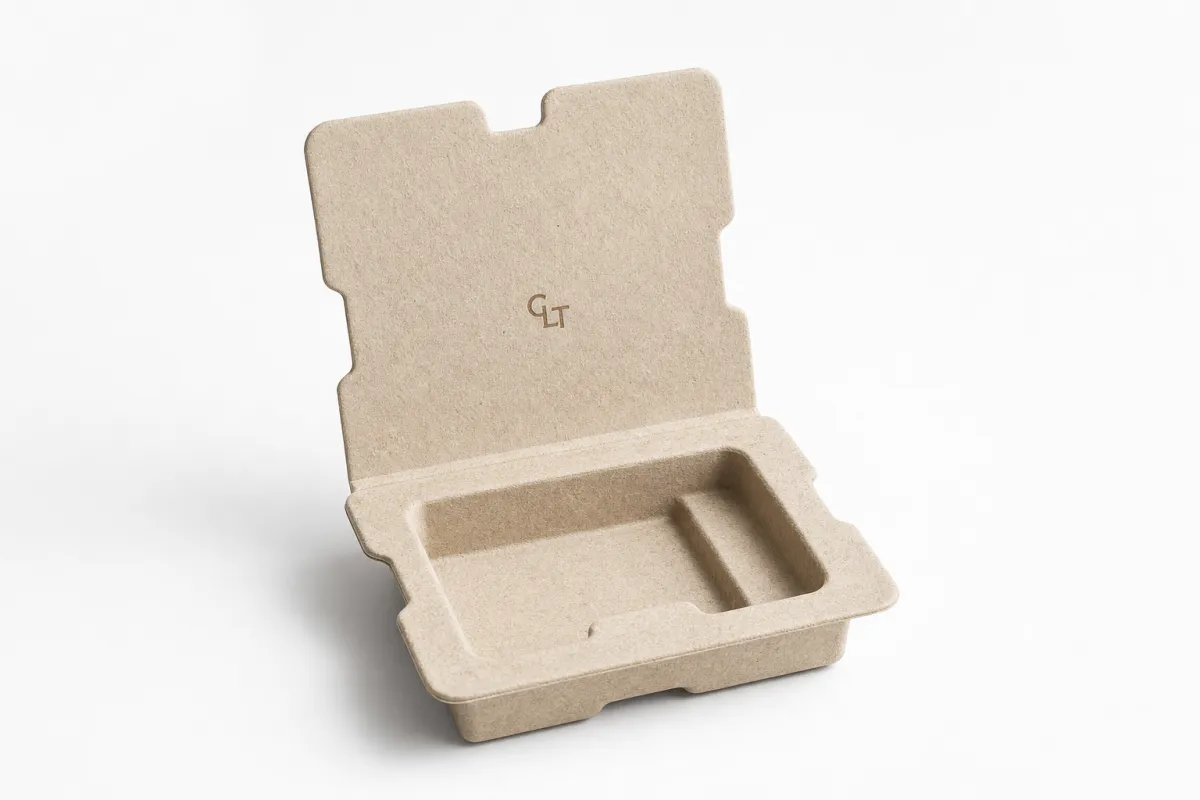
Picture a bottle set or a fragile jar shipment. The shipper may be strong, the print may be perfect, and the closure may be secure, yet a half-inch of movement can still turn the pack into a risk. Custom recycled packaging inserts wholesale works because it matches the product shape instead of forcing the product to live inside a generic cavity. That close fit reduces bounce, removes rattle, and keeps the item centered where it belongs.
Protection usually comes from restraint, not sheer thickness. A dense board is not a guarantee of better performance if the layout leaves too much room around the item. A smaller insert with cleaner geometry can outperform a bulkier piece because it carries force where it matters and cuts down the air gap that allows impact. That is the real logic behind custom recycled Packaging Inserts Wholesale: the fit has to be right before anything else can be right.
Recycled paperboard, molded pulp, and corrugated die-cuts often compare well against foam because they handle end-of-life better and usually look more aligned with current sustainability claims. Foam still has a place in some high-risk applications, especially where moisture, weight, or extreme sensitivity comes into play. Most brands, though, begin with recycled substrates because they want a cleaner disposal story and a packaging system that matches the materials they say they prefer.
Presentation has its own weight. Customers notice when the insert looks built for the product rather than borrowed from another job. Clean edges, crisp compartments, and a product that sits squarely in the tray all send a quiet signal that the brand cares about the details. That is why custom recycled packaging inserts wholesale supports both protection and packaging design. The insert guides the unboxing sequence, keeps the product framed correctly, and avoids the loose, improvised feel that cheap filler can create.
If the product can move inside the carton, the first place to look is the insert, not the outer box.
Procurement teams also gain something less visible but equally valuable: repeatability. Once a fit is confirmed, the same spec can be re-ordered, checked, and used again without rebuilding the structure from scratch every time. That saves back-and-forth, shortens internal approvals, and keeps packaging standards from drifting as volumes change. Custom recycled packaging inserts wholesale gives a buyer something solid to hold onto across multiple production runs.
Brands that compare recycled versus premium often miss the real choice. The decision is usually recycled versus wasteful. The better insert does its job with the least practical amount of material, shaped to the SKU, the ship method, and the unboxing goal. Less movement. Fewer returns. Better customer reaction. Those are measurable outcomes, not marketing language.
Custom recycled packaging inserts wholesale: materials and formats
Material choice shapes everything else. Custom recycled packaging inserts wholesale usually starts with recycled paperboard, molded pulp, corrugated board, chipboard, or a hybrid structure. Each substrate brings a different balance of stiffness, shock resistance, appearance, and cost. The best answer depends on product weight, product shape, and the amount of drop, crush, and vibration protection the shipper needs to provide. There is no single material that wins every job.
Recycled paperboard is common for cosmetics, small electronics, and retail kits because it cuts cleanly, prints well, and stays light. Molded pulp offers stronger shock absorption and carries a natural recycled look that suits bottles, jars, and fragile components. Corrugated board brings more compression strength and works well for heavier products or sets with multiple parts. Chipboard fits lighter retail packs and tray-style inserts where presentation matters as much as protection. Hybrid structures combine those strengths when one material alone does not solve the problem.
Format matters just as much as substrate. A die-cut tray can cradle a bottle line, while a compartment insert can separate items in a kit without creating wasted space. Corner supports help frame-like objects and boxed devices. Sleeves and nested layers stabilize premium sets without making the packaging feel overbuilt. For bottles, jars, candles, and cosmetics, the right custom recycled packaging inserts wholesale format prevents both vertical bounce and side-to-side drift. For electronics, the insert often needs tighter channels and more exact cutouts so cords, accessories, and devices stay in place without pinch pressure.
Surface finish changes the impression fast. Kraft tones communicate practicality and recycled content. Bleached board looks brighter and often suits cleaner retail presentations. Uncoated finishes feel more tactile and are easier to recycle in many collection streams. A light print layer can carry instructions, product codes, or a small logo without turning the insert into a coated billboard. That balance matters because most buyers want the insert to support package branding, not compete with the product inside it.
A useful starting order keeps the work grounded. Weight comes first. Fragility comes next. Unboxing goals come after the structure is stable. Custom recycled packaging inserts wholesale works best when the design responds to the failure mode instead of the decoration brief. If the product breaks under compression, solve compression. If it slides, solve fit. If the presentation feels plain, refine the finish after the protection is locked in.
I have seen plenty of samples that looked perfect on a desk and then started to fail after the first real warehouse cycle. Humidity softens some boards, vibration exposes weak cut lines, and a design that felt snug in a sample room can open up a little too much once the line starts moving. That is why the material conversation has to be tied to the shipping environment, not just the rendering.
For teams comparing materials, this table gives a practical baseline.
| Material | Best For | Relative Cost | Strengths | Tradeoffs |
|---|---|---|---|---|
| Recycled paperboard | Cosmetics, light devices, branded kits | Low to moderate | Clean print, light weight, strong presentation | Less crush resistance than corrugated |
| Molded pulp | Bottles, jars, fragile items | Moderate | Good shock absorption, recycled feel, stable nesting | Tooling and texture can limit fine detail |
| Corrugated board | Heavier products, multi-item shipper packs | Moderate | Compression strength, cost control at scale | Bulkier than paperboard |
| Chipboard | Retail packaging, light inserts, trays | Low | Economical, easy to convert, good for simple shapes | Limited protection for heavier SKUs |
| Hybrid structure | Premium sets, mixed SKUs, fragile combinations | Varies | Tailored protection, stronger fit, better presentation | More design work and possible lead-time impact |
Buyers who want a stronger sustainability signal should ask about recycled content, FSC sourcing, and coating limits during spec review. You can read more about forest certification through FSC, and packaging test methods through ASTM International. Those references do not replace a material spec, but they help keep the sourcing conversation honest and grounded in real packaging claims.
Material specifications, fit, and testing criteria
Custom recycled packaging inserts wholesale performs only when the drawing reflects the real product. Buyers need a spec sheet that covers dimensions, weight, closure style, pack-out sequence, and any secondary pieces such as caps, droppers, cords, or accessory cards. A bottle that measures 82 mm tall and carries a pump behaves very differently from the same bottle without one. Even a small change in height or profile can alter the fit enough to affect the whole project.
The technical language matters. Caliper describes board thickness. Compression strength describes how well the insert resists stacking pressure. Tolerance shows how much variation the design can accept before the product starts rattling or binding. For custom recycled packaging inserts wholesale, those numbers are part of the working spec, not background details.
Warehouse reality needs to be part of the conversation too. A carton may sit in a dry sample room, then move through humid storage, pallet stacking, parcel vibration, and repeated handling at a fulfillment center. A design that looks fine in a clean room can still fail once the material swells, flexes, or compresses under load. A useful test plan should reflect the conditions the pack will actually face. Regional parcel shipping calls for a different test approach than a display carton that spends most of its life on a pallet.
Buyers may also want the sustainability details documented before approval. Recycled content percentage. FSC certification. Recyclability claims. Compostability, if the substrate truly qualifies and the local waste stream can handle it. Those labels are not interchangeable. A design can be recyclable but not compostable, or compostable on paper yet impractical in many residential collection systems. Good custom recycled packaging inserts wholesale sourcing stays clear about those differences instead of blurring them for a better sounding line.
Validation usually starts with a prototype or sample. The next step is a fit check using the actual product, not a stand-in. After that, some teams run a basic drop test, while others use an ISTA-based protocol depending on the product value and shipping network. If the shipment has real transit risk, ISTA standards are worth reviewing because they give structure to what can otherwise become guesswork. Lower-risk items may only need a practical in-house check; premium or fragile SKUs usually justify formal testing.
Most buyers should expect this sequence before releasing full production:
- Confirm exact product measurements and weight.
- Review a dieline or structural sketch.
- Approve a sample built with final material thickness.
- Test fit, closure, and movement in the real carton.
- Check handling, stacking, and basic drop performance.
- Sign off only after the insert stays stable during repeated pack-out.
Multi-component packs deserve extra attention. A modular kit may need the tray to accept the item in a specific order so the lid closes without stress. That happens often in branded packaging programs where presentation and speed have to work together. In those cases, custom recycled packaging inserts wholesale should be engineered for the packing line as much as for the finished box. A design that saves five seconds per unit can matter more than a small material savings, especially when a team is packing at scale and cannot afford hiccups.
One detail that gets missed often is product variation. Cosmetic jars, glass bottles, and molded plastic components may vary enough to expose weak assumptions about fit. If the insert only works with the best sample, the line will eventually feel it. Buyers who test against the full range of expected variation tend to avoid unpleasant surprises after launch.
Custom recycled packaging inserts wholesale pricing and MOQ
Pricing for custom recycled packaging inserts wholesale comes down to a few variables that are easy to underestimate. Material choice matters. Cut complexity matters too. Print coverage, tooling, sheet yield, and order volume all move the number. A simple one-piece recycled paperboard insert will price very differently from a multi-compartment molded structure with tight tolerances and custom tooling. Headline comparisons can be misleading if the quote does not reflect the exact spec.
Minimum order quantity, or MOQ, depends on the substrate and the production method. Simple die-cut paperboard or chipboard builds may allow smaller quantities, especially when the insert is adapted from an existing layout. Fully custom molded fiber or highly engineered structures usually need a higher MOQ because tooling and setup costs have to be spread across more units. Pilot runs are useful when a buyer wants to confirm fit before committing to a larger order, but the unit price on a pilot run will almost always come in higher.
For planning, buyers often see small to mid runs priced from about $0.18 to $0.45 per unit for basic recycled paperboard or simple corrugated forms, depending on quantity and cut complexity. Molded pulp can rise when tooling or special forming enters the job. Complex premium kits can move beyond those ranges. Exact pricing changes quickly with volume, so the better question is not, "What is the cheapest insert?" The better question is, "What is the lowest total cost once damage, labor, and rework are included?"
That total-cost view is where custom recycled packaging inserts wholesale usually proves its value. A slightly higher unit price can still lower overall spend if it cuts breakage, speeds packing, and reduces void fill. If a team packs 10,000 units and saves 12 seconds per order, labor savings alone can shift the economics. Add one fewer damage claim per hundred shipments and the case gets stronger. Experienced procurement teams compare packaging options on system cost, not unit price alone.
The comparison below shows how the numbers often behave in practice.
| Option | Typical MOQ | Indicative Unit Cost | Best Use | What Drives Cost Up |
|---|---|---|---|---|
| Stock-size adapted insert | Lower | $0.12-$0.28 | Fast launch, simple fit | Custom print, small quantity, revisions |
| Fully custom paperboard insert | Moderate | $0.18-$0.45 | Brand-led retail packaging, lighter SKUs | Complex die-cuts, print coverage, tighter tolerances |
| Molded pulp insert | Moderate to higher | $0.25-$0.60 | Bottles, jars, protective nests | Tooling, shape detail, volume limits |
| Corrugated custom insert | Moderate | $0.16-$0.40 | Heavier products, shipper protection | Board grade, compression requirement, nested complexity |
Quote speed matters too. A straightforward custom recycled packaging inserts wholesale quote can often come back within a few business days if the buyer shares complete dimensions, target quantity, and material preference. More complex projects take longer because the vendor may need to sketch the structure, revise a dieline, or sample the build before pricing with confidence. A quote without a real spec is kinda a guess wearing a polished tone.
When comparing vendors, ask for the same variables every time: material grade, thickness, print treatment, shipping terms, tooling ownership, and whether revisions are included. That is the cleanest way to compare custom recycled packaging inserts wholesale offers on equal terms. One supplier may quote lower and quietly leave out sample revisions or freight. Another may include those items and end up cheaper overall. Teams that ask the same questions on every bid avoid spreadsheet noise and make sharper decisions.
There is a strategic side to this as well. If the insert will support multiple SKUs, paying a little more for a flexible structure can be smarter than forcing each product into a one-off design. Standardizing a family of inserts can cut procurement friction and make future restocks easier. That approach works especially well for brands with seasonal kits or recurring retail packaging drops.
Process, timeline, and production steps from quote to delivery
Custom recycled packaging inserts wholesale follows a fairly predictable workflow, and buyers who understand the steps usually move faster. The process starts with a request for quote, then a discovery call or written review of the dimensions, then a structural proposal or dieline, followed by sampling, approval, production, quality control, and shipment. Each step exists for a reason. Skip one, and the delay usually shows up somewhere else.
A simple build can move from quote to approved sample in a short window if the measurements, product samples, and artwork are ready. More complex builds need more buffer. Multiple compartments, print, unusual folds, or hybrid construction all stretch the timeline. The real schedule driver is not only the production line; it is also how quickly the buyer returns feedback. Custom recycled packaging inserts wholesale projects often stall on the client side long before they stall on the shop floor.
In practical terms, a straightforward project may need about 10 to 15 business days after proof approval for production, while a more complex structure can take longer. Add shipping time and a launch calendar can get tight quickly. Inventory planning matters here. The insert should arrive before the packaging line begins, not the day after the first shipment should have gone out. Kitting schedules are unforgiving, and they rarely forgive a late insert.
Delay points tend to repeat. Missing dimensions. Product samples that arrive late. Slow approval on the first proof. Revisions that change the fit after tooling has started. Freight bookings that get pushed to the end. None of those problems are unusual. They are just expensive when the project has no buffer.
Here is the sequence a disciplined project usually follows:
- Request - share the product specs, target quantity, and sustainability requirements.
- Discovery - confirm shipping method, packaging design goals, and retail packaging constraints.
- Structure - review the dieline or sample build for fit and fold logic.
- Sample - test the insert with real product and real carton dimensions.
- Approval - sign off only after movement, closure, and appearance pass.
- Production - run the order with in-process QC checks.
- Shipment - book freight early enough to avoid a launch gap.
Quality control deserves real attention. During production, buyers should expect checks on cut accuracy, fold consistency, material thickness, and pack-out fit. If the order includes Custom Printed Boxes or matching inserts, color and registration checks may matter too. A disciplined QC plan protects repeatability, and repeatability is where custom recycled packaging inserts wholesale pays for itself over time.
The insert cannot be judged alone. The outer box and the insert work as one system, and a great insert can still fail inside a carton that is too large, too tall, or too slick. That is why packaging teams test the insert with the final shipper, not just as a standalone part. If the box needs a change, the insert spec may need one too. The best results come from treating the carton and insert as a single structure.
Timing matters on the brand side as well. If the insert supports a product launch, the packaging schedule should be locked before photography, fulfillment training, and sample shipments go live. That sounds routine, yet it is often where brands save themselves from a last-minute replacement. It is far better to validate custom recycled packaging inserts wholesale early than to explain a temporary workaround after the launch has already started.
Why choose us for custom recycled packaging inserts wholesale
Buyers tend to return for the same reasons: accurate quoting, better fit, fewer revisions, and inserts that hold up in transit. Custom recycled packaging inserts wholesale should feel engineered, not improvised. The conversation has to start with the product, the shipping method, and the customer experience at the end of the route. Sustainability matters too, though it needs to show up as a real design constraint with a measurable outcome rather than a vague promise.
Custom Logo Things is built for buyers who want practical help instead of polished packaging jargon. If you need to choose between recycled paperboard, molded fiber, corrugated board, or a hybrid insert, the first step is to compare fragility, weight, and presentation goals before you approve a structure. If your program also includes broader Custom Packaging Products or recurring Wholesale Programs, one insert spec can often be shaped to fit the buying rhythm instead of fighting it. That reduces rework and keeps the process calmer.
Here is the order checklist that usually produces the cleanest result:
- Gather exact product dimensions, weight, and closure details.
- Choose a recycled substrate based on protection and presentation.
- Request a sample and test it with the final carton.
- Compare at least two quotes using the same spec.
- Confirm MOQ, lead time, and freight before release.
If you want to move quickly, send the product measurements, target quantity, and sustainability targets together. That gives the quoting team enough information to avoid guesswork and keeps the project on schedule. It also makes it easier to see whether your custom recycled packaging inserts wholesale program should lean toward molded pulp, recycled paperboard, corrugated support, or a hybrid design that balances presentation with protection.
From a buyer's perspective, consistency is the real value. One order should look and perform like the next. The insert should lock the product in place, support the unboxing experience, and reduce waste without creating a new problem elsewhere in the supply chain. Good packaging design does exactly that. It makes the shipping process calmer, the brand feel more deliberate, and the logistics team a little less anxious.
Custom recycled packaging inserts wholesale also fits brands that are tightening their sustainability claims. A recyclable insert, paired with sensible material choices and modest print coverage, tells a cleaner story than foam-heavy alternatives. That story still has to be true. If the structure needs mixed materials or coatings, say so. Buyers trust a clear answer more than an oversold one, and that trust keeps reorder cycles moving.
The practical path is simple: define the product, match the insert to the failure mode, validate fit, compare quotes on the same spec, and hold the production schedule long enough to protect the launch. That sequence keeps the packaging honest and avoids the kind of last-minute scramble that can turn a good design into a messy rollout.
Custom recycled packaging inserts wholesale is not just about cutting waste. It is about controlling damage, improving the first touchpoint, and keeping procurement efficient enough to scale. That combination is why it keeps outperforming generic filler in real shipping programs.
FAQ
What do I need to request custom recycled packaging inserts wholesale pricing?
Provide product dimensions, weight, material preference, and the number of items each insert must hold. Include shipping method, target quantity, and whether the insert must fit a retail box, mailer, or outer shipper. Share sustainability requirements upfront so the quote reflects recycled content, recyclability, or certification needs. The more complete the spec, the more accurate the custom recycled packaging inserts wholesale quote will be.
Can custom recycled packaging inserts wholesale replace foam inserts?
Yes for many products, especially when the insert can lock the item in place and control movement. Paperboard, molded fiber, and corrugated options often handle cosmetics, bottles, and light electronics well. Very heavy, oily, or moisture-sensitive products may need a different design or a hybrid structure. For a lot of branded packaging programs, custom recycled packaging inserts wholesale is the cleaner alternative to foam.
What is a normal MOQ for custom recycled packaging inserts wholesale orders?
MOQ depends on material, cutting method, and whether the insert is fully custom or based on an existing size. Simpler designs usually allow lower minimums than complex multi-part structures with custom tooling. A pilot run can be useful when a buyer wants to validate fit before committing to a larger production order. That is especially common in custom recycled packaging inserts wholesale projects for launches or seasonal kits.
How long do custom recycled packaging inserts wholesale projects usually take?
A straightforward project can move from quote to approved sample quickly if dimensions and artwork are ready. Production time depends on tooling, sample revisions, and order size, so complex builds need more buffer. Freight planning matters too, because inserts should arrive before product packing begins. In most cases, the schedule gets tighter because approvals slow down, not because the shop cannot run the order.
Are custom recycled packaging inserts wholesale orders recyclable after use?
Many are recyclable if they use a mono-material construction and minimal coatings or laminations. Print coverage, adhesive choice, and mixed materials can affect end-of-life handling, so ask before approving the spec. Local recycling rules still matter, so the best answer is to match the design to the buyer's disposal stream. That is one reason custom recycled packaging inserts wholesale should be specified with the final use case in mind, not just the marketing line.

