Custom Ribbed Winter Hats in Bulk: What Buyers Should Lock Down First
A custom Ribbed Winter Hats bulk order looks straightforward until the details start moving. Knit structure, cuff depth, yarn choice, and decoration method all affect fit, appearance, and cost. If those choices are not settled early, the order can drift into sampling delays, artwork problems, or hats that look fine in proof form but feel wrong in hand.
Ribbed beanies are popular because the stretch gives them a wider fit range than flatter knits. That flexibility helps with corporate gifts, retail programs, employee kits, and event giveaways. The best bulk orders are usually the ones that fit well, hold shape, and arrive packed the way the receiving team expects.
Why ribbed knit stretch lowers risk in bulk programs
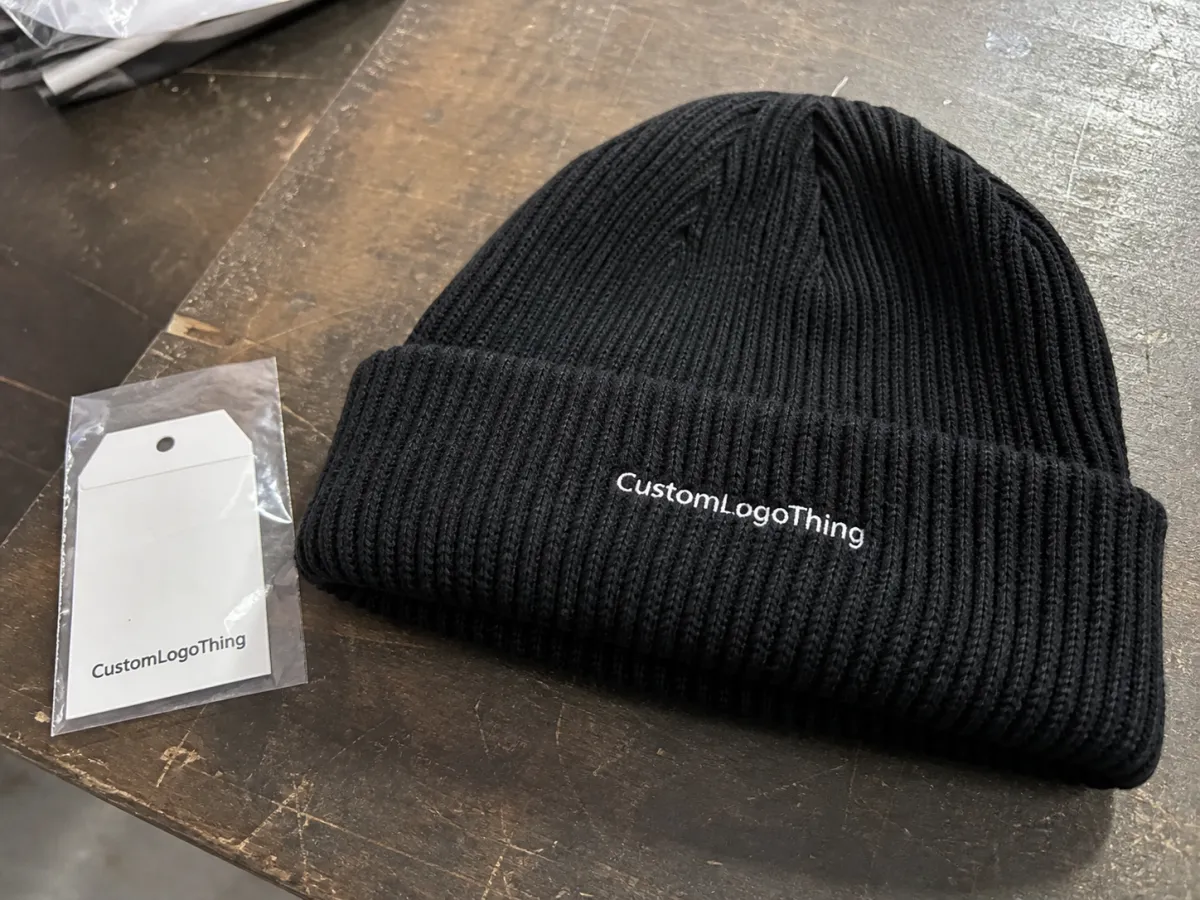
Ribbed knit is more than a texture. The vertical columns add elasticity, which lets one size work across a wider range of heads. That reduces the risk of tight fits, loose fits, and the extra inventory that comes from splitting an order into multiple sizes.
That flexibility also makes planning easier. A one-size profile works well for most promotional and retail programs, unless the design is intentionally slouchy or extra shallow. For teams buying winter hats at scale, fewer fit problems usually means fewer complaints and fewer leftovers.
Ribbed construction also rebounds better after being stuffed into a pocket, pulled on and off, or compressed in transit. It is not a technical performance product by default, but for everyday winter use it tends to stay presentable longer than a flatter knit that loses shape quickly.
The cheapest winter hat is not always the cheapest program if it pills early, stretches out, or comes back from the first wash looking tired.
For buyers comparing a custom ribbed winter Hats Bulk Order with other cold-weather items, the real question is risk. Does the knit lower the chance of returns, fit complaints, or presentation issues? In many cases, yes, and that matters as much as unit price.
Materials, cuff builds, and decoration that hold up
Material choice affects warmth, drape, hand-feel, and how decoration behaves once the hat is stretched. Acrylic is still the most common bulk option because it is cost-effective, predictable, and easy to color-match. It is usually the best fit when budget and consistency matter more than a premium hand-feel.
Polyester blends work well when a smoother, slightly technical surface is useful. They are often a better fit for outdoor crews, activewear tie-ins, or hats that will carry labels and patches. Wool blends feel warmer and more premium, but they also raise cost and care requirements. Recycled fiber mixes are common in sustainability-led programs, though buyers should confirm the actual blend and not assume all recycled yarns perform the same way.
No single yarn works for every use case. A simple acrylic rib beanie can be the right answer for a large event order. A wool blend may make more sense for retail or premium gifting. The right choice depends on the audience, the expected wear cycle, and how much the program can absorb in unit cost.
| Material | Typical feel | Best use | Tradeoff | Relative cost impact |
|---|---|---|---|---|
| Acrylic | Soft, warm, easy to dye | Promotions, general retail, team giveaways | Can pill with heavy wear | Lowest |
| Polyester blend | Smooth, slightly technical | Outdoor crews, activewear tie-ins | Less wool-like in hand-feel | Low to moderate |
| Wool blend | Warmer, more premium | Gift programs, retail drops | Higher price, care sensitivity | Moderate to high |
| Recycled fiber mix | Varies by yarn source | Sustainability-led campaigns | Texture and color can vary by lot | Moderate |
Cuff construction matters too. A folded cuff creates a flatter decoration zone and usually gives the hat a more structured look. That makes it a good fit for embroidery, woven labels, and patches. A shorter cuff feels lighter, but it leaves less room for art and less room for error.
Decoration should match the surface. Ribbing can support embroidery, but stitch density has to be controlled or the knit may pucker. Patches are a strong choice when the logo has small type or fine lines. Woven labels work well for subtle branding, and jacquard knitting is the most integrated option when the artwork needs to become part of the fabric.
Durability is where many winter orders succeed or fail. Decoration on a textured knit should be checked for stretch recovery, abrasion, and wash behavior. A mockup cannot show that. A sample can. Packaging should also be settled early if the order needs hangtags, insert cards, or retail-ready cartons, especially when the hats sit inside custom printed boxes, coordinated inserts, or other product packaging pieces in a larger branded set.
For transit-heavy shipments, packaging should protect the knit without overcomplicating receiving. References such as ISTA are useful when the goal is to land the hats in sellable condition. If paper components are part of the order, FSC certification can help support cleaner sourcing claims.
Specifications to lock before you request a quote
The cleanest quotes come from buyers who know the spec before they ask for pricing. Start with dimensions: hat height, cuff depth, and how much stretch the body should allow. A shallow profile, a standard beanie, and a slouchier cut are not interchangeable, even if all three are described as one size.
Color is the next source of avoidable problems. Provide Pantone references early, and say whether a heathered or melange finish is acceptable. Knit yarn can shift color slightly once it is built into a ribbed body, so the brief should define how close the final hats need to be to the brand palette.
Decoration placement needs the same discipline. A patch centered on a flat proof can sit differently once the ribbing stretches. Embroidery can shift too, especially on a tall cuff or a very flexible body. Ask where the decoration sits when the hat is worn, not only when it is laid flat.
Packaging and labeling should be written into the spec sheet before sampling begins. Confirm whether the order needs individual polybags, barcode stickers, hangtags, folded cartons, or carton-level labels for distribution. If the hats are going into employee kits, wholesale resale, or seasonal gift sets, the packing sequence affects labor and timing.
Approving a digital proof or pre-production sample is not a formality. It is the checkpoint that catches misread dimensions, off-center artwork, color drift, and decoration that does not respect the knit structure. If the order includes matching inserts, shelf-ready cartons, or bundled merchandise, confirm how the hats fit into the larger Custom Packaging Products plan. For broader quantity or support questions, the Wholesale Programs page can help frame the order structure before production starts.
- Final artwork files in vector format
- Pantone references for yarn and decoration
- Exact fit notes for shallow, standard, or slouchy profiles
- Label and packaging instructions with carton counts
- Shipping address and approval deadline for the production calendar
Pricing, MOQ, and unit cost drivers
Price depends on more than quantity. Yarn choice, knit complexity, cuff design, decoration method, color count, packaging, and labeling all affect the final number. A simple acrylic rib beanie with one-color embroidery will usually land lower than a wool blend hat with a woven patch, custom label, and retail carton.
MOQ usually follows the production method. Simple builds often support lower minimums, while custom yarn programs or multi-color jacquard patterns need more volume to stay efficient. For many bulk hat programs, 250 to 500 units is a common pricing zone. At 1,000 units and above, tier breaks often become more attractive.
| Order tier | Typical quote shape | What to ask for | Common cost driver |
|---|---|---|---|
| 100 units | Highest unit price | Sample cost, setup fees, freight terms | Setup spread over fewer pieces |
| 250 units | Better balance of cost and flexibility | Decoration options and packaging adders | Standard MOQ for many simple builds |
| 500 units | Usually stronger pricing | Tiered pricing and reorder assumptions | Better production efficiency |
| 1,000 units | Best break for many programs | Tooling, artwork, and carton pricing | Setup costs diluted across volume |
Ask for pricing at 100, 250, 500, and 1,000 units so the step-down points are visible. That comparison often shows whether the current size is efficient or whether a slightly larger buy would lower the landed cost enough to matter. It also helps expose setup charges, packaging labor, and freight assumptions that do not belong in the headline number.
Separate unit price from landed cost. Freight, import timing, storage, label application, and secondary packaging can erase a small savings very quickly. A cheap hat that arrives late or needs extra packing work is not really cheap. The better question is what the finished piece costs to receive, pack, and distribute.
Process, timeline, and production steps from art to delivery
The production flow should be easy to explain: brief, artwork review, proof or sample approval, production, quality check, packing, and shipment. If a supplier cannot describe that sequence clearly, the buyer is taking on avoidable risk. Knit orders are manageable because each step should close one variable before the next one opens.
Stock-color beanies usually move faster than custom yarn blends or retail packaging programs. Add a woven patch or custom label and the schedule gets longer. Add multiple colors, special cartons, or inserted cards and the calendar stretches again. None of that is unusual; it just needs to be named early so the delivery date reflects the actual work.
For simple orders with material in hand and artwork already approved, the time from final signoff to shipment can often fall in the 12 to 15 business day range. More customized runs can take longer, especially when yarn needs to be sourced or the order includes secondary packing. Seasonal buyers should plan earlier than they think they need to.
Written checkpoints keep the process tight:
- Approve the tech spec and price tier.
- Review the artwork and decoration placement.
- Sign off on the sample or digital proof.
- Confirm production dates and carton counts.
- Release the deposit or purchase order.
That sequence prevents a lot of expensive confusion and keeps procurement, marketing, and operations aligned. A custom ribbed winter hats bulk order becomes much easier to run once the decision trail is written down and the schedule is visible.
Packaging is often the hidden schedule risk. A hat packed loose in a bulk carton moves differently from one folded into an insert card or grouped into retail-ready sets. If the order needs cartonized packing or kits, that labor should be built into the timeline from the start.
What to check before you place the order
Supplier selection should be based on consistency, not just the lowest quote. Look for clear communication, repeatable samples, written specs, and evidence that the supplier understands knit goods well enough to explain the tradeoffs. If they can show how they handled cuff depth, decoration placement, and packaging instructions on similar orders, that is a useful sign.
Ask how reorders are handled. Can the supplier match the same yarn tone and decoration method later? Will the labels and packaging still be available? Does the spec sheet stay on file? Those questions matter because winter headwear often gets reordered after the first round performs well.
Watch for signs of discipline: written lead times, responsive quotes, and a willingness to confirm carton packing and labeling in writing. If the supplier is vague about proofing stages or avoids direct questions about packing sequence, that is a warning sign.
Keep the buying process tight. Approve the spec sheet first. Confirm quantity tiers next. Sign off on the sample or proof after that. Then release the deposit or purchase order. That order limits avoidable mistakes and gives each team member a clear reference point.
If the order includes bundled merchandise, customized mailers, or holiday kits, the hat should be reviewed alongside the broader package branding plan. For common setup questions, the FAQ page can help frame expectations before the order moves into production.
Bottom line: choose the ribbed structure for its fit range, lock the spec before quoting, compare pricing tiers honestly, and verify the timeline before you sign. That is the practical path to a better winter hat program.
FAQs
What minimum quantity is typical for ribbed winter hats in bulk?
Many suppliers price best at 250 to 500 units, though smaller pilot runs can exist at a higher per-unit cost. Ask for tiered quotes so you can see where pricing improves at 1,000 units or more. Simple builds usually support lower MOQs than custom yarn or multi-color knit patterns.
Which decoration method lasts longest on a ribbed beanie?
Embroidery and woven patches usually hold up well because they are attached to the surface rather than printed on it. Jacquard knitting is also durable when the artwork can be built into the fabric itself. Heat-applied graphics can work, but they should be tested for stretch and wash resistance before approving a full run.
Can I order custom ribbed winter hats with my logo and colors?
Yes. Most bulk programs support logo placement, custom yarn colors, and branded labels or packaging. Provide Pantone references and vector artwork early so proofing moves faster. If exact color matching matters, request a physical sample or lab dip before production starts.
How long does production usually take after approval?
Simple orders can move quickly once artwork and quantities are approved. Custom yarns, extra decoration, and retail packaging can add time before the first shipment. Get the production calendar in writing so you can plan around launch dates or holiday delivery windows.
What should I ask for in a quote for bulk winter hats?
Ask for unit price by tier, setup fees, sample cost, packaging cost, and freight terms. Confirm whether the quote includes decoration, labels, and carton packing. Request the lead time for samples and the estimated turnaround for the full order.

