Buyer Fit Snapshot
| Best fit | Custom Rigid Boxes With Logo projects where brand print, material claims, artwork control, MOQ, and repeat-order consistency need to be specified before quoting. |
|---|---|
| Quote inputs | Share finished size, material target, print colors, finish, packing count, annual reorder estimate, ship-to region, and any compliance wording. |
| Proofing check | Approve dieline scale, logo placement, barcode or warning zones, color tolerance, closure strength, and carton packing before bulk production. |
| Main risk | Vague material claims, crowded artwork, missing packing details, or unclear freight terms can make a low unit price expensive after revisions. |
Fast answer: Custom Rigid Boxes With Logo: Design, Cost, and Timing should be specified like a repeatable production item. The safest quote records material, print method, finish, artwork proof, packing count, and reorder notes in one written spec.
Production checks before approval
Compare the actual filled-product size with the drawing, then confirm tolerance on folds, seals, hang holes, label areas, and retail display edges. Reserve space for logos, QR codes, warning copy, and material claims before decorative graphics fill the panel.
Quote comparison points
Review material grade, print process, finish, sampling route, tooling charges, carton quantity, and freight assumptions side by side. A quote is only useful when the supplier can repeat the same color, closure quality, and packing count on the next order.
Custom Rigid Boxes With Logo: Design, Cost, and Timing
Set two identical products on a table. Put one in a plain carton and the other in Custom Rigid Boxes with logo, and most people will guess the second one costs more before they even lift the lid. I have watched that reaction happen in a showroom and in a conference room, and it is quick enough that nobody really has time to explain it. That is the power of structure, surface, and branding working together. With custom rigid boxes with logo, the box starts doing part of the selling before the product is even touched.
What Custom Rigid Boxes With Logo Really Are
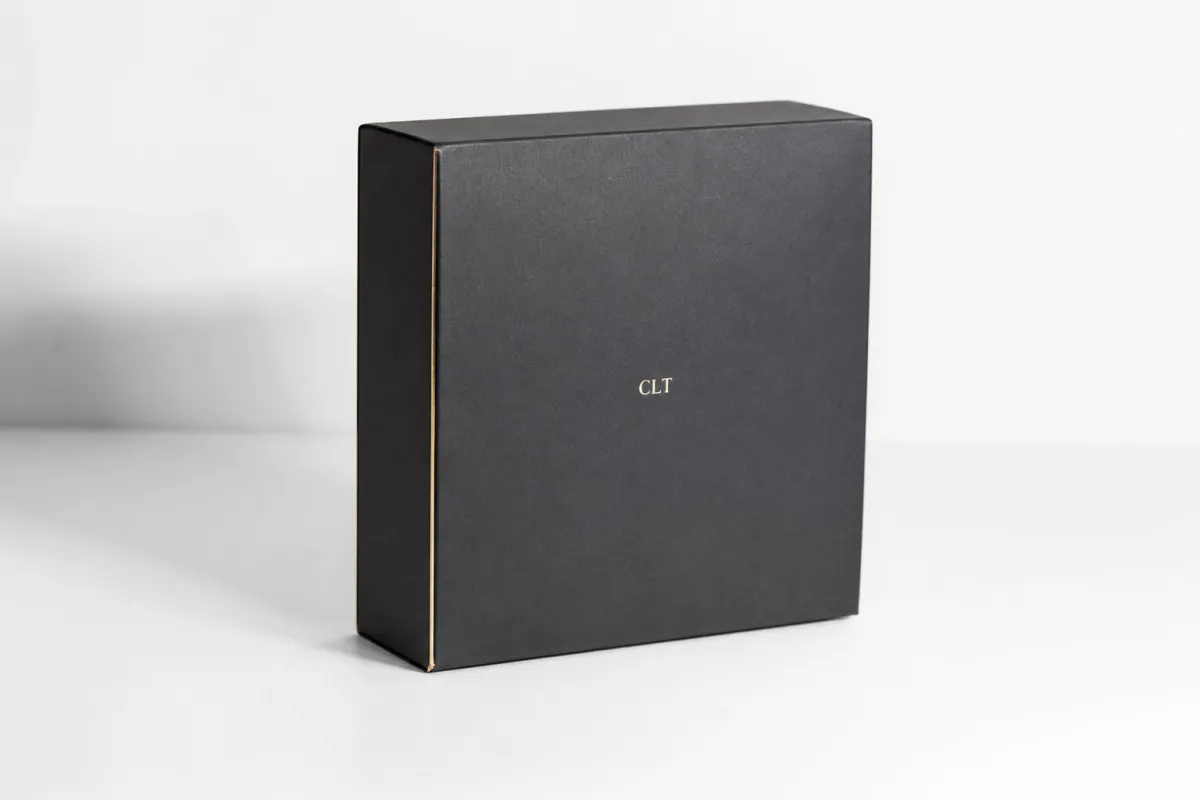
Custom rigid boxes with logo are set-up boxes made from thick chipboard or greyboard, then wrapped in printed paper, textured stock, or specialty cover material. They are built for presentation first and protection second, which is why they feel far more substantial than a folding carton. That extra stiffness matters to a packaging buyer because it changes how the product is judged the moment the box is picked up.
The logo is not just decoration. In branded packaging, it is the fastest recognition cue a shopper gets, and it tells the customer that the package was designed on purpose instead of assembled as an afterthought. A plain white rigid box can still be useful, but custom rigid boxes with logo carry a broader job: they support package branding, improve shelf presence, and make the opening moment feel deliberate rather than generic.
It also helps to separate function from format. Folding cartons are lighter and better for high-volume, cost-sensitive product packaging. Corrugated shippers are made to survive transport and rough handling. Custom rigid boxes with logo live in a different lane because they are not the cheapest option, yet they are often the right one for cosmetics, gifts, electronics, premium apparel, subscription kits, and presentation sets where the package is part of the product experience.
One rule tends to hold up in practice: use rigid construction when the box needs to impress, keep its shape, and support resale value or gifting. Use a carton or mailer when the budget is tight or the package will disappear inside a larger shipper. That is why custom rigid boxes with logo show up so often in premium retail projects, even though they are not the right answer for every SKU. Packaging design is supposed to be practical, not magical.
The promise is straightforward. Used well, custom rigid boxes with logo improve perception without forcing a brand into unnecessary complexity. Used poorly, they can turn into a messy proofing cycle full of fit issues, finish changes, and missed dates. The sections that follow are about staying in the first group. Nobody needs a packaging project that eats half the launch calendar, and frankly, that happens more often than brands expect.
How Custom Rigid Boxes With Logo Are Built
Custom rigid boxes with logo begin with a board structure, usually 1.5 mm to 3 mm thick chipboard depending on the box size and the product load. The panels are cut, scored, and assembled into a rigid shell, then wrapped with printed paper, textured paper, or specialty cover stock. Corners are glued or turned in, which is why the finished box stays crisp instead of collapsing the way a paperboard carton does. Once you have handled both side by side, the difference is obvious.
Logo placement changes the final result more than many brands expect. A blind deboss can look quiet and expensive. Foil stamping reads louder and catches the light. Full-color wraps can turn the entire box into a brand canvas, while spot UV, embossing, and soft-touch lamination add tactile contrast. Structural build and surface finish are not the same thing, and mixing them up is one of the first mistakes people make when ordering custom rigid boxes with logo.
Several styles show up again and again. Lift-off lid boxes feel classic and clean. Magnetic closure boxes feel more considered because the lid closes with a soft snap. Book-style boxes open like a presentation case and work well for sets or premium launches. Drawer-style rigid boxes create a slower reveal, which is why they appear so often in gift packaging and luxury retail packaging. Each style can carry custom rigid boxes with logo, but the structure should match the product weight, opening behavior, and shipping plan.
The Best Use Cases usually involve products with visual or tactile value. Cosmetics, fragrance, jewelry, awards, tech accessories, premium candles, and curated gift sets all benefit from a box that feels intentional. If the item is compact and margin-sensitive, the box needs to be engineered carefully so the added packaging cost supports the retail price instead of chewing through it. That is the real challenge with custom rigid boxes with logo: making the package feel premium without making the program fragile or overbuilt.
For teams comparing options, a side-by-side look at structure and cost usually clears up the decision faster than a long sales call.
| Format | Best Use | Typical Unit Cost at 1,000 Units | Typical Unit Cost at 5,000 Units | Notes |
|---|---|---|---|---|
| Folding carton | Lightweight retail goods | $0.40-$1.10 | $0.22-$0.65 | Lowest cost, ships flat, less premium feel |
| Corrugated shipper | Transit protection | $0.85-$2.00 | $0.45-$1.20 | Strong for distribution, not ideal for shelf presentation |
| Standard rigid box | Premium retail or gifting | $2.40-$5.00 | $1.20-$2.40 | Stronger presentation, hand assembly is common |
| Rigid box with premium finish | Luxury launches and sets | $4.50-$9.00 | $2.20-$5.50 | Foil, embossing, inserts, and specialty wrap raise cost |
Custom Rigid Boxes With Logo Cost, MOQ, and Quote Drivers
Custom rigid boxes with logo are priced by more than size alone. Board thickness, print coverage, finish complexity, insert type, and order quantity all affect the quote. A simple 2 mm rigid box with a one-color logo and no insert will cost much less than a magnetic closure box with foil, embossing, soft-touch lamination, and a custom tray. That sounds obvious, yet buyers still get caught off guard because they compare quotes that were never based on the same spec.
MOQ matters because setup costs are real. If a supplier has to prepare the dieline, cut board, print covers, wrap shells, and hand-finish corners, those labor steps have to be spread across the run. Smaller orders usually carry a higher per-unit price for that reason. With custom rigid boxes with logo, a 300-unit order can look very different from a 3,000-unit run even if the artwork never changes. The setup burden is simply not the same.
Finishes are easier to understand when you look at them as layers of cost and handling. Matte lamination is usually the safest starting point. Soft-touch coating adds a velvety feel and raises the quote a bit. Foil stamping costs more because it needs tooling, and embossing or debossing adds another process. Spot UV is a visual accent rather than a cure for weak design; it works best when used with restraint. Custom inserts, especially foam or molded pulp, can raise cost quickly because they affect both materials and labor. For custom rigid boxes with logo, the cheapest route is not always the smartest one, but piling on effects that customers barely notice is wasteful too.
A cleaner quote starts with better information. Send exact outer dimensions, product weight, target quantity, artwork files, finish preferences, and any shipping requirements. The fewer assumptions the vendor has to make, the closer the estimate will sit to the final invoice. Ask whether tooling is included or billed separately. Foil dies, emboss plates, and specialty cutters can add anywhere from $75 to $250 each, depending on the supplier and the complexity.
A practical rule keeps budgets under control: spend more where the customer sees and touches the box, and keep the internal build practical. A box that looks excellent on the shelf but breaks at a corner after one warehouse transfer is not a good buy. That is why many brands use custom rigid boxes with logo for the outer experience and keep the insert and inner wrap straightforward. It protects margin and keeps the program scalable. That part is not glamorous, but it is the difference between a nice sample and a package that can actually ship.
- Lower-cost setup: standard size, matte wrap, one-color logo, simple paperboard insert.
- Mid-tier setup: soft-touch wrap, foil logo, printed inside lid, custom divider.
- Higher-end setup: magnetic closure, specialty paper, embossing, multi-part insert, premium reveal.
Brands that sell through retail and ecommerce often need both presentation and transit performance. If that is your situation, our Custom Packaging Products page is a practical place to compare formats before you settle on a rigid-box spec. The closer the spec matches the product, the fewer surprises show up later in the process.
Production Process and Timeline for Custom Rigid Boxes With Logo
The production path for custom rigid boxes with logo usually starts with a quote, then moves through dieline preparation, artwork layout, proofing, sampling, production, inspection, packing, and shipping. The sequence looks tidy on paper, yet delays usually happen at the front end. A dimension that is off by a few millimeters, or a logo file that is not prepared properly, can stall the project long before the press or assembly team gets involved.
For a straightforward run, many suppliers can move from proof approval to completed boxes in roughly 12 to 20 business days. Add foil, embossing, unusual inserts, or several sample rounds, and the schedule can stretch to 3 to 5 weeks or more. Custom rigid boxes with logo take longer than folding cartons because the boxes are assembled rather than shipped flat, and that hand work adds time. If a holiday launch or trade show depends on the order, build a buffer. A one-week delay on the packaging schedule can be enough to disrupt fulfillment.
Sample approval is one of the best ways to reduce risk. A physical sample shows whether the logo reads clearly at actual size, whether the lid sits square, and whether the insert grips the product without pressing too hard. Screen color can be misleading, especially on textured stocks. A warm white wrap can make a gray logo look different than it does on a monitor. That is why custom rigid boxes with logo should be reviewed under real light, not just on a laptop screen.
Delays also appear when buyers change the structure too late. A lid that needs stronger magnets, a tray that needs deeper cutouts, or a wrap that needs a different grain direction can force a partial reset. Those changes are not impossible, but they are expensive in both time and rework. From a packaging design standpoint, the faster route is to freeze the structure early and treat the artwork as the variable. That keeps custom rigid boxes with logo moving forward instead of looping through revisions.
For shipping performance, many teams use ISTA test methods as a reference point, especially if the box will travel through ecommerce channels or mixed distribution. A useful starting reference is the ISTA testing standards site, which helps clarify how packaging is evaluated for drop, vibration, and transit stress. If your rigid box needs to survive real-world handling, that type of thinking matters almost as much as the design itself.
Production scheduling also gets easier when the supplier receives one complete brief. If a buyer sends dimensions one day, artwork the next, and finish preferences a week later, the project becomes slower and harder to price. Custom rigid boxes with logo move best when the inputs stay stable. That may feel bureaucratic, but in practice it saves money and keeps launches on track. It also makes the supplier more likely to catch problems before they become expensive.
Key Factors That Change the Look, Feel, and Durability
Brand positioning should shape the box before decoration does. A quiet skincare line may want soft-touch white wrap, restrained typography, and a debossed mark. A holiday gift set can handle more contrast, more color, and a bolder reveal. Electronics packaging often needs a cleaner, technical look with tighter panel alignment and more disciplined print use. Custom rigid boxes with logo work best when the look fits the category instead of chasing decoration for its own sake.
Paper texture changes perception almost as much as color. A smooth coated wrap can feel sleek and controlled, while a linen or felted texture suggests craft and tactility. Heavy ink coverage can make a package feel richer, but it can also hide detail if the art direction is weak. Many buyers think the answer is more effects. Usually it is not. Better packaging design starts with proportion, type scale, and negative space. That is where custom rigid boxes with logo often outperform cheaper Custom Printed Boxes, because the physical structure gives the design room to breathe.
Insert choices matter for both safety and unboxing. Cardboard dividers are low-cost and easy to recycle. Molded pulp is better for brands that want a more natural sustainability story. Foam protects fragile products well, but it can feel less aligned with eco-focused branded packaging. Die-cut paper trays sit somewhere in between. The right insert depends on product weight, fragility, and how much movement you can tolerate during shipping. If the item rattles, the box loses its premium effect quickly. Well-planned custom rigid boxes with logo should hold the product just enough, not squeeze it.
Storage and transit conditions deserve more attention than they usually get. Humidity can affect wraps and adhesives. Cold warehouse conditions can change how glue cures. Long-term stacking can crush corners if the board is too light for the load. For high-volume retail packaging, I prefer to ask about pallet stacking, carton count, and corner compression before the artwork stage is even complete. That is not glamorous, but it prevents the kind of damage that makes a good design look cheap in distribution.
Sustainability is another factor, but it should be handled honestly. If you need FSC-certified paper, say so early and confirm the chain-of-custody expectations. The FSC website is a useful reference if you need to understand the certification side before talking to suppliers. FSC does not make a box automatically better, yet it can support a stronger materials story when the rest of the spec is aligned. For custom rigid boxes with logo, the label should support the packaging strategy, not replace it.
One more thing: finish samples often look better under showroom lighting than they do in a warehouse or a kitchen window. I have seen soft-touch papers pick up fingerprints faster than expected, and I have seen dark foil disappear in dim retail lighting. That does not mean those finishes are wrong; it just means the decision should be made with the real environment in mind.
Common Mistakes When Ordering Rigid Boxes
The biggest mistake is designing the box before the product dimensions are locked. If the item is still changing, the insert will be wrong, the cavity will be loose, or the lid depth will be off. That creates wasted board, awkward product movement, and a final result that feels improvised. Custom rigid boxes with logo work best when the product and the packaging are engineered together.
Another common problem is approving artwork on screen and assuming the printed result will match exactly. Screen color, paper color, coating, and lighting all influence the final appearance. A bright brand red can shift warmer on a soft-touch surface. A black foil can read more metallic than expected. Buyers often sign off on a design that looks elegant digitally, then worry when the first sample arrives because the finish reveals every flaw. That reaction is normal, and it is why physical proofing matters for custom rigid boxes with logo.
Too many finishes can weaken the design. If the logo is foiled, the panel is embossed, the inside lid is printed, the tray is patterned, and the sleeve has spot UV, the box can start to feel crowded. Cost climbs too. The box may look expensive, but not necessarily more valuable. Simpler design often wins because it gives the logo room to read. In many cases, one strong finish and one good paper choice will outperform three average effects on custom rigid boxes with logo.
Do not ignore the inside. A customer opens the box, and the inner surfaces are part of the story. Inner print, a message panel, a contrasting paper wrap, or a subtle repeat pattern can make the unboxing feel intentional. If the outside is polished and the inside is bare cardboard, the experience feels unfinished. That gap is especially visible in luxury retail packaging and gift packaging, where the reveal is the product. Custom rigid boxes with logo should treat the interior as part of the brand, not an afterthought.
A rigid box that looks expensive but ships badly is still a packaging problem. The better version is the one that survives warehouse handling, opens cleanly, and still looks like the brand meant every detail.
Skipping a sample is another avoidable error. I would rather see a buyer spend a little extra on one physical proof than approve 5,000 units from a PDF alone. That proof can catch logo placement, closure strength, insert fit, and even whether the magnet position feels awkward in the hand. If you are ordering custom rigid boxes with logo for a launch, that sample is cheap insurance.
If you are comparing packaging formats across a broader program, our custom packaging options page can help you see where rigid boxes fit alongside other product packaging structures. A second useful reference is our packaging product lineup, especially if you need matching outer cartons or inserts. The point is to compare like with like before you commit, not after the budget has already been approved.
Expert Tips and Next Steps for Custom Rigid Boxes With Logo
Start with a one-page spec sheet. Include dimensions, product weight, finish preferences, target quantity, artwork files, and deadline. Add one short note about how the box should feel: minimal, luxurious, technical, playful, or giftable. That single page can save hours of back-and-forth because it gives the supplier a real brief instead of scattered emails. Custom rigid boxes with logo are much easier to quote well when the inputs are complete.
Ask for at least one proof or sample and test it under real conditions. Check fit. Check magnet strength if the box has a closure. Check lid alignment. Check whether the logo reads clearly in warm light, cool light, and daylight. If the product is sold online, drop-test the pack-out with an outer shipper or mailer. Packaging teams often talk about aesthetics first, but with custom rigid boxes with logo, the opening experience still has to survive fulfillment reality.
Compare quotes only after the inputs are identical. A lower number means very little if the other supplier included a finish, a better board grade, or a more complete insert. Ask each supplier to confirm board thickness, paper type, lamination, print method, and whether setup charges are hidden or built in. That is how you avoid apples-to-oranges pricing. It also shows which vendor actually understands custom rigid boxes with logo instead of just quoting from a template.
Work backward from the launch date. Give yourself time for proofing, revisions, production, packing, and freight. A safe planning window is often 4 to 6 weeks for a standard project, longer if the box uses special finishes or custom inserts. Freight matters too. A production run that finishes on time can still arrive late if the shipping buffer is too tight. In practice, the best projects are the ones where the packaging schedule is treated like part of the product schedule rather than a side task.
If you are gathering the order details now, use this checklist before you request pricing for custom rigid boxes with logo:
- Final product dimensions and weight
- Target order quantity and acceptable MOQ range
- Logo files in vector format
- Finish priorities, such as matte, soft-touch, foil, or embossing
- Insert preference and any transit concerns
- Shipping deadline and launch date
For brands that need broader packaging support, the simplest next move is to review Custom Packaging Products alongside your rigid box brief and see whether the format is right for the product tier. If your project is ready, keep the spec tight, ask for a sample, and push for clear assumptions in writing. That is how custom rigid boxes with logo stay on budget, arrive on time, and support the brand instead of complicating it. If you lock the structure first and decoration second, you will usually end up with a cleaner box and fewer headaches.
Frequently Asked Questions
What is the minimum order for custom rigid boxes with logo?
Minimums vary by supplier, but custom rigid boxes with logo usually carry higher MOQs than folding cartons because the build takes more labor. Ask whether the MOQ changes by size, finish, or insert complexity, since those details can push the minimum up or down. If your run is small, request a quote for a standard structure with custom print instead of a fully custom engineering job.
How long does it take to produce custom rigid boxes with logo?
A simple project can move from proof to production and shipping in a few weeks, while complex finishes or custom inserts take longer. The longest delays usually happen during artwork approval and sample revisions, not during the physical build itself. Build buffer time into your schedule if custom rigid boxes with logo are tied to a launch, holiday sale, or trade show deadline.
What artwork files should I send for the logo?
Vector files such as AI, EPS, or PDF are usually preferred because they scale cleanly and keep logo edges sharp. Include brand colors, font notes, and any placement guidance so the packaging team can position the logo correctly. If the design uses foil, embossing, or spot UV, ask whether separate layers or marked files are needed for each effect on custom rigid boxes with logo.
Can custom rigid boxes with logo include inserts?
Yes, inserts are common and can be made from cardboard, foam, molded pulp, or die-cut paper structures. The right insert depends on product weight, fragility, and how much premium presentation you want at opening. Ask for insert mockups early because inserts affect both fit and total quoted price for custom rigid boxes with logo.
Are custom rigid boxes with logo good for ecommerce shipping?
They can work well for ecommerce if the structure and insert are designed to protect the product during transit. For direct shipping, many brands pair the rigid box with an outer mailer or shipper to reduce corner damage. If shipping is a priority, ask the supplier to test drop risk, compression risk, and product movement before production so custom rigid boxes with logo hold up outside a showroom.

