Buyer Fit Snapshot
| Best fit | custom takeaway boxes with logo branding for packaging buyers comparing material specs, print proof, MOQ, unit cost, freight, and repeat-order risk where brand print, material, artwork control, and repeat-order consistency matter. |
|---|---|
| Quote inputs | Share finished size, material target, print colors, finish, packing count, annual reorder estimate, and delivery region. |
| Proofing check | Approve dieline scale, logo placement, barcode or warning zones, color tolerance, and any recyclable or compostable wording before bulk production. |
| Main risk | Vague material claims, crowded artwork, or missing packing details can create delays even when the unit price looks attractive. |
Fast answer: Custom Takeaway Boxes with Logo Branding: Dieline, Finish, Proof, and Buyer Review should be specified like a repeatable production item. The safest quote includes material, print method, finish, artwork proof, carton packing, and reorder notes in one written spec.
What to confirm before approving the packaging proof
Check the product dimensions against the actual filled item, not only the sales mockup. Ask for tolerance on folds, seals, hang holes, label areas, and retail display edges. If the package carries a logo, QR code, warning copy, or legal claim, reserve that space before decorative graphics fill the panel.
How to compare quotes without losing quality
Compare board or film grade, print process, finish, sampling route, tooling charges, carton quantity, and freight assumptions side by side. A lower quote is only useful if the supplier can repeat the same color, closure quality, and packing count on the next order.
Custom takeaway Boxes With Logo do more than carry food from counter to customer; they keep doing quiet brand work long after the sale, which is exactly why careful packaging deserves real attention. A plain carton says the order is ready, but custom takeaway boxes with logo carry brand cues into the car, the office, the lunch table, and the delivery photo, turning everyday food packaging into something people actually notice.
That is the practical value of custom takeaway Boxes with Logo. They are not only containers; they are part of packaging design, part of the food experience, and part of the way a business stays recognizable once the meal leaves the premises. For a cafe, a fast-casual concept, or a retail packaging program that includes grab-and-go meals, the box is often the last physical touchpoint the customer handles, so it should feel deliberate from the first fold to the final handoff.
If you are comparing Custom Packaging Products, this guide will help you sort through materials, print methods, pricing, timelines, and the small choices that make a real difference. The focus stays practical: what boards stand up to grease, where print quality tends to fall apart, what MOQ actually means, and how to avoid ordering a box that looks polished on a proof but disappoints once it reaches service.
Why custom takeaway boxes with logo change the table experience
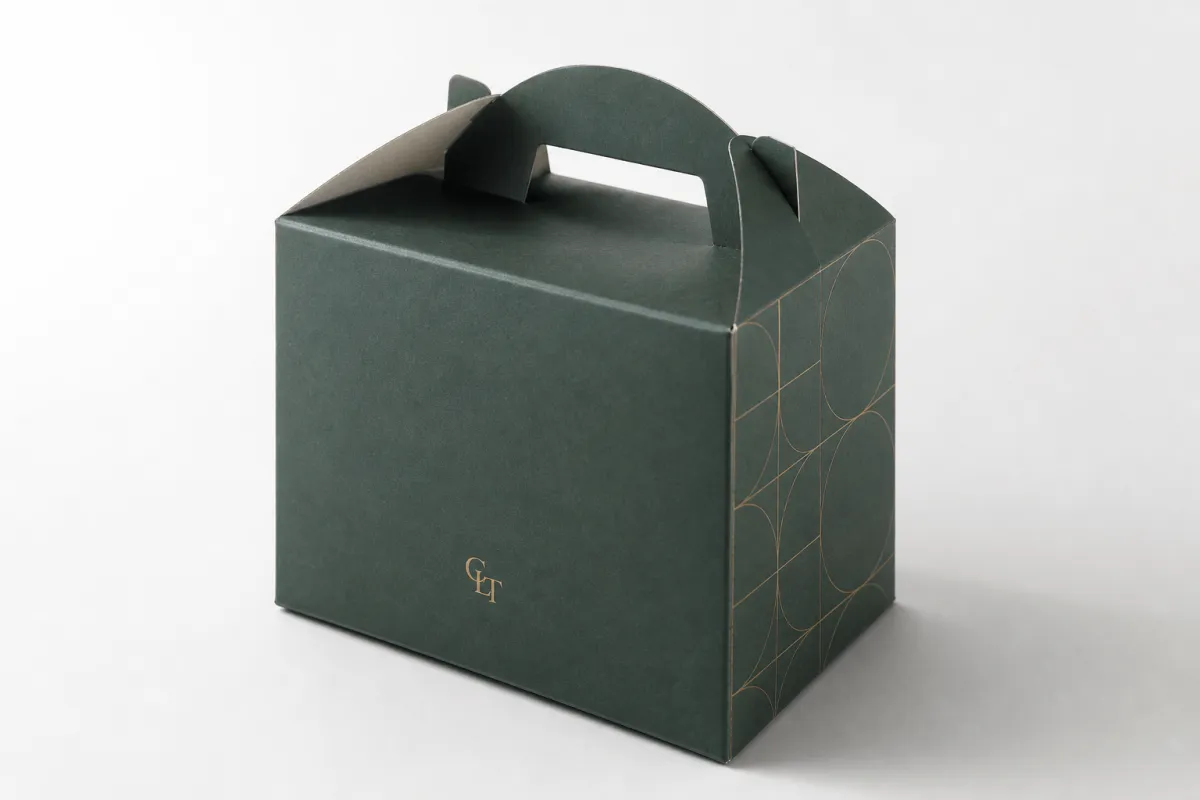
Custom takeaway boxes with logo change the table experience because packaging speaks before the food does. That may sound simple, yet in practice the box sets a visual expectation before anyone takes a bite, and custom takeaway boxes with logo give you control over that first impression instead of leaving it to a blank kraft carton or a generic white clamshell.
On a delivery app order, the package often appears in a social post, on an office desk, or in a shared break room long before the brand gets any direct explanation. Custom takeaway boxes with logo make the order easy to recognize, which helps with recall and repeat business. They also strengthen package branding because the customer sees a consistent mark, color, or pattern every time the box moves from prep line to handoff to table.
What do these boxes actually include? Usually some combination of paperboard cartons, sleeve boxes, clamshells, hinged food cartons, or coated paper containers printed with a logo, a repeated brand pattern, or a fuller visual system. Custom takeaway boxes with logo can be simple one-color kraft prints or more finished Custom Printed Boxes with multiple panels, interior printing, or matched brand colors. The form depends on the menu, the heat load, the transport distance, and the look the brand wants to project.
The logo matters, but it is not the whole story. Shape, finish, fold behavior, and opening resistance all influence whether custom takeaway boxes with logo feel premium, practical, or forgettable. A matte uncoated stock can feel natural and grounded, while a coated board with crisp color blocks may feel sharper and more polished. A good box opens cleanly, stacks well, and protects the food without becoming awkward in the hand.
Many buyers focus too narrowly on artwork and miss the service reality. If the lid warps, the closure pops open, or the coating softens around sauce, the design loses credibility fast. That is why custom takeaway boxes with logo should be judged as product packaging first and a visual asset second, even though both jobs matter.
In my experience, the boxes that earn the most praise are usually the ones nobody has to think about. They open without a fight, they hold their shape, and they keep the food looking like food instead of turning the whole handoff into a cleanup job. A customer may not say, "I loved the carton," but they will absolutely notice if the box feels clean, sturdy, and aligned with the meal inside.
How custom takeaway boxes with logo are made
Custom takeaway boxes with logo start long before ink touches board. The process usually begins with artwork setup and a dieline review, because the design has to fit folds, glue areas, tuck tabs, venting, and any structural cut lines. If a buyer skips that step, the logo may land on a seam or disappear into a glued flap, which is a common and avoidable mistake with custom takeaway boxes with logo.
After the layout is approved, the material choice comes next. SBS paperboard is popular for crisp print and a smoother feel, while kraft board gives a warmer, more natural look that many brands want for eco-oriented messaging. Corrugated board adds stiffness and stacking strength, which helps for larger meals or heavier delivery loads. Coated food-grade stocks can improve grease resistance, and that matters a lot for fried foods, sauced bowls, or anything likely to create condensation.
Printing method changes both the look and the economics. Flexographic printing is common for higher-volume custom takeaway boxes with logo because it runs efficiently on long orders and handles repeated artwork well. Offset printing is usually chosen for sharper detail, cleaner color transitions, and more refined visual work. Digital printing is the most flexible option for shorter runs, frequent artwork changes, or test programs, and it can be a smart choice for custom takeaway boxes with logo if the order is not large enough to justify plates and heavier setup.
After printing, the board is typically coated, die-cut, creased, folded, glued, and packed flat for shipment. That converting stage is where many quality issues show up. A crease cut too deeply can crack during folding. A weak glue line can open in transit. An off-spec die can throw the whole box out of register. If you are ordering custom takeaway boxes with logo, ask how the supplier checks fold integrity and registration, because those details matter more than most people realize.
Food-contact rules deserve attention too. Inks, coatings, and adhesives should be selected for the intended use, especially if the box will hold hot food, oily items, or sauces. Grease barriers and interior coatings need to match the meal, not just the marketing brief. A burger box, a pastry box, and a noodle carton all have different stress points, even if they share the same logo. That is where packaging design has to meet actual kitchen behavior.
For brands that care about certification and responsible sourcing, references like the FSC system can help guide fiber sourcing decisions, while testing references such as ISTA are useful when a delivery pack has to survive vibration, stacking, and transport. Those are practical ways to make custom takeaway boxes with logo perform better in the real world. They are not magic fixes, but they do reduce guesswork.
There is also a presentation difference between flat-printed boxes and more finished custom takeaway boxes with logo. A simple one-color print can be perfectly effective for a value-driven menu, but a full-wrap layout, a spot color build, or a matched panel system can carry the brand farther. If the logo disappears the moment the box folds, the packaging has not done its job. Good print placement keeps the mark visible on the lid, side panel, or sleeve even after the customer starts eating.
Not every box style is built the same way. A sleeve-and-tray structure feels different from a tuck-top carton. A clamshell behaves differently from a locking tab box. Custom takeaway boxes with logo should be chosen by product behavior first and visual preference second. The best-looking box on a screen can still be the wrong one if it does not support the menu, the workflow, and the customer experience.
Custom takeaway boxes with logo are part of the service system. They should protect the food, support speed on the line, and still look like custom printed boxes that belong to the brand. If the box does those three things, it earns its keep.
Cost, pricing, MOQ, and what drives your quote
Pricing for custom takeaway boxes with logo is shaped by a handful of specific inputs, and the strongest buyers know how to read them. Material grade, box size, print colors, coating, structural complexity, and order quantity all move the number. If you add custom tooling, specialty finishing, or heavy coverage artwork, the quote will reflect that. If you simplify the structure and keep the print limited, custom takeaway boxes with logo become much easier to price.
In the lower-volume range, setup cost matters a great deal because prepress, plates, die cutting, and make-ready time are spread across fewer units. That is why unit price often falls as volume rises. A job that costs $0.42 per unit at 1,000 pieces may drop to $0.18-$0.28 at 5,000 pieces, depending on the substrate and coverage. A more finished carton with multiple colors or a premium coating can sit closer to $0.30-$0.65 per unit at similar volume. Those are not universal numbers, but they are realistic enough to help you sanity-check a quote for custom takeaway boxes with logo.
MOQ, or minimum order quantity, is not a random number. It usually exists because the press, die line, and converting setup need a certain amount of volume to run efficiently without waste getting out of control. For custom takeaway boxes with logo, some digital programs may allow smaller orders, while offset or flexo jobs often start higher. The actual MOQ may be tied to one design, one size, or one print version, so it is worth asking exactly what the minimum applies to before you compare suppliers.
If you want a clean quote, the supplier needs a clear specification. That means finished dimensions, board type, interior and exterior print coverage, number of colors, coating choice, estimated quantity, delivery destination, and any special packing requirements. A vague request can only produce a vague number. A detailed request lets the supplier price custom takeaway boxes with logo accurately and helps you compare offers without guessing what is included.
| Option | Typical use | Typical unit cost at 5,000 pcs | Notes |
|---|---|---|---|
| One-color kraft carton | Cafes, sandwiches, lighter meals | $0.18-$0.30 | Good for a natural look and simple brand marking |
| Full-color SBS carton | Retail packaging, premium takeaway, dessert boxes | $0.28-$0.55 | Sharper print, stronger shelf presence, more setup work |
| Coated grease-resistant board | Fried foods, sauced items, delivery meals | $0.24-$0.48 | Better barrier performance, especially with hot or oily food |
| Corrugated food carton | Heavier meals, stacking, delivery protection | $0.32-$0.65 | Stronger structure, usually more material cost |
That table is a useful starting point, but it is not a substitute for a proper quote. Freight can swing the total a lot, especially for bulky boxes. Sampling can add cost, but it often saves money by catching fit or print issues before a full run. Artwork support may be included or billed separately. Food-safe materials, specialty coatings, and extra packaging for shipment can all affect the total. With custom takeaway boxes with logo, the cheapest headline price is not always the best value if the box fails in service or arrives late.
A smart buyer also checks what the quote excludes. Are freight and duties included? Is proofing included? Does the supplier charge for plate changes or artwork revisions? Are samples charged back if the order proceeds? Does the price assume one shipping destination or split delivery? These details matter because custom takeaway boxes with logo often sit inside a broader ordering plan that may include Custom Packaging Products for multiple menu lines, not just one carton style.
From a packaging buyer's point of view, the real job is to compare total landed cost against actual service performance. If one option costs a little more but reduces returns, prevents soggy edges, and makes reorders easier, it can be the better commercial decision. That is especially true for custom takeaway boxes with logo, where the box is part protection, part presentation, and part marketing asset.
Process and timeline: from artwork to delivery
The typical path for custom takeaway boxes with logo starts with discovery and ends with shipment, but there are several checkpoints in between. First comes the specification stage, where the supplier confirms the food type, size, structure, print method, and quantity. Then comes artwork prep, where the logo file, brand colors, and dieline are lined up so the design respects the fold pattern. After that, proofing and sample approval turn the concept into something tangible. Only then does production begin in earnest.
Timelines vary more than buyers expect. A straightforward digital order can often move faster than a printed flexo or offset run because there are fewer setup steps. A standard job with ready artwork might take about 10-15 business days after proof approval, while a more complex order with custom tooling, specialty coating, or multiple revisions may need 20-30 business days or more. Custom takeaway boxes with logo should always be scheduled with some cushion if the launch date matters.
Where do delays happen? Low-resolution files are a classic problem. So are missing dieline notes, spot color mismatches, unclear fold instructions, and late approval on samples. If the logo sits too close to a fold line, the printer may need to revise the layout. If the box needs to fit a specific meal insert, the prototype may need a second round. Custom takeaway boxes with logo move faster when the buyer provides complete information up front.
Samples are not optional if the box has to perform in a real service environment. A flat proof can show color, but it cannot show stiffness, fold behavior, lid security, or how the carton handles a hot portion. A physical sample lets the team test a closure cycle, check the fill line, and see whether the graphics stay visible after handling. For custom takeaway boxes with logo, that one sample can prevent a lot of expensive surprises later.
It also helps to think about the production calendar in relation to demand. Seasonal launches, catering programs, and holiday campaigns all create pressure on supply. If a box is tied to a store opening or a menu refresh, add time for artwork approval, sample review, and freight transit. Rushing custom takeaway boxes with logo usually costs more than planning them earlier and giving the supplier enough room to do clean work.
Here is the part many teams underestimate: a production schedule is not just a manufacturing schedule. It is also a decision schedule. Someone has to approve colors, someone has to confirm dimensions, and someone has to sign off on the sample. The faster those choices are made, the smoother custom takeaway boxes with logo move through the line.
Useful rule of thumb: if the box is critical to launch, do not wait for final menu photos before starting the packaging work. Start the structural and print spec early, then refine the brand details in parallel. That approach keeps custom takeaway boxes with logo on track without sacrificing quality.
Key factors that shape performance and brand impact
The strongest custom takeaway boxes with logo balance looks and handling. A beautiful carton that collapses under weight is not good packaging. A sturdy box with no clear visual identity is a missed branding opportunity. The best result is usually somewhere in the middle: enough structure to protect the meal, enough print presence to communicate the brand, and enough material discipline to keep cost and waste in line.
Size and structure come first. If the footprint is too large, food slides around and the presentation suffers. If it is too tight, the lid bulges and the customer struggles to close it back up. Custom takeaway boxes with logo should fit the actual portion size with only a small amount of tolerance, especially if the box will be stacked during delivery or handed out in busy service windows.
Print placement is the next decision that affects brand impact. A logo on a closed lid may be seen longer than a mark hidden inside the box. Side panels matter if the box is stacked or carried in a bag. Sleeves can carry a strong visual system without covering the food-contact surface. With custom takeaway boxes with logo, the logo should be visible in the state the customer actually sees most often, not just on the open mockup.
Finish choices change both appearance and wear. Matte and uncoated stocks can feel more natural and are often easier to recycle in some formats, but they may show scuffs faster. Gloss can brighten colors and improve wet resistance, though it can also feel less organic. Soft-touch style effects create a more premium feel, but they are not always necessary for food service and they can add cost. Custom takeaway boxes with logo should be finished for the use case, not just for the mood board.
Sustainability deserves a realistic view. Recyclable fibers, FSC-sourced board, and reduced plastic content all matter, but only if the final structure still works in service and disposal conditions. A box with excessive lamination or mixed materials can complicate recovery. That is why I prefer to keep the conversation grounded: if the local waste stream can accept the material, and if the design avoids unnecessary coatings or plastic windows, the packaging is easier to live with. For deeper general guidance on materials and environmental impact, the EPA recycling guidance is a useful reference point.
Another factor that gets overlooked is handling through the supply chain. Boxes that arrive flat and stack well simplify storage. Clear carton bundles reduce picking errors. Predictable glue points help line workers fold faster. Custom takeaway boxes with logo are not just for the customer; they are also part of the kitchen workflow, the storage layout, and the handoff process.
For branded packaging that must reinforce quality, a consistent color panel or repeat pattern can do as much as a large logo. A well-built package branding system gives the customer something to recognize even when the box is half-covered by a napkin or taped into a delivery bag. That is one reason many teams choose custom printed boxes instead of plain stock once they understand how much visual work the box can do.
There is a practical sweet spot too. If the menu is simple and the volume is steady, a restrained one- or two-color design can be enough. If the food is premium or the brand needs to stand out in a crowded delivery market, a more finished carton may be worth the extra spend. Custom takeaway boxes with logo should support the business model, not fight it.
Common mistakes to avoid before you order custom takeaway boxes with logo
The first mistake is designing for a flat screen instead of a folded carton. That sounds obvious, but it happens constantly. Logos end up across seams, graphics disappear into glue areas, and color blocks get interrupted where the box folds. Custom takeaway boxes with logo need artwork that respects the dieline from the start, otherwise the finished piece can look sloppy even if the file looked perfect on the monitor.
Second, do not choose stock only because it is cheap. A low-cost board that lacks stiffness, grease resistance, or heat tolerance can create soggy corners, weak stacking, and customer complaints. The box may pass a quick review in the office and fail within minutes in the kitchen. Custom takeaway boxes with logo should be tested against the actual meal, including sauces, steam, and carry time.
Third, watch the logo size and contrast. Tiny marks often disappear once the box is folded, handled, or photographed under mixed lighting. Low-contrast graphics can be elegant on a mockup and invisible in service. Custom takeaway boxes with logo usually work best with a clear focal point, strong spacing, and brand colors that stay legible against the board.
Fourth, do not skip the sample. If the box has to fit a specific entree, pastry, sandwich, or insert, a prototype is worth its weight in avoided problems. Sample approval catches fit issues, closure tension, print shift, and any awkward interaction with the meal itself. Custom takeaway boxes with logo are too important to trust to a flat proof alone.
Fifth, be specific in the quote request. Vague specs lead to vague pricing, and vague pricing often becomes a surprise later. Define the dimensions, print coverage, quantity, coating, shipping destination, and target delivery date before asking for numbers. That clarity makes custom takeaway boxes with logo easier to compare across suppliers and reduces the chance of rework.
There is also a timing mistake that I see often: teams wait until the menu is finalized before starting packaging work. That creates a rush right when the brand needs calm, careful decisions. If the product is likely to move into service soon, start the carton work early and keep the menu and packaging discussions running in parallel. It is a better way to buy custom takeaway boxes with logo without pressure.
One clean sample, one accurate dieline, and one honest conversation about the food usually prevent more trouble than three rounds of emergency corrections.
Finally, do not assume every supplier is quoting the same thing. One price may include freight, another may not. One may include artwork support, another may charge for it. One may use a food-safe coating, another may not specify the barrier at all. Comparing custom takeaway boxes with logo without checking the assumptions behind the quote is how people end up paying more than they expected.
Expert tips and next steps for custom takeaway boxes with logo
Start with the menu, not the box. List the foods you are packing, the temperature range, the amount of sauce or grease, and the transport conditions the package will face. A dry pastry box and a hot noodle carton are different problems, even if they both need custom takeaway boxes with logo. The more clearly you define the use case, the easier it is to choose the right board, coating, and structure.
Build a short spec sheet before you ask for pricing. Include dimensions, target quantity, print colors, finish preference, and the logo files you want reviewed first. If your brand already has a color standard, share it. If you want a natural kraft look, say so. If the box needs to match existing product packaging or retail packaging, note that too. Those details help the supplier shape custom takeaway boxes with logo that feel aligned with the rest of the brand system.
Ask for a sample or mockup early, then test it with an actual serving portion. Put the food in, close the carton, carry it for a short distance, and see what happens to the corners, the lid, and the print. If condensation forms, you will learn that quickly. If the box does not stack cleanly, you will catch that before a large order goes out. Custom takeaway boxes with logo should be judged in use, not just in a photo.
Supplier comparison should go beyond price. Check lead time, proofing support, board options, print consistency across reorders, and how the team handles changes. A supplier that understands food-service workflows can save a lot of time later, especially when the same box needs to be reordered or adapted for a new menu line. If you are shopping for broader Custom Packaging Products, consistency matters even more because the box system may span several sizes and product families.
It also helps to think about reorder continuity from the beginning. Keep file versions organized. Save the approved dieline. Record the board spec, coating, and final color notes. That way, when it is time to repeat custom takeaway boxes with logo, the second run is not treated like a brand-new job. Reorders are where many packaging programs either save time or lose it.
For brands that want a cleaner sourcing story, ask about fiber origin, certifications, and any testing the supplier uses to support the package under transit conditions. A carton that claims recycled content but fails in delivery is not a good trade. A slightly better board that still fits your disposal and branding goals is usually the smarter choice. Custom takeaway boxes with logo are at their best when the materials, structure, and print all support the same message.
My practical advice is simple: refine the artwork, confirm the spec, request a quote, and lock the schedule before the launch window gets tight. That sequence gives you time to correct the rough edges without rushing the press. It is a far better path than treating packaging as an afterthought and hoping the production timeline behaves.
Here is the actionable takeaway: choose the meal first, then the structure, then the print method, and only then compare prices. If you do those four steps in order, custom takeaway boxes with logo are much more likely to fit the food, survive service, and look like they belong to the brand rather than just carrying a logo around for show.
What materials work best for custom takeaway boxes with logo?
Kraft and paperboard are common for lighter foods and a natural brand look. Grease-resistant coated board is better for saucy or oily menu items. Corrugated structures help when the box needs extra stiffness or stacking strength. The best choice depends on the meal, the handling time, and the look you want the customer to remember.
How long does it take to produce custom takeaway boxes with logo?
Timeline depends on artwork readiness, sample approval, and the production method. Digital runs are often faster for shorter quantities, while printed tooling and larger offset jobs usually take longer. Build in extra time if you need custom sizing, special coatings, or freight coordination, because each of those steps adds room for revision.
What is a typical MOQ for custom takeaway boxes with logo?
MOQ varies by box style, print method, and material, so there is no single standard. Lower-volume digital orders may allow smaller quantities, while offset and flexo jobs usually need more volume. Ask whether the MOQ is tied to one design, one size, or one print version so you can compare suppliers properly.
How do I get the best price on custom takeaway boxes with logo?
Keep the box structure simple and avoid unnecessary finishing changes. Use the same size and print layout across menu families when possible. Request quotes with clear specs so you can compare unit cost, setup cost, and freight on equal terms, and always check what is included in the estimate.
Can custom takeaway boxes with logo be food-safe and recyclable?
Yes, if the board, inks, and coatings are selected for food contact and the intended use. Many designs can be made recyclable, but heavy plastic lamination or mixed materials can affect recovery. Confirm the material build with your supplier before approving the final structure, especially if sustainability claims will appear on the package.

