Buyer Fit Snapshot
| Best fit | Custom Shoulder Neck Rigid Boxes projects where brand print, material claims, artwork control, MOQ, and repeat-order consistency need to be specified before quoting. |
|---|---|
| Quote inputs | Share finished size, material target, print colors, finish, packing count, annual reorder estimate, ship-to region, and any compliance wording. |
| Proofing check | Approve dieline scale, logo placement, barcode or warning zones, color tolerance, closure strength, and carton packing before bulk production. |
| Main risk | Vague material claims, crowded artwork, missing packing details, or unclear freight terms can make a low unit price expensive after revisions. |
Fast answer: Custom Shoulder Neck Rigid Boxes: Structure, Cost & Fit should be specified like a repeatable production item. The safest quote records material, print method, finish, artwork proof, packing count, and reorder notes in one written spec.
Production checks before approval
Compare the actual filled-product size with the drawing, then confirm tolerance on folds, seals, hang holes, label areas, and retail display edges. Reserve space for logos, QR codes, warning copy, and material claims before decorative graphics fill the panel.
Quote comparison points
Review material grade, print process, finish, sampling route, tooling charges, carton quantity, and freight assumptions side by side. A quote is only useful when the supplier can repeat the same color, closure quality, and packing count on the next order.
Custom Shoulder Neck Rigid Boxes: Structure, Cost & Fit tend to look straightforward at first glance, then the real decisions show up once the measurements start getting serious. Board thickness, lid overlap, shoulder depth, wrap paper, and insert clearance all shape the finished result, and those details are exactly why custom shoulder neck rigid boxes hold such a steady place in premium packaging. The structure creates a controlled opening moment, a crisp line at the lid, and a reveal that feels measured rather than rushed, which suits candles, fragrance sets, beauty kits, jewelry, and compact electronics that need both presentation and protection.
From a packaging buyer's perspective, the appeal goes well beyond the printed exterior. The box controls how the product sits, how the lid closes, and how the opening feels in the hand, while also giving the brand a polished surface for branded packaging, package branding, and presentation-focused product packaging. A tight spec makes custom shoulder neck rigid boxes feel deliberate and well made. A loose spec, or one built without enough tolerance planning, can make even an attractive box feel unfinished. I have seen projects where the artwork looked polished, but the fit gave away the fact that the structure had been guessed instead of engineered. That kind of miss is avoidable, thankfully.
What Custom Shoulder Neck Rigid Boxes Are, and Why They Stand Out
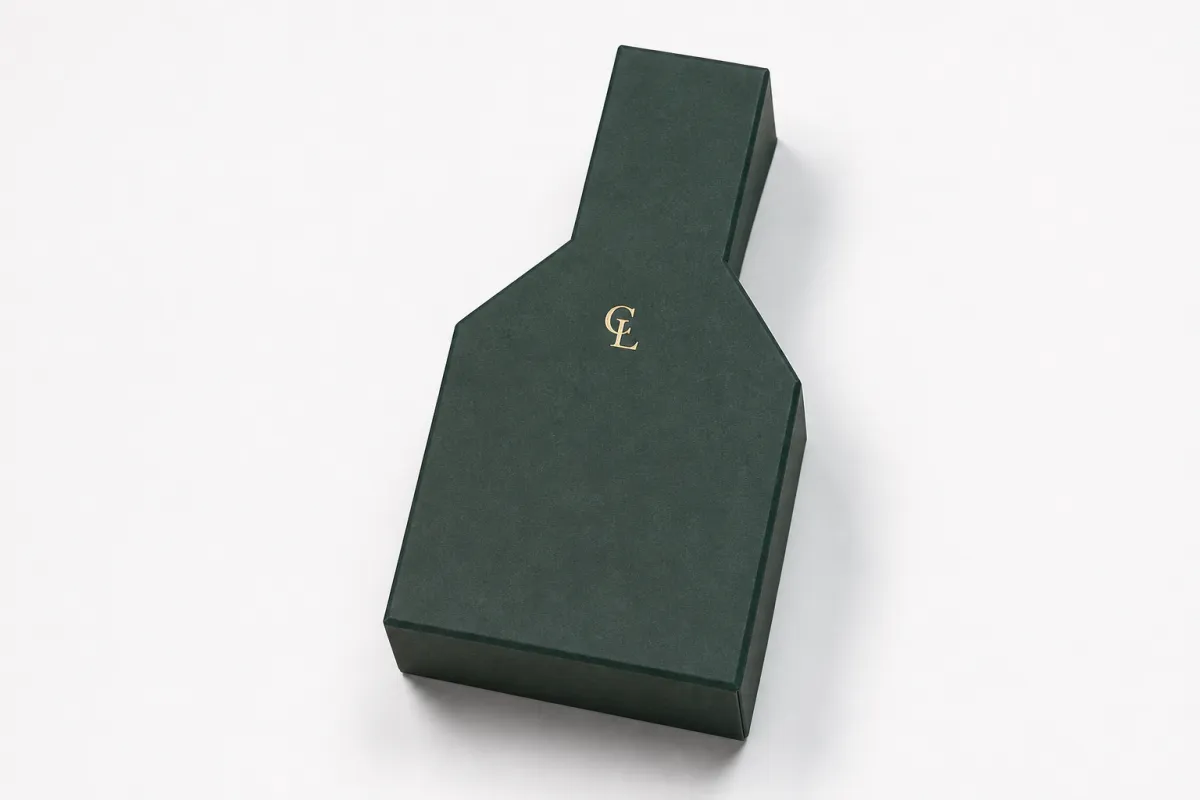
Custom shoulder neck rigid boxes use a rigid base and a separate lid, but the structure inside the walls is what sets them apart. The shoulder forms the hidden ledge that the lid rests on, while the neck creates the recessed section that defines the opening depth and helps the lid seat with a measured, stable feel. In plain terms, this is not just a shell. It is a fitted structure with a built-in reveal, and that reveal is part of the appeal.
The visual effect matters immediately. A standard rigid box can still feel upscale, yet custom shoulder neck rigid boxes add depth the moment the lid lifts away from the base. The outer print can stay quiet or go bold, because the interior geometry already contributes to the presentation. For retail launches, gift sets, limited-edition runs, and luxury Custom Printed Boxes, that stepped opening gives the package a more intentional character without relying on an overworked graphic layout. The product is not just placed in a box; it is framed by one.
One easy way to break the structure down is this:
- Rigid base: the main box body, usually made from thick greyboard or chipboard for shape and strength.
- Separate lid: the top section that lifts off and closes over the shoulder area.
- Shoulder: the hidden inner ledge that tells the lid where to stop.
- Neck: the recessed wall that creates the stepped profile and supports a precise fit.
- Insert: an optional tray, foam piece, molded pulp insert, or paperboard nest that keeps the product in place.
Part of the reason this format stands out is the feeling it gives in the hand. The lid should not wobble. It should not drop too quickly. It should lift with a bit of resistance, then close with a clean stop that feels intentional. That tactile balance is one of the quiet strengths of custom shoulder neck rigid boxes. In premium packaging, the physical experience often says more than an oversized print treatment ever could. A package can be perfectly attractive on a screen and still feel wrong in the hand; the structure is where the trust gets built.
"A rigid box should feel like a reveal, not a struggle. If the lid fights you, the fit is wrong."
For buyers comparing styles, a basic rigid box and custom shoulder neck rigid boxes are different in the same way a flat frame differs from a deep shadow box. Both present the product, yet one gives it more depth, more stage presence, and more control over the opening moment. That is why this structure appears so often in premium package branding work where first impressions carry real weight.
How Custom Shoulder Neck Rigid Boxes Work Inside and Out
The anatomy of custom shoulder neck rigid boxes is more technical than many people expect, and the small details drive the final result. Board thickness, wrap paper, lid height, shoulder depth, and insert design all interact with one another, so changing a single element can shift the whole build. A lid that looks fine in a flat drawing can sit too tightly once the board and paper are added, which is why structural planning matters so much in good packaging design. If the math is rushed, the box will remind you later.
Most builds start with greyboard in the 1.5 mm to 3 mm range, depending on the size of the box and the feel the brand wants to create. The board is wrapped in printed art paper, specialty paper, or textured stock, then finished with matte lamination, gloss lamination, soft-touch film, foil stamping, embossing, debossing, or spot UV. In custom shoulder neck rigid boxes, every layer shifts the final dimension slightly, so tolerances need to be planned around the real materials instead of a screen rendering. Paper swells a little, coatings add thickness, and the corner wraps change how crisp the profile will look once production is done.
The shoulder and neck create a stepped opening that can be subtle, flush, or more dramatic depending on the design brief. A shallow step often feels restrained and refined. A deeper step can lower the product inside the box, which works especially well for heavier items or products that deserve a more theatrical reveal. With custom shoulder neck rigid boxes, the recessed structure also helps hide the edge of the insert, which keeps the interior looking cleaner and less crowded. That hidden edge matters more than people think; it is one of those details customers may not name, but they absolutely feel.
Insert selection carries a lot of weight too. Foam gives a precise, cushioned fit, but it is not always the right answer for recyclable or paper-centered packaging programs. Paperboard trays and Molded Pulp Inserts often make more sense for brands that want a lower-impact material story. Die-cut card nests are useful for lighter items like cosmetics, earbuds, accessories, and gift sets, especially when the goal is a tidy presentation and easy opening.
The strongest custom shoulder neck rigid boxes usually balance three priorities at once: protection, presentation, and production reality. If the item is fragile, the insert needs to stop movement. If the product is visually important, the interior should frame it without clutter. If the run is large, the structure should still be practical to assemble at scale without pushing the cost too far out of reach.
That balance is one of the reasons the style works so well for retail packaging. The outer box can stay minimal while the interior carries the experience. A clean lid, a precise shoulder, and a fitted insert create a sense of order that customers notice immediately, even if they never learn the technical name for the structure. That is one reason custom shoulder neck rigid boxes remain such a steady choice in premium product packaging.
For brands comparing build levels before they commit, it helps to review a range of Custom Packaging Products and study how materials and closures change the final feel. A sample often teaches more in ten seconds than a stack of emails can explain.
Custom Shoulder Neck Rigid Boxes Cost: What Changes the Quote
The cost of custom shoulder neck rigid boxes comes from a few practical variables, and the quote starts making sense once those are visible. Size is the first driver. A small jewelry box uses less board, less wrap, and a smaller insert than a large wellness kit, so the material total shifts right away. Board thickness follows close behind, since thicker board adds structure but also increases material use and can raise the amount of hand work needed during assembly.
Print coverage and finishing have just as much influence. A single-color exterior on a plain wrap is easier to produce than a box with full-color exterior printing, foil stamping, embossed logos, and custom printed interiors. In custom shoulder neck rigid boxes, every extra finish adds another setup step, and setup has a real cost whether the run is 500 pieces or 10,000. A specialty wrap paper, a soft-touch surface, or a detailed interior print can move the quote upward faster than many buyers expect. Even something as simple as switching from a smooth wrap to a textured paper can change the labor rhythm on the line.
Quantity changes the equation too. Unit cost usually improves at higher volumes because setup, make-ready, and hand assembly get spread across more boxes. Minimum order quantities still matter, though. Rigid packaging is not a commodity carton; it often includes die-cutting, wrapping, gluing, pressing, and inspection, so small orders can carry a noticeably higher per-unit cost. For custom shoulder neck rigid boxes, a low-volume premium run can cost much more per box than the same spec at a larger scale.
Insert complexity adds another layer to the price. A simple paperboard cradle is generally less expensive than a custom foam insert or a multi-compartment molded tray. Magnetic closures, ribbon pulls, and mixed-material constructions can also increase the cost because they add parts and require more assembly time. The same applies to interior printing, especially if the inside panels need exact registration or an additional finish pass.
| Spec Level | Typical Build | Best For | Indicative Unit Cost |
|---|---|---|---|
| Simple presentation | Greyboard rigid base, standard wrap, no specialty finish, basic paperboard insert | Lightweight gifts, entry-level retail sets, controlled budgets | $2.25-$3.75 at medium quantities |
| Mid-premium | Thicker board, printed wrap, matte laminate, foil logo, fitted insert | Beauty, fragrance, candle, and accessory packaging | $3.80-$6.50 at medium quantities |
| High-touch premium | Soft-touch finish, interior print, multi-part insert, embossing or debossing, refined closure fit | Launch kits, luxury retail, limited editions | $5.75-$9.50+ depending on quantity and detail |
Those figures are planning ranges, not fixed quotes. Freight, sampling, revision rounds, and special packing requirements can raise the final landed cost beyond the number printed on the per-box line. For custom shoulder neck rigid boxes, the smartest budget conversation usually focuses on the full packaging program rather than the box price alone. I always suggest treating the quote like a system, not a single number, because that is where surprises tend to hide.
There is also a meaningful difference between the production quote and the amount the buyer pays once the boxes arrive. Freight, customs clearance if the order is imported, warehousing, assembly labor, and launch timing all affect the end total. A clean-looking price can hide a messy landed cost if the spec was never fully defined. That is why comparing quotes on identical terms matters: same size, same board, same finish, same insert, same quantity, and same delivery terms.
If you are still early in the process, it helps to review Custom Packaging Products alongside the budget target, then narrow the spec before asking for pricing. A fuller brief usually leads to fewer revision loops later, and fewer revisions usually means fewer headaches. That part is boring, but it saves money.
Production Process and Timeline for Shoulder Neck Box Orders
The production path for custom shoulder neck rigid boxes starts with measurements and ends with shipment, though the stages in between deserve real attention. A strong brief begins with the product dimensions, any accessories that need to fit inside, the target finish, and the branding priorities. Once those basics are clear, the supplier can build a dieline, recommend board thickness, and confirm whether the chosen insert style will actually hold the product the way the buyer expects.
A sensible workflow looks like this:
- Measure the product: record length, width, height, and any protective wrap or accessory that will ride inside the box.
- Choose the structure: confirm the shoulder height, neck depth, lid overlap, and whether the box should feel snug or more spacious.
- Prepare artwork: build print files with bleed, safe areas, foil layers, and interior artwork if the opening moment matters.
- Review samples: check a physical prototype so you can judge fit, lid tension, print placement, and insert behavior in hand.
- Approve production: lock the final spec, quantity, and timeline before full manufacturing begins.
- Inspect and ship: verify finishing, pack the cartons properly, and move the order into freight or fulfillment.
For custom shoulder neck rigid boxes, the biggest pressure on the schedule usually comes from sampling and revisions. A special insert, a nonstandard board thickness, or multiple finish layers can stretch the sample phase because changes to the shoulder or neck often alter the lid fit. A buyer may think the project is stalled, but in many cases the supplier is protecting the final result by checking tolerances before production is locked.
Simple specs often move faster than highly decorative builds. A clean two-color box with a standard paper wrap can be quicker to approve than a multi-finish luxury presentation piece. A typical production window after proof approval may land around 12 to 20 business days for straightforward runs, while more complex custom shoulder neck rigid boxes can take longer once inserts, finishing, and shipping are included. Imported materials, peak season demand, and a second round of artwork changes can add more time than people usually plan for. If the release date is fixed, build the packaging calendar backward from that date instead of forward from the quote.
If the packaging is tied to a launch date or retail shipment, build a buffer into the schedule. Packaging should not become the bottleneck. A good rule is to finalize the spec before the inventory is needed, not after. That sounds obvious, yet it is one of the most common planning misses in custom shoulder neck rigid boxes projects. The box is only one part of the release calendar, but it can delay the whole product if approvals move too late.
Shipping validation deserves attention as well. For products moving through distribution channels, it helps to think about ISTA test methods and whether the pack should survive drop, vibration, and compression events. If the box needs to support sustainability goals, FSC-certified materials can help document responsible fiber sourcing without giving up the rigid-box feel that premium brands expect.
That is one reason custom shoulder neck rigid boxes often need design and operations in the same conversation. The visual idea may feel straightforward, but the production path has enough moving parts to reward careful planning. A polished mockup helps, yet a production-safe spec is what gets boxes into market on time.
Key Design Factors for Fit, Finish, and Protection
The strongest custom shoulder neck rigid boxes are designed from the inside out. That means the first question is not the print effect; it is how the product sits, how much clearance it needs, and how the lid will behave after the board and wrap are added. Measure the product length, width, and height, then add the space needed for the insert, the shoulder depth, the neck height, and the lid overlap. Even a small change to the wrap paper or board thickness can shift the final outer size enough to affect shelf fit or carton packing.
Protection belongs in the design stage, not as an afterthought. A fragile cosmetic jar, a glass candle vessel, or a polished metal accessory needs enough restraint to stay still, but not so much pressure that the insert marks the finish. In custom shoulder neck rigid boxes, that usually means choosing the insert based on surface sensitivity, transport stress, and how often the box will be opened and closed. A display piece that stays on a shelf has different needs than a box that ships direct to the customer.
Finish selection changes the tone of the whole package. Matte lamination tends to feel calmer and more restrained. Gloss can look sharper and more reflective. Soft-touch often gives a velvety hand feel, though it can show scuffs more easily on dark tones, so it needs a careful touch. Foil stamping works well for logos or accents, while embossing and debossing create a physical brand cue that people notice even before they read the label. With custom shoulder neck rigid boxes, those finish choices should support the brand story rather than compete with it.
Color and typography matter too. A box with strong color blocking and generous white space can feel more contemporary than one packed with too much copy. That is especially true in branded packaging, where the box has to carry both product information and a retail presence. I have seen many strong concepts weakened by crowded surfaces. The most effective package branding usually leaves room for a clear focal point and lets the structure carry part of the message.
"The cleanest premium box is often the one that knows what not to say."
Sustainability choices deserve the same level of care. Recyclable greyboard, paper-based wraps, and molded pulp inserts can fit many programs without sacrificing a premium feel. Heavy plastic lamination or mixed-material inserts can complicate the recycling story. If the brand wants a lower-impact spec, custom shoulder neck rigid boxes can absolutely support that direction, but the material stack has to be selected with intention. Fiber content, coating choice, and insert type all affect how the box is handled after use.
For teams building product packaging that needs to bridge premium and practical, the sweet spot is usually a structure that looks polished, protects the item, and avoids unnecessary material layers. That is where custom shoulder neck rigid boxes tend to shine. They can feel refined without becoming excessive, and they can support a brand system that looks distinct without becoming fragile or difficult to assemble.
Step-by-Step Guide to Ordering the Right Box Spec
If you want custom shoulder neck rigid boxes to land well the first time, start with the product rather than the decoration. Measure the item, note any accessories, and decide whether the box should hold the product tightly or leave a little room for a reveal. A perfume bottle may need a snug insert and a clean upright presentation, while a skincare set may need compartments for multiple pieces and a more layered unboxing path.
Next, choose the structure early. Shoulder height, neck depth, and lid overlap are fit decisions, not decorative extras. If the product will sit inside an insert, that insert should be designed at the same time as the box, not after the fact. The best custom shoulder neck rigid boxes often come from teams that treat the box and the insert as a single assembly, because the tolerances affect each other. I always tell buyers to think of it as one system, not two separate parts.
Use this order when building the brief:
- Capture measurements: product size, accessory size, and any protective wrap or pouch.
- Set the goal: retail display, gifting, launch kit, shipping protection, or a mix of those needs.
- Pick the visual direction: quiet luxury, bold retail, minimalist wellness, or collectible presentation.
- Define the materials: board thickness, wrap stock, laminate, and insert type.
- Prepare the art: include print bleed, foil layers, and interior graphics if they matter to the reveal.
- Review a sample: verify fit, lid tension, print registration, and closure feel before approval.
For a buyer who wants a starting reference, Custom Packaging Products can help frame the options before the spec is locked. That kind of comparison is useful because it shows how different structures, finishes, and inserts change the final look and price range. It also helps avoid a common mistake: assuming all rigid boxes behave the same once they are built. They do not, and a shoulder-neck build is especially sensitive to those differences.
Artwork should always be prepared with manufacturing in mind. Foil elements need separate layers. Interior print needs clear placement. Rounded corners, thick laminations, and deep embossing all affect how much detail survives on the actual box. In custom shoulder neck rigid boxes, corners and lid edges can be unforgiving, so the design file should respect the shape of the structure rather than fight it.
Quantity and timeline should be locked only after the spec is stable. I would rather see a buyer spend an extra day confirming fit than rush into a production run that needs rework later. If the boxes are tied to a launch, make room for proofing, freight, and receiving. The box should arrive as part of the launch plan, not as a last-minute scramble. That matters especially for custom shoulder neck rigid boxes, because a small structural mistake can turn into a visible problem across the entire run.
Once the order is in motion, keep the receiving plan simple. Know where the cartons will be stored, who will inspect them, and how they will move into packing or assembly. For teams handling multiple SKUs, a well-labeled rigid box spec saves time every time. The clearer the spec, the easier it is to reorder the same custom shoulder neck rigid boxes later without reworking the whole project.
If the packaging needs to support multiple channels, from shelf display to direct shipping, this is the moment to check whether the chosen insert and board grade still make sense. Good custom shoulder neck rigid boxes are not only attractive; they are repeatable. That repeatability is what turns a one-off sample into a stable packaging system.
Frequently Asked Questions
What products work best in custom shoulder neck rigid boxes?
They work especially well for premium cosmetics, fragrance, candles, jewelry, small electronics, accessories, and gift sets. The structure suits products that need both a polished reveal and dependable protection during handling and shipping, especially when the product is visually important at unboxing. If the item is fragile, high-value, or part of a launch presentation, custom shoulder neck rigid boxes are usually a strong fit.
How do I measure for shoulder neck rigid boxes correctly?
Measure the product plus any insert, accessory, pouch, or protective wrap that will sit inside the box, then add the clearance needed for the shoulder, neck, and lid overlap. Board thickness and wrap material also change the final dimensions, so the mockup should never be based on product size alone. For critical fits, ask for a physical prototype because custom shoulder neck rigid boxes are much easier to judge in hand than on a screen.
What affects the cost of shoulder neck rigid boxes most?
Size, board grade, print coverage, special finishes, insert type, and quantity are the biggest cost drivers. Small runs usually carry a higher unit cost because setup and hand assembly are spread over fewer boxes, and complex decorating raises the quote faster than a simple structural change. In most cases, custom shoulder neck rigid boxes become more economical as volume increases and the finish stack gets simpler.
How long does production usually take for custom shoulder neck rigid boxes?
Timeline depends on sampling, artwork approval, material availability, finishing, and shipping method. Straightforward specs often move faster than projects with multiple finishes, inserts, or several proof rounds, and imported materials can add more time than expected. The safest approach is to build extra time into the schedule so custom shoulder neck rigid boxes do not delay the product launch.
Can shoulder neck rigid boxes include inserts or eco-friendly materials?
Yes, they can be paired with paperboard, molded pulp, foam, or custom die-cut inserts depending on the product. Recyclable boards and paper-based wraps are common choices when sustainability is a priority, and they can still deliver a premium look if the structure is planned carefully. For many brands, the best custom shoulder neck rigid boxes balance protection, presentation, and budget in one spec.
Final takeaway: if you want custom shoulder neck rigid boxes to feel premium instead of merely expensive, lock the product dimensions, insert style, and finish stack before you ask for pricing, then verify the fit with a sample before production starts. That single habit keeps the quote honest, the schedule realistic, and the opening experience exactly where it should be.

