Buyer Fit Snapshot
| Best fit | custom folding cartons for food for packaging buyers comparing material specs, print proof, MOQ, unit cost, freight, and repeat-order risk where brand print, material, artwork control, and repeat-order consistency matter. |
|---|---|
| Quote inputs | Share finished size, material target, print colors, finish, packing count, annual reorder estimate, and delivery region. |
| Proofing check | Approve dieline scale, logo placement, barcode or warning zones, color tolerance, and any recyclable or compostable wording before bulk production. |
| Main risk | Vague material claims, crowded artwork, or missing packing details can create delays even when the unit price looks attractive. |
Fast answer: Custom Folding Cartons for Food: Design, Fit, and Cost should be specified like a repeatable production item. The safest quote includes material, print method, finish, artwork proof, carton packing, and reorder notes in one written spec.
What to confirm before approving the packaging proof
Check the product dimensions against the actual filled item, not only the sales mockup. Ask for tolerance on folds, seals, hang holes, label areas, and retail display edges. If the package carries a logo, QR code, warning copy, or legal claim, reserve that space before decorative graphics fill the panel.
How to compare quotes without losing quality
Compare board or film grade, print process, finish, sampling route, tooling charges, carton quantity, and freight assumptions side by side. A lower quote is only useful if the supplier can repeat the same color, closure quality, and packing count on the next order.
Custom Folding Cartons for Food: Design, Fit, and Cost is one of those topics that looks simple until the package has to do real work. A carton has to hold its shape, protect the product, carry the legal copy, and still look good after it has been packed, shipped, stacked, and handled a few times. Custom folding cartons for food are not just containers. They are the first physical proof that a brand paid attention to the product inside.
From a buyer's point of view, the real question is never just whether Custom Folding Cartons for food can look attractive. They can. The better question is how the board, structure, print, and finish all work together so the carton supports product packaging, retail presentation, and the day-to-day realities of packing, shipping, and shelf life. Good packaging design does that quietly, and usually saves money later in ways that are easy to miss on the first quote.
If you are comparing formats, reviewing Custom Printed Boxes, or deciding whether a carton should be the main retail pack or part of a larger system, the practical side matters most. This walkthrough covers fit, board choice, timelines, pricing, and the mistakes I see most often when brands order Custom Folding Cartons for food for the first time. I have watched more than one pretty carton become a headache because the structure was treated like an afterthought, and that part is gonna show up fast once production starts.
What Custom Folding Cartons for Food Actually Do
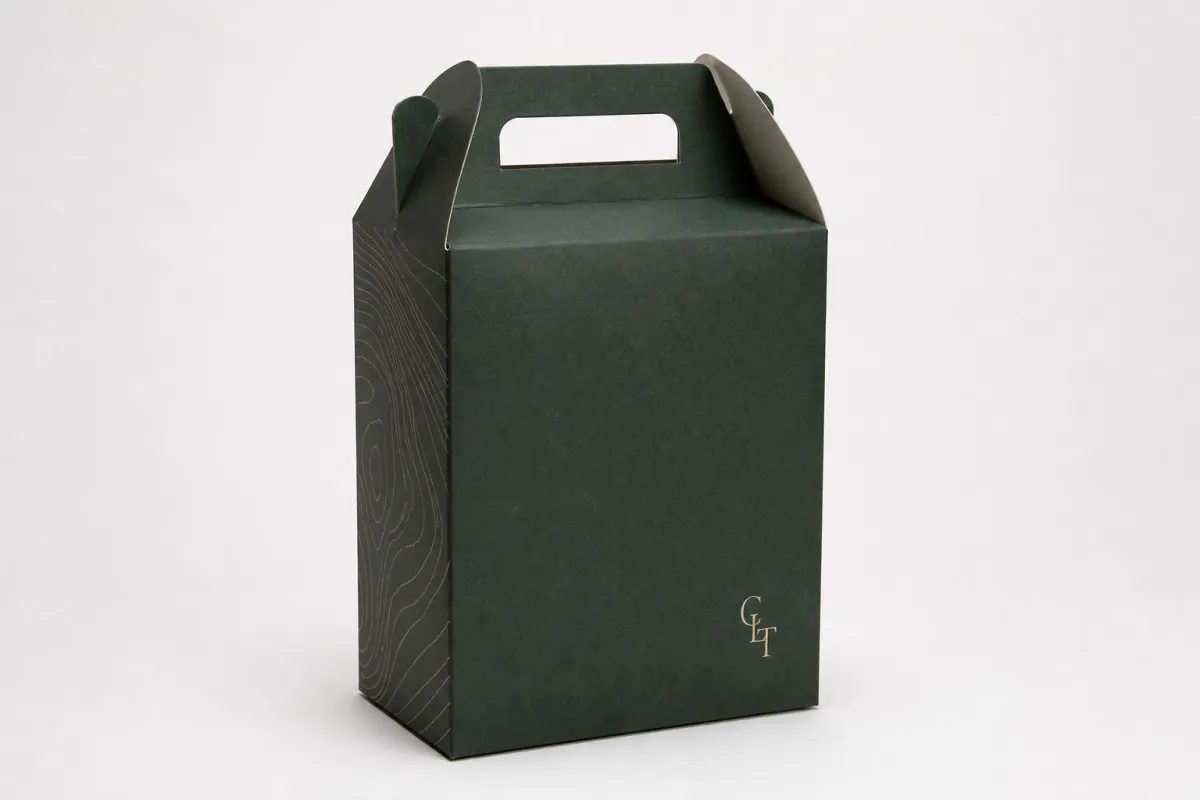
At the simplest level, a folding carton is a paperboard package that ships flat, is scored, folded, and glued into shape, then sized to fit a specific item or multipack. In practice, Custom Folding Cartons for food do much more than hold a product still. They create structure, protect the item from minor knocks and scuffs, and provide a surface for branding, product claims, nutrition panels, and the kind of shelf communication that helps a shopper make a quick decision.
That matters because food packaging has to earn its keep in several different ways. A bakery carton may need to present well on a display table and still survive refrigeration. A frozen meal carton has to keep its shape after temperature swings and repeated handling in distribution. A snack bar carton or confectionery sleeve may be mostly about visibility and brand recognition, while dry mixes often need a crisp graphic presence and enough stiffness to feel dependable in the hand. Custom folding cartons for food are versatile because they balance those needs without the weight and cost of rigid packaging.
From a materials standpoint, this is usually paperboard territory, not corrugated board, unless the product needs extra protection in transit. That lighter construction is one reason buyers favor custom folding cartons for food for retail packaging. They stack efficiently, ship flat, and create a clean front surface for package branding. For brands trying to connect a product line visually, cartons also make it easier to standardize layouts across flavors, sizes, and seasonal runs while keeping the line recognizable.
There is also a sustainability angle, and buyers sometimes underestimate how much it influences the final decision. Well-designed custom folding cartons for food can reduce material usage compared with heavier formats, especially when the board grade is matched to the product rather than overbuilt out of habit. If the carton is sourced from responsibly managed fiber and printed with inks and coatings that fit the recovery stream, it can support a more responsible story without feeling bare or generic.
"The carton is often the first place a shopper feels the brand, even before they read the label. If it feels flimsy, the product starts at a disadvantage."
If you want to compare carton styles with other package types, it helps to browse the broader range of Custom Packaging Products and think about where a carton fits best. In some cases, custom folding cartons for food are the outer retail layer over an inner wrap or tray. In other cases, they are the main consumer package and the whole brand story lives on that one surface.
How Custom Folding Cartons for Food Work in the Real World
The journey from flat blank to finished carton is simple on paper, yet every step affects performance. A board sheet is printed, die-cut, scored, and stripped. Then the carton blank is folded and glued, bundled, shipped flat, and later erected on the line or by hand. When custom folding cartons for food run well, those folds line up cleanly, the tuck flaps close without tearing, and the finished package looks square rather than tired or wrinkled.
Board choice shapes almost everything. Solid bleached sulfate, often called SBS, is common when a brand wants a smooth print surface and a premium look. Recycled board can make sense when cost control or sustainability goals matter, but it may not provide the same brightness or print sharpness. Coated unbleached kraft, or CUK, can be a practical choice for sturdier applications or where a warmer, more natural look is acceptable. The right board for custom folding cartons for food depends on the product, the shelf environment, and whether the carton is expected to survive moisture, cold storage, or repeated handling.
Food-specific performance adds another layer. A dry snack may only need reasonable stiffness and a good varnish. A greasy pastry or oil-rich product may need a coating that resists migration and staining. Frozen applications can introduce chill and freeze tolerance questions, especially if condensation is part of the product's journey. In some cases, the carton is not meant to be the primary food-contact layer at all; it is an outer shell over a liner, pouch, or tray. That distinction matters, because the rules and expectations for custom folding cartons for food change depending on whether the paperboard touches the product directly.
When buyers ask about testing, I like to think in terms of the distribution path instead of a single shelf snapshot. If the package will move through a warehouse, ride on a pallet, sit in a cooler, and then land on a display shelf, it should be evaluated that way. Industry references such as ISTA test methods and common ASTM packaging practices exist for a reason: cartons that look fine in a mockup can fail once real transit vibration, compression, or temperature changes are in play. I have seen a carton sail through art approval and then buckle after a week in a humid dock, and the fix was not more decoration. It was a better board call and a tighter score.
There are also add-ons that change how custom folding cartons for food perform. Windows can improve visibility, though they may affect recyclability. Insert trays can stop a product from shifting. Liners can help with hygiene or moisture control. Soft-touch coatings, aqueous varnishes, and spot treatments can improve the tactile feel or add barrier properties, but each one changes cost and production complexity. The carton should be designed as part of the wider retail packaging system, not as a standalone graphic panel.
If you are sourcing cartons alongside other package types, it helps to compare the structure against your other custom printed boxes and shippers. A strong folding carton can reduce the need for heavy secondary packaging, but only if the food item, fill method, and fulfillment path support that decision. That kind of packaging design thinking is where good outcomes usually come from.
Process and Timeline for Custom Folding Cartons for Food
A clean project usually starts with product review, not artwork. Before a dieline is finalized for custom folding cartons for food, the basics need to be locked: product dimensions, fill weight, closure style, whether the item is loose or wrapped, and how it will be packed out. A carton that is beautiful but awkward to load becomes a labor problem on the line, and that is the sort of issue nobody wants to discover after print approval.
The first structural checkpoint is often the most important one. If the item is short, wide, and fragile, the carton may need more headspace or a different closing style than a tall, narrow product. If the product shifts during shipping, the carton might need internal support or a tighter fit. If the package must open and reseal cleanly, the scoring and flap geometry need extra attention. In other words, custom folding cartons for food are easiest to get right when the structure follows the product instead of forcing the product to fit a generic shell.
Proofing should be treated as more than a visual check. A solid proof review verifies copy, barcode placement, legal panels, ingredient blocks, fold lines, glue areas, and any brand standards that need to stay consistent across the line. For food cartons, that can also mean checking for required claims, country-of-origin details, and read-through issues on dark inks or coated surfaces. A nice render is helpful, but a proof that ignores panel flow can create expensive rework later. That is especially true with custom folding cartons for food that carry dense information.
Sampling adds another layer of confidence. Digital proofs help with color and layout. Flat physical prototypes help with fit and assembly. Press samples show how the actual substrate and ink behave together. Each step reduces risk, and each one can reveal a different problem. A structural sample may show that the tuck is too tight. A press sample may show that the logo reads darker than expected. A carton that looked perfect in artwork can suddenly feel off in hand when the board thickness changes by even a small amount.
Lead time depends on complexity, but realistic planning always helps. Simple custom folding cartons for food with existing structures and straightforward artwork can move faster than a brand-new setup. Custom structures, specialty coatings, foil, embossing, or high-panel legal copy usually add time. As a practical range, many projects land in the neighborhood of 12 to 15 business days after proof approval for straightforward production, while more complex jobs can stretch longer depending on sampling, scheduling, and finishing.
For brands that want a sense of material behavior and sustainability direction, the FSC program is worth understanding, especially if fiber sourcing matters to your retail story. A carton can carry a responsible message only if the material choices support it all the way through. That applies to custom folding cartons for food just as much as any other branded packaging format.
Cost, Pricing, and MOQ Factors to Plan For
Pricing for custom folding cartons for food is usually driven by a handful of predictable factors: board grade, finished size, print coverage, number of colors, coatings, special finishes, quantity, and structural complexity. A small carton with one-color print and a simple tuck is a very different production job from a multi-panel carton with foil, embossing, a window, and a matte-soft feel. That sounds obvious, but buyers often compare them as though they should sit in the same price band.
MOQ, or minimum order quantity, matters because setup cost is spread across the run. Plates, die tooling, make-ready, and press time all have to be paid for somewhere. On a short run, those fixed costs push the unit price up. On a larger run, the cost per carton usually drops. That is why custom folding cartons for food often look expensive at 1,000 pieces and surprisingly efficient at 10,000 or 25,000 pieces. The press and die do not care much about your launch budget; they care about setup efficiency.
There are also indirect costs that buyers sometimes forget to include. If the carton carries barcodes or retail compliance information, those panels may need verification. If the product is food-contact sensitive, testing or material confirmation may be needed. If the carton is oversized, freight costs can climb. If the carton packs flat but takes more room in storage than expected, warehouse handling can affect the total picture. None of that is mysterious, but it does mean that the cheapest quote on paper is not always the cheapest package in the real world.
Premium finishes are where costs can move quickly. Soft-touch varnish adds a tactile feel but can increase manufacturing steps. Foil can make a logo stand out, yet it raises waste and setup. Embossing brings depth to package branding, but it needs proper die tooling and enough sheet strength to hold the detail. Spot UV can highlight a logo or flavor cue, but it must be used carefully so the graphics do not become busy. With custom folding cartons for food, the goal is not to add every finish available; it is to add the few that actually improve the sell-through story.
Here is a practical way to compare options before you sign off on a run:
| Option | Typical Use | Relative Cost | Notes |
|---|---|---|---|
| SBS board, simple print | Premium snacks, bakery sleeves, dry mixes | Lower to moderate | Strong print surface and clean folding; common for custom folding cartons for food. |
| Recycled board, standard varnish | Value lines, eco-positioned products | Moderate | Good for cost control and recycled content goals, but print brightness may be lower. |
| Coated board with window | Bakery, confectionery, visual merchandising | Moderate to higher | Improves product visibility; confirm recyclability and moisture behavior. |
| Premium board with foil or embossing | Gift sets, seasonal launches, higher-end retail packaging | Higher | Raises shelf impact, but requires tighter production control and a larger budget. |
One useful buying habit is to ask for pricing based on both current volume and likely reorder volume. If the first run is small but the product has a real chance of scaling, the carton should be structured so future runs do not force a redesign. That kind of planning makes custom folding cartons for food easier to manage over time, and it can stabilize unit cost when you need to move quickly later.
Key Design Factors That Make or Break Food Cartons
Size is the first design decision, and it deserves more attention than it usually gets. A carton that is too loose lets the product slide, rattle, or tilt. A carton that is too tight can slow assembly, crush delicate contents, or force operators to fight the package on the line. The best custom folding cartons for food sit in the middle: snug enough to protect, open enough to load efficiently, and stable enough to maintain a clean retail profile.
Then comes graphic hierarchy. Food cartons have a lot to say in a small area, and the hierarchy matters. The front panel needs the brand and product name to be immediately readable. Flavor cues should be easy to scan. Legal text, nutrition facts, and ingredient copy need correct placement, especially if panels wrap around folds or tuck areas. Good custom folding cartons for food make the shopper work less, not more, and that is a big part of why retail packaging succeeds.
Structural behavior is another place where buyers can get tripped up. Tuck strength, score quality, and friction between flaps all influence whether the carton stays closed after repeated handling. A flap that opens too easily in shipping creates returns and damage complaints. A flap that is too stiff can slow the line and frustrate packers. Even small changes in paperboard caliper can alter that feel. I have seen brands approve a design because it looked crisp on screen, then change board grade and wonder why the package suddenly folded differently. That is why custom folding cartons for food should always be checked physically, not just digitally.
Moisture, grease, and temperature are the three environmental factors that most often change the answer. Bakery goods can release oil. Frozen products can sweat when they come out of cold storage. Chilled foods may sit in high-humidity environments. Each of those conditions can call for a different coating, liner, or board choice. A package that works well for dry goods may fail quickly in a greasy or refrigerated application. The carton needs to match the real use, not the ideal one.
Sustainability decisions should be made with the same pragmatism. Recyclable paperboard is a strong option for many food applications, but the finish stack matters. Heavy lamination, complex window films, and mixed-material constructions can make recovery more difficult. If the goal is a lower-impact package, ask whether the design can use less material, fewer finish layers, or a simpler construction without weakening the retail story. In many cases, that balance is possible with well-planned custom folding cartons for food.
- Fit: Confirm dimensions with product samples, not just spec sheets.
- Readability: Keep nutrition and ingredient copy away from folds and seams.
- Durability: Match board and coating to grease, chill, or moisture exposure.
- Assembly: Test the carton on the pack line before approval.
- Branding: Make sure package branding looks consistent across sizes and flavors.
Those are not glamorous details, but they are exactly where good custom folding cartons for food either earn their keep or cause headaches later. The right carton should feel obvious once it is in hand, because the engineering and design choices are quietly doing their job.
Common Mistakes to Avoid with Food Folding Cartons
The most common mistake is designing the carton before the product spec is locked. It seems harmless, yet even a small change in fill weight, closure type, or inner wrap can throw off the fit. A dieline that looked perfect for one version of a product can become a nuisance on the line after a recipe or portion update. With custom folding cartons for food, the product comes first and the carton follows.
Another mistake is overspending on graphics while underinvesting in structure. A brand may want dramatic artwork, a premium finish, and a memorable shelf presence, which is fair enough. But if the carton loads slowly, refuses to stay closed, or warps under humidity, the package loses value fast. Good packaging design is not just visual; it is mechanical, operational, and commercial. The best custom folding cartons for food make the package easier to run, not just prettier to look at.
Board performance gets underestimated more often than it should. A buyer might like a specific feel in hand and choose it without asking whether it can handle compression, moisture, or oil migration. Then the carton starts to crush, curl, or show stains. That is especially frustrating on snack foods, bakery items, and anything with a high fat content. If the package will face stress, the board and coating should be chosen with that stress in mind.
Artwork errors are another recurring problem. Missing legal copy, barcode quiet zones that are too tight, flavor callouts placed too close to a fold, or tiny text tucked into a glue area are all avoidable issues. The carton may still print beautifully, but the line will suffer because the information architecture was not clean. For custom folding cartons for food, copy review should include operations and compliance, not just marketing.
Skipping samples is still one of the costliest shortcuts. Screen previews are useful, but they cannot tell you how the board feels, how the flap closes, or how the carton behaves after it is filled. A physical prototype often reveals a problem before that problem turns into waste. When the package is a key part of your branded packaging story, one extra sample round is cheap insurance.
Here is a simple reality check I recommend before approving any run of custom folding cartons for food:
- Confirm the product dimensions with a physical sample.
- Check all legal copy, barcodes, and claims in the proof.
- Test the carton by hand on the actual fill method.
- Review board behavior under expected temperature or moisture exposure.
- Approve the finish only after you see how it reads under store lighting.
None of that is fancy, but it is how you avoid the expensive version of packaging regret. A good carton should work in the warehouse, on the line, and on the shelf, and custom folding cartons for food are most successful when those three environments are considered together.
Expert Tips and Next Steps for Custom Folding Cartons for Food
If you are preparing to request quotes, gather the basics first: product dimensions, fill method, quantity, shipping conditions, and any food safety or labeling requirements. That simple prep work makes vendor conversations much more useful. Instead of guessing, the supplier can talk through structure, board choice, and finish options with real numbers. For custom folding cartons for food, that is the difference between a vague estimate and a workable package plan.
I also recommend starting with structure before decoration. Ask what the carton needs to do mechanically, then let the graphics support that structure. Too many teams begin with a mood board and only later discover that the product needs a different closure, stronger board, or a deeper tuck. When structure leads, custom folding cartons for food tend to be more reliable and easier to cost.
Another practical move is to compare at least two sample approaches. One can be a cost-efficient base version with standard varnish and straightforward print. The other can show where a premium finish, window, or tactile coating really adds value. That side-by-side comparison often reveals that a modest upgrade has a big retail payoff, while another expensive feature adds little. It is a good way to shape both branding and budget.
When you are ready to brief a supplier, be clear about the timeline. Split the project into artwork, proofing, sampling, production, and freight, because each stage can shift. If a product launch date is fixed, say so early. A well-managed schedule protects custom folding cartons for food from the usual last-minute pressure that causes rushed approvals and avoidable reprints.
For brands building out a broader packaging line, it can help to compare these cartons against the rest of your product packaging mix. A carton may be the right answer for retail-facing SKUs, while a pouch, tray, or shipper may be better elsewhere. The smartest programs usually combine formats rather than forcing one package type to do every job.
If you want to talk through carton fit, finish, or order volume, start with a product sample and a target budget. From there, you can request a dieline, review board options, and decide whether the package should stay lean or move toward a more premium presentation. That is the practical path for custom folding cartons for food, and it usually saves time on the back end.
Keep the brief grounded in four checks: fit the product, protect the contents, support the brand, and stay honest about the budget. When those pieces line up, custom folding cartons for food become a strong packaging choice rather than just another printed box. The next move is simple: lock the physical sample, the fill method, and the board spec before art gets too far down the road. That one decision prevents most of the painful surprises later.
What materials are best for custom folding cartons for food?
Paperboard is the most common choice, and SBS is often selected when a brand wants a smooth print surface, crisp folding, and a more premium look. Recycled or coated boards can also work well depending on the product and the brand's sustainability goals. For custom folding cartons for food, the right material depends on whether the item is dry, greasy, chilled, or frozen, because moisture and temperature change how the carton needs to perform. If the carton touches food directly, confirm whether a barrier coating, liner, or alternate construction is needed for compliance and product protection.
Are custom folding cartons for food recyclable?
Many are recyclable when they are made from paperboard and do not include difficult-to-separate laminates or heavy food residue. Coatings, windows, and specialty finishes can affect recyclability, so it is worth confirming the exact material stack before finalizing artwork. If sustainability is a priority, ask for a board and finish combination that supports recovery without compromising shelf performance. That is often the most practical way to keep custom folding cartons for food aligned with both retail goals and environmental expectations.
How long does a custom folding carton project usually take?
The timeline depends on whether the structure already exists or needs to be built from scratch, since custom engineering and sampling add extra steps. Artwork approval, proofing, and sample revisions can extend the schedule even when production capacity is available. Simple runs may move quickly, but specialty finishes, complex die cuts, or compliance-heavy packaging usually need more lead time. For custom folding cartons for food, a thoughtful schedule is usually better than a rushed one.
What affects the price of custom folding cartons for food?
The biggest drivers are board grade, carton size, print coverage, finish choice, quantity, and whether the structure needs inserts or specialty features. MOQ matters because setup and press efficiency affect unit cost, especially on smaller runs. Freight, warehousing, and any testing or compliance work can also influence the final price you should budget for. When you price custom folding cartons for food, it helps to look at both the first run and the likely reorder path so the package stays economical over time.
Do I need a print-ready dieline before ordering custom folding cartons for food?
Not always, but you do need accurate product dimensions and clear packaging requirements so the carton can be engineered correctly. A good supplier can often provide or refine a dieline, then help align the artwork to folds, glue tabs, and barcode placement. If your package has strict regulatory or retail requirements, a professional structural setup is worth the extra planning time. That is especially true for custom folding cartons for food, where one small layout mistake can ripple into both compliance and production issues.
What is the safest way to choose between a standard and premium carton?
Start with the job the package has to do, then decide where the premium choice actually improves the shopper experience or protects the product. A standard carton may be the right answer for a value line or a high-volume SKU, while a premium finish may make sense for seasonal items, gift packs, or products sold in a crowded category. The safest path is to compare a cost-efficient version against a premium version, then judge them on structure, shelf impact, and total landed cost. That way, custom folding cartons for food support the business instead of just raising the decoration budget.

