Custom slider lock bags for labels: the packaging problem they solve
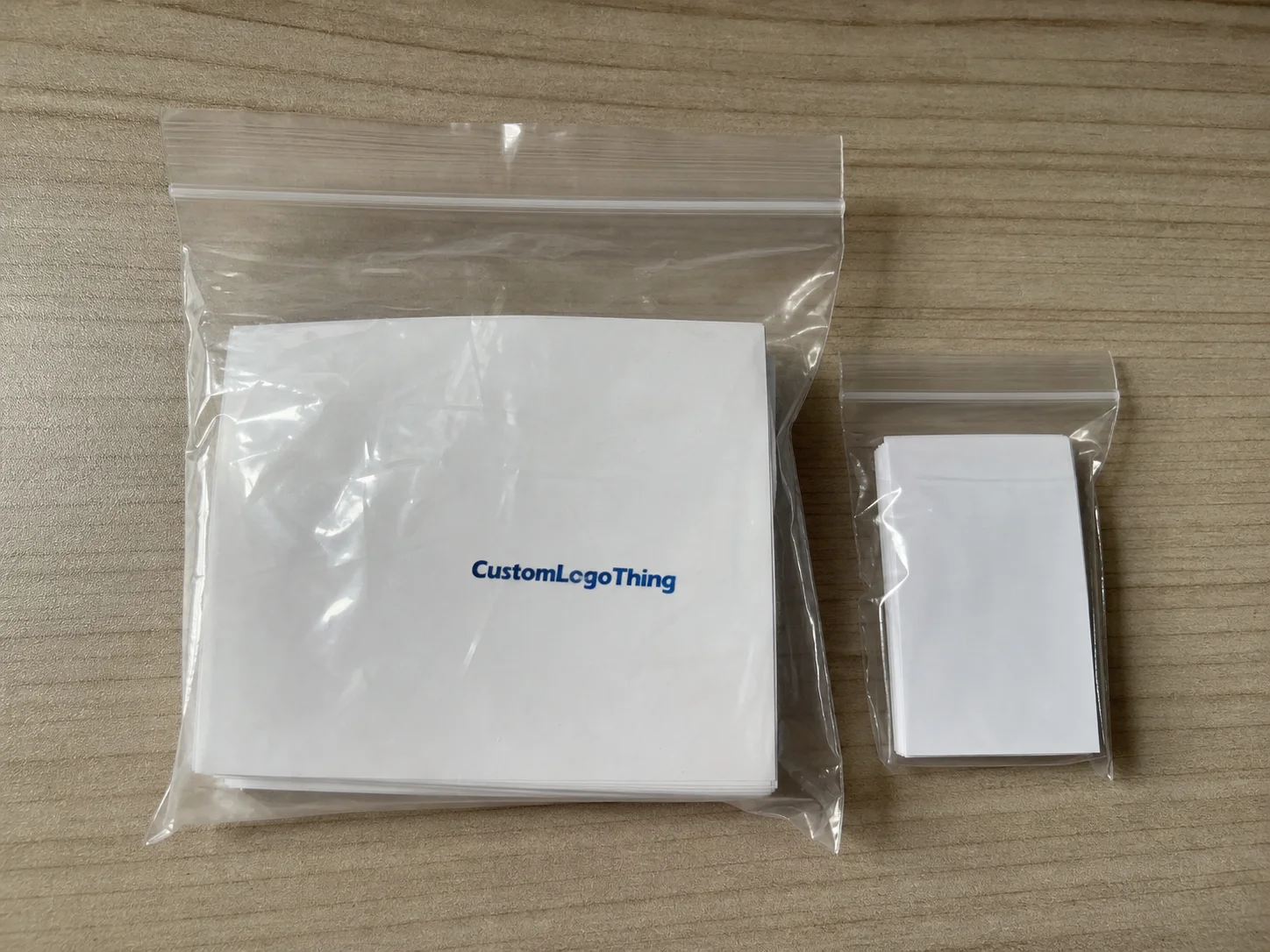
Printed labels usually survive the press just fine. The trouble starts later: during counting, repacking, kitting, storage, and shipment. One dusty shelf, one bent corner, or one carton that gets set down hard enough can turn a clean label run into rework. That is the practical purpose of Custom Slider Lock Bags for labels. They protect label stock after printing while keeping the contents visible and easy to access.
For buyers, the use case is rarely abstract. You may be packing pressure-sensitive labels, sample sets, instruction inserts, or small accessory bundles. The contents need to stay clean, easy to identify, and simple to reopen without tape or a finicky seal. A slider closure matters because people actually use it well under time pressure. It closes the same way every time, which reduces the small handling failures that add up over a full production week.
That difference sounds minor until you follow the workflow. If a fulfillment team opens and reseals the same bundle multiple times, the closure format becomes a labor issue, not just a packaging preference. Bags that snag, tear, or refuse to close cleanly create a steady drag on operations. In some programs, the labor savings outweigh the bag cost by a wider margin than buyers expect.
The real question is not whether a bag is needed. It is which specification protects the label stack without slowing the people handling it. Size, clarity, closure strength, and overall film durability all matter. A bag that works for internal inventory tracking may be a poor fit for retail-facing kits, and a format that looks good in a catalog can still fail once it reaches a busy packing table.
Practical rule: fit the bag to the actual stack height, not just the face dimensions. Most sizing mistakes start there.
There is also an economic angle that gets overlooked. Better protection can reduce spoilage, cut rework, and keep usable stock from being written off. A slight increase in unit cost often pays for itself if the packaging prevents even a small amount of damage on repeated handling cycles. On a recurring label program, the bag is usually cheaper than the labor and waste created by poor protection.
How the slider closure protects labels during storage and shipping
A slider closure works because it gives staff a repeatable open-and-close motion. That sounds simple, but repeatability is the value. People can access the contents quickly, then close the bag again without guessing whether the seal lined up correctly. Under busy conditions, that consistency prevents half-closed bags and accidental contamination.
For label stock, the main threats are ordinary but destructive: dust, moisture, friction, and bags that open during handling. A clear slider bag helps with all four. It keeps the stack contained, and it lets staff inspect the contents without opening the package. That matters when someone is checking SKUs at a kitting table or pulling inventory from a shelf and needs the right item fast.
The closure also helps in transit. In outbound cartons, bags can shift, rub against adjacent products, or catch on rough edges inside the box. A slider is not a substitute for outer carton protection, but it does reduce the chance that the inner pack opens during movement. For teams handling Custom Labels & Tags, that extra restraint can protect both appearance and count accuracy.
What the closure does not do is compensate for a poor spec. If the bag is too small, the slider gets stressed. If the film is too light, punctures and seam splits still happen. If the contents have sharp corners, like die-cut sheets or tightly cut label stacks, the material needs enough toughness to survive repeated handling. The closure can support the package; it cannot rescue it.
Visibility matters just as much. Clear film lets staff identify label stock at a glance, which reduces unnecessary opening. That lowers exposure to dust and reduces the risk of pick errors. In mixed-storage environments, where several SKUs sit side by side, visibility can save more time than any printed feature on the bag.
Compatibility is another issue buyers should not gloss over. Flat label sheets, rolled labels, and mixed insert bundles behave differently inside the same bag. Stack height changes closure pressure. Adhesive surfaces should not be squeezed so tightly that corners curl. If the bag itself carries a scan label or internal tracking code, barcode readability matters too. These details are small on paper and decisive in the warehouse.
There is also a difference between a bag that looks protective and one that actually is. A package can appear generous from the outside and still stress the closure if the usable opening is too narrow. It can also feel secure in a sample photo and fail once the full production stack is loaded. That is why buyers should test with actual label stock, not estimates.
Material, thickness, and finish choices that affect performance
For label packaging, clarity is not decorative. It is functional. People need to identify the contents without opening the bag, and they need print faces, SKU cards, and barcodes to stay visible. That is why clear film is the default choice for most label programs. Decorative finishes may suit consumer packaging, but they rarely help here unless there is a specific branding need.
Film thickness is where the tradeoff gets practical. Thinner film typically lowers cost, while heavier film usually performs better when the label stack is sharp-edged, heavier, or handled repeatedly. For light internal storage, a lower gauge may be enough. For fulfillment-heavy use, or for label sheets with crisp cut corners, more puncture resistance is usually worth the extra spend. Many buyers begin comparing options in the 2.0-3.0 mil range, though the right spec depends on the load, the size of the opening, and how often the bag is reused.
Finish affects the workday more than some buyers expect. A glossy clear film looks clean and helps the contents stand out, but warehouse lighting can create glare. Matte or frosted finishes can reduce reflection, though they may slightly reduce absolute clarity. If the bag is part of product packaging that sits near other branded materials, the finish choice also shapes shelf presentation. That matters more in mixed retail and internal-use programs than in a simple storage-only application.
Some orders need added features. Anti-static film can help in dry environments. Hang holes are useful if the bags will be displayed or stored on hooks. Print panels can carry part numbers or sorting instructions, and writable zones can support check-off marks. Buyers often add labels later when those functions are missing. That usually works, but it is less tidy and can slow the line.
Environment changes the answer too. Humid back rooms, wide temperature swings during transit, and long storage periods all affect how a film behaves. A bag that performs well in a clean office may behave differently on a receiving dock in summer or inside a cold trailer in winter. The spec should be based on actual storage conditions, not just a product description.
For teams comparing packaging across multiple categories, it helps to see where the label bag fits inside the broader system of Custom Packaging Products. These bags are not isolated items. They sit alongside cartons, inserts, dividers, and shipping materials. If one part is weak, the rest of the package has to make up for it.
| Spec choice | Best for | Typical effect | Watch-outs |
|---|---|---|---|
| Clear thin film | Light label stacks, low-touch storage | Lower unit cost, easy visibility | Less puncture resistance |
| Clear heavier-gauge film | Repeated handling, sharper edges | Better confidence and durability | Slightly higher cost |
| Printed panel + clear window | SKU control, internal branding | Better identification and package branding | More setup complexity |
| Anti-static or specialty film | Dry environments, sensitive inserts | Improved handling behavior | Not needed for every program |
Cost, pricing, and MOQ: what moves the quote
The quote for custom Slider Lock Bags for labels depends on much more than size. The main variables are dimensions, film thickness, closure type, clarity level, print complexity, and total order volume. Two vendors can both say they are quoting the same bag, but if one assumes 2.0 mil film and the other assumes 3.0 mil, the comparison is meaningless.
The easiest way to think about pricing is to separate recurring costs from one-time setup costs. Small runs usually carry a higher unit price because setup, material waste, and changeovers are spread across fewer bags. Larger orders usually lower the price per unit. That is why a 5,000-piece run can look very different from a 20,000-piece run even when the bag appears identical on paper.
For rough planning, plain clear slider bags in a simple spec may land around $0.18-$0.28 per unit at 5,000 pieces, depending on size and thickness. Add printing, specialty film, or complex dimensions, and the price rises. That range is not universal, but it is realistic enough to keep internal budgeting grounded.
MOQ is where many teams get surprised. Custom dimensions and branded finishes often push minimums up because setup and scrap have to be absorbed somewhere. A stock-size bag may allow a smaller run, while a fully custom format with printed panels and a special closure usually requires a larger commitment. If the volume is borderline, ask for multiple pricing tiers rather than assuming one quote tells the whole story.
To compare quotes fairly, ask each supplier to confirm the same:
- Film gauge
- Bag dimensions and usable opening
- Closure style and slider type
- Print coverage or branding details
- Packing format per case
- Shipping method and destination
Hidden costs can matter more than the bag itself. Rush production, freight upgrades, custom inserts, and split shipments can change the landed price quickly. A quote that looks attractive on paper may not be attractive once transit and handling are included. That is especially true if the bags support a launch schedule or a retail rollout with fixed delivery dates.
For recurring label programs, ask for tiered pricing at two or three quantities. That usually shows the point where it makes more sense to order more at once and hold inventory instead of reordering too often. In many packaging programs, that break point is where the real savings live.
Production process and lead time: from dieline to delivery
The production path is straightforward, but each step depends on the one before it. First, gather the dimensions. Then confirm the label count and stack height. Next, settle the film and closure specification. After that, move to sampling or proofing before full production starts. Skip one step, and the rest becomes guesswork.
Dimension approval is where expensive mistakes usually happen. A bag that fits the face size but not the actual stack height can strain the closure, curl corners, or make the pack awkward to reseal. If the opening is too tight, staff force it. If it is too loose, the contents shift around too much. Either way, the spec is wrong.
Lead time has three parts: sample review, production scheduling, and transit. Buyers often focus only on the production window, but approvals can take longer than expected, especially if artwork or print panels need changes. For many custom runs, a realistic timeline is often 12-15 business days from proof approval for production, plus shipping time. Complex orders can take longer. Rush schedules are sometimes possible, but not always, and freight can become the limiting factor.
The bottlenecks are usually predictable:
- Artwork revisions after proofing
- Spec changes to dimensions or thickness
- Color matching or print placement adjustments
- Missing details such as case count or shipping destination
In practice, the best scheduling strategy is to align the bag order with the label print run and the inventory arrival date. If labels arrive first and bags arrive late, fulfillment stalls. If bags arrive first and labels are delayed, the packaging sits in storage and ties up cash. Neither outcome helps operations.
For programs tied to product launches, this matters even more. If your label inventory supports a new retail set or seasonal SKU, the bag spec should be approved before the broader launch calendar tightens. Packaging should not become the constraint.
Planning note: sample-first approval is worth the extra day or two. It is cheaper than discovering a fit problem after a full run has already been produced.
Standards can help with testing and qualification. For shipping durability and distribution checks, many teams refer to ISTA methods. If sustainability requirements matter, material documentation can be reviewed against supplier records and organization-level commitments, including resources from the EPA or fiber sourcing references from FSC where relevant. Not every label bag needs formal certification, but the buyer should know what evidence exists.
Common mistakes that cause label damage or rework
The most common sizing mistake is simple: buyers measure the label face and forget the stack height. The bag looks fine in a flat sample, then the full order arrives and the closure feels stressed. Corners bend. The slider drags. The pack becomes irritating to use. That is how a small spec miss becomes a daily annoyance.
Another common error is choosing film that is too light. Thin film can cloud, puncture, or split at the seam after repeated handling. That is not only a visual issue. It creates manual repacking, which costs labor and can damage the contents. A bag that fails once is an inconvenience; a bag that fails repeatedly becomes a process problem.
Workflow gets ignored more often than it should. If a pack is opened dozens of times per day, an awkward closure becomes a labor drag. If it is opened once and stored long term, the priorities shift. The right closure for a kitting team is not always the right closure for archival storage.
Visibility errors cause their own problems. Opaque material, poor print placement, or too much branding can hide the SKU and slow fulfillment. That is especially counterproductive when the bag is supposed to support internal organization. Good package branding helps, but only if it does not block what staff need to see at a glance.
Storage conditions are another blind spot. Label kits held in warm, humid, or dusty areas need more protection than samples kept in a clean office drawer. A bag selected for a showroom-style environment may fail in a warehouse. That gap between theory and reality is where many rework issues begin.
Next steps for choosing the right bag spec
Start with a real inventory check. Measure the widest label dimension, confirm the unit count, and note whether the contents are sheets, rolls, or mixed inserts. Then measure the full stack height. That one step prevents more mistakes than most buyers expect.
Next, document the operating environment. How often will the bag be opened? Will it sit in a humid back room, a clean office, or on a warehouse shelf? Will it travel by parcel, pallet, or mixed freight? Those details shape the spec more accurately than a generic product description ever will.
Request a sample or prototype and test it with actual label stock. Do not approve a bag based on a thinner sample stack or a rough estimate. Test the closure, check the fit, and confirm that the labels stay flat and readable after several open-close cycles. A ten-minute test can prevent a costly run from going off spec.
Then build a short RFQ checklist so quotes stay comparable:
- Bag dimensions
- Film thickness
- Closure style
- Quantity
- Branding or print needs
- Timeline
- Shipping destination
If labels matter to your supply chain, treat the bag as a controlled specification, not an afterthought. The difference between a decent pack and a good one usually comes down to fit, clarity, and handling behavior. That is why Custom Slider Lock Bags for labels deserve the same scrutiny you would give any other production-facing packaging component, including custom printed boxes.
For larger packaging programs, compare options across Custom Packaging Products and lock the final spec before scaling. That approach protects inventory, reduces mistakes, and avoids paying twice to solve the same problem.
What size should custom slider lock bags for labels be?
Measure the widest label dimension, then add room for the full stack height and the slider closure. Test with the actual label count, not a thinner sample stack. If the bag is too tight, the closure will feel strained and the contents may curl.
Are custom slider lock bags for labels better than standard seal bags?
Slider bags usually perform better when the package will be opened and resealed repeatedly. Standard seal bags can cost less, but they are less convenient for kitting, sampling, and inventory pulls. If staff handle the same pack multiple times, the slider often saves labor.
What affects the MOQ for custom slider lock bags for labels?
Custom dimensions, specialty film, and printed branding usually increase MOQ. Ask for tiered pricing so you can compare unit cost at multiple quantities. That makes it easier to judge whether a larger run is smarter than frequent small orders.
How long does production usually take for label slider bags?
Lead time depends on sampling, approvals, and whether the order is plain or printed. Rush schedules are often constrained by material availability and freight, not just factory time. For many orders, production falls in the 12-15 business day range after proof approval, plus transit.
Can these bags be branded for retail or internal inventory use?
Yes. Many buyers add logos, SKU fields, or print panels for organization and shelf presentation. Keep part of the bag clear if the label content needs to stay visible at a glance. That balance matters whether the bag is used for internal control or a customer-facing presentation.


