Printed Slider Lock Clothing Bags Quote for Coffee Roasters
If you are comparing a printed Slider Lock Clothing Bags quote for coffee, separate price from fit first. A bag can look premium in a mockup and still fail in use if the closure feels weak, the print area is cramped, or the film creases through filling, transport, and repeat opening. For coffee, those details affect shelf appeal, reuse, and whether the next reorder matches the first run.
Why Branded Slider Bags Matter for Coffee Displays
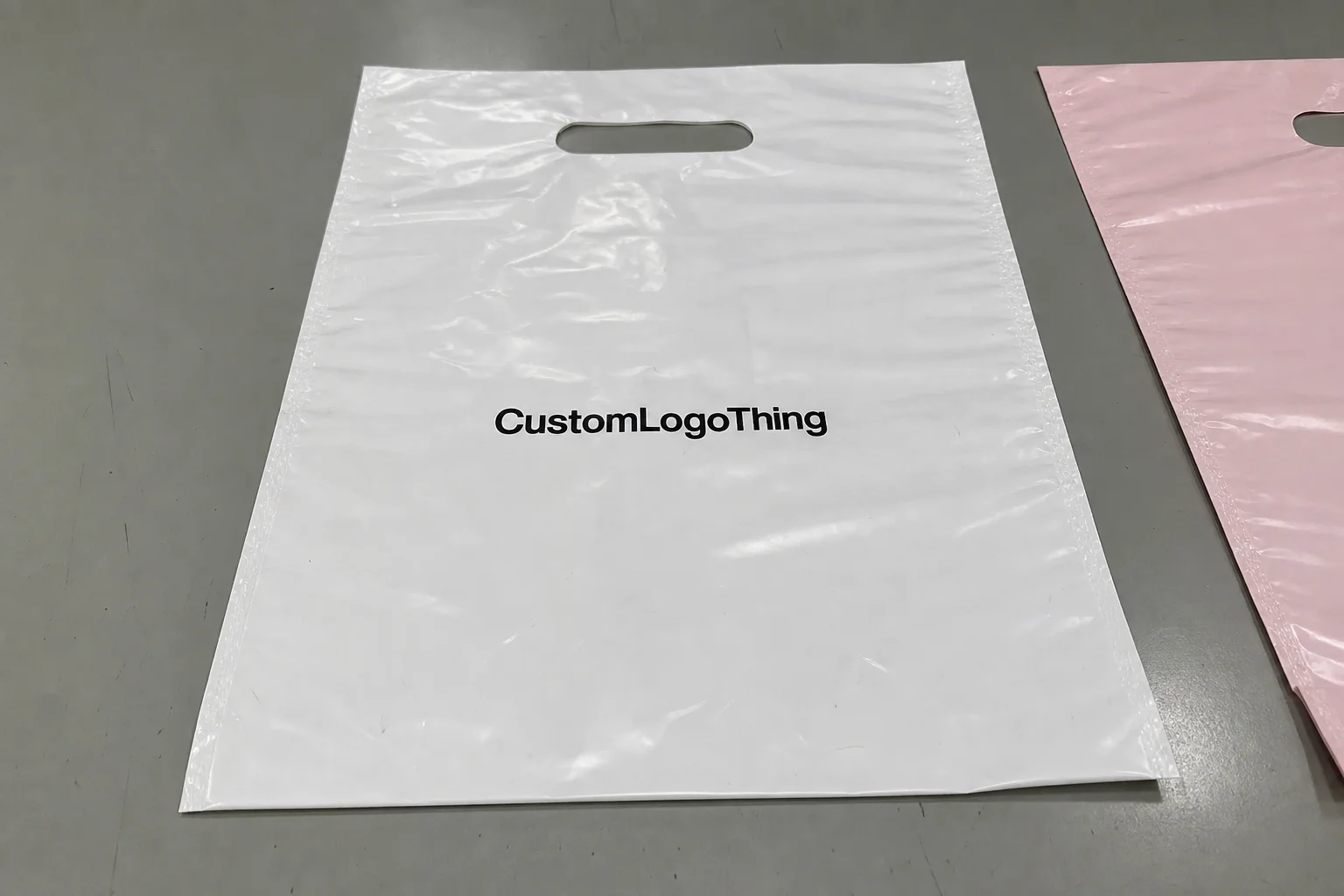
Retail coffee packaging has to do several jobs at once. It must show the brand clearly, protect the product, stand neatly in display or fulfillment, and reopen easily after first use. A slider closure can feel more finished than a plain heat-sealed pouch because it signals reuse at a glance. That matters in coffee aisles, cafe counters, subscription boxes, and gift sets where the pack often sells the product before anyone tastes it.
A clear or semi-clear slider bag can work well for small-batch roasting because it balances product visibility with branding space. Too much opacity can hide the product; too much transparency can make weak artwork look unfinished. The best result usually comes from matching film clarity, print contrast, and the amount of information the buyer needs to see on the front panel.
A useful quote should capture the structure, not only the graphic idea. Size, closure type, film thickness, print coverage, finish, and ship-to destination all need to be part of the same request. If any of those inputs are missing, the estimate may look attractive but drift once the job moves toward proofing.
For buyers, the practical value is consistency. A disciplined spec keeps the sample run, first production run, and reorder aligned. That is especially useful for roasters packing by batch, where packaging changes can disrupt merchandising, carton counts, and retail refreshes.
A packaging quote only has value if the bag can be repeated with the same dimensions, finish, and closure feel. If the next order cannot match the first one, the low unit price is not the whole cost.
Teams usually request this format for one of three reasons: stronger shelf appeal, a more reusable customer pack, or a bag that simplifies packing and display. The right structure can support all three, but only when artwork and mechanical details are planned together.
Bag Structure, Closure Style, and Print Coverage
A slider bag is more than a printed face. It includes film, seals, closure track, slider hardware, and print zones that must stay clear of weld areas and functional edges. Buyers often start with logo and color, but structure determines whether the design can be produced cleanly.
For coffee, the main decoration choices are front-only printing, two-side printing, and fuller panel coverage. Front-only printing keeps cost lower and works for a simple logo, roast name, weight, and short descriptor. Two-side printing creates room for tasting notes, origin details, roast information, barcodes, or compliance text. Full-panel decoration gives more design flexibility, but it increases setup demands and usually moves the pack into a higher cost bracket.
Finish affects readability. Matte film reduces glare and often makes type easier to read under bright retail lighting. Gloss can look crisp in photos, but it may reflect heavily in stores. Clear film shows the product directly, but it also demands strong contrast so the logo and required text remain legible.
The closure deserves careful review. A standard zipper is familiar, while a slider-assisted opening can feel easier and more polished for customers who open the bag daily. If the closure jams, catches, or feels loose, it weakens the perceived quality of the whole pack.
Bag geometry also matters. A pack intended for 250g, 12 oz, or 1 lb of coffee needs enough headspace for filling, sealing, and a clean top margin. If the printable area is too tight, the logo can land too close to the closure track or weld line. That is a common cause of approval delays because the dieline may look fine on screen while the physical bag leaves too little room.
Option table for quote planning
| Spec path | Typical MOQ | Typical unit cost | Best use case |
|---|---|---|---|
| Front-only print, matte finish, standard slider | 5,000-10,000 pcs | $0.18-$0.28 | Simple retail launch, tighter budget, limited artwork |
| Two-side print, mixed text blocks, standard slider | 8,000-15,000 pcs | $0.24-$0.36 | Brand story, roast notes, compliance copy |
| Full-panel print, premium finish, slider upgrade | 10,000+ pcs | $0.32-$0.48 | Flagship packaging, premium shelf placement |
These numbers are directional. Exact pricing moves with size, print method, color count, finish, film gauge, and closure specification. Still, this comparison is more useful than requesting a price with no dimensions or production context.
Film Thickness, Sizes, and Retail Spec Limits
Film thickness is easy to overlook until bags start moving through filling and shipping. Too light, and the pack can feel flimsy, crease easily, or puncture during handling. Too heavy, and the price rises without always adding useful performance. For coffee packaging, a flexible structure in the 3.5-6 mil range is common, depending on bag size, fill weight, and distribution conditions.
A dependable quote should specify width, height, gusset depth, seal margin, and print-safe area. If one of those values is missing, the estimate may be fine for rough planning but not reliable for production. For retail display, finished height and shelf stance matter. For mail-ready packs, compression resistance and corner durability may matter more.
A practical sizing check is simple: match volume to roast weight while leaving headroom for the slider, seal, and fill line. Smaller sample packs are usually easier to quote because they allow more tolerance. Shelf packs and shipping-ready formats need tighter dimensional control, especially when artwork sits near the top edge or wraps around side gussets.
Quality control should go beyond visual review. Print registration, seal width, closure alignment, and zipper track consistency all matter. A 2 mm shift can change the way the logo sits relative to the closure. Weak seal margins create carton-to-carton variability. Closure misalignment creates customer frustration and can slow approval on the next order.
If the packaging must survive shipping, think about handling and distribution as well as appearance. Transit-test thinking, such as the kind used in ISTA protocols, is useful when the product will see drops, vibration, or compression. If the pack includes paper components or outer cartons with paperboard inserts, procurement teams may also care about FSC certification. These details may not change the bag structure directly, but they can affect documentation and approval timing.
Buyers who send exact size, film spec, finish, and intended use usually receive cleaner pricing than buyers who send a logo and expect the rest to be inferred. Quote accuracy is built from complete inputs.
Pricing, MOQ, and Quote Drivers
Price is rarely just a function of quantity. The main drivers are bag dimensions, film gauge, print colors, finish, slider hardware, and whether artwork appears on one panel or several. A larger bag uses more material. Multiple colors add setup and registration work. A premium closure can add cost even when the film construction stays the same.
MOQ often rises with complexity. A simple one-color layout on a standard structure can usually be quoted at a lower threshold than a full-panel design with multiple spot colors or a specialty finish. A lower MOQ usually raises unit cost because setup is spread across fewer pieces. Buyers should treat that as a normal tradeoff, not an unexpected fee.
For a sharper Printed Slider Lock Clothing Bags quote for coffee, send the full spec in one package. Include bag size, target quantity, material preference, number of print colors, finish preference, artwork files, and any required compliance copy. Add the ship-to ZIP or destination port, because freight can change landed cost quickly.
Common variables that move the number:
- Color matching requirements for brand tones or logo standards
- Proof revisions that change print setup or plate work
- Sample requests before mass production
- Split shipments across more than one location
- Rush scheduling when the production line has to be moved forward
Ambiguity is expensive. If artwork is still changing, the quote is still provisional. If fill weight is not fixed, bag size may still change. Both issues can move cost more than the print method itself.
For budget planning, ask for two paths: one at the lowest acceptable MOQ for a test run and one at a more efficient production tier. That comparison shows whether the project belongs in a pilot phase or should move directly into a fuller production run.
Production Steps, Proofing, and Lead Time
A serious packaging order moves through a sequence: inquiry review, dieline confirmation, artwork placement, proofing, signoff, scheduling, production, and dispatch. When those steps are rushed, the error usually appears later as a print mismatch, dimensional problem, or delivery miss.
Proofing is where many problems are caught at low cost. Check logo placement, text legibility, barcode spacing, color expectations, and the relationship between artwork and usable print area. If roast notes or legal copy are included, review them at actual size. Text that looks fine in a reduced PDF can become unreadable once printed on film.
Lead time depends on artwork readiness, order quantity, and whether the construction is standard or custom. For a straightforward run, 12-15 business days from proof approval is a realistic planning window. More complex jobs can take longer. Rush work may be possible, but it usually carries a premium and leaves less room for revisions.
Packaging and dispatch should also be confirmed before approval. Ask how cartons are counted, labeled, and palletized. If the order is split among stores, warehouses, or co-packers, carton labeling becomes operationally important. A quote that ignores receiving details is incomplete even if the print price looks good.
Practical rule: do not approve production until the proof matches the bag size, closure position, and usable print area exactly. That single check prevents a large share of rework.
When comparing suppliers, the best choice is not automatically the lowest unit price. It is the supplier that keeps the timeline realistic, the spec stable, and the documentation clear enough that the next order does not need to be rebuilt from scratch.
What Makes Repeat Orders Easier to Approve
Repeat orders should get simpler. If the first run was documented properly, the second one moves faster because the approved artwork, final dimensions, closure style, finish, and color reference are already on record. Without that discipline, every reorder starts to feel like a new project.
Consistency is the main advantage. Coffee packaging often moves in batches, and brand teams do not want one lot to look different from the last. A solid QC routine keeps the logo in the same position, the closure feeling the same, and the carton pack arriving in the same arrangement. These are ordinary details, but customers and retailers notice when they change.
Fast confirmation also matters. If a supplier can quote a small change without restarting the entire cycle, the buyer does not lose a week to admin. That speed helps when roast schedules, launch dates, or retail resets are fixed.
There is also a warehouse benefit. Standard carton counts and pallet patterns reduce receiving friction. Teams handling multiple SKUs need to know what is arriving, how much space it will take, and how the paperwork will line up with the purchase order. Predictability saves time even when the bag price is unchanged.
If the brand expects recurring volume, build the spec around stored records rather than one-off estimates. The most efficient quote is the one that can be reused with minimal adjustment. A good supplier should be able to retrieve the same dimensions, closure style, and print references for the next order without rebuilding the file.
That is why the quote should be treated as the start of a packaging system, not just a price request. If it cannot support a clean reorder, it is not complete enough yet.
Next Steps for a Faster, Cleaner Quote
If the goal is speed, send a complete brief. The fastest quote requests include bag size, material preference, print count, target quantity, artwork files, finish preference, and destination ZIP or port. That is the minimum information needed to move from a rough estimate to a production-ready conversation.
When the project is still being tested, ask for two versions of the quote. One can be based on a lower MOQ for launch or sampling. The second can show the cost improvement at a more efficient quantity tier. This makes the buyer decision clearer because it compares real tradeoffs instead of isolated unit prices.
When reviewing a printed Slider Lock Clothing Bags quote for coffee, compare unit cost, lead time, proofing, and freight together. A lower bag price can disappear once shipping, proof revisions, or rush handling are added back into the total. The landed number is the one that matters.
Before release, confirm four points:
- Artwork is final and legible at print size
- Proof dimensions match the intended fill weight
- Closure style matches how the customer will open the pack
- Carton and delivery details fit the receiving plan
Once those points are settled, the order is easier to manage. The packaging can carry the brand clearly, protect the coffee, and stay consistent from the first production run to the next.
What do I need to request a printed slider lock clothing bags quote for coffee?
Send the exact bag size, material preference, print colors, target quantity, and whether the finish should be matte or gloss. Include artwork files or a rough layout so the quote reflects actual setup work rather than a placeholder. Add the shipping destination because freight can change landed cost quickly.
What MOQ should I expect for custom printed slider lock clothing bags?
MOQ depends on print complexity, bag size, and whether the structure is standard or custom-built. Lower quantities are possible, but unit cost usually rises when setup time is spread across fewer bags. For a useful comparison, ask for two tiers: a test run and a production tier.
Can I get samples before placing a printed slider bag order for coffee packaging?
Yes. Samples are the safest way to check size, closure feel, film clarity, and print placement before mass production. Test the sample with the actual coffee or a fill substitute so you can verify fit and shelf presence. If timing is tight, request a digital proof first, then a physical sample once the quote is moving forward.
How long does production usually take after quote approval?
Lead time depends on artwork readiness, proof approval speed, order size, and whether the structure is standard or custom. A straightforward run often fits into a 12-15 business day window after proof approval, though complex orders can take longer. Ask for the schedule early so packaging arrival lines up with roasting and launch dates.
Which print details matter most for coffee branding on slider lock bags?
Logo placement, contrast, and legibility matter more than decorative effects if the bag has to sell quickly on shelf. If roast notes, origin details, or barcodes are required, make sure they fit inside the usable print area. Choose finish and film clarity together so the branding reads well under store lighting and in photos.


