Fast Printed Slider Lock Clothing Bags Quote for Tea
A printed Slider Lock Clothing Bags quote for tea sounds oddly specific until the packout is on the table: sachets, tasting cards, apparel, inserts, sample tins, or a small gift item all needing to arrive as one clean bundle. The bag is not only a wrapper. It is the first retail surface the customer sees, the piece that keeps the kit organized, and often the difference between a promotion that feels finished and one that looks assembled at the last minute.
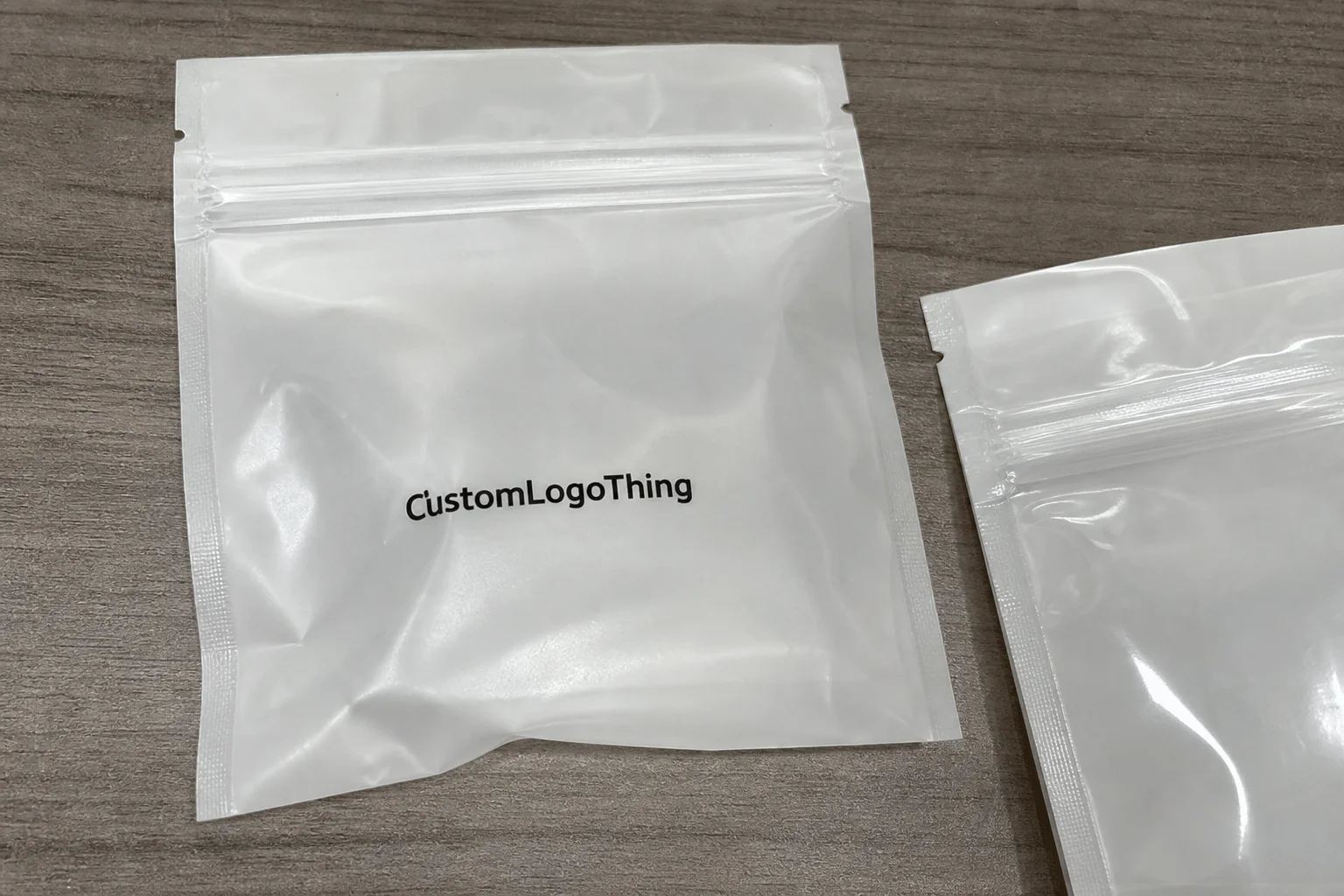
Slider lock bags started in familiar territory: apparel, soft goods, accessories, and reusable retail packaging. Tea programs borrow the format because it solves a similar handling problem. A resealable slider is easy for fulfillment teams to close, easy for customers to reopen, and more polished than a plain sleeve when the contents need to be visible.
The specification changes quickly, though. If the tea is sealed inside individual sachets or cartons, the slider bag may serve as secondary packaging. If loose leaf tea will touch the plastic directly, the request becomes a food-contact packaging discussion, with material, odor, ink, and documentation requirements that should be reviewed before pricing is finalized.
Why Tea Brands Use Slider Lock Bags Beyond Apparel
Tea brands usually choose slider lock bags for order control, presentation, and repeat handling. A subscription kit might include five sachets, a folded brew guide, a coupon card, and a small branded item. If those parts shift loose inside a mailer, the opening experience can feel untidy even when the tea itself is high quality. A clear or frosted slider bag keeps the pieces together and gives the pack a defined shape.
That is why the buyer asking for this type of bag may not be shopping for “tea packaging” in the narrow sense. They may be building a sampler, a promotional bundle, an apparel-plus-tea campaign, a welcome kit, or a retail gift set. In those cases, the slider bag acts as a secondary retail pack rather than the primary barrier protecting the tea.
The customer benefit is simple: open, remove one item, close the bag again. That matters for sampler sets and refill programs where the buyer may keep the remaining sachets inside the outer pack. A press-to-close zipper can do this too, but sliders are more forgiving for people with limited dexterity and faster for staff closing hundreds or thousands of bags during fulfillment.
The format also gives brands a clean branding surface without moving to a rigid carton. Boxes can be excellent, especially for premium shelf programs, but they add folding, storage, assembly, and freight considerations. A well-sized slider lock bag can reduce bulk while still giving the bundle enough structure to feel deliberate.
The most common mistake is treating the bag as an afterthought. If the contents are attractive, visible packaging can help. If the contents are mixed, uneven, or text-heavy, a frosted or opaque panel may create a better retail presentation.
There are limits. Slider lock bags are not automatically high-barrier tea pouches, and apparel-style plastic should not be assumed suitable for direct tea contact. Tea is sensitive to aroma, moisture, and contamination; even secondary packaging should be clean, low-odor, and matched to the way the product will be packed and stored.
The best starting question is not “What is the cheapest custom bag?” It is “What does this bag need to do after the customer receives it?” If the answer includes repeated opening, organized storage, or a visible retail presentation, the slider may earn its added cost. If the bag is used once and discarded, a simpler zipper, flap, or adhesive closure may be the better fit.
Printed Slider Lock Clothing Bags Quote Factors
A quote is built from inputs: finished size, film type, gauge, closure, print coverage, order quantity, packing method, and delivery requirements. The phrase printed Slider Lock Clothing Bags quote for tea may look like a single item, but two bags with the same width and height can price very differently once film thickness, print colors, slider style, and compliance needs are added.
Size is the first control point. Buyers should separate the flat bag dimensions from the real packed dimensions of the kit. A sachet stack, folded card, and cotton pouch may look small on a desk, then create unexpected thickness when combined. Gusset depth, usable height below the slider, and seal area all affect how the finished pack fits.
Film gauge comes next. A light film may reduce resin cost and freight weight, but it can wrinkle around rigid tea cartons or feel too flimsy for a premium gift set. A heavier gauge can improve hand feel and durability, though it costs more and may make cartons bulkier. For many tea bundles, sampling two gauges before committing is cheaper than discovering the wrong feel after production.
The slider itself is another price driver. It adds a component, additional converting steps, and an inspection point. The tradeoff is better usability. For fulfillment operations, a smooth slider can reduce closure errors and speed packout compared with a fussy zipper. For consumers, it signals that the bag is meant to be reused rather than torn open and thrown away.
Print coverage has a direct effect on cost and lead time. A one-color logo on clear film is usually the cleanest budget option. Multi-color graphics require more setup and tighter registration. Full-panel artwork can look strong in retail, but it needs careful proofing so the print does not interfere with the slider track, seal area, barcode zone, or required warnings.
Tea-specific requirements should be stated early. Are the sachets individually wrapped? Will the pack be sold in stores, included in a subscription box, or shipped as a gift? Does the outer bag need a hang hole, barcode, suffocation warning, tamper feature, or batch label area? Does aroma matter enough to request low-odor material handling?
A useful quote request includes:
- Finished bag size, or the full packed dimensions of the contents
- Order quantity, with two or three quantity tiers if possible
- Artwork file, print colors, logo placement, and coverage area
- Closure preference: slider lock, zipper, flap, or adhesive strip
- Film preference: clear, frosted, opaque, matte, or gloss
- Whether the bag touches loose tea or only sealed sachets
- Retail, subscription, gifting, or shipping use case
- Delivery location and required in-hand date
Material, Closure, and Print Details Buyers Should Specify
Material selection should match the use rather than follow a generic preference. LDPE is common for flexible bags because it is soft, pliable, and easy to convert. HDPE has a crisper feel and can suit lighter-duty applications where stiffness matters. Co-extruded films may be used when the bag needs a more controlled balance of clarity, strength, print surface, or barrier properties.
None of these materials is automatically the best choice for tea. A secondary bag around sealed sachets has different requirements than a pouch holding loose leaf product. Direct food contact may require reviewed materials, suitable inks or print placement, odor control, and documentation aligned with the market where the product will be sold.
Gauge should be discussed in practical terms. Thin film can be cost-effective for lightweight sachet packs. Midweight film often looks better for retail bundles with cards, tins, or apparel. Heavy film may make sense for repeat-use kits, but it can feel stiff on small packs and may add unnecessary cost. The right sample should be filled with the actual contents, not judged empty.
Closure selection depends on use frequency. Slider locks are convenient for repeated opening and closing. Press-to-close zippers can be less expensive and still work well for many sachet kits. Adhesive strips are useful for one-time promotional packs. A flap may be enough for simple organization inside a larger box.
Print method matters because the bag is flexible and handled repeatedly. Flexographic printing is commonly used for larger runs and repeat production. Spot-color logo printing is a strong fit for simple branding. Full-panel designs require more attention to registration, ink coverage, and how the artwork behaves once the bag is filled and slightly distorted by the contents.
Finish affects both appearance and usability. Clear film shows the product, which helps when the contents are orderly and visually appealing. Frosted film softens the look and can hide small inconsistencies. Opaque white gives the best print field but removes product visibility. Matte can feel quieter and more premium; gloss can make color look brighter. Barcode readability should be checked against the chosen finish and print contrast.
Small details deserve a place in the quote. Hang holes support peg display. Tear notches can improve opening behavior if the bag is sealed beyond the slider. Suffocation warnings may be required for certain bag sizes and markets. Venting may matter if soft goods are packed with tea items. Inner cartons can help with count accuracy and protect bags from crushing during transit.
For programs with sustainability goals, ask specific questions rather than accepting broad claims. Recycled content, recyclability, mono-material construction, and certification alignment mean different things depending on the film and local recycling streams. References from organizations such as FSC for fiber-based components and broader packaging resources from packaging.org can help teams frame the discussion, though plastic film recovery still depends heavily on local infrastructure.
Cost, Pricing, MOQ, and Unit Cost Tradeoffs
Custom bag pricing is mostly a matter of setup, material, and repeatability. Resin weight, slider components, print plates, ink coverage, converting time, carton packing, and freight all influence the final number. A small one-color clear bag and a full-print frosted slider bag may share the same basic format but sit in very different price bands.
Minimum order quantities exist because production has fixed costs before the first usable bag is packed. Film preparation, print setup, machine adjustment, waste during startup, inspection, and packing all have to be spread across the order. That is why a short run can carry a high unit cost even if the bag looks simple.
Unit cost usually improves as quantity increases, but the drop is not endless. A larger run spreads setup costs better, then material, slider, labor, and freight become the dominant costs. Heavy gauge, full coverage print, or special packing can keep the unit price higher than expected even at stronger quantities.
| Option | Typical Use | Cost Pressure | Buyer Tradeoff |
|---|---|---|---|
| One-color clear slider bag | Sampler kits, light retail bundles | Lower setup burden | Good cost control, modest shelf impact |
| Multi-color printed slider bag | Gift sets, premium retail packs | Higher plate and registration cost | Stronger branding, higher unit price |
| Heavier gauge slider bag | Repeated use, denser kits, mixed contents | More resin and freight weight | Better feel and durability |
| Food-contact reviewed construction | Direct tea contact or strict compliance needs | Material control and documentation | More assurance, more review time |
Several costs are easy to overlook. Rush production can raise the price. Split shipments may create extra handling charges. Individual counting and special cartons take labor. Color matching can require revisions. Artwork changes after proof approval can disrupt the schedule and may create additional fees.
Tiered pricing is the cleanest way to see the real economics. Ask for a pilot quantity, a launch quantity, and a reorder quantity. The difference between those levels can reveal whether a slider lock bag is right for a one-time campaign or better suited to an ongoing packaging program.
Landed cost matters more than factory price alone. Plastic bags are lightweight, but they can take up carton space, especially with sliders attached. Oversized cartons, air freight, and tight delivery windows can change the math. For subscription or holiday programs, the quote should be checked against the full delivery plan, not only the per-bag production cost.
The cheapest option is not always the lowest-cost option in practice. A weak slider, poor fit, or scuff-prone print can create repacking labor, wasted inventory, and customer complaints. A small upgrade in film, closure quality, or print durability may be the more economical choice if the packaging will be handled often.
Process and Lead Time From Artwork to Delivery
The production path is fairly predictable once the specification is complete. The supplier confirms size, material, gauge, closure, print colors, packing method, quantity, and shipping needs. Artwork is reviewed next, followed by a digital proof. After approval, the job moves into setup, material preparation, printing, converting, inspection, packing, and shipping.
Most delays come from ordinary missing details. The artwork is low resolution. The flat size does not account for packed thickness. The logo sits too close to the slider track. The barcode has poor contrast. A warning statement is added after proofing. The delivery address changes after cartons have been planned. These are not rare problems, and they are easier to fix before production starts.
Proofing deserves careful attention. Buyers Should Check orientation, logo scale, slider direction, seal areas, barcode position, warning copy, and visible product area. If the bag holds tea sachets, the proof should be reviewed at finished size, not only on a large screen where small text appears easier to read than it will on the actual bag.
Lead time depends on current capacity, material availability, print complexity, and shipping method. A simple one-color order can often move faster than a multi-color retail bag, provided the artwork is ready and the slider components are available. Food-contact review, special materials, or strict color matching can add time.
For launch calendars, the safest approach is to work backward from the required in-hand date. Allow time for quote review, sample or prototype checks if needed, artwork correction, proof approval, production, freight, and receiving. If multiple stakeholders must approve the packaging, build that into the schedule instead of assuming one same-day decision.
Rush work may be possible on simpler specs, but compression increases risk. Tight registration, special film, and compliance review do not respond well to last-minute changes. A rushed job can still be successful, but only when the buyer provides complete information and keeps approvals moving.
Quality Checks That Matter for Tea Retail Packaging
Quality control should be specific. Bag dimensions should match the approved tolerance. Film thickness should be consistent. Print registration should hold across the run. Ink adhesion should survive ordinary rubbing and handling. The slider should move smoothly, stay attached, and close the bag without gaps. Cartons should be labeled clearly, and counts should be accurate.
Tea packaging adds sensitivity around odor and cleanliness. Tea customers notice off smells quickly, and aroma contamination can make even good product feel suspect. Even when the bag is only secondary packaging, it should arrive clean, dry, and free from strong plastic or ink odor that could affect the opening experience.
Print durability is worth testing because flexible bags rub against cartons, mailers, inserts, and other products. If ink scuffs during fulfillment, the pack may lose its retail appearance before it reaches the customer. The best test is performed on the intended film and print method, not on a generic sample that only approximates the final construction.
Closure testing should include repeated use. A slider that works once but catches after several openings will frustrate customers. A slider that slips off the track can turn a premium feature into a complaint. For subscription and gift kits, the closure is part of the perceived value, so it needs to behave consistently.
Fit testing may be the most practical check of all. Fill the sample bag with the actual sachets, cards, apparel, tins, or accessories. Shake it gently. Stack several filled bags. Put them in the intended mailer or carton. A bag that is too tight can stress the side seals and wrinkle the print. A bag that is too loose can look cheap and let the contents shift.
For Custom Logo Things, the goal is to help buyers avoid oversized guessing. A workable spec should fit the contents, print cleanly, close reliably, and stay within the budget. That balance is more useful than chasing the thickest film, the brightest print, or the lowest unit price in isolation.
Action Steps Before You Request Your Custom Bag Quote
Gather the facts before requesting pricing. Measure the full pack, not just the largest item. Count the sachets, cards, inserts, and accessories. Decide whether the tea is sealed or in direct contact with the bag. Choose a preferred closure, film style, and print approach if you already have them. Send the artwork file, target quantity, deadline, and delivery location.
Photos help more than buyers expect. A picture of the full kit laid flat, stacked, and packed can reveal thickness and fit issues that measurements alone miss. Soft goods compress. Sachets shift. Cards create corners. Small tins add pressure points. These details affect bag size, gauge, and closure choice.
Ask for quantity tiers rather than one number. A launch run, expected reorder, and larger program quantity can show where the price becomes efficient. This also helps planning if the tea line may expand into seasonal flavors, gift sets, or subscription variations.
Flag compliance issues at the start. Food-contact needs, retail labeling, marketplace requirements, suffocation warnings, barcode placement, and child-safety concerns should be part of the first quote conversation. If the bag is secondary packaging for sealed sachets, say that clearly. If loose tea touches the plastic, say that just as clearly.
Once those details are available, the quote becomes much more accurate. Custom Logo Things can review the application, confirm the practical material and print route, and return pricing based on the actual packout rather than a rough assumption. For a Printed Slider Lock Clothing Bags quote for tea, the fastest route is a complete spec: dimensions, quantity tiers, artwork, closure preference, material expectations, and a plain description of how the tea will be packed.
Can I get a printed slider lock clothing bag quote for tea sachet bundles?
Yes. This is a common secondary packaging use, especially when tea sachets are already individually wrapped. Send the sachet count, packed dimensions, artwork, order quantity, closure preference, and whether the bag needs any food-contact review.
What MOQ should I expect for custom printed slider lock bags?
MOQ depends on bag size, film structure, slider type, print method, and packing requirements. Setup and material preparation create fixed costs, so tiered pricing is the best way to compare a smaller launch run against a more economical reorder quantity.
Are slider lock clothing bags safe for loose leaf tea?
Do not assume apparel-style plastic bags are suitable for direct loose tea contact. If loose leaf tea will touch the bag, request food-contact material guidance and confirm barrier, odor, ink, and documentation requirements before production.
How do print colors affect the cost of custom tea packaging bags?
More colors usually add plate, ink, setup, and registration complexity. A one-color logo is often the most cost-efficient choice, while multi-color or full-panel artwork may be worth the added cost for retail gift sets and premium sampler programs.
What information speeds up a quote for printed plastic tea kit bags?
Send product dimensions, target quantity, preferred closure, film style, print colors, artwork file, deadline, and shipping destination. Also clarify whether the bag holds sealed sachets, tins, apparel, inserts, or any product that directly contacts the plastic.