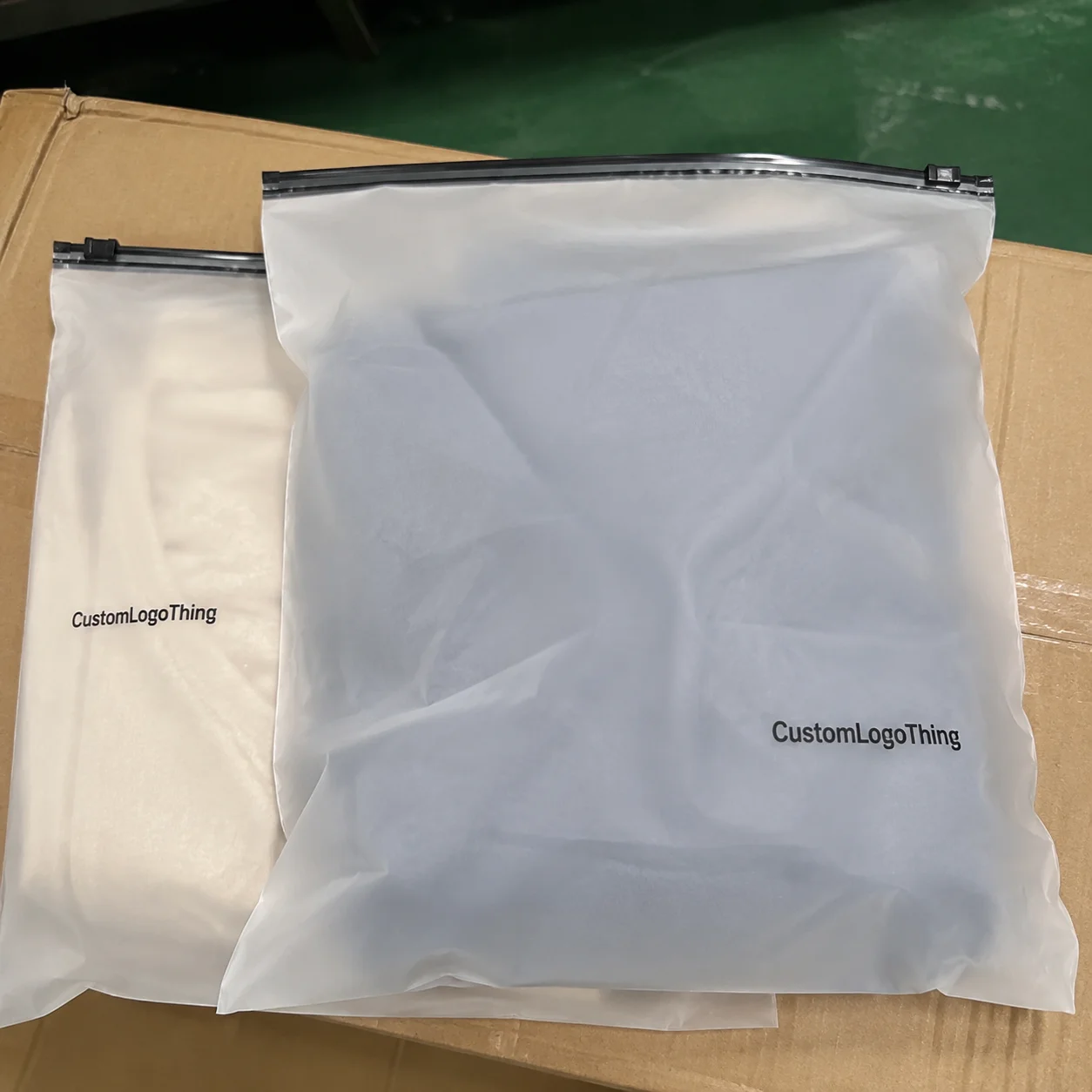
The easiest improvement in subscription apparel is often not the outer carton. It is the bag inside it. Custom Slider Lock Clothing Bags for subscription brands keep folds clean, protect garments from surface scuffs, and make the first touch feel deliberate instead of improvised.
That matters because subscribers judge the full packout: the fold, the clarity of the film, the insert, and whether the closure feels engineered or patched together. The inner bag is where the experience either looks controlled or starts to feel loose.
There is an operations reason too. Operators need a closure that behaves the same way on order 30 and order 300. A good slider-lock bag protects the garment while helping the line move without repeated hand pressure, adhesive strips, or inconsistent sealing.
Why subscription brands switch to slider-lock garment bags
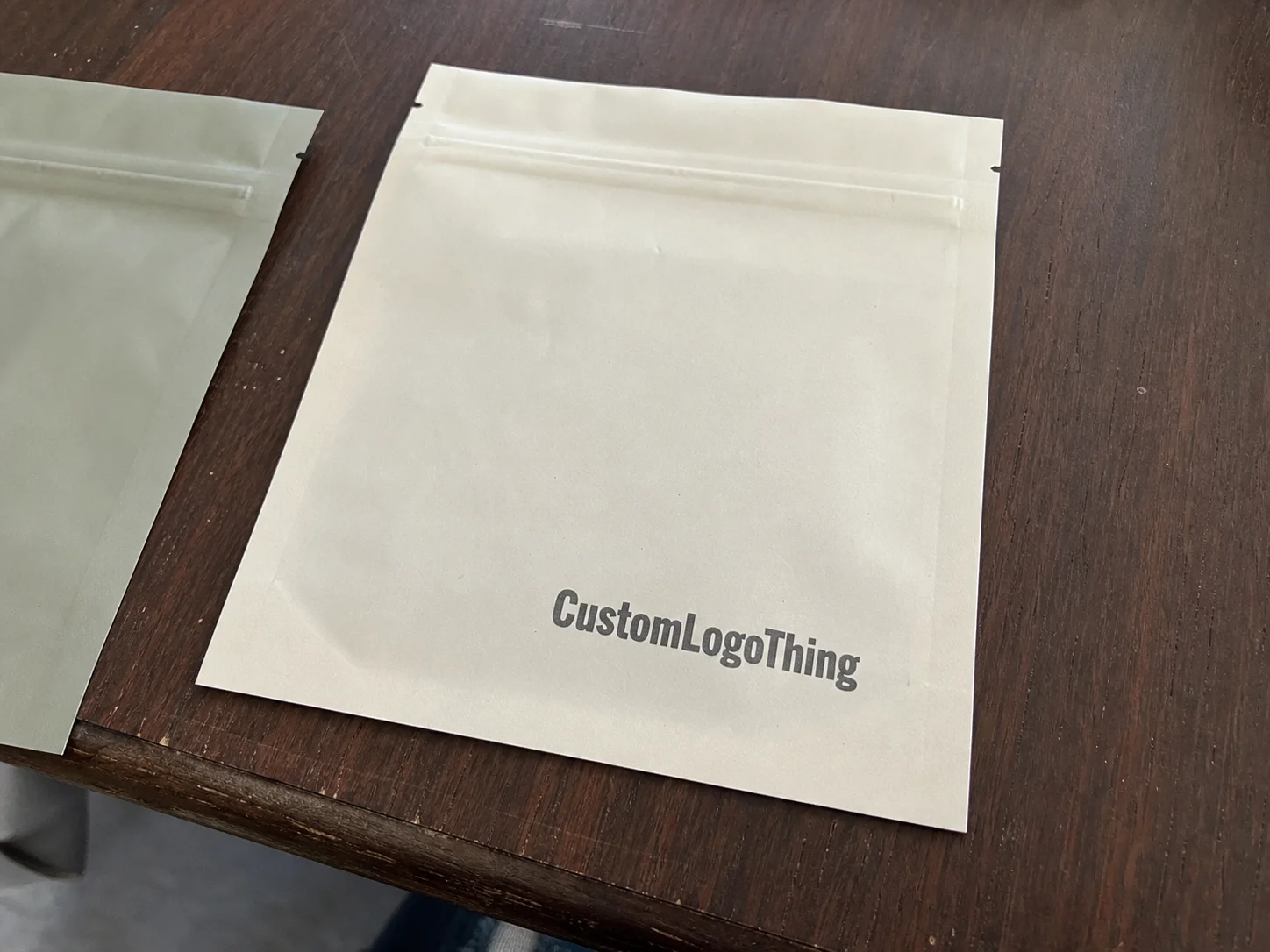
For apparel subscriptions, the bag has to protect the garment and present it cleanly. A basic resealable pouch may be fine for storage, but it can look light inside a premium shipment. A stronger slider-lock closure gives the packout a more finished feel without making fulfillment slower.
“If the packout looks sloppy, the customer assumes the rest of the program is sloppy too.”
A folded garment inside a bag that tracks straight, closes evenly, and lies flat feels more intentional than one stuffed into a bag with extra slack, wrinkled corners, or a closure that never quite lines up. Good packaging does not need to be loud. It needs to look cared for.
Subscription programs repeat the same packout month after month, so consistency matters more than novelty. When the closure is easy to use and the bag size is correct, variability drops between operators, shifts, and fulfillment cycles.
For brands that also use custom printed boxes or inserts, the garment bag becomes the bridge between logistics and presentation. It protects the piece while reinforcing the packaging system. The value is fewer damaged garments, less visual drift, and a cleaner opening moment for the customer.
How the slider-lock closure works in real packing
The mechanism is simple. The slider moves along the closure track, closes the opening, and locks it in place. That sounds minor until someone packs a few hundred units in a shift. Small friction adds up fast.
One-handed use matters more than it looks on a spec sheet. Operators can keep the garment aligned with one hand while closing the bag with the other. That reduces awkward repositioning and lowers the chance of creased fabric, skewed folds, or a seal that catches unevenly.
The fit is just as important as the closure. A slider-lock bag performs best when the folded garment bundle and the bag size are matched. Too much empty space makes the packout look loose. Too little stresses the seam and can create bulging, wrinkling, or poor closure performance. The slider cannot rescue a bad size choice.
What operators notice first
- The slider should move with steady resistance, not drag or skip.
- The seal line should close evenly across the full width.
- The bag should sit flat enough to stack or box without ballooning.
- The garment should not shift enough to expose the fold or labels.
If you are comparing slider-lock garment bags against standard resealable bags, the question is not only price. It is how much labor, damage risk, and presentation quality you are buying.
For transit validation, packaging teams often reference test methods from the International Safe Transit Association. If your program includes recycled paper components or mixed-material outer packs, the FSC standard may also matter for the fiber-based parts of the system.
Material, thickness, and size choices that change fit
Material choice affects stiffness, clarity, cost, and how the bag holds its shape in a box. LDPE is common because it is flexible, available, and workable across many apparel applications. Recycled blends are increasingly popular, but they still need testing. Some are slightly less clear, some feel softer, and some vary more from run to run.
Thickness is where many buyers under-spec. Lightweight folded tees and flat basics can often work in thinner film, while sweat sets, knitwear, and multi-item orders usually need more body. A bag that is too thin can feel cheap and wrinkle easily. A bag that is too thick can add cost and bulk without enough benefit.
Size should follow the fold, not the carton
The bag should be built around the folded garment dimensions, the insert, and the actual packout method. Do not size it from the outer shipper and hope for the best. That is how brands end up with a bag that swims in the box or one that gets forced shut and looks compressed.
A practical sizing check should include:
- Folded width, height, and thickness of the garment bundle.
- Any tissue, care card, or insert that sits inside the bag.
- Allowances for operator handling and seal clearance.
- Whether the bag needs to look crisp on camera or only survive transit.
Print and labeling also affect the usable design area. Logo placement, barcode windows, care instructions, and warning text all need a clean zone so the front still reads neatly after filling. If the artwork wraps too aggressively or crowds the closure area, the bag starts looking busy.
Brands that also buy Custom Packaging Products should keep the garment bag spec aligned with the rest of the system. A well-designed bag should support the box and insert, not compete with them. For reference on how different programs are handled, review the Case Studies page before finalizing a quote sheet.
Cost, MOQ, and unit pricing
Unit price is the headline number, but it is never the whole number. Film type, bag dimensions, thickness, print colors, slider color, and packing format all affect cost. A small structure change can move the quote more than buyers expect, especially when the bag is custom sized and printed.
MOQ is where reality shows up. Custom slider systems usually get expensive at tiny volumes because setup, proofing, and component sourcing do not shrink proportionally. If you are ordering for a small subscription run, compare the MOQ against monthly volume and reorder cadence. A lower MOQ with a higher unit price can still be cheaper than carrying dead stock, depending on subscriber predictability and storage space.
| Option | Typical use | Typical unit cost at 5,000 pcs | Tradeoff |
|---|---|---|---|
| Clear LDPE, 2.5 mil, one-color print | Light tees, slim apparel, simple subscription drops | $0.22-$0.34 | Good clarity and lower cost, but less body than heavier film |
| Recycled blend, 3 mil, one- or two-color print | Brand-led programs that want a greener material story | $0.28-$0.42 | Better sustainability positioning, with possible variation in feel and clarity |
| Opaque or heavyweight film, 4 mil, multi-color print | Sweat sets, multi-item packs, premium retail packaging | $0.40-$0.68 | Stronger hand feel and more privacy, but higher freight and material cost |
Compare quotes on the full landed picture: setup charges, sample cost, overs and unders policy, freight, and whether bags ship flat or pre-packed. A low unit price can mislead if freight is awkward or the sample process drags on.
One buying rule holds up well: pay more for a stronger bag when damage or returns are expensive; save money by standardizing sizes, reducing print complexity, and cutting redundant SKUs. The cleaner the standard, the lower the hidden cost.
If you need a performance benchmark for shipping stress and handling, ISTA methods are a useful reference point. They will not select the bag for you, but they keep the discussion grounded in transit conditions.
Production process, timeline, and lead time
A clean production run starts with a clear spec intake: dimensions, film, print, slider choice, proofing needs, sample approval, production, QC, and freight. If any one of those is vague, the timeline stretches. Delays often begin before the factory run, when the brief is incomplete or artwork is not production-ready.
Artwork revisions and color matching are common slow points. So is custom tooling if the closure or format is not standard. Back-and-forth on fold method, window placement, or logo size can add days that nobody budgeted for. It is avoidable when one person owns the spec sheet.
Planning buffer is not optional
Subscription launches and replenishment cycles should not rely on just-in-time bag arrival. Build buffer time into the purchase order and inventory plan. If the bags are critical to packout speed, they deserve the same planning attention as any other packaging component.
Lead time also depends on source location. Domestic runs can be faster on smaller volumes, especially when the artwork is simple and the film spec is standard. Offshore sourcing can improve unit economics for larger custom orders, but it usually requires a longer runway. The right answer depends on volume, freight, and reorder frequency.
The most reliable move is to request a sample early, test it against the real garment, and approve only after a real packout trial. Spec sheets matter. Actual packed product matters more.
Common mistakes that cause rework or returns
The most common mistake is sizing the bag to the outer carton instead of the folded garment. Too roomy, and the garment slides around. Too tight, and the seam has to fight to close. Either way, the customer sees the problem before they see the product properly.
Weak film and weak closures are another failure point. If the bag feels flimsy in hand, customers notice. Operators notice even faster when bags split during packing or open inside the shipper. A low-cost bag that creates rework is not really low cost.
Packout blindness is a classic issue. Brands approve a spec without doing a trial with the actual garment, insert, and folding method. Then launch arrives and the closure sits crooked or the folded shirt behaves differently than the sample did. That is a process miss, not a supplier mystery.
Transit and handling matter too. Humidity, compression, and repeated movement can make a weak bag look worse by the time it lands with the customer. A packout that looks fine on the bench may still fail after vibration testing or a rough delivery chain.
Do not ignore the rest of the packaging system. If the outer mailer or box is too small, the bag gets compressed. If inserts are too bulky, the fold gets distorted. Product packaging works as a system, and each part affects the others.
Expert tips for cleaner unboxing and fewer damages
Standardize the fold Before You Order anything. The bag should be designed around the packing process. If every operator folds the garment differently, inconsistency is built into the program. Fix the fold, then size the bag.
Use print placement to guide the eye. A centered logo, a clear front panel, and one simple message usually outperform a crowded layout. Too much print can hide the garment inside and make the bag look busy. Simpler layouts also photograph better for unboxing content.
Test the bag under real abuse, not ideal conditions. Run it through vibration, stacking pressure, and a repack scenario where someone opens and re-closes it. If the slider sticks or the film wrinkles badly, change the spec before the order ships.
Think about reuse
If the customer will reuse the bag, the bar goes up. The slider should open smoothly on the second and third use. The film should feel sturdy enough to survive handling after arrival. The print should still look good when the bag moves from shipping task to storage task.
Reusable bags do not need luxury theater. They need a closure that behaves properly and a film that feels appropriate for the garment. That is often a better use of branding dollars than adding decoration customers will not remember.
Document the final approved standard in one place: folded garment size, film gauge, slider color, artwork files, and acceptable tolerance. Small discipline here saves money later because rework is expensive and confusion compounds across reorders.
Next steps before you request a quote
Before you ask for pricing, build a one-page spec sheet. Include garment dimensions, fold style, monthly volume, target unit cost, print colors, slider color, and shipping destination. That one page will get you a more accurate response than a vague “we need bags” email.
Then ask for a sample or prototype. A real packout test beats assumptions, especially when garments vary in bulk or your insert stack changes by collection. If you can test with the actual product, do it. If not, send the closest substitute and be clear about the difference.
When you compare vendors, look at landed cost: bag price, freight, sample charges, lead time, and reprint risk. That is where the real decision lives. A cheap quote that misses the fold, film, or closure spec is not a savings.
- Use the same fold standard across SKUs whenever possible.
- Keep artwork simple enough to stay legible after filling.
- Match bag thickness to garment weight, not just target cost.
- Ask for a sample before committing to a large subscription run.
If you need help mapping the rest of the system, browse Custom Packaging Products and review a few Case Studies to see how different apparel programs are built. The goal is to specify custom Slider Lock Clothing Bags for subscription brands with enough detail that the quote actually means something.
Are slider lock clothing bags better than standard resealable bags for subscription apparel?
Usually yes when the goal is a cleaner premium presentation and a smoother open-and-close experience. Standard resealable bags can be cheaper, but slider-lock bags are easier to use on a packing line and tend to feel more substantial in hand.
What material thickness works best for custom slider lock clothing bags?
Light folded tees and slim apparel often work in thinner film, while heavier bundles, sweaters, or multi-item packs need more thickness. The right answer depends on garment compression, handling, and whether you want a crisp or softer feel.
What MOQ should I expect for custom slider lock clothing bags?
MOQ depends on size, print complexity, and whether the slider color or film spec is standard or custom. Smaller runs are possible, but unit price usually rises quickly, so compare MOQ against reorder cadence and monthly volume.
How long does production and delivery usually take?
Lead time includes proofing, sample approval, production, and freight, so the total timeline is longer than the factory run alone. Custom art changes, color matching, and peak demand can add time, so build a buffer before launch or restock deadlines.
What do I need to send for an accurate quote on these bags?
Send garment dimensions, fold style, quantity, print colors, slider color, and destination zip or port. Include target unit cost and packaging constraints so the quote reflects a real production setup instead of a generic estimate.