Slider Lock Clothing bags unit cost for apparel is not a single number so much as the result of a packaging system. A bag that looks expensive on paper can be cheaper in practice if it reduces tape, speeds folding, protects the garment through repeated handling, or cuts repacks on the back end. That is why buyers who focus only on piece price often miss the real cost driver: labor across the full workflow.
For apparel, the packaging decision usually sits at the intersection of presentation, protection, and throughput. The best slider lock bag is rarely the thickest or the cheapest. It is the one that fits the garment cleanly, opens and closes without frustration, and holds up through fulfillment, retail inspection, or customer returns without creating extra work.
Why Slider Lock Clothing Bags Can Lower Apparel Handling Waste
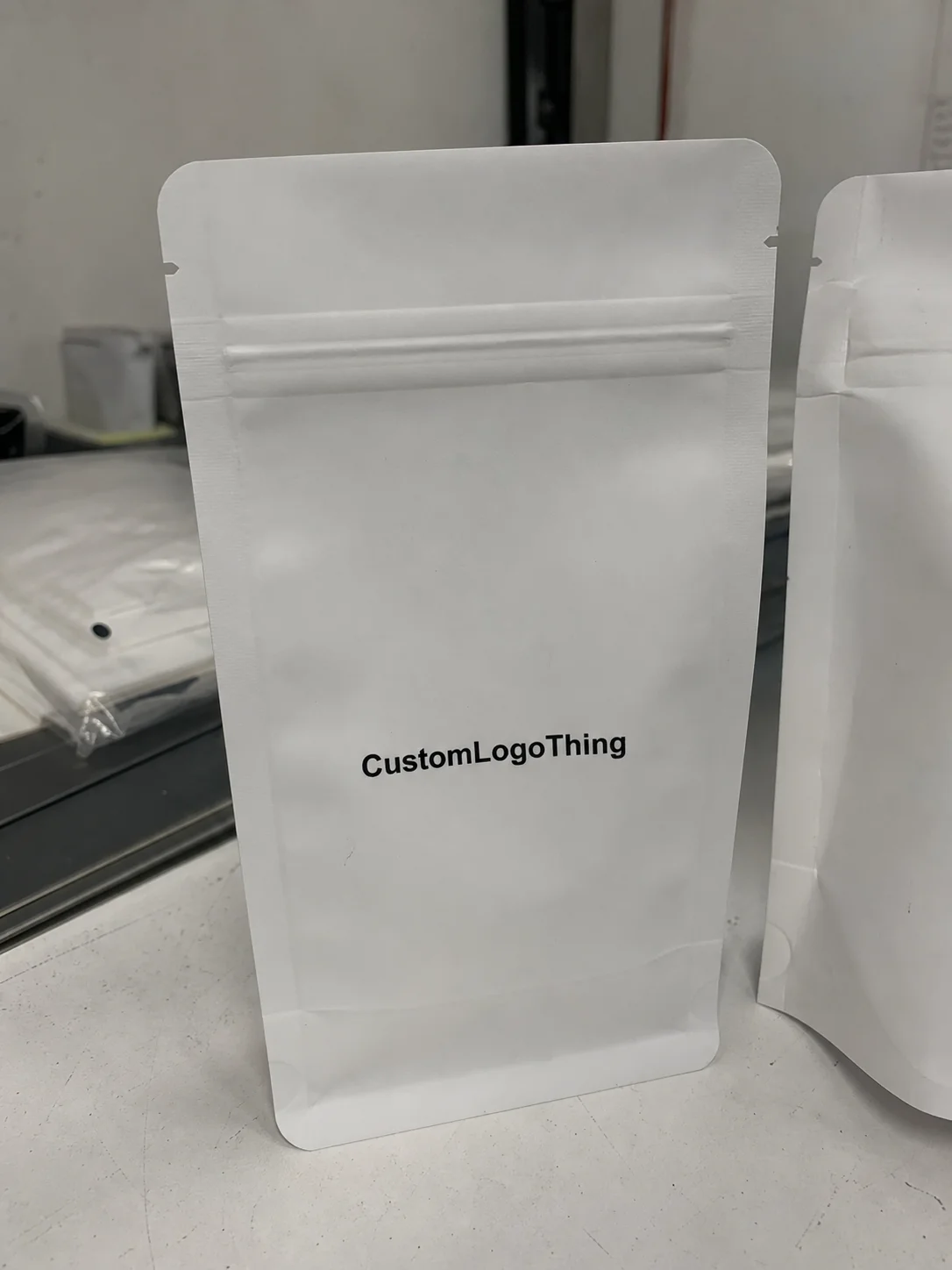
Apparel teams tend to start with appearance, which makes sense. Clear film shows the product. Printed film supports branding. A neat closure makes the pack look finished. But the bigger value often appears after the first few hundred units move through a line. If a pack takes less time to open, sort, inspect, and reseal, the labor savings can outweigh a small difference in material price.
That matters most in programs with many SKUs and frequent handling. Folded shirts, hosiery, intimate apparel, babywear, and bundled sets are all good candidates because they are repeatedly touched before reaching the customer. A slider closure gives the pack a cleaner reopen-and-reseal cycle than a simple tape-seal or a basic press-to-close bag, especially when the package is opened more than once during inspection, tagging, or returns processing.
The waste reduction is practical, not abstract. Less tape means fewer consumables. Less rework means fewer damaged folds. More consistent sizing means fewer mispacks. Those small gains do not show up in a resin quote, but they change the economics of the line. In a large apparel program, ten seconds saved per unit becomes a meaningful budget difference.
For apparel buyers, the real question is often not whether the bag is a few cents cheaper. It is whether the bag saves enough labor and rework to justify its total landed cost.
That is also why the format stays popular across both retail and fulfillment environments. Retail wants a presentable pack. Distribution wants speed and consistency. Returns processing wants a closure that still functions after the first opening. The slider format sits in the middle of those requirements without forcing the team to choose only one.
One useful way to evaluate the bag is to compare cost per finished pack, not material cost alone. If a lower-cost bag slows the line, causes seal failures, or leads to repacking after quality inspection, the supposed savings disappear quickly. A packaging spec that protects labor is usually the better business decision.
Product Build: Slider Closure, Film, and Apparel Fit
On paper, the structure is simple: polyethylene film, an integrated slider track, and a closure that opens and reseals cleanly. In production, the details matter. Film clarity, gauge consistency, seal strength, and the way the closure tracks under repeated use all affect whether the pack feels dependable or flimsy.
Clear film is common when the buyer wants visibility for branding, size verification, or merchandising. Frosted film is often chosen when the brand wants a softer look or when the garment should not be seen with perfect transparency. Printed film can carry a logo, care message, barcode area, or sizing information, but print coverage changes the setup and usually pushes unit cost upward. The same is true for extra features such as a euro slot, hang hole, or tear notch.
Fit is where many specs fall apart. A folded tee, a thick hoodie, and a multipack of socks do not behave the same way inside the same bag width. The bag needs enough depth for the garment thickness, enough slack for the slider to move cleanly, and enough edge strength so the closure does not pull the seal out of alignment after handling. If the fit is too tight, the pack becomes hard to fill. If it is too loose, the garment shifts and the presentation suffers.
Static, slip, and stiffness are worth discussing early. A film that slips too much can be awkward in carton packing. A film that clings too strongly can slow a line when bags stack together. A film that is too soft can crease badly, while one that is too stiff may not fold neatly around the garment. These are small effects individually, but they become expensive when multiplied across an order.
For buyers with sustainability requirements, the conversation should include recycled-content film options and any limits on the claims the pack can support. If the program uses outer cartons or inserts that need paper sourcing, it helps to confirm whether paper components can be supplied with FSC-certified materials through FSC. That does not solve every packaging question, but it keeps the material story more consistent.
Sample testing is still the best way to confirm the build. A bag can look correct in a flat spec sheet and still feel wrong in hand. The closure might drag. The film might haze more than expected. The garment might sit too tightly once folded. Those are normal reasons to request a physical sample before approving production.
Size, Gauge, Print, and Compliance Specifications to Request
If the goal is a quote that can be compared without guesswork, the brief has to be specific. A vague request for an apparel bag usually produces vague pricing. A complete spec gives the supplier enough information to price the job accurately and helps the buyer avoid later surprises.
The minimum spec set should include exact bag dimensions, film gauge, color, closure style, print requirements, carton pack count, and any retail features. If the garment is sensitive to fit, include tolerance notes. If the pack needs to work in a retail environment, note the hanging method. If it will be handled in a warehouse, specify whether size labels must remain visible through the film.
- Bag dimensions, measured flat and tied to the folded garment size.
- Film gauge, often in the 2.5 mil to 4 mil range for apparel, depending on handling conditions.
- Material color, clear, frosted, tinted, or recycled-content blend.
- Closure type, including slider color if it remains visible in the finished pack.
- Print details, logo, size mark, barcode area, warning text, or full-panel artwork.
- Retail features, hang hole, euro slot, tear notch, or hanging reinforcement.
- Compliance notes, suffocation warning placement, labeling rules, and market-specific copy.
Gauge is one of the most misunderstood variables. Thinner film reduces material cost and can cut freight weight, but it also lowers puncture resistance and may feel too light for premium apparel. Thicker film adds durability and can improve the perceived quality of the pack, but it may change folding behavior and take up more carton space. That means a lower unit price is not always the better landed result.
Print variables can move pricing faster than many buyers expect. A single-color logo with modest coverage is not the same as a full-panel print with warning text, sizing information, and a barcode zone. If the artwork changes after proofing, setup charges or plate changes may apply. The same caution applies to custom slider colors or branded closure parts, which are usually unnecessary unless the packaging needs a highly specific visual finish.
Some buyers ask suppliers to reference test methods such as ASTM D882 for tensile strength or ASTM D1709 for impact resistance when the application is more demanding. That is useful as a conversation tool, but it does not replace actual sample approval. If the bags will travel inside cartons or mixed kits, transit testing such as ISTA-based protocols can also help validate the full pack. The point is simple: the more precise the brief, the more useful the quote.
Slider Lock Clothing Bags Unit Cost, MOQ, and Quote Drivers
Slider Lock Clothing Bags unit cost for apparel is shaped by a short list of variables, and most of them can be controlled by the buyer. Size, gauge, print complexity, resin market movement, and order quantity usually matter more than anything else. Change all of them at once and the quote becomes difficult to interpret.
MOQ is one of the first cost levers to understand. Lower minimums usually come with a higher unit price because setup, print preparation, and machine changeover are spread across fewer bags. That is not a penalty. It is how production math works. The mistake is comparing a small trial quote with a much larger production quote as if they were the same job.
| Option | Typical unit cost | Common MOQ | Lead time after proof | Best use |
|---|---|---|---|---|
| Stock-style clear, unprinted | $0.08 to $0.14 | 1,000 to 3,000 | 7 to 10 business days | Internal sorting, basic apparel protection, fast replenishment |
| Custom printed clear, standard gauge | $0.15 to $0.28 | 5,000 to 10,000 | 12 to 18 business days | Retail presentation, branded DTC packs, repeat programs |
| Frosted or recycled-content with print | $0.22 to $0.40 | 8,000 to 15,000 | 15 to 25 business days | Premium branding, privacy, sustainability-led assortments |
Those numbers are working ranges, not promises. Freight, carton count, resin costs, and the way the supplier handles setup can move the final landed price. One factory may bundle print prep into the unit cost while another lists it separately. If the quote is not itemized, the lowest number on paper can become the highest invoice later.
A few choices make pricing easier to control without sacrificing function. Standardize bag sizes across more SKUs where possible. Keep print coverage lean. Use the lightest gauge that still protects the garment in actual handling. Avoid custom colors unless they support a merchandising requirement. Those moves do not just reduce material cost. They also help future orders move through production with fewer variables.
For apparel buyers, the biggest price jumps usually come from custom dimensions, then print complexity, then lower volume. Once those three are stable, the quote becomes much more predictable. That is why a serious price request should look more like a spec sheet than a sales inquiry.
There is also a practical labor view. A bag that costs a little more but saves packing minutes or reduces returns processing can be the lower-cost option overall. That is the real reason unit cost should never be measured in isolation from the workflow it supports.
Production Steps and Lead Time From Spec Approval to Shipment
The production sequence is straightforward, which helps with planning. It usually starts with spec confirmation, then artwork approval, material sourcing, film conversion, printing, bag making, inspection, and final packing. The timeline depends on how quickly each of those steps is approved, but most delays happen before production starts.
Artwork corrections are the most common cause of slippage. Missing dielines, unconfirmed Pantone targets, late copy changes, and dimension revisions can all restart parts of the process. A sample that fits differently than expected can also lead to a second approval cycle. None of these are unusual. They are simply the normal risks of custom packaging.
Stock-style programs move faster because the material and closure are already established. Fully custom jobs need more lead time, especially if the print has multiple colors, the film is a specialty blend, or the bag includes a retail feature like a hanger hole. If a pre-production sample is required, build that step into the schedule rather than treating it as an extra.
A practical project flow looks like this:
- Day 1 to 2: confirm dimensions, gauge, print area, and carton count.
- Day 2 to 4: review artwork and proof files.
- Day 4 to 6: approve sample or digital proof.
- Day 7 onward: production, inspection, and packing.
For transit validation, many packaging teams look to the International Safe Transit Association because the bag has to survive the full route to market, not just a desk check. If the slider lock bag is going into an e-commerce carton, a wholesale case, or a mixed apparel kit, it should be evaluated under the same kind of handling it will face in real use.
The cleanest way to protect lead time is to freeze the specification before release. Every late change costs time. Some changes also cost money. In custom packaging, stability is usually the fastest route to a reliable shipment.
How to Match the Right Bag to Retail, E-Commerce, or Warehouse Use
The same bag format can serve three different channels, but the design priorities shift. Retail wants presentation. E-commerce wants resealability and return handling. Warehouse operations want speed, stackability, and easy identification. If those requirements are blurred together, the result is usually a compromise that satisfies none of them well.
For retail, clarity and finish matter most. The garment needs to look clean, the brand mark needs to sit where it will not block the product, and the bag should feel deliberate rather than improvised. Clear film with controlled print coverage usually works best here. For e-commerce, customers are likely to reopen the package, so the slider must hold up to repeated use. A slightly thicker gauge is often worth the added cost. For warehouse use, the bag should load quickly, stack consistently, and keep the size or SKU readable at a glance.
One useful question is whether the pack is meant for one-time presentation or repeated access. If it will be opened only once, you may not need the heaviest film. If it will be inspected, resealed, and handled again, under-specifying the closure can be a false economy. I see this error often: the buyer saves a cent or two on material and then pays for it later in repacks or presentation defects.
Layout also matters at the pallet level. Bags that fold consistently can improve carton efficiency and reduce handling friction. Bags that carry too much static, or slip too much inside master cases, can slow the operation. Those are not dramatic issues by themselves, but they become expensive when repeated across a season or a broad apparel line.
The best packaging choice is the one that fits the workflow. Not the most premium-looking bag. Not the heaviest bag. The right bag is the one that moves the garment through retail, fulfillment, and returns with the least resistance.
Buying Next Steps: What to Send for a Faster, Better Quote
Buyers get stronger quotes when the brief is complete. The minimum package should include the bag size, garment type, order quantity, print artwork, required delivery date, and any retail or warehouse constraints. If you have a sample bag or a reference photo, include it. That one addition removes a lot of ambiguity around fit, finish, and closure feel.
It helps to request two quote levels in the same round. First, ask for the lowest acceptable spec so you can see the floor. Then ask for a higher-spec option with thicker film, more print coverage, or a better finish. That side-by-side view makes internal approval easier because the cost difference is visible rather than assumed.
Before you approve a quote, confirm these points:
- Dimensions are tied to the actual garment, not a generic bag size.
- MOQ is stated by spec, not as a blanket number.
- Setup charges and tooling fees are separated from unit price.
- Lead time is measured from proof approval, not from the first inquiry.
- Freight terms and carton pack are included in the comparison.
If the program is seasonal, freeze the timeline before the assortment is finalized. If the line is broad, standardize the bag where possible so the next buy benefits from better volume pricing. That is the practical route to better cost per piece without giving up the closure style that makes the package work.
The smartest buyers do not chase the lowest sticker and stop there. They build the quote around fit, production reality, and labor impact, then use that framework to manage Slider Lock Clothing Bags unit cost for apparel with less guesswork and fewer surprises.
What affects slider lock clothing bags unit cost the most for apparel orders?
Bag size, film gauge, print coverage, and order quantity usually have the biggest impact on unit cost. Artwork changes and custom dimensions can add setup charges or increase MOQ, while freight and resin movement can change the landed price. If you want a reliable comparison, ask each supplier to quote the same spec and separate the bag price from the extras.
What MOQ should apparel buyers expect for custom slider lock bags?
MOQ depends on the size, the print build, and whether the bag is stock-based or fully custom. Simple unprinted bags usually allow lower MOQ than custom printed apparel bags. Ask for MOQ by spec, not as a generic number, because different gauges and widths can have different thresholds. That keeps the quote honest and makes cost per piece easier to evaluate.
How do I compare quotes for slider lock clothing bags fairly?
Compare the same bag size, gauge, closure type, print count, and shipment terms on every quote. Separate unit price from setup charges, tooling fees, freight, and carton packing so low quotes do not hide extra costs. A written spec sheet should travel with each quote. Without it, you are comparing assumptions, not prices.
What lead time is typical after artwork approval?
Lead time depends on whether the bag is stock, custom printed, or made with special film or dimensions. Many custom apparel programs land in the 12 to 18 business day range after proof approval, while stock-style jobs can move faster. Artwork approval, sample sign-off, and production queue position all affect timing, so get the timeline in writing before you release the order.
Which apparel categories benefit most from slider lock bags?
Folded shirts, intimate apparel, babywear, hosiery, and bundled promotional sets are common fits. The closure helps with repeat access, sorting, and return handling in both retail and fulfillment settings. If the pack needs to be reopened often, the slider format usually outperforms basic seal bags. That is why many buyers treat Slider Lock Clothing Bags unit cost for apparel as a workflow decision, not just a packaging line item.


