Folded apparel can look sharp in a product photo and still arrive scuffed, creased, or half-open after two warehouse touches and one rough carrier sort. A printed Slider Lock Clothing Bags quote for ecommerce should solve that practical problem first, then price the logo, film, closure, and shipping details around it.
That distinction matters because apparel packaging is doing several jobs at once. It protects inventory during picking, keeps size labels visible, supports returns, and gives the buyer a retail-ready presentation even when the order ships in a plain corrugated mailer. Slider lock bags sit in a useful middle ground: more controlled than basic open-ended poly bags, more reusable than many adhesive flap bags, and often faster to pack than standard press-to-close zippers.
For ecommerce teams, the bag is rarely just a bag. It is part of the fulfillment process, the merchandising system, and the customer experience. If the pack format is wrong, the cost shows up later as repacking labor, damaged print, slower lines, or a product that looks less premium than it should.
What a printed slider lock clothing bags quote covers
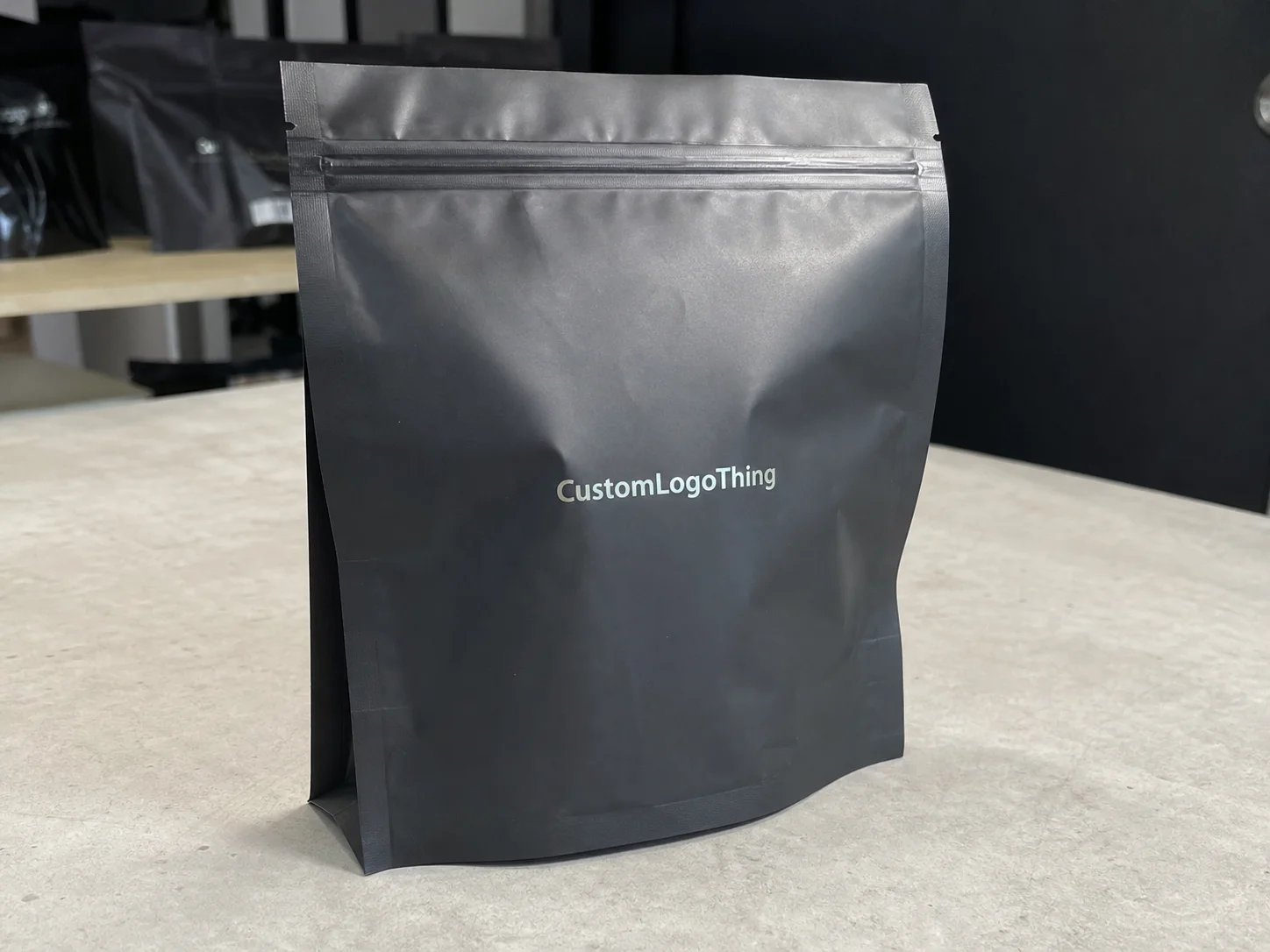
A useful quote starts with the failure points. Apparel teams usually notice packaging problems after the cost has already appeared somewhere else: higher return rates, rubbed print, missing hangtags, or customer photos showing a wrinkled garment that looked clean online. One weak bag rarely looks expensive by itself. Across 5,000 or 50,000 orders, it becomes visible fast.
Slider Lock Clothing bags reduce some of that risk because the closure is visible, tactile, and easy to reopen without tearing the film. Warehouse staff can close the bag quickly. Customers can reseal the garment after inspection. Returns teams can identify the item without fighting cloudy or stretched plastic. That is a quiet operational advantage, and it is one reason buyers ask for a printed Slider Lock Clothing Bags quote for ecommerce instead of defaulting to the cheapest poly option.
The quote should cover more than a unit price. It should define film type, gauge, flat size, usable fill space, slider color, print coverage, carton pack count, and delivery assumptions. If those inputs are vague, the price is usually vague too. A buyer should expect the supplier to ask for folded garment dimensions, artwork files, quantity breaks, and any retail or compliance copy required on the bag.
Buyer rule: if two quotes do not list film gauge, bag size, print colors, closure type, and freight terms, they are not comparable. They are estimates wearing the same label.
Commercially, the upside is simple: fewer packaging failures, cleaner fulfillment, and a more consistent unboxing experience. Not every brand needs slider locks. A low-cost giveaway tee may not justify the extra closure cost. But for activewear, fashion basics, subscription apparel, children’s clothing, and garments likely to be returned or exchanged, the resealable function often earns its place.
One more point matters here. A quote only becomes useful if it reflects the way the bag will be handled in real operations. If the fulfillment team packs at speed, if the garment includes inserts, or if the bag must pass through a retail receiving process, those details need to be in the request from the start. Otherwise the first price may be low for the wrong reason.
Bag construction, closure style, and print options
Most custom slider lock apparel bags use LDPE, LLDPE blends, or PP, depending on the desired clarity, hand feel, and durability. LDPE is flexible and forgiving, which helps with thicker knits and irregular folds. PP usually gives better clarity and a crisper feel, although it can be less forgiving if the garment is bulky or the bag is overfilled. Typical apparel film thickness ranges from about 2 mil to 4 mil, with many ecommerce clothing bags landing near 2.5 mil or 3 mil for a balance of protection and cost.
The slider matters more than casual buyers expect. Cheap slider tracks can snag, pop off, or leave small gaps at the ends. Better sliders add a few cents, but they help packers close bags faster and reduce the awkward customer experience of a bag that appears closed but is not. For fulfillment teams handling hundreds of units per shift, that difference shows up quickly.
Print options usually fall into a few buckets: one-color logos, multi-color brand marks, suffocation warnings, size indicators, QR codes, care instructions, or return messaging. One-color printing is often the cleanest starting point. It controls plate cost, reduces registration risk, and keeps the bag useful across multiple SKUs. Multi-color printing can work well, especially for stronger retail presentation, but buyers should ask about registration tolerance on flexible film. A 1 mm shift may not matter on a warning line. It can matter on a small logo or a thin wordmark.
These bags fit tees, leggings, socks, intimates, accessories, light outerwear, and folded children’s garments especially well. Heavy hoodies and structured jackets can work too, but the size and gauge need more attention. Overstuffing a slider bag is false economy. The closure strains, the sides distort, and the logo often lands in the worst possible place: stretched across a fold.
Venting is another detail that looks minor until packing starts. Small air-release holes can help the bag lay flatter and reduce puffing during carton consolidation. They should be placed so the garment is not exposed or prone to contamination. If the bag will be handled in humid or static-prone environments, ask whether anti-static treatment or a different film blend is justified. Those additions are not necessary for every apparel line, but they are cheaper to specify before tooling than after a first production run.
For reference, the International Safe Transit Association publishes testing programs used across transport packaging. Their resources at ISTA are useful when packaging decisions need to survive parcel distribution rather than just look tidy on a packing bench.
Size, gauge, and specification details buyers should lock in
Pricing gets sharper once the bag specification is locked. The minimum inputs are flat width, usable length, lip or header dimensions if present, gusset depth if any, film thickness, slider color, print position, print colors, and quantity. Add carton pack count and freight destination if landed cost matters. It usually does.
Size should be based on the folded garment, not the garment size chart. A women’s small tee and a men’s small hoodie may both be “small,” yet their packed dimensions are unrelated. Measure the folded item at its thickest point. Then add room for the slider track, insert cards, tissue, hangtags, barcode labels, or hanger hooks if those stay with the product. For many tees, a common flat size may sit around 10 x 13 inches or 11 x 14 inches. Leggings may need longer bags. Socks and intimates often use smaller formats, sometimes near 6 x 9 inches or 8 x 10 inches, depending on bundle count and presentation.
Tolerance is not a footnote. Flexible packaging often carries dimensional tolerances, and a small change can alter material consumption. Adding 0.5 inch to width across 20,000 bags increases film usage more than many buyers expect. The same is true for gauge. Moving from 2.5 mil to 3.5 mil can materially raise resin weight, freight weight, and carton volume. That is why a quote based on “around this size” usually comes back with a price range rather than a firm number.
- Flat width: outside edge to outside edge before filling, often the largest cost driver after gauge.
- Usable length: space below the slider or header that can actually hold the garment.
- Gauge: film thickness, commonly specified in mils in the US market.
- Closure color: clear, white, black, or brand-color sliders may carry different minimums.
- Venting: small holes can help air escape during packing, but placement must avoid product exposure.
Compliance details deserve early attention. If the bag opening exceeds certain dimensions, suffocation warning language may be required by retailer policy or local regulation. Recycled content claims need documentation, not wishful wording. Anti-static needs may appear for synthetic garments or fulfillment environments with high friction. Hang holes, peg holes, and tear notches also change tooling and should be specified before the quote is issued.
For fiber-based components used with the bag, such as inserts or paper bands, buyers may also ask about responsible sourcing. The Forest Stewardship Council explains chain-of-custody certification at FSC, which can be relevant if apparel packaging combines plastic bags with branded paper elements.
One practical caution: bag dimensions should be checked against how the garment is actually folded by the pack line, not just how it looks in a sample room. Many sizing problems are not design failures. They are folding mismatches. A bag that seems generous in a spec sheet can become tight once a carton insert, hangtag, and a little trapped air are included.
Cost, pricing, and MOQ factors that shape your quote
A printed Slider Lock Clothing Bags quote for ecommerce is shaped by six main factors: size, film thickness, print colors, slider hardware, order volume, and packing configuration. Freight can become the seventh factor, especially with heavier gauges or bulky carton counts.
As a practical range, a simple one-color printed slider bag for apparel might price around $0.18 to $0.28 per unit at 5,000 pieces, depending on size, film, and closure quality. Larger bags, thicker films, custom slider colors, or multi-color graphics can push that higher. At 25,000 pieces, the unit price often improves because setup, plate, and machine time are spread across more bags. Not always. Resin pricing, labor, and freight can offset volume gains during volatile periods.
MOQ depends heavily on customization. A standard-size bag with one-color print may be feasible at lower quantities, sometimes around 2,500 to 5,000 pieces. Fully custom dimensions, special film, color-matched sliders, or complex print may push minimums to 10,000 pieces or more. Buyers planning a product launch should be careful here. Ordering too few can make the unit cost unattractive; ordering too many can trap cash in packaging that may not fit the next production run.
| Option | Typical MOQ | Estimated Unit Range | Best Fit |
|---|---|---|---|
| Standard size, one-color print | 2,500-5,000 bags | $0.18-$0.28 | Test runs, basics, subscription apparel |
| Standard size, two- to three-color print | 5,000-10,000 bags | $0.24-$0.38 | Retail-ready ecommerce presentation |
| Custom size with branded slider | 10,000+ bags | $0.32-$0.55+ | Higher-volume brands with stable folded specs |
| Recycled-content film with documentation | Varies by resin supply | Often 10%-30% higher | Brands with sustainability reporting needs |
Stock sizing can be a smart first move. If the bag is close enough to the folded garment, the brand gets faster pricing, lower tooling exposure, and easier reordering. Fully custom dimensions make sense when the current bag wastes material, distorts the product, fails retailer requirements, or ships at enough volume to justify the engineering work.
Freight is the quiet cost. A quote that looks cheaper ex-works can become more expensive after duty, cartons, palletization, and delivery to a fulfillment center. Ask for carton dimensions, gross weight, and pack count per carton. On a 20,000-bag order, even a small difference in cartons can affect storage fees and inbound receiving labor. It also changes how quickly a warehouse can put the product away.
There is another hidden cost in packaging that rarely appears on the first line of a quote: rework. If the wrong size or print placement forces the team to relabel, rebag, or hand-correct orders, the packaging savings disappear. The cheapest quote is not the one with the lowest unit price. It is the one that matches production, fulfillment, and the customer’s expectations without extra handling.
Production steps, proofing, and lead time expectations
The production path is usually straightforward, but each step has a gate. Inquiry. Spec review. Artwork check. Digital proof. Prepress approval. Production. Inspection. Dispatch. Shipping. A typical printed apparel bag may take 12-15 business days from proof approval for simpler domestic or stocked-material jobs, while more customized imports can run several weeks longer once tooling, ocean freight, or special resin sourcing enters the picture.
Sampling and bulk production are different clocks. A digital proof can be produced quickly, sometimes within 1-3 business days after artwork is received. A physical pre-production sample may take longer because film, printing, slider assembly, and finishing have to line up. Bulk production should not be scheduled from the inquiry date. It should be scheduled from proof approval, deposit, material availability, and final specification lock.
What slows jobs down? Incomplete artwork files. Low-resolution logos. Unclear Pantone targets. Size changes after approval. Missing suffocation warnings. Late changes to barcode placement. A supplier can move quickly only after the decision trail is clean.
A sensible timeline question is not “How fast can you make it?” Better questions are more precise:
- What starts after deposit?
- What starts after digital proof approval?
- Do plates or setup charges apply before sampling?
- When is freight booked?
- What inspection standard is used before dispatch?
Inspection should include print position, closure performance, seal integrity, film clarity, bag count, and carton labeling. For apparel fulfillment, carton labels matter more than many people think. If the warehouse receives six sizes and three bag formats with unclear carton marks, receiving time stretches and pick errors become more likely.
Lead time also changes with material selection. Standard clear film moves faster than custom-colored or recycled-content film that has to be sourced around a narrow spec. If the launch date is fixed, the packaging decision should be made early enough for proofing, corrections, and freight booking. Rushed packaging often costs more and solves less.
For buyers who are still defining the pack spec, the cleanest path is to gather the garment dimensions, folded sample photo, artwork, and target quantity before the quote is requested. That reduces back-and-forth and prevents the first sample from being built around assumptions instead of measurements.
How to compare suppliers without hidden packaging costs
Supplier comparison should be boring in the best way: same size, same gauge, same film, same print colors, same closure, same pack count, same freight basis. Then the numbers mean something.
Start with the physical sample. Pull the slider open and closed at least 20 times. Check whether the track catches near the ends. Rub the printed area with a dry cloth and then with light pressure from a fingertip. Fold the bag around a garment and see whether the print lands where the customer will see it. A bag can look fine flat and awkward once filled.
Then review the quote gaps. Artwork setup fees, plate charges, color matching premiums, rush fees, sampling fees, and special insert costs can all sit outside the unit price. Ask whether the quoted price includes suffocation warning print, QR code printing, barcode windows, vent holes, and any carton labels required by the fulfillment center.
A low unit price can be a warning signal if the supplier has changed the spec to win the comparison. Thinner film may reduce cost but increase tearing. A weaker slider may lower the quote by a few cents and create daily packing frustration. Inconsistent print coverage can make premium apparel look like overstock. Treat the bag like a performance component, not a commodity line item.
Ask for an apples-to-apples sample and a written spec sheet before approving any order. The spec sheet should name the film, gauge, bag dimensions, closure style, print colors, tolerance, carton quantity, and shipment terms. If sustainability claims are part of the brand story, request documentation for recycled content or material source claims rather than relying on broad wording.
It also helps to compare based on how the supplier handles exceptions. What happens if the artwork file is corrected after proof? Is there a charge for a second sample? Are there hard limits on print area, slider color, or bag depth? Clear answers now prevent change orders later. That matters more than a small price difference on the first page of a quote.
Next steps to request a quote and avoid rework
Before requesting a printed Slider Lock Clothing bags quote for ecommerce, gather the minimum working inputs: bag size, garment type, folded dimensions, print artwork, target quantity, film thickness preference, closure color, and delivery window. Add compliance copy if the bag needs a suffocation warning, retailer language, recycling marks, or a QR code tied to care instructions.
Reference photos help. So does a sample of the current packaging, even if it is flawed. A supplier can often identify the problem faster from a real bag: too narrow at the shoulders, too much trapped air, cloudy film, weak closure, or print placed too low for the folded garment. One photo beside a ruler can prevent three rounds of vague quoting.
Confirm the rules before production starts. Who approves the proof? Is the sample cost credited to the order? How many bags are packed per inner bundle and master carton? Are cartons labeled by size, SKU, or artwork version? Is the shipment going to a warehouse, 3PL, office, or retail distribution center? These answers affect cost and scheduling.
The strongest quote requests are specific enough to be priced once, not guessed at three times. That usually means the buyer has already measured the folded garment, checked the print area, and decided whether the bag is meant for protection, presentation, or both. If those answers are still open, the quote will be too.
Keep the request focused on the working spec. The cleaner the input, the more useful the first price will be, especially for launch planning, reorder forecasting, and comparing packaging options across multiple SKUs.
FAQ
What affects a printed slider lock clothing bags quote for ecommerce?
Size, film thickness, print colors, slider style, and order volume are the main cost drivers. Freight, duties, carton count, and pallet configuration can also change landed cost even when the unit price appears stable.
What sizes work best for folded apparel bags?
Tees, leggings, socks, intimates, and light knits usually need different flat widths and lengths once folded for shipment. The best quote is based on the actual folded garment dimensions, plus room for inserts, care cards, tags, or hanger hardware.
Can I order low-MOQ printed slider lock bags for a test run?
Yes, but MOQ usually rises with custom sizes, multiple print colors, special sliders, or recycled-content film requirements. A standard size with a one-color logo is usually the most practical way to start a pilot order.
How long does production take after artwork approval?
Lead time depends on tooling, material availability, print complexity, and inspection requirements. Many simpler jobs are planned around roughly 12-15 business days from proof approval, while custom film, physical sampling, or international freight can extend the schedule.
What should I send with my quote request?
Send bag size, garment type, folded dimensions, artwork, quantity, target ship date, film thickness preference, and compliance requirements. Reference photos or a sample of your current packaging help eliminate specification errors before pricing starts.


