Custom Retail Merch Caps Bulk Order That Sells at the Fixture
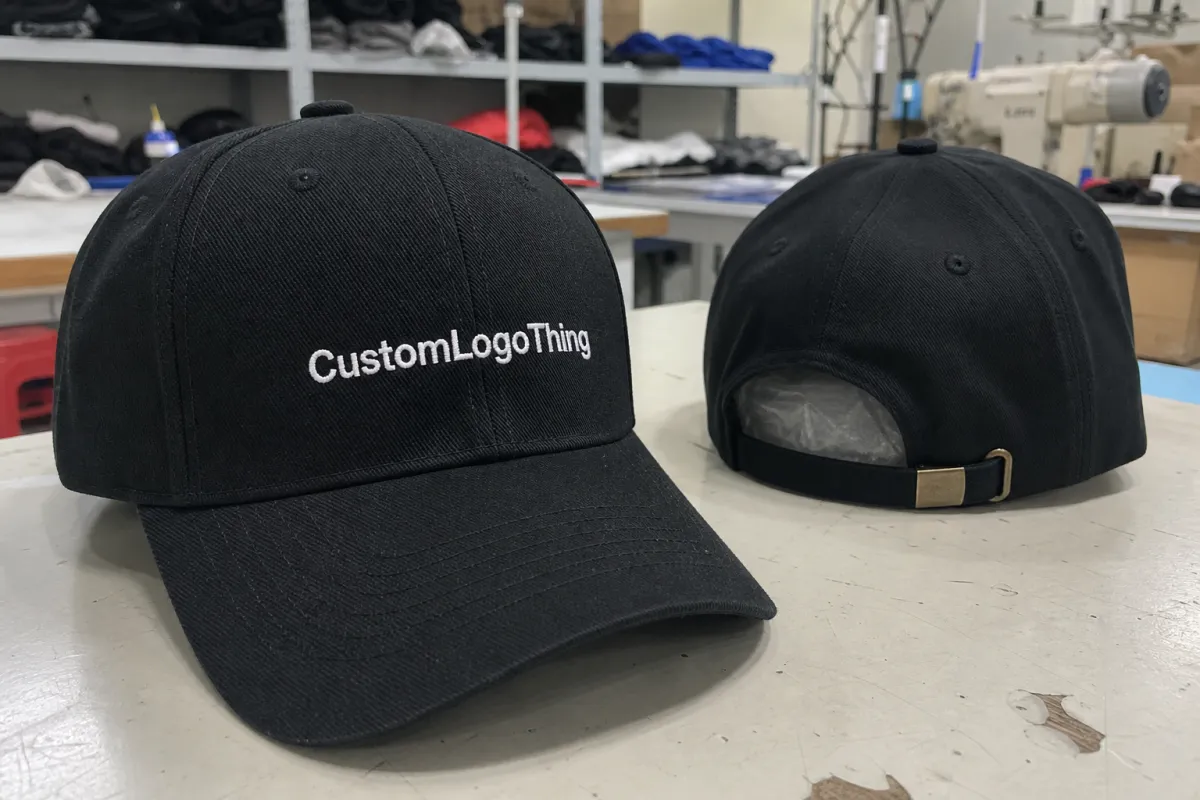
A cap gets a few seconds to prove it belongs on a peg, a shelf, a checkout counter, or a product page. A custom retail merch Caps Bulk Order works best when the cap body, logo method, trim, and packaging are planned together instead of handled as separate decisions after the style is already chosen.
That difference shows up fast in retail. A cap that keeps its shape, photographs well, and arrives packed cleanly feels like a finished product. One with a collapsed front panel, oversized embroidery, or a cheap-looking tag starts fighting the sale before a customer touches it. Buyers notice. So do store managers. So do returns teams.
Bulk ordering is not only about lower unit cost. It also helps lock in color consistency, decoration placement, packaging format, and replenishment timing. That matters for merchandise that needs to support a retail price, usually somewhere in the $22 to $38 range for a clean, branded cap with enough margin left to breathe. Lower than that and every extra setup fee hurts. Higher than that and the product has to look intentional, not assembled out of habit.
Practical rule: a good cap quote should remove uncertainty. If it creates more questions than it answers, the spec is not ready yet.
Custom Logo Things works with buyers who need caps that can be priced, displayed, shipped, and reordered without drama. The objective is not hype. It is a workable spec, a realistic production path, and a bulk order that lands ready to sell.
Cap Styles, Materials, and Retail-Ready Product Details
Style choice starts with the customer and the sales channel. A structured six-panel cap gives a clean front surface and is usually the safest option for logos that need to sit upright. An unstructured dad cap feels softer and more casual, but the artwork has to be sized carefully because the crown bends and wrinkles naturally. Five-panel caps fit streetwear and creative brands well. Trucker caps bring airflow and a taller front panel. Performance caps use lighter fabrics for golf, marina, travel, and warm-weather programs.
Fabric changes the hand feel and the decoration result. Cotton twill is familiar and retail-friendly, often in the 180gsm to 260gsm range depending on the build. Brushed cotton feels softer and more relaxed. Polyester gives sharper color control and handles moisture better for active styles. Canvas gives the front panel more body and works well with patches. Nylon and poly-spandex blends suit lightweight outdoor caps, although slick surfaces can limit which adhesives or patch backs will hold properly.
Structure matters just as much as fabric. Buckram-backed front panels keep flat embroidery crisp and help 3D puff lettering stand up cleanly. Soft crowns still work, but they are less forgiving. Dense logos, tall stitch counts, and wide filled areas can pucker or pull the panel out of shape. That is one of the most common mistakes in a Custom Retail Merch caps bulk order: the artwork looks fine on-screen, then behaves differently once it hits a curved crown.
Closures and trims also shape the retail value. Metal buckles feel more elevated on cotton dad caps. Snapbacks fit streetwear and trucker styles. Hook-and-loop is practical, though it reads more functional than premium unless the line is clearly workwear or performance-driven. Stretch fit can look clean but adds sizing questions. Woven labels, branded seam tape, printed sweatbands, hang tags, barcode stickers, polybags, and carton marks should all be discussed before the quote is finalized.
| Cap Style | Best Retail Use | Typical Decoration Fit | Buyer Watchout |
|---|---|---|---|
| Structured six-panel | Clean logo caps, brand shops, events | Flat embroidery, puff embroidery, patches | Higher crown may not suit every audience |
| Unstructured dad cap | Lifestyle, tourism, casual apparel | Small embroidery, woven labels, low-profile patches | Large logos can wrinkle or distort |
| Five-panel | Streetwear, outdoor, creative brands | Woven patch, rubber patch, flat embroidery | Panel seams affect logo size and placement |
| Trucker cap | Breweries, farm stores, events, resorts | Patch, puff embroidery, front print | Mesh color and front foam need approval |
| Performance cap | Active, golf, marina, travel merch | Rubber patch, transfer, light embroidery | Heat and adhesive compatibility must be checked |
If caps will be hung, stacked, boxed, or shipped direct-to-consumer, packaging should be decided early. A cap packed flat, nested, or individually polybagged changes presentation, carton count, and transit protection. The same planning discipline used for Custom Packaging Products, custom printed boxes, and other retail packaging applies here too: packaging should support the sale, not just contain the item.
Logo Decoration Methods That Hold Up in Retail
Decoration is where the cap earns much of its perceived value. Flat embroidery is durable, familiar, and a safe choice for clean marks, medium-size lettering, and simple icons. 3D puff embroidery adds raised dimension and works well for bold block letters, but it does not suit tiny gaps, thin outlines, or delicate scripts. Woven patches capture fine lettering better than direct embroidery because the detail is built into the patch surface instead of being forced through the crown.
Leather and faux leather patches can deliver a more premium lifestyle look, especially when the artwork is debossed or laser-marked. Rubber patches work well for outdoor and technical collections, provided the fabric and attachment method are compatible. Screen printing and transfer printing can work on certain panels, but seam placement, surface texture, heat sensitivity, and wash expectations need to be checked first.
Embroidery is tough, not magical. Very small type, gradients, thin outlines, and large filled areas can become heavy and stiff. A dense front logo may pull a soft panel off balance, especially on an unstructured cap. Thread sheen matters too. A color that looks quiet on paper can read brighter once it curves across a crown under store lighting.
Digitizing deserves real attention. Stitch direction, underlay, density, border thickness, and color sequencing all affect the finished result. A logo built for a website may need cleanup before it can be stitched, woven, printed, or molded. Curved crown geometry changes how a flat digital mark reads, so a centered design on a mockup can still feel slightly high or wide once the cap is worn.
For a new cap shape, puff embroidery, multiple logo locations, or photography intended for an online store, ask for a decorated pre-production sample or a sharp photo proof. A custom Retail Merch Caps bulk order should not go straight into full production if the decoration is carrying most of the visual weight.
Specifications to Confirm Before Production
A clean spec protects both sides. Before quoting, confirm the cap style, crown height, panel count, structured or unstructured front, fabric composition, fabric color, closure type, size range, decoration method, logo location, logo dimensions, thread or patch colors, and private-label trims. If the buyer needs branded packaging, hang tags, barcode stickers, or carton marks, those details belong in the same request.
Normal production tolerances are part of the business. Dye lots vary. Crown shaping varies. Stitching varies a little. Brim curve varies a little. Caps are sewn products, not molded plastic. A reasonable approval standard allows small placement movement while still rejecting crooked logos, loose stitching, wrong labels, and obvious color mismatch.
Retail compliance details are easy to miss until receiving day. Fiber content labels, country of origin markings, care labels, inner branding, barcode placement, carton marks, and SKU separation may be required by boutiques, marketplaces, fulfillment centers, or warehouse teams. For buyers managing paper hang tags, inserts, or packaging sourced with sustainability claims, the Forest Stewardship Council is a useful reference point.
Color control needs a practical eye. Pantone references help communicate intent, but cotton, polyester, thread, rubber, leatherette, woven yarn, and printed paper all absorb and reflect color differently. Navy thread on brushed cotton will not match navy ink on a hang tag exactly. If color is brand-critical, approve a physical reference or a clear photo under consistent light.
Quantity planning affects the quote more than many buyers expect. Splitting 1,000 caps across five colors, two closures, and three patch styles is a very different job from making 1,000 units of one clean style. More SKUs mean more setup, more proofing, more packing control, and more risk of mixed cartons. For a custom Retail Merch Caps bulk order, fewer variations usually mean cleaner margins and fewer headaches.
Pricing, MOQ, and Unit Cost Factors for Bulk Caps
Cap pricing is built from the cap body, decoration method, logo complexity, number of locations, trims, packaging, sampling, freight, and the number of SKUs created by color, size, and style. A simple embroidered stock cap may price very differently from a made-to-order cap with custom fabric, woven seam tape, an inside label, a patch, a hang tag, and individual polybagging.
MOQ depends on construction. Standard decorated caps can often start lower, sometimes around 48 to 144 pieces depending on the program and decoration. Fully custom cap construction, custom-dyed fabric, private labels, custom closures, or multiple patch styles usually push minimums higher, often into the 300 to 1,000 piece range per style or color because material purchasing and line setup have to make sense.
Typical decorated retail caps may land around $5.50 to $12.00 per unit at moderate quantities, depending on fabric, decoration, and packaging. More premium builds with patches, custom trims, or performance materials can run higher. Freight, duties, rush handling, sample charges, and setup or digitizing fees can move the landed cost, so quotes should be compared on the same basis.
Buyers can control cost without weakening the product. Reduce the number of cap colors. Choose one strong decoration location instead of three. Simplify thread counts. Use a standard closure. Keep packaging retail-ready but not overbuilt. A clean hang tag and SKU sticker may be enough; a rigid box might look impressive but can add avoidable cost and storage volume unless the cap is sold as a gift set.
| Cost Factor | Typical Impact | Smart Buyer Move |
|---|---|---|
| Quantity | Higher volume usually lowers unit cost | Ask for 3 quantity breaks, such as 144, 300, and 600 |
| Decoration | Puff, patches, and multi-location logos add setup | Price one hero logo first, then add options |
| Colorways | More SKUs create more setup and packing control | Start with 1 to 3 proven retail colors |
| Private label trims | Labels, seam tape, and closures can raise MOQ | Use trims where customers will actually notice them |
| Packaging | Polybags, hang tags, cartons, and barcodes affect labor | Match packaging to the sales channel and receiving rules |
A serious quote for a custom Retail Merch Caps bulk order should include cap style, quantity breaks, decoration method, sample cost, setup or digitizing fees, packaging details, freight terms, estimated production time, proofing method, and pricing validity. If reorders are likely, quote the opening order and a reorder scenario together. Sometimes a larger first buy improves margin; other times a staged release fits cash flow better.
Buyers planning broader merchandise programs can also compare caps against shirts, drinkware, custom printed boxes, and supporting package branding through Wholesale Programs. The best mix depends on retail price, shelf space, and replenishment rhythm.
Process and Timeline from Artwork to Delivery
The cleanest order flow is straightforward and documented: inquiry review, style and material selection, artwork check, quote approval, digital mockup, sample or pre-production proof, buyer approval, bulk production, quality control, packing, freight booking, and delivery to the chosen destination. Skipping steps may feel faster for a day, then cost a week if the logo size, cap shape, or packaging was misunderstood.
Lead time depends on the program. Stock caps with decoration are generally faster than made-to-order caps. Custom-dyed fabric, special trims, multiple logo applications, and retail packaging sourced during packing all add time. Sample approval speed matters too. A buyer who reviews a proof in two hours keeps the line moving; a buyer who waits six business days changes the schedule.
Artwork review is plain work, but it matters. Vector files such as AI, EPS, or editable PDF are preferred because sizing and cleanup are more accurate. If the only file is a PNG or JPG, the logo may need rebuilding before embroidery digitizing, patch weaving, mold making, or print separation. Small text might need to be enlarged. Gradients may need simplification. Thin outlines may need more weight to survive production.
Several timing variables can shift delivery: material availability, holiday production peaks, freight method, customs paperwork, carton labeling requirements, and late changes to logo size or cap color. For international moves, packaging standards and transit testing can also matter. The International Safe Transit Association shares useful information on distribution testing at ista.org, especially for buyers shipping cartons into retail or fulfillment networks.
Build backward from the in-store date, photo shoot, event, subscription box cutoff, or fulfillment appointment. Then add approval buffer. A custom Retail Merch Caps bulk order should not be rushed through decoration testing if the cap is expected to carry a premium retail price.
- Confirm style, fabric, closure, decoration, quantity, and packaging.
- Review artwork and prepare the production mockup.
- Approve sample, strike-off, or photo proof.
- Produce, inspect, pack, and label cartons by SKU.
- Book freight and deliver to the store, warehouse, or fulfillment center.
Quality Checks That Protect Your Retail Margin
Quality control is margin protection. A cap that arrives with crooked logos, inconsistent crown shape, rough patch edges, loose threads, or weak packaging can cost more in markdowns, customer service, and lost trust than the savings from a thin quote. The cheapest unit price is not cheap if 8% of the shipment is hard to sell.
Cap inspection should cover crown symmetry, brim curve, seam alignment, stitch density, thread trimming, logo placement, patch adhesion or stitching, closure function, sweatband finish, label accuracy, color consistency, and carton packing condition. For embroidered caps, thread breaks and density issues should be reviewed under good light. For patches, edges should be clean, corners should not lift, and stitching should track the border evenly.
Inspection is usually handled by sample size and defect category. Critical issues affect safety, compliance, or saleability. Major issues are visible problems a normal customer would reject. Minor issues are small variations that may still meet the commercial standard. Not every cap is rebuilt by hand after production, so the supplier and buyer should agree on what passes before cartons leave the floor.
Packaging can create damage even after the caps are made correctly. Caps packed too tightly may crush. Caps handled without protection may pick up dirt. Cartons without proper labels, SKU separation, or count documentation slow receiving and create inventory headaches. If caps are sold online, individual polybags may help keep product clean during pick-and-pack, though some retailers prefer reduced plastic and paper-based labeling.
Communication matters as much as machine capability. Good proofing discipline, clear specifications, and simple photo approval prevent small misunderstandings from becoming bulk defects. From a packaging buyer's point of view, that is the difference between a supplier and a production partner.
Next Steps to Place a Clean Bulk Cap Order
Before requesting a final quote, gather the practical details: cap style, target retail price, order quantity, number of colorways, logo file, decoration preference, packaging needs, delivery address, and in-hand date. If the cap has to hit a fixture at $28 retail, say that early. If the order must arrive before a launch event, the production plan should be built around that date.
Reference photos help. A physical sample helps even more if the desired cap has a specific crown height, brim curve, wash, patch feel, or retail presentation that is difficult to describe in text. One buyer may say “low-profile dad cap” and mean a soft 6-panel cotton cap. Another may mean a shallow unstructured crown with a curved brim and antique buckle. Those are not always the same build.
Custom Logo Things can help organize material recommendations, decoration matching, production-ready specs, quote options by quantity, sample planning, and bulk order coordination. That keeps the buyer from having to manage every technical detail separately while still giving enough information to compare options honestly. For general ordering questions, the FAQ is also a useful starting point.
Separate must-haves from flexible choices. Exact brand color, logo size, closure type, carton labeling, and launch date may be fixed. Fabric weight, stitch style, patch construction, or packaging format may have room to move if that improves unit cost or timing. The strongest retail programs protect the details customers notice and simplify the ones they do not.
For a custom retail merch caps bulk order, the best next move is to send the artwork, estimated quantity, preferred cap style, decoration idea, packaging requirements, and delivery deadline. With those details, the quote can be built around real production information instead of guesses, and the finished caps have a much better chance of looking right on the first selling day.
FAQ
What is the usual MOQ for custom retail merch caps in bulk?
MOQ depends on whether the order uses stock caps with decoration or fully custom cap construction. Standard decorated caps can often start lower, while custom fabric, special trims, private labels, or multiple colorways usually raise the minimum. The cleanest way to confirm MOQ is to share quantity, cap style, logo method, and packaging needs together.
How should I prepare artwork for a bulk order of branded caps?
Vector artwork such as AI, EPS, or editable PDF is preferred because it allows accurate sizing and cleanup. Small text, gradients, thin outlines, and complex shading may need adjustment for embroidery or patch production. A proof or pre-production sample should confirm logo size, placement, thread colors, and decoration method before bulk production.
Which decoration method is best for retail merch caps?
Flat embroidery is durable and widely accepted for clean logos and moderate detail. 3D puff embroidery works well for bold lettering but is not ideal for tiny details. Woven, leatherette, rubber, or embroidered patches can create a more retail-focused look and may handle fine detail better than direct embroidery.
How long does a custom cap bulk order take to produce?
Timeline varies by cap type, decoration method, sample approval, material availability, packaging, and freight method. Stock cap decoration is generally faster than fully custom cap manufacturing with special trims or custom-dyed materials. Buyers should work backward from the launch, event, or delivery appointment and leave buffer for proofing and shipping.
What details affect the unit cost of custom retail caps?
Major cost factors include order quantity, cap construction, fabric, decoration method, logo complexity, number of logo locations, trims, packaging, and freight. Reducing color splits, simplifying artwork, and using standard closures can help control cost. A good quote should separate setup, sampling, production, packaging, and freight details so the buyer can compare options clearly.


