Custom Snapback Caps Unit Cost Breakdown for Ordering
The Real Cost Driver Is Usually Not the Cap Blank
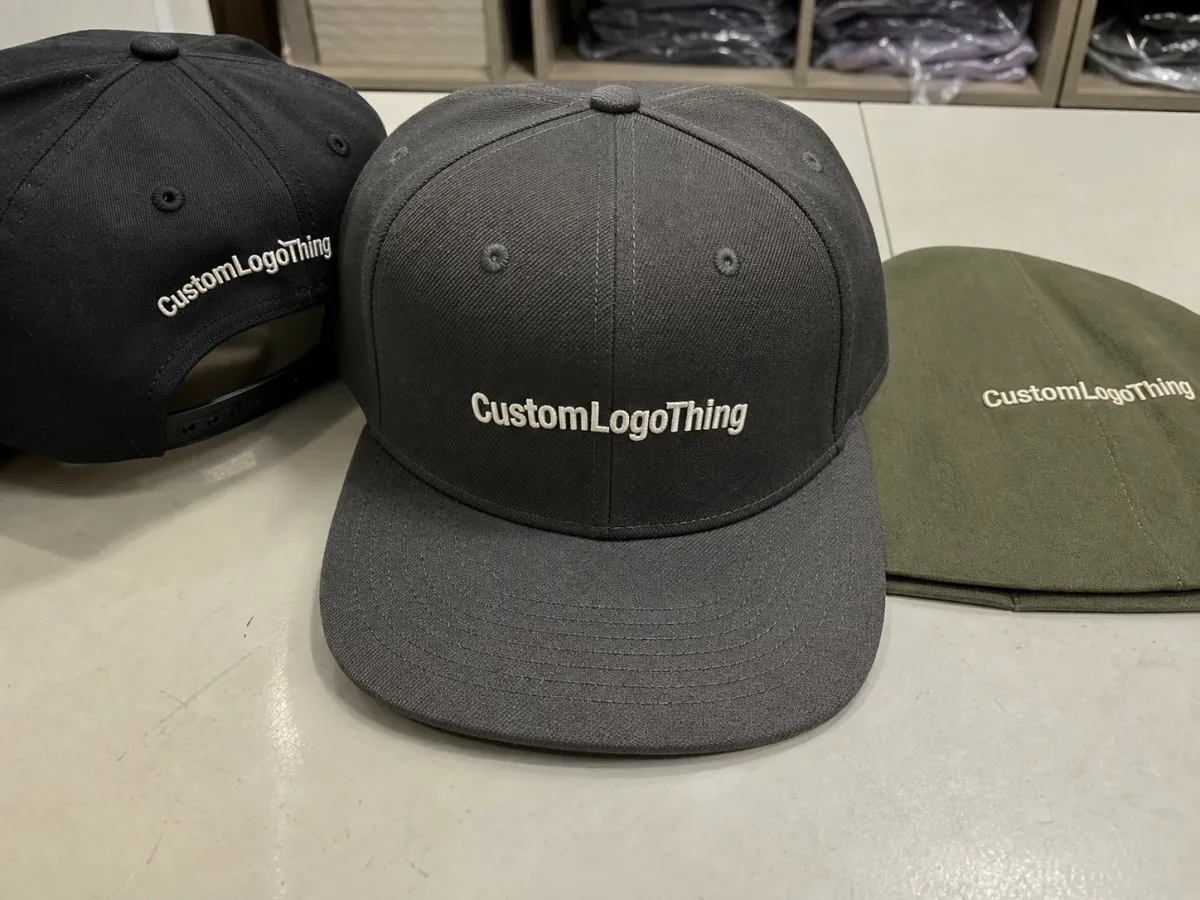
Most cap buyers start by asking for the cheapest blank, but the blank is rarely the whole story. A clear snapback Caps Unit Cost Breakdown helps buyers see which choices raise cost, which choices protect perceived value, and which choices can be simplified without making the cap feel cheap.
A snapback is a semi-structured product. The crown shape, buckram stiffness, visor board, plastic snap closure, sweatband, seam taping, and stitching all influence how the cap feels in hand and how it photographs on a product page. A cap that looks fine in a flat mockup can feel soft, crooked, or underbuilt if the structure is wrong.
From a purchasing point of view, the finished unit cost is usually shaped by embroidery complexity, patch construction, panel fabric, packing style, and freight terms. A plain six-panel cotton twill cap with one flat embroidered logo can price very differently from a high-profile wool blend cap with 3D puff embroidery, side branding, custom seam tape, hangtag, and individual retail packing.
Custom Logo Things works with merch teams, breweries, apparel brands, event organizers, retailers, corporate buyers, and distributors who need more than a low number on a quote sheet. They need a price they can defend internally. That means knowing whether the order is for retail resale, staff uniforms, sponsor giveaways, event merch, or a branded company store.
Practical buying rule: pay for the details customers notice first: crown shape, front logo quality, fabric feel, and closure function. Trim the details that add labor but do not improve the buyer’s first impression.
Honestly, I think many cap quotes become confusing because buyers are comparing different products under the same name. “Black snapback with logo” could mean ten different builds. A reliable snapback caps Unit Cost Breakdown turns that vague request into a product specification with a dependable cost per piece.
Snapback Cap Details That Change the Finished Price
A finished snapback cap is built from several parts: a five-panel or six-panel crown, structured front panels, flat or slightly curved visor, top button, eyelets, sweatband, seam tape, and adjustable plastic snap closure. Each part carries a cost, but more importantly, each part affects the final look and durability.
Six-panel caps are common for classic structured snapbacks. Five-panel caps can give a cleaner front decoration area because there is no center seam running through the logo. High-profile crowns create a bold streetwear face for larger marks, while mid-profile caps often work better for staff uniforms and broad promotional use because they fit a wider group of wearers.
Fabric choice matters. Cotton twill has a familiar handfeel and takes embroidery well. Acrylic blends can hold shape and color strongly. Wool blends tend to feel more premium, though they may increase cost and care expectations. Polyester and nylon can be useful for performance styling, outdoor campaigns, or moisture resistance. Corduroy adds texture and retail character. Foam front panels are lighter and suit screen printing or vintage-style trucker caps, while mesh backs reduce heat and often lower material weight.
Decoration is usually the largest variable after the cap build. Flat embroidery is dependable for clean logos. 3D puff embroidery needs bolder shapes and adds labor because foam is placed under the stitching. Woven patches hold small lettering better than direct embroidery. Embroidered patches add texture. Leatherette patches suit debossed contrast. PVC patches can feel premium, but shape, colors, and tooling fees can change the math. Heat transfer and screen printing can work on the right fabrics, though adhesion and surface texture need to be checked early.
| Cap or Decoration Choice | Best Use | Cost Effect | Buyer Watchout |
|---|---|---|---|
| Flat embroidery | Clean logos, uniforms, events | Moderate and predictable | Tiny letters may close up below about 5 mm height |
| 3D puff embroidery | Bold retail-style front marks | Higher labor and setup | Thin lines and small gaps do not puff cleanly |
| Woven patch | Detailed logos and retail caps | Patch production plus application | Edge shape and backing method affect price |
| Leatherette patch | Outdoor, brewery, lifestyle branding | Moderate to premium | Best with strong contrast and simple art |
| PVC patch | Premium merch and rugged branding | Higher, often with mold or setup charges | Small quantities can carry heavy setup per cap |
Buyers should decide early whether they need a retail-ready cap, a giveaway cap, or a staff uniform cap. Those three jobs do not deserve the same budget. A giveaway cap may need one strong front logo and a dependable closure. A retail cap may justify better fabric, sharper decoration, custom labels, and cleaner packing.
Specifications to Confirm Before Requesting a Quote
A good quote starts with a good specification. Before asking for bulk pricing, confirm the cap style, panel count, crown profile, fabric, front panel structure, visor shape, closure type, decoration method, logo size, logo colors, placement, quantity, packaging, delivery location, and target in-hand date.
Artwork quality can make or break the schedule. Vector files such as AI, EPS, or clean PDF artwork help the decoration team create stitch paths, patch art, or print separations without guessing. Low-resolution PNG files may be enough for a rough mockup, but they often slow down digitizing and sampling.
Embroidery has physical limits. Dense fills can pucker the front panel if the stitch count is too high. Thin outlines may disappear into textured twill. Small lettering can become unreadable after thread pull. A 2.75-inch-wide front logo may work cleanly, while the same logo squeezed to 1.25 inches on a side panel may need simplification.
Common placement choices include front center, side panel, back above the closure, visor top, visor underside, sweatband print, seam tape, woven inside label, hangtag, and retail barcode sticker. Each extra placement adds handling. That does not mean extra branding is bad. It means the buyer should know why it is there.
- Flat embroidery: best for simple marks, block lettering, and medium-detail logos.
- Puff embroidery: best for bold shapes, thick lettering, and high-profile front panels.
- Woven patches: best for fine detail, small text, and multi-color marks.
- Leatherette patches: best for debossed contrast, outdoor styling, and warm retail texture.
- PVC patches: best for dimensional branding where the budget can absorb setup and mold work.
In practice, vague requests create loose ranges. “Black snapback with logo” leaves too many open questions. A simple one-page spec sheet gives Custom Logo Things enough detail to prepare a snapback caps unit cost breakdown that reflects the real cap, not a placeholder.
Snapback Caps Unit Cost Breakdown for Bulk Orders
A proper snapback caps unit cost breakdown separates the finished price into visible and hidden pieces: base cap construction, decoration labor, artwork or digitizing, patch production, mold or tooling fees when needed, sampling, quality control, individual packing, export cartons, duties if applicable, and freight.
MOQ affects the math because setup work must be spread across the order. A small run may be perfectly viable, especially for events, brand tests, or internal teams, but it will not price like a large program. Decoration setup, machine preparation, thread changes, patch runs, carton handling, and shipping all behave better when there are more caps to carry the fixed costs.
Here is a practical way to think about the cost stack. The base cap might be the body of the price, but the decoration and logistics often decide whether the final number is acceptable. A cap with a modest blank and smart flat embroidery can land well. A cap with four placements, a custom patch, individual gift boxing, and split shipping will move into a different tier quickly.
| Cost Component | What It Covers | How to Control It |
|---|---|---|
| Base cap construction | Fabric, panels, structure, visor, sweatband, closure | Use standard fabric colors and proven cap profiles |
| Decoration labor | Embroidery, patch application, printing, transfers | Keep one strong front placement when budget is tight |
| Artwork and digitizing | Stitch file, patch art, production-ready layout | Send vector artwork and avoid tiny lettering |
| Patch or mold setup | Woven, embroidered, PVC, or leatherette patch preparation | Choose standard shapes where possible |
| Packing | Polybags, hangtags, barcode labels, cartons | Reserve retail packing for caps that need it |
| Freight and destination charges | Shipping, duties if applicable, delivery handling | Consolidate shipments and confirm delivery terms |
Cost levers are real. Reducing thread color count from six colors to three can simplify embroidery. Choosing flat embroidery instead of puff can reduce labor and risk. Using a stock black, navy, khaki, white, or charcoal fabric can avoid custom dye or sourcing delays. Keeping one front placement instead of adding side and back marks can protect the budget without weakening the first impression.
Paying more also makes sense in the right program. Retail caps, influencer kits, licensed merch, premium staff uniforms, and brand store items often benefit from better fabric, sharper decoration, and cleaner finishing. The cap becomes part of the customer’s judgment of the brand. If the selling price is strong, shaving pennies from the wrong feature can hurt the offer.
For an accurate snapback caps unit cost breakdown, Custom Logo Things needs quantity tiers, artwork, preferred cap style, decoration type, target budget, delivery ZIP code or port destination, and whether the order needs a sample before mass production.
MOQ, Pricing Tiers, and What Makes a Quote Reliable
MOQ is not just a sales rule. It reflects material purchasing, production line setup, decoration setup, and the practical economics of running a custom cap order without excessive waste. If a supplier has to prepare thread, digitizing, panel goods, cartons, labels, and labor for a very small run, that preparation must still be paid for.
Lower quantities carry more setup cost per cap. Mid-volume orders usually show a meaningful improvement in cost per piece. High-volume orders can improve efficiency across fabric buying, decoration runs, packing labor, and freight consolidation. The best tier depends on the actual build, not quantity alone.
Buyers may receive several types of quotes. A rough budget estimate is useful for early planning, but it is not a purchase-ready number. A formal quotation should define the cap, decoration, quantity, packing, and delivery terms. A pre-production sample quote may include sample labor and shipping. A landed cost quote should include freight and destination-related charges, which makes internal approval much cleaner.
Be careful with headline unit price comparisons. One supplier may include digitizing, sample review, individual polybags, carton marks, and freight. Another may leave those as later add-ons. The lower number may not be lower after all charges are included.
- Ask whether the price is ex-factory, delivered, or landed.
- Confirm whether digitizing and setup charges are included.
- Check if sampling is optional, required, or already priced.
- Clarify packing: bulk pack, individual polybag, hangtag, barcode, or retail carton.
- Ask whether freight is estimated or firm for the shipping address.
Custom Logo Things can quote good-better-best options so buyers see the tradeoffs clearly. Sometimes the “good” version is exactly right: mid-profile cotton twill, clean flat embroidery, individual polybag, and carton labeling. Sometimes the “better” option earns its place with a woven patch, upgraded fabric, and retail hangtag.
Production Steps, Lead Time, and Approval Timeline
A normal custom cap order moves through inquiry, specification review, artwork check, quote, digital mockup, sample if required, buyer approval, material preparation, decoration setup, bulk production, inspection, packing, shipping, and delivery. Skipping steps may feel faster at the beginning, but it can create expensive corrections later.
Lead time depends on quantity, decoration method, sampling needs, material availability, packaging complexity, factory capacity, and freight method. A repeat order with approved artwork and a standard cap may move quickly. A new retail cap with a custom PVC patch, inside label, hangtag, and sample approval will need more time.
The approval stage deserves respect. A cap can look simple on screen, yet production still needs correct thread colors, patch scale, crown placement, visor alignment, and readable logo details. Pantone references help with color direction, though textile materials and thread can reflect light differently from paper or screen color.
Pre-production samples are especially useful for retail programs, complex patches, puff embroidery, new brand launches, and buyers who need internal approval from marketing, compliance, or sales leadership. Repeat orders with stable specifications can usually move more efficiently because the decoration file, placement, and packing method are already known.
Provide final artwork, quantity, shipping address, target delivery date, and decision-maker feedback at the beginning. Most delays happen before machines start sewing. Late changes to logo size, cap color, patch shape, or delivery schedule can reset the approval clock and affect the final snapback caps unit cost breakdown.
For packaging and transport validation, larger programs may also reference distribution testing guidance from ISTA, especially if caps are packed for retail cartons, e-commerce kits, or multi-location distribution.
Quality Checks That Protect the Brand After Delivery
Quality control is not a cosmetic extra. It protects the brand after the cartons arrive. Finished snapback caps should be checked for crown symmetry, visor alignment, stitching consistency, embroidery registration, patch bonding or stitching, closure function, sweatband cleanliness, loose threads, color consistency, and carton labeling.
Decoration-specific checks matter. Puff embroidery should have height without broken edges or collapsed corners. Flat embroidery should sit cleanly without puckering the front panel. Patches should be straight, centered, and secure at the edge. Printed or transferred marks should have clean edges and durable adhesion suitable for the fabric surface.
Fit and wearability deserve attention too. A cap that looks good in a flat photo may disappoint if the crown feels flimsy, the visor warps easily, or the closure hardware feels brittle. Structured caps need enough front support to hold their shape, but not so much stiffness that the cap feels uncomfortable.
Textile goods have tolerances. Minor variation can happen in stitching, fabric shade, and logo placement, especially across larger runs. Professional production should still hold a consistent overall look and catch obvious defects before cartons leave the packing area.
The lowest possible price can become expensive if returns, staff complaints, poor retail reviews, or urgent reorders follow delivery. Quality control belongs in the true landed value, along with freight, packing, and setup charges. For sustainability-minded programs, buyers may also review material and sourcing claims through recognized organizations such as FSC when paper hangtags, cartons, or certified packaging materials are part of the order.
Next Steps to Get an Accurate Cap Order Started
Start with a simple checklist. Choose the cap style, define the quantity range, select decoration preferences, prepare vector artwork, decide whether a sample is required, confirm packaging needs, and share the delivery location and target in-hand date.
If you have a budget range, share it. A realistic target helps Custom Logo Things recommend whether to adjust fabric, decoration, quantity tier, or packing. Without that context, a supplier may quote a premium build that looks great but misses the purchasing goal.
Side-by-side options are often the cleanest way to make a decision. Ask for flat embroidery versus woven patch, standard polybag versus retail hangtag, or mid-profile cotton twill versus a premium fabric blend. The comparison shows where money improves the cap and where it only adds complexity.
Confirm decision-makers before sampling. Late changes to logo size, patch shape, cap color, or delivery schedule can reset approvals. That affects cost, timeline, and sometimes material availability.
- Send cap reference photos or choose a preferred profile.
- Provide vector logo artwork and color guidance.
- Share quantity tiers such as 100, 250, 500, or 1,000 pieces if you want options.
- Confirm decoration placement and packing requirements.
- Provide the delivery address and target in-hand date.
For a dependable snapback caps unit cost breakdown, send artwork, quantity, cap preferences, packaging requirements, and deadline so the quote reflects the real product you want to order, not a rough placeholder.
FAQ
What is usually included in a snapback cap unit cost breakdown?
A useful breakdown should include the base cap, decoration method, artwork or digitizing, patch or mold charges if needed, sampling, packing, quality control, freight, and any destination-related charges that apply. Ask whether the quote is ex-factory, delivered, or landed, because the same cap can look cheaper or more expensive depending on what is included.
How does MOQ affect custom snapback caps pricing?
MOQ affects pricing because setup time, decoration preparation, material purchasing, and packing labor are spread across the order quantity. Higher quantities usually lower the unit cost, but the best tier depends on cap material, decoration complexity, and shipping method rather than quantity alone.
Which decoration method gives the best value on bulk snapback caps?
Flat embroidery is often a strong value for clean logos and staff or promotional caps, while woven patches can be better for small detail and retail-style branding. 3D puff, PVC patches, leatherette patches, and multi-location branding can look more premium, but they generally add cost and should match the selling price or brand purpose.
Can I reduce snapback cap costs without making the cap look cheap?
Yes, practical cost controls include using standard fabric colors, limiting decoration placements, simplifying tiny logo details, choosing one strong front mark, and ordering at a better quantity tier. The goal is to remove waste from the specification, not strip away the features that customers notice first, such as crown shape, front logo quality, and closure feel.
What information do you need for an accurate snapback caps quote?
Send quantity, cap style or reference photo, logo artwork, decoration preference, logo placement, packaging needs, delivery address, and target deadline. If you are unsure, provide your budget range and use case, and Custom Logo Things can recommend a practical specification for retail, promotional, event, or uniform use.

