Most Trucker Cap Quotes Hide the Real Price Drivers
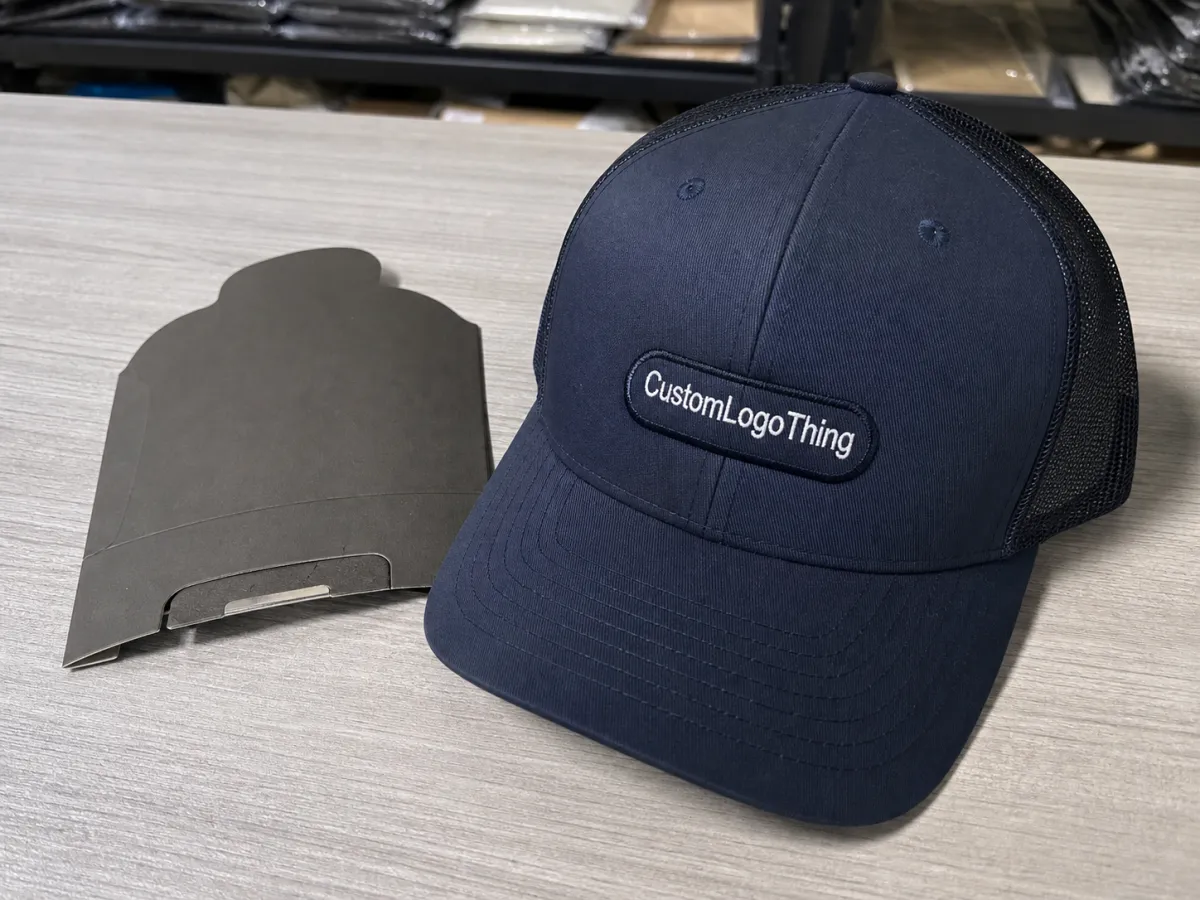
Two trucker caps can look almost identical online and still land 40% apart in finished cost. A practical trucker caps Unit Cost Breakdown matters because the cheapest listed cap is rarely the cheapest finished cap after decoration, packing, freight, and approvals show up.
That cheap blank cap photo? Cute. It tells you almost nothing about the final cost per piece once the logo is stitched, patched, packed, inspected, boxed, and delivered.
Buyers get burned when they compare a blank cap price against a finished custom cap price. Then the invoice grows teeth and everyone acts shocked. The problem is usually not one mysterious markup. It is a stack of smaller decisions nobody priced early enough.
Merch teams, breweries, outdoor brands, event buyers, retail teams, and corporate programs usually need a working estimate before committing to 250, 500, 1,000, or 5,000 caps. The finished number depends on the cap body, front panel material, mesh, closure, decoration method, order quantity, shipping method, cartons, duties, and packaging requirements.
A clean cost breakdown prevents two common mistakes: under-budgeting and over-specifying. Under-budgeting starts with a low blank price and forgets decoration. Over-specifying starts with custom fabric, custom mesh, side embroidery, leather patches, branded tape, hangtags, and individual polybags for a one-day giveaway. Ambitious. Also expensive.
Good quotes start with real specs. Not vibes. Not “make it premium.” Specs. The sections below cover pricing buckets, material choices, MOQ logic, production steps, timeline risks, and the details Custom Logo Things needs to return a quote that can survive contact with production.
Trucker Caps Unit Cost Breakdown: What You Actually Pay For
A real trucker Caps Unit Cost Breakdown separates the finished cap into cost buckets. The usual buckets are cap body, decoration, setup charges, sampling, inner packing, master cartons, quality control, freight, duties, and rush handling if someone waited too long and now wants production to bend physics.
The cap construction drives the base price. Decoration drives the visible brand impact. Freight punishes bulky shipments because hats take space even when they are light. Setup charges hurt small runs because digitizing, patch tooling, mold work, or print setup gets spread across fewer pieces.
Buying reality: a low unit price without freight, packing, and decoration assumptions is not a quote. It is a teaser with better manners.
Mesh-back caps are not automatically cheaper. A basic foam-front trucker with standard polyester mesh and plastic snapback can be very efficient. A structured cotton twill front with premium soft mesh, sandwich brim, branded sweatband, metal buckle, and side embroidery is a different animal. Same category. Different bill.
Decoration changes the math fast. Flat embroidery is efficient for simple logos and can work well at common bulk quantities. 3D puff embroidery adds height and labor control, so the unit cost rises. Woven patches add texture and cleaner detail for small type. Leather patches feel premium, especially for outdoor or workwear-style brands, but tooling fees and application time matter. Printed patches can help with colorful artwork that would look like spaghetti in thread.
Ask for FOB or ex-works pricing and delivered pricing when relevant. FOB helps compare factory-side production cost. Delivered pricing shows the real landed cost to your door. For larger programs, freight can turn a suspiciously cheap quote into a less adorable problem.
| Cost Bucket | Typical Impact | What Changes the Price |
|---|---|---|
| Cap body | Major base cost driver | Foam, cotton twill, canvas, performance fabric, crown structure, brim style |
| Decoration | Medium to high impact | Flat embroidery, 3D puff, woven patch, leather patch, printed patch, side logo |
| Setup charges | High impact on small runs | Digitizing, patch molds, screens, tooling fees, sample preparation |
| Packing | Low to medium impact | Bulk pack, individual polybags, hangtags, barcode labels, retail cartons |
| Freight and duties | Can be painful | Carton volume, destination, air vs ocean, customs classification |
Materials, Structure, and Decoration Choices That Change Price
Front panel material sets the tone and the budget. Foam front is usually economical and works for retro promos, concerts, breweries, and event merchandise. Cotton twill is a familiar middle-ground choice. Polyester twill can be consistent in color and durable for active use. Canvas feels heavier and more retail-ready.
Performance fabric, ripstop, nylon, corduroy, and recycled fabric can all work, but they often add sourcing steps, minimums, or longer lead times. If a quote uses “premium fabric” without naming the material, ask for the actual construction. Premium is not a fiber content.
Structure matters too. A 5-panel cap gives a broad front decoration area and a cleaner patch surface. A 6-panel cap has a more traditional fit but may put a seam through the logo area. Structured fronts hold shape better on shelves and in photos. Unstructured caps feel softer but can be trickier for large embroidery.
Crown height changes both fit and brand feel. High crown has the classic trucker profile. Mid crown is safer for corporate buyers who do not want staff looking like they joined a roadside barbecue league. Low crown can work, but it leaves less room for tall logos and patches.
Brim choice affects labor and look. Curved brims are common for workwear, outdoor brands, and corporate programs. Flat brims lean retail and streetwear. Sandwich brims add another material layer and can support accent colors, but each added detail has a cost.
Mesh is a quiet price driver. Standard polyester mesh is cost-effective and widely available. Softer premium mesh improves comfort, especially for caps people will actually wear more than once. Specialty mesh colors may need higher MOQs or longer sourcing time because not every shade is sitting on a shelf waiting for your brand guidelines.
Closures deserve attention. Plastic snapback is common, economical, and size-flexible. Metal buckle closures feel cleaner for premium or corporate retail use. Hook-and-loop works for utility caps and field crews. Custom closures can look sharp, then add lead time, tooling, and another approval step. Funny how that happens.
Decoration should match the artwork and the use case. Embroidery works for simple logos and classic corporate orders. Patches are better for retail merch, outdoor brands, and artwork with borders or texture. Screen print or heat transfer can work for bold graphic art, though the curved crown limits usable space. Woven labels are subtle and useful on side seams, backs, or interior branding.
The sneaky add-ons are easy to miss: oversized front logos, multiple decoration locations, side embroidery, custom seam tape, custom labels, inside printing, hangtags, barcode stickers, and individual polybags. None are wrong. They just need to be priced before the purchase order lands.
Specifications to Confirm Before Asking for a Quote
A supplier cannot price a vague cap accurately. “Black trucker hat with logo” is not a spec. It is a starting sentence.
Prepare the basics before asking for bulk pricing: quantity, cap style, panel count, crown height, front material, mesh color, brim shape, closure type, sweatband material, logo placement, artwork format, packaging needs, delivery location, and required in-hands date. If you have a sample cap you want to match, send photos from the front, side, back, interior, closure, and brim.
Artwork matters. Vector files such as AI, EPS, or clean PDF files are preferred for embroidery, patches, and print separations. Low-resolution JPEGs create delays. They also inspire the kind of sigh production teams reserve for logos copied from email signatures.
Logo sizing needs to be realistic. Many trucker cap fronts have roughly 4 to 5 inches of usable width, depending on crown shape, seam placement, and decoration method. Tall logos can fight the curve of the crown. Thin lines may disappear in embroidery. Tiny text may look fine on a laptop and terrible in thread.
Color matching can change cost and timing. Stock fabric colors keep costs down and speed up production. Custom-dyed fabric gives better brand control, but it usually raises MOQ and adds lead time. If brand color is strict, send Pantone references and expect a lab dip or material approval step.
Retail-ready details should be named early: hangtags, barcode stickers, woven labels, belly bands, size stickers, master carton markings, carton weight limits, and pack counts. If your warehouse wants cartons under a specific weight or labeled by SKU, say that before packing. After packing, changes become annoying. Annoying usually costs money.
Create a simple spec sheet so every supplier quotes the same cap. Otherwise, you are comparing five different products and calling it market research. It is not.
MOQ, Price Tiers, and When Bigger Orders Actually Save Money
MOQ is not a supplier being difficult for sport. It is production math. Machines, labor, material setup, decoration calibration, inspection, and packing need enough volume to make sense.
Small runs carry higher unit costs because setup charges are spread over fewer caps. A $75 digitizing fee adds $0.75 per cap at 100 units, but only $0.075 at 1,000 units. A patch mold or tooling fee behaves the same way. Painful at low volume. Almost invisible at scale.
Mid-size runs often hit the best balance. For many buyers, 500 to 1,000 caps gives a more sensible cost per piece without creating a warehouse shrine to one design. Larger runs can reduce unit cost further, but only if the materials, decoration capacity, freight volume, and storage plan all cooperate.
Price breaks are not always linear. Fabric availability can force a jump. Carton volume can change freight class. A decoration line may handle 1,000 embroidered caps smoothly but need more days for 5,000 caps with front patches and side embroidery. Production is not a vending machine.
Ask for two or three quantity tiers, such as 250, 500, and 1,000 units. If the design may become a repeat order, ask about reorder pricing too. Reorders can be cleaner because artwork, digitizing files, or tooling may already exist, but materials and freight still need current confirmation.
Inventory has a cost. Ordering too few creates expensive reorders and missed sales. Ordering too many creates storage problems, stale designs, and awkward boxes lurking in the office forever. Pick the tier based on demand, campaign length, sell-through expectations, and cash flow. Not ego.
Production Steps, Lead Time, and Approval Timeline
Bulk trucker cap production follows a predictable path: confirm specs, review artwork, prepare quote, approve digital mockup, produce a sample if needed, approve sample, run bulk production, inspect, pack, and ship. Skipping steps can save time. It can also create ugly surprises.
Stock materials move faster. Custom-dyed fabric, custom mesh, unusual closures, and complex patch work take longer. A basic stock cap with flat embroidery may move through production far faster than a fully custom cap with woven patch, branded interior tape, retail hangtag, and custom carton labels.
Digital mockups are useful for placement and general layout. They are not proof of stitch quality, fabric hand-feel, crown shape, or patch adhesion. Pre-production samples reduce risk and are strongly recommended for retail launches, premium brand orders, influencer kits, or any program where the cap has to look good under close inspection.
Approval delays are the quiet killer. The fastest way to slow production is to take five business days to approve logo placement and then ask if the original ship date still works. Usually, no. Production calendars are calendars, not emotional support documents.
Freight timing needs a real decision. Air is faster and expensive, especially because caps are bulky. Ocean is slower and usually better for larger orders if the schedule allows it. Domestic delivery depends on final destination, carton count, carrier capacity, and receiving rules. For packaging and transit planning, buyers can reference testing frameworks from ISTA, especially for programs where cartons move through multiple handling points.
Build the working calendar backward from the in-hands date. Include proof approval, sample approval, bulk production, QC, packing, shipping, customs if applicable, and a buffer. A 5 to 10 business day buffer is not paranoia. It is adult supervision.
What a Clean Cap Quote Should Show
A clean cap quote identifies the real buying variables first: cap construction, decoration method, quantity tier, packaging requirements, delivery terms, and timeline assumptions. There is no one magic price. If there were, everyone would use it and procurement meetings would be less tragic.
The quote should match the cap to the job. Low-cost event giveaways do not need the same build as premium retail merch. Durable workwear caps need different choices than influencer kits. A brewery merch drop may justify patches and hangtags. A corporate safety program may care more about comfort, color consistency, and reorder reliability.
Decoration guidance matters because not every logo belongs in embroidery. Tiny type, gradients, distressed marks, and detailed badges may work better as woven or printed patches. Simple marks with bold lines often look sharp in flat embroidery. 3D puff can look great, but only if the artwork is built for it. Forcing every logo into embroidery because someone did that years ago is lazy quoting.
Quality checks should cover stitching, seam alignment, logo placement, patch adhesion, color consistency, closure function, brim shape, sweatband finish, carton labels, and packing. For paper-based retail elements such as hangtags or belly bands, buyers can also consider responsible material choices through standards such as FSC certification when the program calls for it.
Line-item clarity is not nitpicking. Setup charges, sample costs, decoration costs, packing costs, freight assumptions, duties, and timeline risks should be named. No vague “premium quality” fog machine. A useful quote gives comparable options, often an economical version, a better merch version, and a premium build if the budget supports it.
Custom Logo Things works across custom packaging and branded goods, so caps are treated as part of a larger program instead of a random hat order floating in space. Launch kits, retail displays, mailer boxes, event giveaways, uniforms, and promotional merchandise all need consistent specs and timing. The cap should fit the program, the budget, and the delivery plan.
How to Get an Accurate Cap Quote
The fastest quote is the one with complete information. Start with target quantity, cap style, decoration method, logo placement, desired colors, packing requirements, delivery location, and in-hands date. If the budget is flexible, say so. If the budget is not flexible, definitely say so.
Send a vector logo file, reference photos, Pantone or brand colors if available, and notes on how the cap will be used. Event giveaway? Retail sale? Employee uniform? Outdoor promo? Each use case points to different material and decoration choices.
If you are unsure, ask for good-better-best options. One might be an economical stock cap with flat embroidery. The next might use upgraded fabric or a woven patch. The premium version might include custom panels, branded labels, hangtags, and retail packing. That spread makes the tradeoffs visible.
- Choose target quantities, usually two or three tiers such as 250, 500, and 1,000 units.
- Confirm the cap style, front material, mesh color, brim shape, closure, and crown profile.
- Send logo files and desired decoration size, location, and method if known.
- Specify packing, carton labels, delivery location, and required in-hands date.
- Ask for line-item clarity on setup, sample, decoration, packing, freight, and duties.
Decide early whether landed cost or FOB cost matters most. Larger orders can look attractive at the factory level, then change once freight, duties, and bulky carton volume enter the room. A clean quote should make those assumptions visible.
The fastest path to a useful trucker Caps Unit Cost Breakdown is sending complete specs upfront, then comparing quantity tiers and decoration options before placing the bulk order. That gives you a real buying number, not a hopeful guess wearing a snapback.
FAQ
What is included in a trucker caps unit cost breakdown?
A real trucker caps Unit Cost Breakdown should include the cap body, decoration, setup or digitizing, sample costs if needed, packing, cartons, quality control, freight, duties, and any rush charges. If a quote only lists one unit price with no assumptions, ask what is included before comparing it to another supplier.
How does MOQ affect custom trucker cap pricing?
Lower MOQ orders usually mean higher unit costs because setup, artwork preparation, decoration calibration, and labor are spread across fewer caps. Larger orders often reduce the unit cost, but the savings depend on materials, decoration method, freight volume, and whether custom components are required.
Which decoration method is cheapest for trucker caps?
Flat embroidery is often cost-effective for simple logos, while printed patches can work well for colorful or detailed artwork. 3D puff embroidery, leather patches, woven patches, side embroidery, and multiple logo placements usually increase the finished unit cost.
How long does bulk trucker cap production usually take?
Timing depends on stock availability, sample approvals, decoration complexity, order quantity, and shipping method. Stock cap programs with simple decoration move faster, while custom fabrics, custom-dyed mesh, patches, and retail packaging add lead time.
What details do I need for an accurate trucker cap quote?
Send quantity, cap style, materials, colors, logo files, decoration method, logo size and placement, packaging needs, delivery location, and required in-hands date. If you are unsure, request multiple quantity tiers and decoration options so you can compare price against quality instead of guessing.


