Buyer Fit Snapshot
| Best fit | Custom Stand Up Pouches MOQ projects where brand print, material claims, artwork control, MOQ, and repeat-order consistency need to be specified before quoting. |
|---|---|
| Quote inputs | Share finished size, material target, print colors, finish, packing count, annual reorder estimate, ship-to region, and any compliance wording. |
| Proofing check | Approve dieline scale, logo placement, barcode or warning zones, color tolerance, closure strength, and carton packing before bulk production. |
| Main risk | Vague material claims, crowded artwork, missing packing details, or unclear freight terms can make a low unit price expensive after revisions. |
Fast answer: Custom Stand Up Pouches MOQ: Film, Print, MOQ, and Carton Packing should be specified like a repeatable production item. The safest quote records material, print method, finish, artwork proof, packing count, and reorder notes in one written spec.
Production checks before approval
Compare the actual filled-product size with the drawing, then confirm tolerance on folds, seals, hang holes, label areas, and retail display edges. Reserve space for logos, QR codes, warning copy, and material claims before decorative graphics fill the panel.
Quote comparison points
Review material grade, print process, finish, sampling route, tooling charges, carton quantity, and freight assumptions side by side. A quote is only useful when the supplier can repeat the same color, closure quality, and packing count on the next order.
MOQ is the smallest production quantity a supplier will accept, and for Custom Stand Up Pouches it influences more than the price on the quote. It affects approval time, setup work, freight planning, storage, and how much cash stays tied up before the product starts moving. A buyer might want a small pilot run for a new snack, a coffee roaster may need barrier protection for freshness, and a supplement brand may be trying to keep inventory lean while testing demand. Those are very different business pressures, yet they often meet at the same question: what order size makes sense without creating waste?
That question rarely has a neat answer. A quote can look inexpensive on paper and still become the wrong choice if the minimum forces overbuying, if the artwork needs extra revision cycles, or if the pouch structure is more complex than the sales forecast can justify. The numbers matter, but the context matters more. A good packaging decision should hold up in the warehouse, on the shelf, and in the finance meeting.
Why MOQ Matters Before You Order Stand Up Pouches
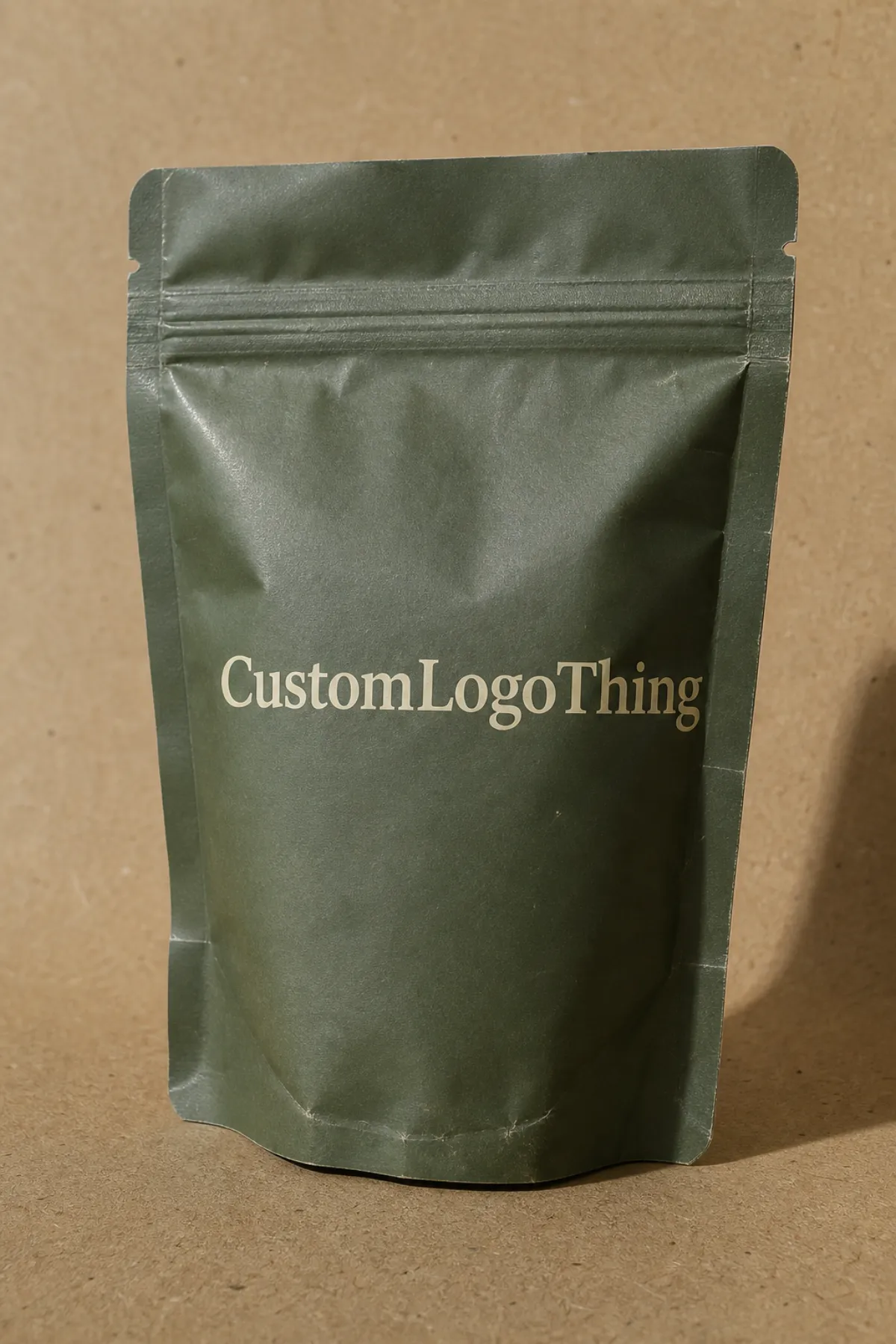
Custom Stand Up Pouches MOQ is usually the first number a buyer should pressure-test because the real cost of a pouch order is not limited to the material shown on the quote sheet. It includes press setup, proofing, plate costs for some print methods, freight, storage, and the opportunity cost of capital sitting in finished packaging. A startup launching a protein snack line may need a 2,000-piece trial order to limit risk, while a national brand may accept a larger minimum because the sell-through is already predictable. Both are rational decisions. They just solve different problems.
MOQ affects three things immediately: how much inventory sits on hand, how much money leaves the account before a single unit sells, and how flexible the brand remains if the formula, flavor, or compliance text changes. The pressure feels different depending on the buyer. A founder feels it in the launch window, where every dollar has another use. A larger brand feels it in the warehouse, where slow-moving packaging can quietly consume space and complicate replenishment. The lowest unit price seldom tells the full story if the minimum order is out of step with demand.
Suppliers can look similar at first glance, but MOQ changes the comparison fast. One vendor may quote a lower per-pouch price, yet only if the buyer orders enough volume to support a long production run. Another may carry a higher unit cost and still be the better fit because the entry quantity is realistic for a regional test market. This tradeoff shows up across product packaging, especially where shelf presence, branded packaging, and sales velocity all influence the buying decision. Freight, warehousing, and dead stock can alter the math faster than many teams expect.
A simple rule tends to hold up: a low unit price is not a bargain if the minimum forces overbuying. A 25,000-piece quote can look attractive until the sales team realizes the product only moves 3,000 units a month. Then the packaging budget is no longer small. It becomes a wager on demand, and wagers deserve a sober review.
That is why MOQ sits near the top of every serious packaging conversation. It determines whether a launch can be tested without strain, whether a reorder can happen on schedule, and whether the packaging plan supports the business instead of squeezing it from the beginning.
“Buyers do not just purchase pouches. They purchase a quantity, a timeline, and a margin structure. The MOQ decides how forgiving that structure will be.”
Custom Stand Up Pouches MOQ: Materials, Sizes, and Features
Stand Up Pouches use layered film structures that protect the product, carry the brand, and survive the trip from factory to shelf. The format includes a bottom gusset so the pouch stands upright, along with closure choices such as press-to-close zippers or sliders. Buyers also ask for tear notches, hang holes, clear windows, matte or gloss finishes, and barrier layers that protect against oxygen, moisture, and aroma loss. Each choice affects both the look of the package and the economics behind it.
Material selection has a direct effect on custom stand up pouches MOQ. Kraft laminate draws interest from brands chasing a natural look, but the structure still has to do the actual work of protecting the product. Matte and gloss films are often easier to run, while metallized and foil-based laminates add more complexity to the production path. High-barrier materials are common for coffee, nutraceuticals, pet food, and other sensitive dry goods because shelf life depends on control, not just appearance. Those structures can raise minimums when the job requires extra conversion steps or tighter quality control.
Size matters just as much as material. Standard dimensions usually support lower minimums because they fit established production patterns and existing tooling. A custom size may be the right call for fill weight, display impact, or a tighter retail footprint, yet it usually asks more from the factory floor. A 5 oz snack pouch and a 1 lb coffee pouch may share the same logic on paper, but their run efficiency can differ once film width, gusset depth, seal behavior, and fill requirements enter the picture.
Printing method is another fork in the road. Digital printing often works better for smaller quantities because it skips some of the setup associated with flexographic production. Flexo tends to make more sense as volume climbs, especially for repeat runs and brand systems that need consistent color. Plate costs, press preparation, and proofing all weigh more heavily on a modest first order. Full-coverage artwork, metallic inks, and strict color matching can move the break point as well.
Feature count changes the minimum too. Every extra element adds another layer of production control. A clean flat pouch with one print area is easier to approve than a matte pouch with a front window, zipper, tear notch, valve, and spot gloss treatment. None of those features are mistakes. They simply move the job from ordinary conversion into more specialized packaging design, and that shift often affects the quantity needed to make the run efficient.
Common pouch options buyers compare
- Kraft laminate for natural shelf appeal and earthy branding.
- Matte or gloss films for a cleaner retail finish.
- Metallized barrier structures for stronger product protection and longer shelf life.
- Clear windows for visibility when the product itself sells the story.
- Zippers, valves, and tear notches for convenience and category-specific use cases.
Brands comparing formats often look beyond pouches. A product may fit better in cartons, sleeves, or a mix of packaging types depending on the channel and the customer expectation. A company may weigh Custom Packaging Products against folding cartons or even custom printed boxes if the item needs retail-ready presentation or extra ship protection. Shelf space, fill method, and distribution pressure usually settle the debate more than style alone.
| Option | Typical MOQ Behavior | Best Use | Tradeoff |
|---|---|---|---|
| Digital print stand up pouch | Lower starting quantities, often better for test runs | Launches, limited editions, small SKU counts | Higher unit cost than large flexo runs |
| Flexographic stand up pouch | Higher minimums, more efficient at volume | Established brands, repeat orders, consistent artwork | Setup charges and plate costs matter more |
| Standard size with simple closure | Usually easier to approve at lower MOQs | Core grocery, snack, and supplement SKUs | Less differentiation on shelf |
| Custom size with premium features | Often requires a higher minimum | Distinctive branding and product-specific protection | More setup, more cost, more lead-time sensitivity |
If sustainability is part of the brief, the material discussion may reach into paper sourcing or recyclable structures. Those choices deserve close scrutiny because a green claim falls apart quickly if the pouch cannot protect the product or survive distribution. Certifications from organizations such as FSC can help buyers understand fiber sourcing, but the final structure still has to meet shelf-life and transport demands. A package earns its place by working first, not by sounding good in a pitch deck.
Specifications That Change Your MOQ and Unit Cost
Buyers often ask for pricing before the specification sheet is finished. That slows the process and hides the real MOQ, because suppliers cannot size up the job without the basic dimensions and material choices. The cleanest orders include width, height, gusset depth, thickness, fill weight, finish, barrier level, closure type, and print coverage. Those details tell a supplier how much film to source, how much machine time the order will take, and how much setup work sits underneath the quote.
Product category changes the math too. Coffee needs aroma retention and often benefits from a one-way valve. Snacks need grease resistance and crisp artwork. Powders need dust control and a stronger seal profile. Supplements usually need a clean shelf appearance and dependable moisture protection. Each category changes the packaging problem in a slightly different way, and that change shows up in the MOQ that makes business sense.
Artwork coverage adds another layer. A one-color logo on a kraft background is a very different production task from a full-coverage graphic with gradients, fine text, and multiple spot colors. More ink coverage affects proofing, color matching, and press setup. Designs with dark solids, metallic accents, or tiny reverse type often need tighter controls to look right on press. That level of precision can raise the minimum order needed to justify production.
Custom dimensions deserve careful review. Standard sizes are common because they reduce complexity and improve repeatability. A unique size may fit the product better and create stronger shelf impact, yet it usually asks more from the production line. A narrow pouch for single-serve coffee and a wider pouch for protein powder can look nearly interchangeable during spec review, but they behave differently on the factory floor. Even a small width change can affect film waste, web width, and seal performance.
Special features tend to add cost before they add shelf appeal. A clear window improves visibility and helps shoppers see what they are buying. A zipper improves day-to-day function. A degassing valve may be essential for coffee. Each feature has a purpose, but each one also adds process steps. That is why buyers should decide early whether a feature is necessary or only attractive. The distinction often shifts both MOQ and unit cost.
The cleanest way to frame the issue is to separate brand value from production complexity. Design teams want packaging that looks premium, and that goal matters. Operations teams need a run that can be manufactured at a sensible cost. Strong quotes usually appear when both sides agree on the brief instead of treating appearance and manufacturability like opposing goals.
Specification fields to confirm before quoting
- Width and height of the pouch.
- Gusset depth and stand-up footprint.
- Film structure and barrier requirement.
- Thickness, usually expressed in mil or microns depending on supplier practice.
- Closure type such as zipper, slider, or heat seal only.
- Finish such as matte, gloss, soft-touch, or paper look.
- Artwork coverage and number of print colors.
- Target fill weight and product type.
Packaging quality control matters on the shipping side too. The ISTA testing framework becomes relevant when pouches travel in cases or face vibration, drop, or compression during distribution. A pouch can look excellent in a mockup and still fail in a warehouse aisle. Testing does not replace material judgment, but it connects the spec to the realities of transport, which is where a lot of packaging mistakes finally show themselves.
Pricing and MOQ: What Drives the Quote
Quoting stand up pouches is not as simple as multiplying a unit price by a quantity. The real quote reflects material choice, print method, size, closures, finishes, shipping destination, and the setup needed to get the order moving. On a first run, setup costs can matter more than the pouch itself. That is why a small order can look expensive even when the raw film price appears modest.
Most suppliers separate visible costs from the ones that hide in the background. Visible costs include unit price and freight. Less visible costs may include plate charges, proofing, artwork corrections, tooling for zippers or valves, and color matching work. A buyer who compares only the quoted per-pouch price can miss the gap between suppliers. The better comparison is total landed cost, which includes packaging, freight, and the work needed to get the order approved and delivered.
MOQ and unit price move together. Larger quantities usually reduce the per-pouch cost because setup is spread across more units. That is the basic math behind nearly every custom packaging quote. If a supplier is running a standard size with steady artwork and a predictable process, the unit number can fall meaningfully at scale. A very small run still has to pay for prepress, machine changeover, quality checks, and production waste.
Hidden cost factors deserve a close look. Rush production usually raises price because it compresses scheduling. Split shipments can add freight. Specialty finishes such as soft-touch lamination or metallic accents can increase cost. Tight brand color matching may require extra proof cycles. The stricter the visual requirement, the more likely the quote will reflect that precision. In retail packaging, attractive output rarely comes free.
First-order economics and reorder economics are not the same thing. The first job often carries more prep, more approval work, and more uncertainty. A reorder using the same spec and artwork may price lower because the supplier already has the file, the setup, and a proven production path. Mature brands notice that quickly and begin planning around repeatability. They are not only buying pouches. They are buying a supply pattern they can count on.
The sharpest buyers compare a few scenarios before signing off on the minimum. What does the price look like at 2,500 units? What happens at 5,000? At 10,000? A break point may appear where the unit cost drops enough to justify a slightly larger run. If storage is manageable and sell-through is predictable, that larger run can lower packaging expense over time. If sales are uneven, the smaller run may still be the better move even at a higher unit cost.
| Quoted Component | Why It Matters | Buyer Question to Ask |
|---|---|---|
| Unit price | Shows per-pouch cost at the proposed volume | Is this price tied to a specific quantity break? |
| Setup / plate charges | Can raise first-order cost significantly | Are these one-time or repeated on each run? |
| Freight | Affects landed cost and timeline | Is shipping included, estimated, or billed separately? |
| Proofing | Protects against artwork errors | How many proof rounds are included? |
| Special features | Closures, windows, valves, and finishes add complexity | Which features are essential versus optional? |
Some brands find it useful to compare the pouch quote with other formats inside the same packaging system. Cartons, sleeves, and hybrid structures may serve the product better depending on the channel and the selling story. The best choice is not always the cheapest per-piece option. It is the one that protects margin, supports the brand, and fits the route to market without creating avoidable waste.
Process and Timeline: From Artwork to Delivery
A well-run pouch project follows a predictable path. It begins with the inquiry, moves through spec review, quote, artwork preparation, and proof approval, then shifts into manufacturing, inspection, and shipment. The more complete the brief, the fewer revision cycles appear later. That is not a small convenience. It can decide whether a launch lands on time or slips into the next selling window.
The biggest delays usually happen before production starts. Missing artwork files, incorrect dielines, low-resolution logos, barcode problems, and uncertain material choices all create back-and-forth. Each clarification costs time. Buyers who answer the key questions early tend to move faster. That matters especially in a custom stand up pouches MOQ project, where the supplier has to balance economics with production efficiency at the same time.
Lead times vary by print method, quantity, and complexity. Smaller digital-driven projects can move quickly once artwork is approved, while larger flexographic runs usually need more planning. A clear order may move from proof approval to shipment in a couple of weeks or longer, depending on the plant, the feature count, and the shipping lane. More involved jobs take longer. Rush service is sometimes available, but it usually depends on schedule alignment, quick buyer responses, and artwork that is already production-ready.
Realistic expectations help. Buyers should separate the time spent on quoting, the time spent on artwork corrections, and the time spent on the actual run. Those are three different clocks. A vendor may return a quote quickly and still need several days to settle the proof. If the project includes color-critical branding, proofing matters as much as press time. Skipping that step to save time usually adds more risk than it removes.
Custom packaging gets easier once the supplier has a complete brief. That means product type, target quantity, dimensions, finish, closure, and design assets. It also means knowing whether the order is for a launch, a test market, or a repeat production cycle. Those details let the vendor recommend a production path instead of guessing. For the buyer, that usually means fewer surprises and better control over the schedule.
A practical sequence looks like this:
- Confirm the pouch format and material.
- Finalize dimensions and fill weight.
- Decide on print method and artwork coverage.
- Approve the proof with all regulatory and barcode details in place.
- Lock the shipping plan before production starts.
That order keeps the project moving and gives procurement a clear paper trail from concept to delivery. It is easier to defend a decision built on specific milestones than one based on loose estimates and assumptions.
Why Choose Us for Custom Packaging Supply
Custom packaging suppliers do not all solve the same problem. Some chase price alone. Some are built for volume alone. Many brands need a supplier that can explain MOQ clearly, validate specs quickly, and keep proofing from turning into a slog. That matters more than a polished sales pitch. Buyers need direct answers and fewer surprises.
Practical packaging support looks plain on the surface. It means fast quoting, honest guidance on what drives the MOQ, and help choosing a structure that balances shelf appeal with manufacturability. It also means understanding the wider packaging system, including branded packaging for retail shelves, product packaging for shipping, and package branding that has to stay consistent across SKUs. Good support reduces friction instead of adding process for the sake of process.
Consistency matters just as much. A brand that reorders every quarter cannot afford print drift or weak communication. Stable production keeps color variation, zipper problems, and uneven finishes from undercutting retail presentation. A supplier that understands repeatability can help a buyer plan inventory with more confidence. That matters even more for companies managing multiple SKUs or seasonal launches, where one bad run can ripple through the schedule.
Packaging expertise should stretch beyond one pouch style. Many buyers need more than a single format. They may need stand up pouches for core items, flat pouches for samples, and Custom Packaging Products for promotional kits, co-packs, or shelf-ready retail displays. A supplier with broader capability can keep the brand system aligned. That means fewer visual mismatches and a cleaner handoff between marketing, operations, and procurement.
Responsive communication sounds basic, yet it often decides the outcome. A packaging project gets expensive when the buyer spends days chasing spec confirmation or waiting on proof changes. The supplier that answers clearly and quickly usually saves more money than the one with the lowest headline price. Clean handoffs reduce delay, and delay is expensive in seasonal packaging.
From a buyer's point of view, the best vendor relationship feels controlled rather than reactive. You know the minimum, why it exists, what it includes, and what would change the price. That transparency helps the procurement team defend the choice internally and helps the brand move faster in the market.
Next Steps: Request Specs, Compare MOQ, and Place the Order
If you are ready to source custom stand up pouches MOQ that fits a launch or a replenishment plan, start with the details that matter most. Gather the pouch dimensions, product type, target quantity, artwork files, finish preference, and any barrier or closure requirements. That information gives the supplier enough context to quote accurately and recommend the right production path.
Next, compare MOQ against expected sell-through. A slower-moving product may need a smaller run to protect cash flow even if the unit cost is a little higher. A product with strong demand and steady forecasting may benefit from a larger run that lowers the per-pouch expense and improves margin. The right answer usually comes from actual sales rhythm, not guesswork.
Ask for samples or proof options if the product needs barrier validation, finish comparison, or shelf appeal testing. A pouch can look excellent on a screen and still feel wrong in hand. Surface finish, zipper feel, and print clarity all affect how shoppers respond. For consumer-facing package branding, those details are not decorative. They are part of the sales argument.
If you are comparing suppliers, look past the quote line. Ask how proofing works, how artwork revisions are handled, and whether the quoted MOQ includes the features you actually need. A lower unit price with weak support can cost more than a slightly higher quote from a supplier that gets the details right the first time. Many buyers end up preferring a complete packaging conversation rather than a single number on a page.
Use this final checklist before you approve the order:
- Does the pouch size fit the fill weight and shelf footprint?
- Are the material and barrier levels right for the product?
- Are the closure and finish worth the added cost?
- Is the MOQ realistic for your sales forecast?
- Do the total landed costs fit the margin target?
- Has the artwork been checked for print accuracy and compliance?
The fastest way to confirm custom stand up pouches MOQ is still the simplest one: send complete specs and a realistic quantity target. From there, the quote becomes usable, the timeline becomes visible, and the packaging decision becomes easier to defend. For brands that want to keep the process moving, that clarity is worth as much as the pouch itself.
If you need a quick reference before requesting pricing, the FAQ page can help answer common ordering questions and reduce back-and-forth during the first quote cycle. The less uncertainty there is at the start, the faster the project moves toward proof and production.
Decision point: if the packaging needs are still changing, keep the MOQ conservative. If the spec is locked and demand is predictable, a larger order can improve unit cost and simplify reorders. Either way, the goal is the same: buy the quantity that fits the business, not just the quote. For a first request, ask suppliers to quote at least three volumes so you can see where the price breaks actually sit; that comparison usually reveals whether the minimum is a temporary hurdle or a sign that the structure needs to be simplified before production begins.
What is the usual MOQ for custom stand up pouches?
MOQ depends on size, print method, and features, so there is no single universal minimum. Smaller digital runs often support lower quantities, while specialized structures and high-setup print methods usually need higher volumes. Some suppliers also set different minimums by SKU, artwork version, or film structure, so two pouch styles that look similar on a screen may not share the same order floor.
How does custom stand up pouches MOQ affect unit price?
Higher quantities usually reduce unit cost because setup and production overhead are spread across more pouches. A low MOQ can be useful for launch testing, but the per-pouch price is typically higher on the first run. That tradeoff is normal, and it is one reason buyers should compare total landed cost instead of focusing only on the unit number.
Can I lower the MOQ by simplifying the pouch specs?
Yes, standard sizes, fewer print colors, and simpler finishes often make smaller runs easier to approve. Removing premium add-ons like windows, valves, or specialty laminates can also reduce production complexity. In practice, the biggest gains usually come from using an established size and keeping the artwork straightforward enough for the selected print method.
How long does a custom stand up pouch order take?
Timeline depends on proof approval, artwork readiness, and production method. Orders move faster when the spec sheet is complete and the buyer responds quickly during the proof stage. A first order almost always takes longer than a reorder, and cross-border freight can add time even after the pouches leave the plant.
What information should I send for an accurate MOQ quote?
Send pouch dimensions, product type, print artwork, finish preferences, and your target order quantity. If possible, include barrier needs, closure type, and whether the run is for launch, testing, or repeat production. The more complete the brief, the less room there is for guesswork, which usually leads to a faster and more trustworthy quote.

