Buyer Fit Snapshot
| Best fit | Custom Stand Up Pouches for Coffee projects where brand print, material claims, artwork control, MOQ, and repeat-order consistency need to be specified before quoting. |
|---|---|
| Quote inputs | Share finished size, material target, print colors, finish, packing count, annual reorder estimate, ship-to region, and any compliance wording. |
| Proofing check | Approve dieline scale, logo placement, barcode or warning zones, color tolerance, closure strength, and carton packing before bulk production. |
| Main risk | Vague material claims, crowded artwork, missing packing details, or unclear freight terms can make a low unit price expensive after revisions. |
Fast answer: Custom Stand Up Pouches for Coffee: Film, Print, MOQ, and Carton Packing should be specified like a repeatable production item. The safest quote records material, print method, finish, artwork proof, packing count, and reorder notes in one written spec.
Production checks before approval
Compare the actual filled-product size with the drawing, then confirm tolerance on folds, seals, hang holes, label areas, and retail display edges. Reserve space for logos, QR codes, warning copy, and material claims before decorative graphics fill the panel.
Quote comparison points
Review material grade, print process, finish, sampling route, tooling charges, carton quantity, and freight assumptions side by side. A quote is only useful when the supplier can repeat the same color, closure quality, and packing count on the next order.
What Custom Stand Up Pouches for Coffee Actually Solve
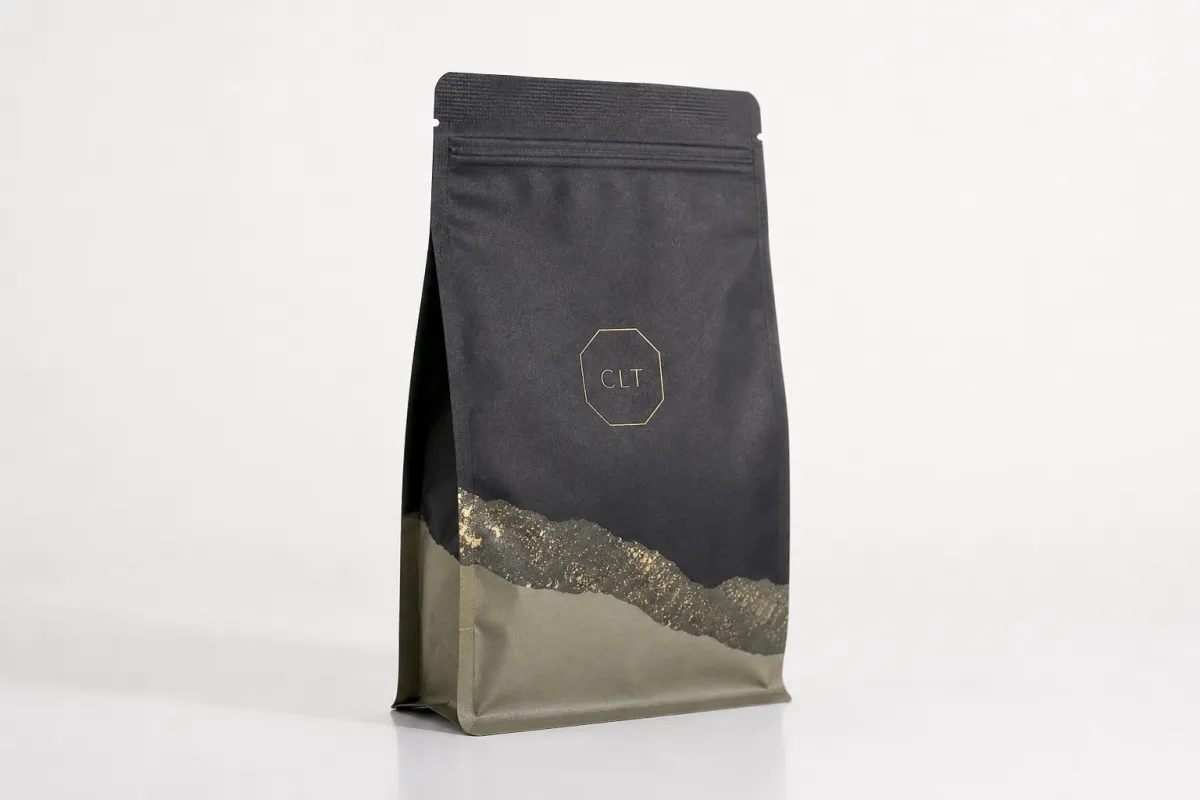
Coffee rarely loses on shelf because the bag is plain. It loses because the aroma starts slipping away before the customer ever opens it. Volatile compounds move fast. Oxygen sneaks in. Fresh oils go stale faster than most buyers expect. By the time the bag lands in a kitchen, the cup can already feel thinner than the roast profile promised. That is the real job of Custom Stand Up Pouches for coffee: keep the roast closer to the moment it left the roaster, while still looking like something people want to pick up.
Custom Stand Up Pouches for coffee are shelf-ready flexible bags with a gusseted base that allows them to stand upright. That sounds simple, but the shape changes the whole package experience. It improves visibility in retail packaging, speeds up filling, lowers freight weight, and gives the front panel enough space to act like a small billboard. A roaster moving away from rigid containers usually gets less shipping bulk, less breakage, and more room for branding without adding a lot of material. That is kinda the sweet spot.
The format shows up everywhere for a reason. Grocery aisles like it because the pouch faces forward cleanly. Cafe counters like it because it fits into tight displays without looking messy. Subscription programs like it because it ships efficiently in cartons and mailers. Compared with jars, it usually weighs less and breaks less. Compared with boxes, it often gives better barrier options. Compared with a plain bag, it gives tighter control over package branding without forcing the team into unnecessary cost or bulk.
For a startup, the value is practical before it is aesthetic. The package has to look premium, sure, but it also has to fit a budget, survive shipping, and keep the shelf from looking chaotic. For an established roaster, the same pouch can refresh branded packaging without a full operational reset. I have seen small roasters switch from a generic flat bag to a custom pouch and immediately clean up the shelf presence without changing the coffee at all. The roast did not change. The perception did.
Custom Stand Up Pouches for coffee also help each sales channel tell a slightly different story. A cafe display wants quick recognition and a premium feel. Wholesale often needs case efficiency, barcode clarity, and stackability. A subscription box may want a stronger unboxing moment. Private label programs may ask for a more commercial look. The best pouch is not just a shape. It is a structure that fits the product, the line, and the channel at the same time.
The cheapest coffee pouch is often the one that gets expensive later. A weak seal, a thin barrier, or a confusing front panel can erase the savings of a low quote long before the final carton ships.
That is why custom Stand Up Pouches for coffee deserve a systems view. Freshness, line speed, carton fit, and reorder economics all sit inside the same decision. If one piece is off, the launch feels off. If structure, size, and finish line up, the pouch becomes one of the easiest parts of the business to trust.
How Custom Stand Up Pouches for Coffee Protect Flavor
The main function of custom stand up pouches for coffee is to slow the two biggest enemies of roasted coffee: oxygen and moisture. Coffee stales through exposure as much as time. Aromatic compounds fade, oils oxidize, and the cup loses definition. A high-performing pouch limits that exchange. In commercial terms, that buys more days between roast and brew, and those days matter. Many specialty roasters aim to sell within roughly a 7 to 21 day window after roasting, depending on rest time and channel, so the right pouch is part of the freshness plan, not an afterthought.
Fresh whole bean coffee often needs a one-way degassing valve. Beans release carbon dioxide after roasting, sometimes for several days. The valve lets that gas escape without letting air rush back in. Without it, the pouch can swell and the seal takes more stress than it should. Not every coffee needs the same setup. Ground coffee, older beans, and some instant formats may have different gas-management needs, so the structure should follow the product instead of forcing the product to adapt to the structure.
Reseal features shape the daily experience. Zippers are common because customers understand them instantly. Tin ties still work for smaller runs or a more artisanal look, although they usually do not feel as convenient for repeat opening. Press-to-close options can help when the bag will be opened often, but the feel of the closure matters. A zipper that catches, pops open, or feels flimsy can damage trust even if the coffee itself is excellent. The best custom stand up pouches for coffee match the way the customer actually uses the product.
Barrier structure does most of the technical work. Foil laminations, metallized films, and high-barrier liners each reduce exposure, but they do it differently and at different price points. Some buyers want full opacity to shield the coffee from light. Others want a window for visual appeal, even though windows usually weaken barrier performance. A dark roast sold quickly at a local market can live with a different structure than a single-origin bag that will sit in wholesale inventory for longer.
Many custom stand up pouches for coffee end up in a conversation about OTR and WVTR. Those are oxygen transmission rate and water vapor transmission rate, and they describe how much oxygen and moisture pass through the film. Lower numbers usually mean better protection, but the right target depends on roast profile, grind type, climate, and channel. A supplier should be able to explain the test method, the structure, and the result, not hide behind a generic freshness claim. If a quote sounds vague here, I get suspicious pretty quickly.
Think of barrier as the bridge between the roast and the customer experience. Strong protection reduces complaints about flat flavor, lowers the odds of returns, and keeps the brand feeling reliable. That reliability is subtle, yet it is one of the strongest reasons roasters keep choosing custom stand up pouches for coffee over generic alternatives.
- Oxygen barrier slows oxidation and preserves aroma longer.
- Moisture barrier helps keep beans and grounds from changing too quickly in humid storage.
- One-way valve vents roast gas without letting air back into the pouch.
- Resealable closure supports repeat use after opening.
Design and Barrier Factors That Matter Most
Coffee packaging is often discussed as if design lives on one side and structure lives on the other. That split breaks down fast. For custom stand up pouches for coffee, design affects legibility, compliance, and the speed with which a shopper understands roast level, origin, tasting notes, and net weight. A beautiful front panel that hides the useful information is not elegant. It is a bottleneck. Good design lets the customer identify the right bag in a few seconds, which sounds small until you watch a shopper make a choice in the aisle.
Surface finish is one of the first decisions. Matte films usually feel more restrained and specialty-focused. Gloss can make brighter colors punch harder in retail packaging. A paper-look surface can communicate craft or sustainability, but the film beneath still has to handle barrier demands. That is where teams sometimes misread the package. A paper-style appearance can support the story, but the underlayer is what protects the coffee. If the material includes recycled or responsibly sourced paper components, the FSC system is a useful reference point for sourcing claims, though it does not replace barrier testing.
Color control matters more than many brands expect. Specialty roasters often want deep black, muted earth tones, or exact origin-specific hues. If print density drifts, those colors can shift from proof to production. That weakens package branding right away. The same risk shows up with metallic effects, soft-touch coatings, and fine typography. What looks precise on a monitor can turn muddy on press if the substrate, ink limits, or varnish settings are off. The file can be perfect and the bag can still look off if the print spec is sloppy.
Practical details need room in the brief. Tear notches help first-time users open the pouch cleanly. Hang holes matter for retail walls and some cafe racks. Rounded corners reduce snagging and make the pack feel more finished in hand. The bottom gusset affects how well the pouch stands and how neatly it sits in cartons. Barcode placement matters too; a code printed across a fold or glossy patch can create scanning problems that waste time at checkout or in the warehouse. That is where product packaging stops being abstract and starts affecting daily operations.
Label space deserves respect. Coffee packages may need roast date, lot code, origin, net weight, ingredient statements for flavored coffee, certification language, and compliance copy for specific markets. Wholesale accounts may add carton labels, case counts, and scan requirements. Retail buyers may want shelf-ready hierarchy that still leaves room for story. The more crowded the panel becomes, the more expensive it gets to keep the front panel readable. I have watched a brand lose half a second of attention because the roast level, origin, and logo all competed for the same inch of space. That half second matters.
For brands planning a broader launch, the pouch should be considered alongside other custom printed boxes or carrier packs, not as a separate object. Coffee subscriptions, sampler sets, and seasonal bundles often work better when the box and pouch are designed together. If you need to compare formats, our Custom Packaging Products page is a practical starting point. The same is true if you are comparing pouch finishes against other product packaging solutions for a wider product line.
From a commercial standpoint, the strongest custom stand up pouches for coffee hold three things in balance: visual impact, barrier integrity, and everyday usability. If one of those slips, the package may still sell, but it will not carry the brand as far as it could.
Custom Stand Up Pouches for Coffee: Cost, Pricing, and MOQ
Price gets oversimplified fast. The first quote looks manageable, then the project starts collecting extras. A better way to assess custom stand up pouches for coffee is to break the cost into its parts: material structure, print complexity, bag size, closure type, valve inclusion, finishing, and whether the job uses stock components or a fully custom build. A low number on the first line item can disappear once freight, waste, and reorders enter the picture.
MOQ, or minimum order quantity, changes the math in a big way. Smaller brands usually pay more per pouch because setup costs are spread across fewer bags. Larger runs lower the unit price, but they raise inventory pressure. That trade-off matters more than people admit. Order too many bags and cash gets trapped in pallets. Order too few and a successful launch can force a rush reorder. Rush orders rarely arrive at the best price, and they almost never arrive relaxed.
For planning, many buyers see custom stand up pouches for coffee land somewhere around $0.18-$0.55 per unit, depending on quantity and structure. A simple printed pouch at 5,000 units may sit near the lower end. A foil-laminate bag with zipper and valve can move into the middle. A premium paper-look or specialty-finish pouch can sit higher. These figures help with budgeting, but they are not promises. Final pricing shifts with artwork coverage, size, freight, and current market conditions.
| Option | Typical Build | Ballpark Unit Price at 5,000 Units | Best For | Watch-Out |
|---|---|---|---|---|
| Basic Printed Pouch | Printed PET/PE, zipper, no valve | $0.18-$0.28 | Fast-moving coffee, sample runs, tight launch budgets | May not be ideal for freshly roasted whole bean coffee |
| High-Barrier Coffee Pouch | Foil or metallized laminate, zipper, one-way valve | $0.26-$0.42 | Most specialty coffee and wholesale programs | Artwork and finish choices can raise the price |
| Premium Paper-Look Pouch | High-barrier film with matte or paper-style finish, zipper, valve | $0.30-$0.55 | Brand-led retail packaging with a crafted look | Paper-look does not always mean lower environmental impact |
| Custom Display Pouch | Heavier structure, special print effects, retail-ready features | $0.40-$0.70+ | Flagship products, gift sets, limited releases | Higher cost can be hard to justify on low-margin SKUs |
The table only helps if it is read carefully. Compare quotes on the same basis. Ask what is included: plates, tooling, proofs, freight, samples, and palletization. Ask whether the price assumes the same bag dimensions, the same zipper, and the same valve. Ask whether there is a charge for artwork revisions or color matching. A quote that leaves out half the work is not a bargain.
A better buying framework looks at cost per pouch, cost per finished case, and cost of ownership after spoilage, waste, and repeat orders are counted. If a bag saves a fraction of a cent but causes seal problems or reprint risk, the math turns ugly. Experienced buyers often pay a little more for custom stand up pouches for coffee that are specified correctly the first time, because that choice tends to cost less after production.
Pricing also changes with order strategy. A startup launching three origins may need low MOQs and flexible inventory. A larger roaster may want a lower unit price and can live with more pallets in storage. Both approaches can work. The important part is matching pouch cost to turnover rate. If the coffee moves in six weeks, a bigger print run can make sense. If the schedule is experimental, smaller orders usually protect cash better.
One rule holds up across vendors: the bag that feels expensive on paper may be the cheaper choice once the coffee hits the market. That is especially true if the pouch protects aroma well, cuts spoilage, and supports repeat use by the customer. Those benefits often show up indirectly, but they still count.
Custom Stand Up Pouches for Coffee Production Steps and Timeline
The production path for custom stand up pouches for coffee is not complex, but it can slow down in exactly the wrong places. Start with a clear brief: fill weight, roast type, whole bean or ground format, valve requirement, closure preference, target retail channel, and artwork size. From that point, the supplier can recommend a structure, print method, and schedule that fits. A vague brief turns the rest of the project into guesswork, and guesswork is expensive.
A typical workflow moves through six stages: specification, artwork, proofing, sample review, production, and shipping. Each stage matters. The specification stage determines whether the pouch can actually do the job. Artwork shapes the shelf message. Proofing catches dieline and copy errors. Samples reveal details that a PDF can never show. Production and shipping are the stages where the plan either stays tight or starts to drift.
Delays often come from changes after approval. A copy edit can add days. A missing barcode or incorrect nutrition panel can trigger rework. Color shifts can create another round of approvals, especially when the brand wants a very exact black or a very exact green. Multiple stakeholders can slow things down too. One person wants more origin copy, another wants the logo larger, and a third wants the roast level moved. That is normal, but it needs a deadline or the project keeps slipping.
For timing, many straightforward repeat orders can move in roughly 10-15 business days after final approval. New structures, specialty finishes, or more complex artwork can push the schedule into the 15-25 business day range or longer, depending on freight and factory load. Those figures are planning ranges, not guarantees. If the launch is tied to a trade show, seasonal drop, or retail reset, add cushion to the quoted date. A little slack in the plan is cheaper than a frantic rush later.
Physical samples are worth the time. Digital proofs show layout, but they do not show zipper feel, film stiffness, seal appearance, or how the finish reads under store lighting. A sample can also reveal whether the gusset stands properly, whether the pouch seals cleanly, and whether the shape behaves in cartons the way the team expects. Those details look small until they cost real money.
If the coffee moves beyond the store, transit testing should be part of the plan. For e-commerce or parcel-heavy programs, a drop and compression check such as ISTA 3A or an equivalent protocol is a useful safeguard. It is not always necessary for a local cafe launch, but it matters when the product will be stacked, tossed, or routed through courier networks. A pouch that survives the filler is not automatically ready for parcel handling.
Treating custom stand up pouches for coffee as a production project instead of a design request makes the process easier to manage. The more precise the brief, the faster the quote. The more accurate the artwork, the fewer revisions. The more realistic the launch date, the less likely the team is forced into a rush fee.
Common Mistakes When Ordering Coffee Pouches
One of the most common mistakes with custom stand up pouches for coffee is choosing the bag before confirming the fill requirements. The pouch has to match the actual weight, bean density, closure type, and filling equipment. A 12-ounce whole bean bag does not behave exactly like a 12-ounce ground coffee bag. That difference becomes visible fast if the pouch tips, folds, or seals unevenly on the line.
Another mistake is treating all coffee as if it behaves the same. Whole bean, ground, and flavored coffee can each need a different barrier or valve choice. Whole bean coffee usually benefits from a one-way valve because of post-roast gas release. Ground coffee often needs a tighter oxygen strategy because of its larger exposed surface area. Flavored coffee brings its own aroma-management problems. The product type should drive the structure, not the other way around.
Brands also under-specify the artwork zone. The result is crowded packaging with weak hierarchy. The roast level gets buried. The origin story runs too long. The barcode lands where a shopper expects a key message. That kind of clutter hurts package branding more than a plain design ever could. Clean packaging design is not about looking sparse. It is about making the buying decision easier and faster.
Skipping sample approval is another expensive habit. A digital mockup cannot reveal stiffness, zipper feel, seal appearance, or finish differences. It can also hide how a pouch sits next to the rest of the line in a display. The person approving artwork may love the layout, then discover later that the film feels flimsy or the black print reads warmer than intended. A physical sample catches those problems before they become warehouse inventory.
Inventory planning can fail in either direction. Order too much and the team stores boxes of the wrong spec for months. Order too little and a successful launch forces a rush reorder. Neither option feels good. That problem gets sharper with custom stand up pouches for coffee used in seasonal programs, because holiday roasts and limited releases can create short spikes that normal sales history does not predict well.
- Wrong bag size for the fill weight or filling machine.
- Wrong closure choice for the way the customer uses the coffee.
- Too much copy on the panel, which weakens hierarchy.
- No sample review before production.
- Poor inventory planning that creates storage costs or rush fees.
Custom stand up pouches for coffee are easy to get almost right. The problem is that almost-right still costs money. A weak seal, a valve in the wrong place, or a color shift that hurts shelf readability can erase the savings from a cheaper quote. That is why strong buyers ask uncomfortable questions early. They want the right bag, not just the fast one.
Expert Tips and Next Steps for Your Coffee Launch
Start with a one-page packaging brief if you want the process to move cleanly. Include fill weight, roast type, whole bean or ground format, valve needs, closure preference, artwork dimensions, and target channel. That single sheet saves hours later. It also gives vendors enough information to recommend a structure that fits the product instead of forcing a generic answer. For custom stand up pouches for coffee, the brief is often more useful than the first round of design concepts.
Request side-by-side samples from at least two structures. Compare barrier, print quality, hand feel, and shelf presence. Do not stop at a photo. Fill them, stand them up, and look at them under the same lighting used in retail. Small differences matter here. A matte film may read more premium, while a brighter gloss may sell better in a high-volume aisle. Either can work if the brand story supports it.
Align the pouch with operations early. Make sure it works with the filler, the sealer, the case pack, and the storage space. If the team uses automated filling equipment, check seal width and film behavior. If the bags are hand-filled, check how easy they are to hold open and close. If the coffee goes into subscription kits, confirm how the pouch nests inside the shipper. The best custom stand up pouches for coffee disappear into the process because they fit it so well.
Treat the launch as a test, not a final verdict. A pilot order or smaller production run can expose issues before a full rollout. It can also sharpen forecasting for the next order. Coffee programs change quickly. A new origin goes live. A flavor variant gets added. A retail account changes the required label space. Smaller first runs lower the risk of getting stuck with the wrong spec.
Sustainability deserves careful handling. If the team is considering recyclable, recycled-content, or paper-forward structures, check the actual film build before making claims. Broad language creates problems when the material cannot support it. The EPA's waste hierarchy is still a useful lens: reduce first, then reuse, then recycle. That keeps the conversation grounded in what the package does instead of what the copy hopes it means.
If the brand is building a wider packaging line, our Custom Packaging Products page can help compare pouches with other formats before a final commitment. The coffee bag is often only one part of the launch system. Boxes, inserts, sampler packs, and shipping cartons all need to work together. That is where product packaging starts to shape the customer experience beyond the shelf.
My practical advice is simple: gather specs, request a quote, review samples, confirm timing, and move forward only when the bag matches both the brand and the production reality. The best custom stand up pouches for coffee do more than look premium. They protect the roast, support the line, and hold up in the market.
Are custom stand up pouches for coffee better than flat bags?
Usually, yes, when the product needs shelf presence and a more retail-ready look. Stand up pouches display upright, which gives the brand more visual real estate and makes the bag easier to face forward in a store. Flat bags can still work for samples or very low-volume uses, but they usually offer less merchandising impact. The better choice depends on fill size, sales channel, and how much freshness protection the coffee needs.
Do custom stand up pouches for coffee need a one-way valve?
Freshly roasted whole bean coffee usually benefits from a one-way degassing valve because the beans release carbon dioxide after packing. That valve lets gas out without letting air rush back in. Older coffee, instant coffee, and some ground coffee formats may not need the same setup. Valve need should match roast date, product type, and the speed at which the bags will move through inventory.
What affects the price of custom stand up pouches for coffee the most?
Material structure, print complexity, valve inclusion, zipper type, and order quantity are the biggest cost drivers. Lower MOQs often raise unit cost because setup costs are spread across fewer bags. Artwork changes, specialty finishes, and expedited timelines can also push pricing up. If you are comparing quotes, make sure each one covers the same bag size, same closure, and same finish.
How long does it usually take to produce custom stand up pouches for coffee?
Timelines depend on proof approvals, structure complexity, and whether the pouch is a new build or a repeat order. Straightforward repeat work can move faster once everything is approved, while new structures and specialty finishes usually need more lead time. Artwork delays are one of the most common reasons projects run long, so it pays to keep copy changes to a minimum after proofing starts.
What information should I have ready before requesting a quote for custom stand up pouches for coffee?
Have your fill weight, coffee type, valve requirement, closure preference, artwork files, and target quantity ready. It also helps to share your sales channel, because retail, subscription, and wholesale packaging often need different specifications. The clearer the brief, the faster a supplier can return an accurate quote and a realistic timeline. That is true for custom stand up pouches for coffee and for most branded packaging projects.
For a coffee launch, the strongest packaging decisions are usually the least dramatic ones: clear specs, honest pricing, tested structure, and artwork that does not try to say everything at once. Before you place the order, write the brief, approve a filled sample, and check how the pouch behaves under real lighting and real transit. If those three checks pass, custom stand up pouches for coffee are ready to do their job without drama.

