Custom Stickers and Magnets Buyers Can Order Smart
What Custom Stickers and Magnets Actually Do for a Brand
A sticker on a laptop can outlive a paid ad by months. A magnet on a fridge can sit there for years, quietly doing what digital media struggles to do: stay visible because the customer chose the location. That is the practical power of custom stickers and magnets.
These pieces are not just printed extras. They are small-format brand tools built around a specific use case: artwork, size, shape, face material, adhesive or magnetic backing, finish, and sometimes packing method. Those choices look minor on a quote sheet. In use, they decide whether the piece feels useful, disposable, premium, or forgettable.
Stickers and magnets behave differently. Stickers ask for commitment. Once someone places one on a water bottle, shipping box, laptop, window, product label, or toolbox, removal takes effort. Magnets are lower-friction. They move from fridge to filing cabinet to school locker without residue, which is why they often work for restaurants, schools, real estate offices, contractors, nonprofits, clinics, and local service businesses that want repeat visibility.
Think of them as low-cost physical media. A postcard may get one glance. A flyer may survive a day. A digital ad can disappear after one thumb scroll. A well-made 3-inch vinyl sticker or 20-mil refrigerator magnet can earn dozens, sometimes hundreds, of impressions from one unit. That math explains why these products keep showing up in packaging, event kits, retail displays, subscription boxes, contractor leave-behinds, school spirit packs, and neighborhood promotions.
The right format depends less on taste than many buyers assume. Surface, environment, customer behavior, mailing weight, expected lifespan, and brand positioning matter more. A glossy sticker may be right on a brewery cooler. A matte magnet with a phone number may work harder for a plumbing company. Same logo. Different job.
How Sticker and Magnet Materials Work in Real Use
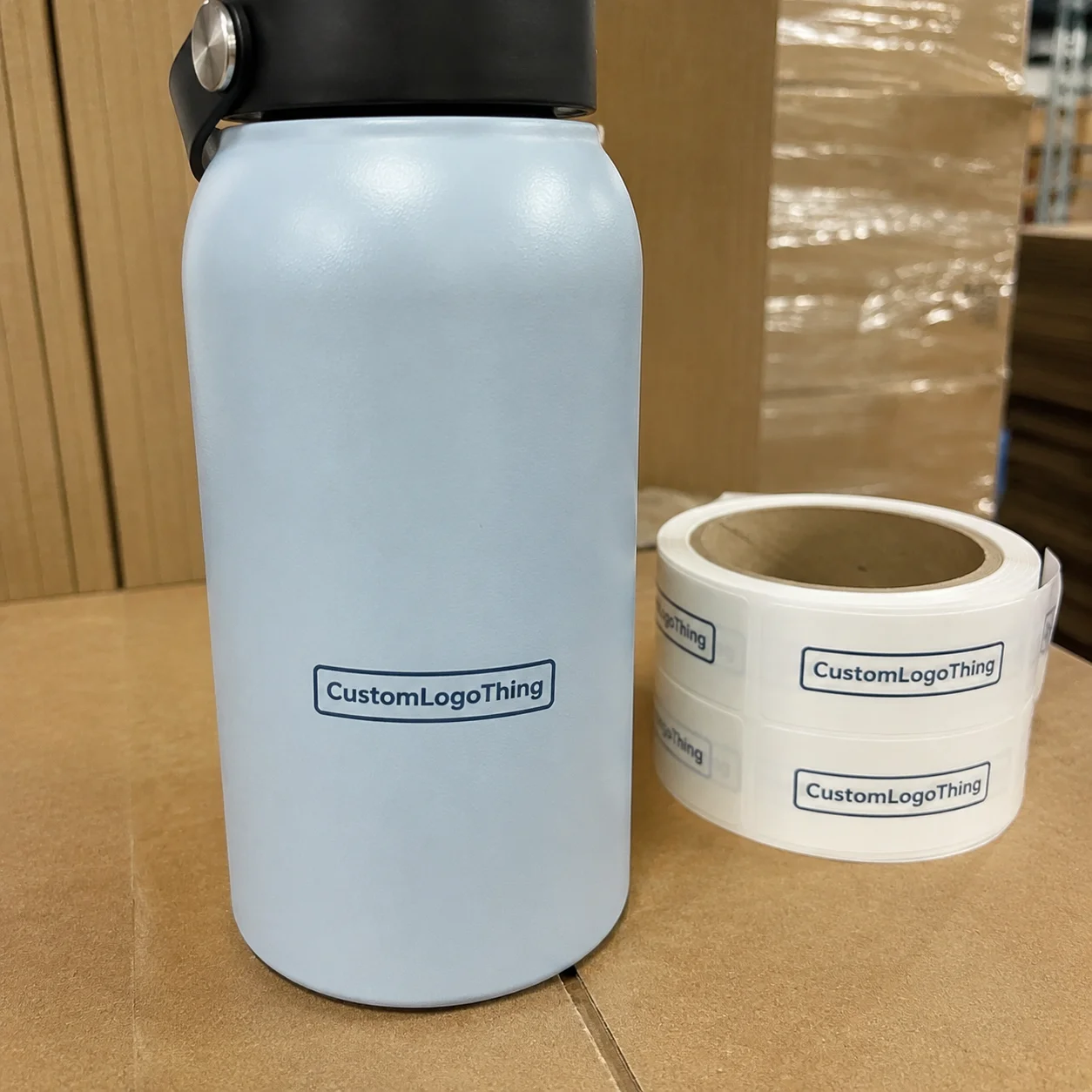
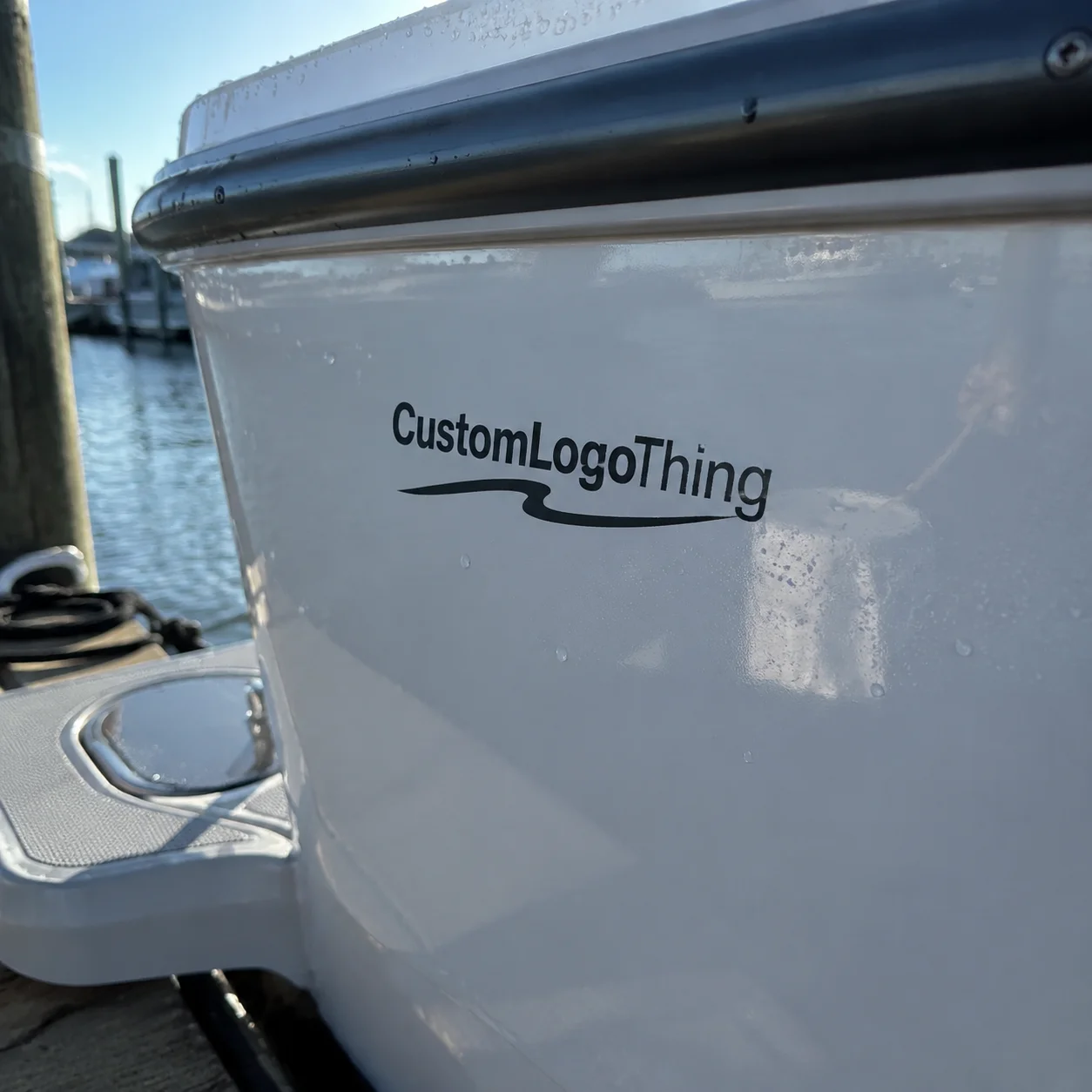
Sticker material is usually the first fork in the road. Paper stickers are cost-efficient for short-term indoor use: bakery seals, event name tags, product inserts, retail price promotions, or loyalty cards. They are not built for rain, dishwashers, oily hands, or long outdoor exposure. Vinyl stickers cost more, but they resist moisture and handling better. For outdoor campaigns, water bottles, cars, helmets, and toolboxes, vinyl with lamination is usually the safer specification.
Clear film creates a “no-label” look on glass jars, cosmetic tubes, or transparent packaging. It can look sharp, but ink opacity becomes a real production issue. White ink underprinting may be needed so a logo does not disappear against dark contents. Specialty stocks, including textured paper, metallic film, kraft, and holographic material, can add shelf appeal for product packaging and brand kits, though they often raise cost and proofing complexity.
Adhesive choice deserves the same scrutiny as the face stock. Permanent adhesive is designed for longer placement. Removable adhesive is better for temporary campaigns, window promotions, and seasonal retail use. Repositionable adhesive gives the customer some forgiveness during application. Freezer-grade, high-tack, and outdoor adhesives exist for harsher settings, but they should be matched to the surface rather than selected because the name sounds stronger.
Magnets have their own construction logic. Most flexible magnets use a printed face stock, coating or lamination, and a magnetic sheet backing. Thickness affects holding power, perceived quality, and mailing weight. A thin magnet may be fine for a lightweight calendar. A larger service reminder magnet may need more pull strength, especially if it is expected to hold a sheet of paper. Common flexible magnet thicknesses range from roughly 12 mil to 30 mil, with the right choice driven by size, use, and budget.
| Option | Typical Best Use | Buyer Watchout | Common Cost Impact |
|---|---|---|---|
| Paper sticker | Indoor labels, seals, short campaigns | Poor moisture resistance unless coated | Lowest unit cost on simple runs |
| Vinyl sticker | Outdoor branding, bottles, laptops, vehicles | Needs correct adhesive and lamination for harsh use | Moderate increase, often worth it for durability |
| Clear film sticker | Glass, cosmetics, premium packaging design | May need white ink for readability | Higher if white ink or tight registration is required |
| Flexible magnet | Fridges, filing cabinets, menus, service reminders | Thickness affects hold, weight, and postage | Varies by size, thickness, coating, and quantity |
Finish changes both appearance and performance. Gloss makes color pop and suits bold logos. Matte feels quieter and often fits boutique retail packaging. Soft-touch can feel premium, though fingerprints may show on darker art. UV coating or lamination protects against abrasion and moisture. A brewery bumper sticker, a bakery loyalty magnet, and a cosmetic box seal may share the same brand colors, but they should not share the same material spec.
Buyer reality check: indoor samples can flatter weak materials. Sunlight, humidity, oils, curved surfaces, and repeated handling reveal whether the specification is truly fit for the job.
For sustainability-minded buyers, material selection also ties into sourcing and end-of-life claims. If paper-based stickers are part of a broader branded packaging program, ask whether certified paper options are available and whether any claims align with standards from organizations such as the Forest Stewardship Council. Be careful with broad claims. A recyclable face stock does not automatically make the full sticker recyclable once adhesive, liner, ink, and coating are included.
Pricing, Unit Cost, and MOQ Factors Buyers Should Check
Pricing for custom stickers and magnets is shaped by more than square inches. Size, shape, material, print method, finish, order quantity, die-cut complexity, proofing, packing, shipping weight, and deadline all feed the quote. A 2-inch circle on paper is a very different job from a 5-inch waterproof die-cut vinyl sticker with matte lamination and individual backing slits.
Unit cost drops as quantity rises because setup, proofing, press calibration, cutting, and handling are spread over more pieces. A short digital run can be useful for testing, but the per-unit cost may look high. A larger run often lowers cost sharply. Then another problem appears: outdated phone numbers, retired logos, expired discounts, storage damage, and campaign leftovers that never leave the office.
Simple shapes usually cost less. Circles, squares, ovals, and rectangles cut efficiently and create less scrap. Custom Die Cuts can be excellent for recognition, but intricate outlines slow cutting, require tighter quality control, and may waste more material. Tiny points, thin tails, and narrow bridges can lift, tear, or trap dirt after handling. Dramatic mockups do not always become practical products.
MOQ, or minimum order quantity, should be treated as a planning tool. Low minimums help buyers test a campaign, sample a new product insert, or validate artwork before a wider launch. Higher runs make sense for trade shows, subscription boxes, school programs, restaurant menus, seasonal retail launches, and multi-location businesses where usage is predictable.
Realistic price ranges vary by supplier and specification, but simple paper stickers at higher quantities can land in the low cents per piece. Durable laminated vinyl stickers or shaped magnets may range from roughly $0.18 to $0.85 per unit depending on size, quantity, thickness, and packing. Very small runs can cost much more per piece because the setup work does not shrink with the order.
Ask what the quote includes. Proofing, setup, lamination, special adhesive, magnet thickness, rush production, freight, individual bagging, and separate packing by location can change the true cost. Two quotes that look close may not be comparable if one includes lamination and freight while the other excludes both.
A cost-per-use mindset helps. A slightly stronger magnet or weatherproof sticker may cost more upfront but perform better over time. If it stays flat, holds securely, and keeps the brand looking competent, the extra few cents can protect perception better than the cheapest possible spec.
Process and Timeline: From Artwork to Finished Pieces
The ordering path is straightforward when the buyer brings clarity early. Choose the product type, define the use case, confirm size and material, submit artwork, review the proof, approve production, inspect output, pack, and ship. The delays usually hide in unclear files, late approvals, and last-minute stakeholder changes.
Vector files are preferred for logos, text, and cut lines. AI, EPS, and print-ready PDF files usually give the production team cleaner edges and more control. High-resolution raster files such as PNG, TIFF, or PSD can work for image-heavy designs, but they need enough resolution at final size. A 300 DPI file at actual print size is a common baseline for many small-format jobs, though specific requirements depend on the print method.
Bleed and safe margin matter. Bleed extends artwork beyond the cut edge, often by about 0.125 inch, so tiny cutting shifts do not leave white slivers. Safe margin keeps text, QR codes, phone numbers, and legal copy away from the trim line. Cut paths should be clearly named and built as vector outlines for custom shapes.
Proofing is not decoration. A digital proof confirms layout, spelling, color callouts, cut shape, size, quantity, and sometimes finish. Physical proofs are useful for higher-stakes launches, color-sensitive brand systems, or new materials, but they add time. If a launch depends on exact package branding across labels, stickers, Custom Printed Boxes, and inserts, a sample can prevent an expensive mismatch later.
Production usually moves through printing, coating or laminating, cutting, weeding or trimming, magnet backing application if needed, quality checks, counting, and packing. Quality control should look beyond print clarity. Check edge cuts, curl, surface scratches, adhesive transfer, magnet flatness, registration, color drift, backing slit placement, and count accuracy. Standards such as ISTA testing are more common for transport packaging than small stickers, but the underlying logic is relevant: the product should survive the handling and distribution environment it is designed for.
Timelines depend on file readiness, materials, quantity, finish, and shipping distance. Clean, standard jobs can often move through proofing and production in several business days after approval. Custom shapes, specialty films, color matching, split shipments, individual packaging, or rush requests can stretch that. For events and product launches, build in buffer time. Freight delays and internal approvals often consume more time than printing.
Step-by-Step Ordering Guide for Better Results
Start with the job-to-be-done. Is the piece meant to promote, label, seal, reward, instruct, decorate, or keep contact information visible? A sticker used as a tamper-style box seal has a different job from a laptop decal. A magnet with an emergency service number has a different job from a school fundraiser keepsake.
- Define the behavior you want. Do you want the customer to place it, save it, scan it, reorder from it, or give it away?
- Choose the format. Stickers work well for packaging, personalization, laptops, water bottles, box seals, and promotional inserts. Magnets work well for reminders, menus, calendars, service contacts, and repeat-order prompts.
- Set the size by viewing distance. A 1-inch QR code may scan on a desk insert but fail on a fridge magnet. Phone numbers need enough contrast and height to be read without squinting.
- Match materials to exposure. Indoor, outdoor, refrigerated, humid, mailed flat, handled daily, applied to curved surfaces, and placed inside retail packaging are all different conditions.
- Prepare artwork for production. Include brand colors, bleed, safe margins, outlined fonts, legible text, and a clear hierarchy.
- Test before scaling. Order samples or a smaller first run, then use customer response, reorder rates, and placement photos to refine the next batch.
From a packaging buyer’s point of view, this step often separates efficient orders from expensive revisions. If the sticker supports product packaging, review it beside the box, pouch, jar, or carton it will actually touch. If it supports a wider line of Custom Packaging Products, check whether the finish and color language match the rest of the customer experience.
One useful trick is to print a paper mockup at actual size before requesting the quote. Put it on the package, fridge, laptop, window, or sample surface. Step back three feet. If the logo, offer, phone number, or QR code fails there, production will not rescue it.
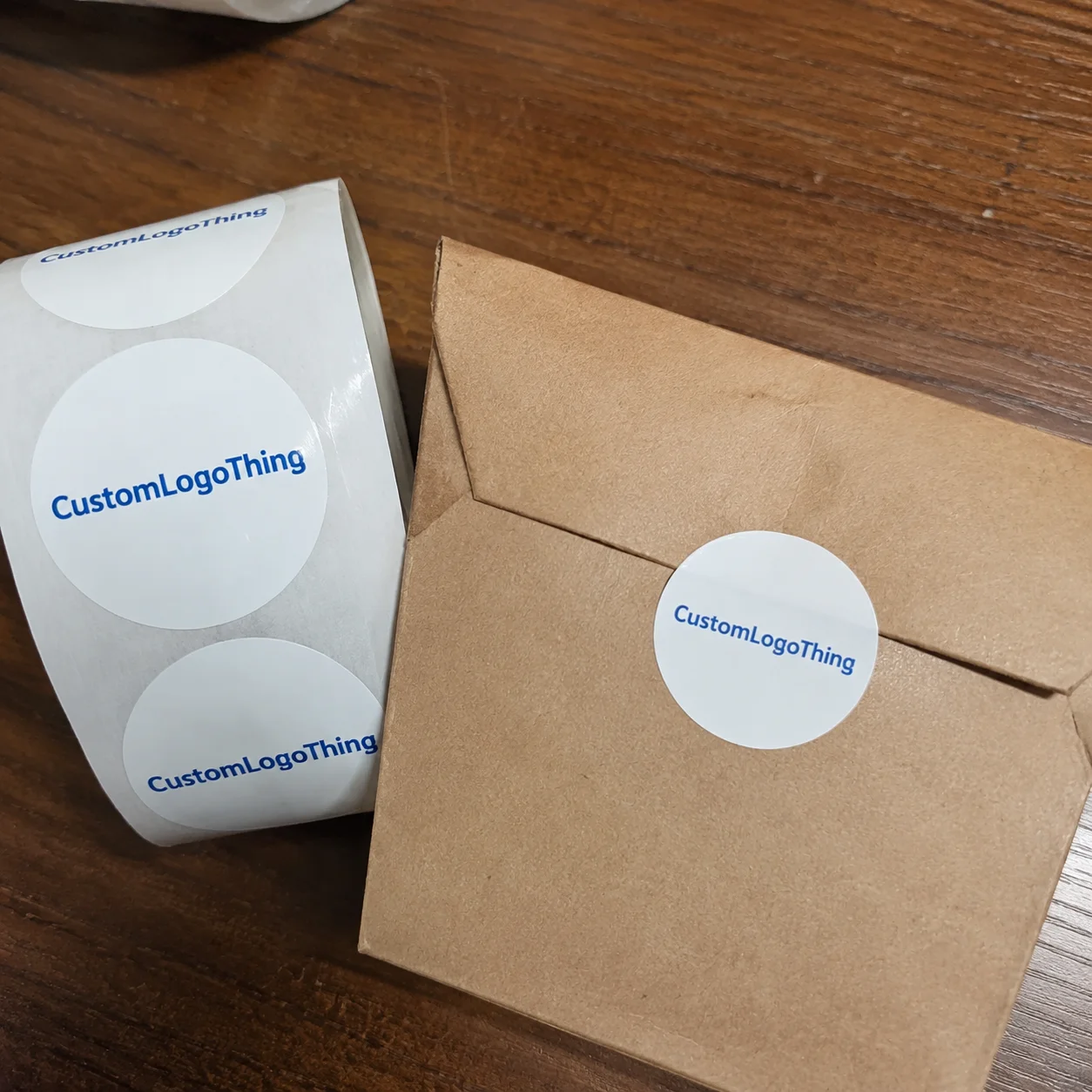
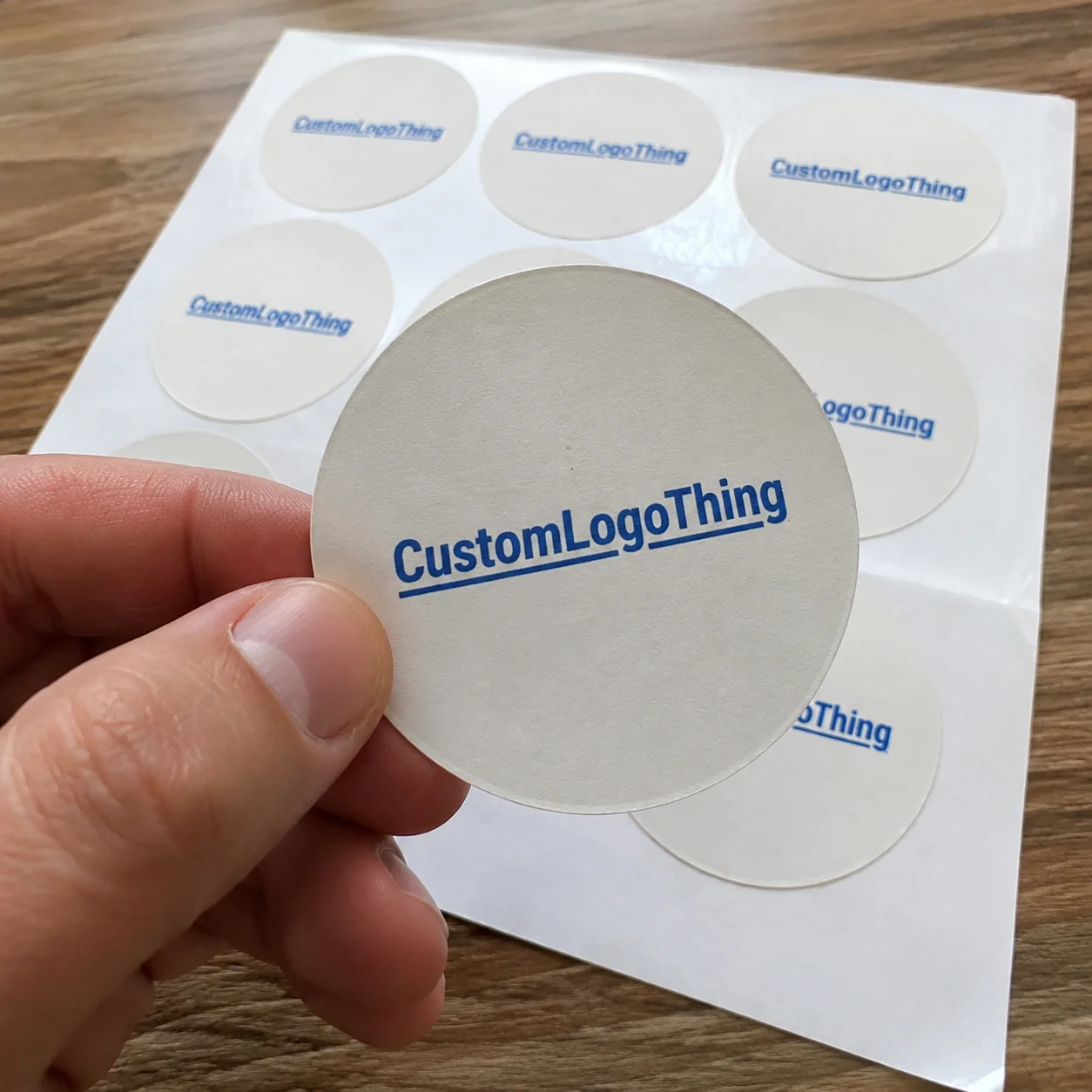
Also think about how the finished pieces will be handled. Roll labels are efficient for production lines and repeat application. Individual die-cut stickers feel better in giveaway packs. Sheeted stickers can work for kits, classrooms, and multi-design bundles. Magnets may need flat packing to prevent curl or surface marks. The cheapest format on the quote may not be cheapest once labor is counted.
Common Mistakes That Make Small Prints Look Cheap
The most common design mistake is treating stickers and magnets like shrunken posters. Small-format print needs fewer words, stronger contrast, and one obvious action or brand cue. A 2.5-inch sticker cannot carry a headline, subhead, address, three icons, four social handles, and a QR code without looking crowded.
Weak adhesives and thin magnets send a quiet signal. If a sticker curls at the edge, slides off a bottle, or leaves residue where removability was promised, the brand takes the blame. If a magnet falls from a fridge every time the door closes, customers do not think about mil thickness. They think the company went cheap.
Overcomplicated die cuts are another trap. A shape that looks clever on screen can become fragile after cutting. Narrow extensions can tear during peeling. Sharp points can lift. Fine interior cuts can collect dirt. Sometimes a simple circle with strong art beats a complex outline that nobody recognizes from more than two feet away.
Color surprises deserve more respect. Screens emit light; print reflects it. Matte, gloss, uncoated paper, clear film, metallic stock, and magnetic face materials can all shift perceived color. If exact brand color matters, give the supplier Pantone references or approved samples, and ask what tolerance is realistic for the chosen method.
Packing is easy to overlook until fulfillment starts. Loose stacks can scuff, bend, curl, or stick together. Banding in groups of 100, shrink wrapping, sleeves, or packing by campaign can make warehouse and event work faster. For multi-location retail programs, clearly labeled cartons may save more labor than the buyer expects.
The biggest operational mistake is approving artwork before someone outside the design team tests the details. Legal names, phone numbers, QR codes, barcodes, discount codes, menu prices, certification marks, and campaign dates should be checked on an actual-size proof. One wrong digit can turn a cheap print run into a costly reprint.
Next Steps Before You Request a Quote
A useful quote starts with useful inputs. Before contacting a supplier, gather the intended use, placement surface, indoor or outdoor exposure, target quantity, preferred size, shape, finish, deadline, delivery location, and packing needs. If the piece is part of a product launch, include the launch date and the date goods must be in hand, not only the event date.
Artwork assets should be ready as well. Send logo files, brand colors, fonts, previous samples, dielines if available, and any required regulatory, product, or contact information. If the sticker ties into Custom Labels & Tags, share those references so color, finish, and scale can be evaluated together.
Rank your priorities. Lowest unit cost, fastest turnaround, premium finish, weather resistance, removability, mailing weight, exact brand color matching, and retail presentation cannot all be the top priority. A buyer who says “cheap, premium, waterproof, rush, and exact color” is really asking the supplier to guess which trade-off matters least.
Ask for two or three spec options rather than one vague number. Compare paper versus vinyl, gloss versus matte lamination, or 20-mil versus 30-mil magnet stock. The side-by-side view makes cost, durability, and lead time visible. It also gives purchasing teams cleaner justification if they choose a slightly higher unit cost.
For environmental claims, be careful with language. Recyclable, compostable, FSC-certified, and reduced-plastic claims have specific meanings and limitations. The EPA recycling resources are a helpful starting point for buyers trying to separate measurable waste reduction from vague claims.
Send a clear spec list and artwork file when requesting custom stickers and magnets. Better inputs usually mean faster proofs, cleaner pricing, fewer reprints, and finished pieces that do the job they were ordered to do.
FAQs
What is the difference between custom stickers and custom magnets?
Custom stickers use adhesive to bond to packaging, bottles, laptops, vehicles, windows, or other surfaces. Custom magnets use magnetic backing to attach to metal surfaces and remain removable. Stickers usually work better for branding that should stay in place, while magnets work better for repeat reminders, contact information, menus, calendars, and service businesses. The right choice depends on surface, lifespan, customer behavior, and whether removability matters.
How much do custom stickers and magnets usually cost?
Cost depends on size, quantity, material, shape, finish, adhesive or magnet thickness, artwork complexity, packing, and shipping. Higher quantities usually reduce unit cost because setup and production time are spread across more pieces. Buyers should ask whether proofing, setup, lamination, rush service, and freight are included so quotes can be compared fairly.
What files are best for printing custom sticker and magnet artwork?
Vector files such as AI, EPS, or print-ready PDF are usually best for logos, text, and cut lines. High-resolution PNG, TIFF, or PSD files may work for image-heavy designs if they meet print resolution requirements at final size. Artwork should include bleed, safe margins, correct colors, outlined fonts, and a clear cut path for custom shapes.
Are custom stickers and magnets waterproof or weatherproof?
Some are, but not all. Durability depends on material, adhesive, coating, lamination, ink system, and exposure conditions. Vinyl stickers with protective lamination are typically better for outdoor or wet environments than paper stickers. Magnets used outdoors need suitable thickness, coating, and surface compatibility, especially for vehicles or humid locations.
How long does it take to produce custom stickers and magnets?
Timeline depends on artwork readiness, proof approval speed, quantity, material availability, special finishes, custom cutting, packing, and shipping distance. Clean files and quick approval can shorten the process. Revisions, physical samples, rush requests, or split shipments can add time, so buyers should build in buffer for events or launches.