A sticker looks harmless until it fails. Then the problem is suddenly public: a label curling on a jar, a decal fading on a cooler, a QR code that will not scan, a mailer seal popping open before delivery. Small format, outsized consequences.
That is why custom stickers salt lake city buyers should treat an order less like a quick print errand and more like a compact packaging decision. Ink, adhesive, material, finish, surface, deadline, and storage conditions all matter. A sticker has to survive its actual life, not just look good in a digital proof.
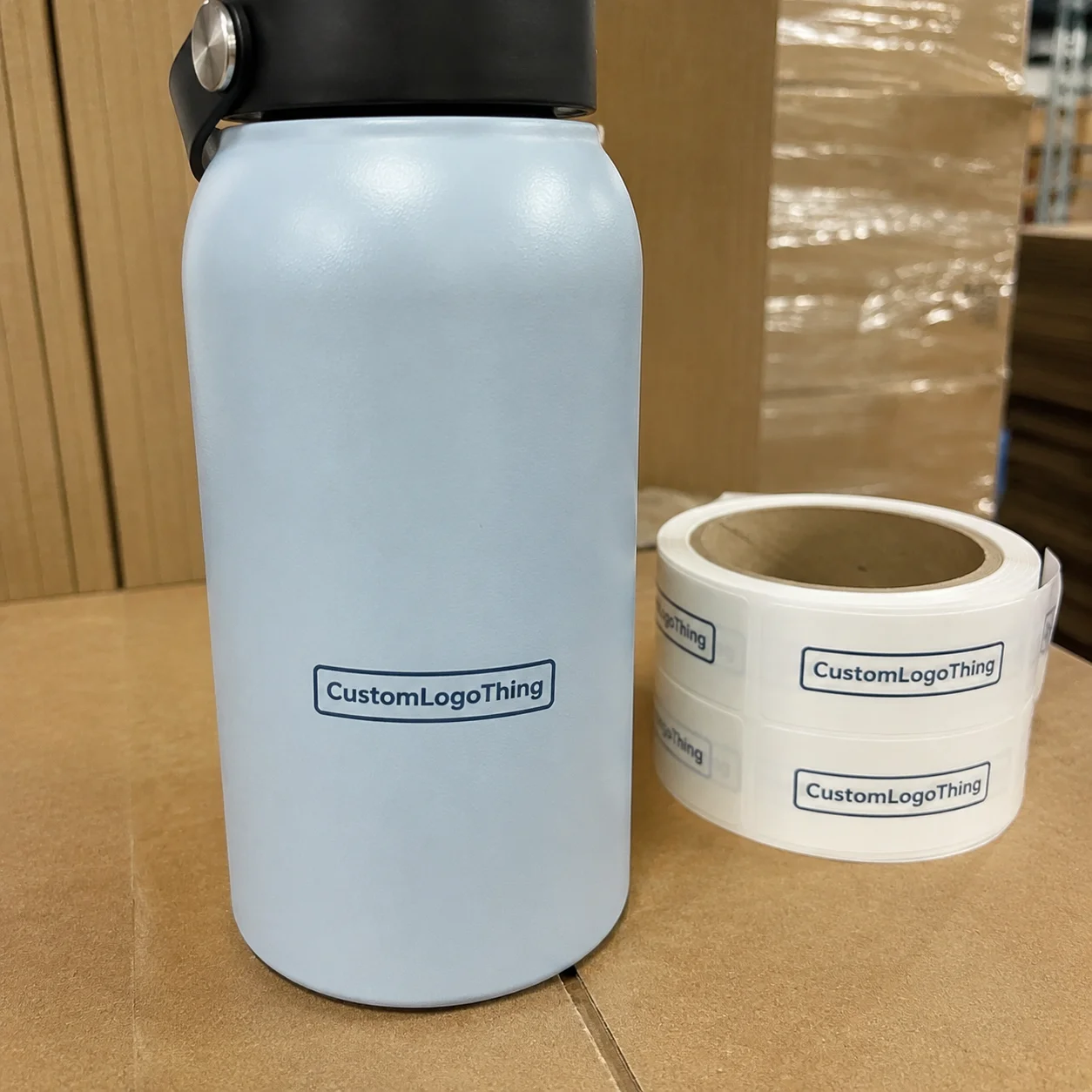
Think about the range of local use cases: a coffee roaster labeling bags for a winter market, a ski shop tagging tune-up gear, a wellness brand applying labels to small jars, an outdoor company handing out decals for roof boxes and water bottles. Those stickers may meet dry air, cold mornings, high-altitude sun, road salt, abrasion, curved containers, and hands that are not being gentle. A cheap paper sticker may look fine on screen. Two days later, in a truck cup holder, it may tell a different story.
Custom Stickers Salt Lake City: What Local Buyers Should Know First
Custom stickers are printed adhesive pieces made to match a brand’s artwork, shape, finish, and use case. The use case is the part buyers underestimate. A compostable coffee bag label and a die-cut helmet decal may both be called stickers, but they are not the same product.
Most suppliers hear the word “sticker” used for several categories. Promotional stickers are usually handouts, laptop decals, event swag, or point-of-sale freebies. Product stickers identify flavor, SKU, ingredients, price, batch, or barcode information. Packaging seals close mailers, tissue wrap, jars, bakery boxes, and retail cartons. Warning labels prioritize legibility and adhesion over personality. Event decals are often short-run and deadline-sensitive. Retail sticker sheets need backing, spacing, finish, and presentation choices that feel intentional on a peg hook or counter display.
Buyers searching for local sticker options are usually comparing more than price. They want to know what material will last, what file type to send, how proofing works, whether pickup helps the timeline, and why one quote is twice another. Fair questions. Stickers are small, but production is not automatically simple.
Local production can reduce uncertainty around proofs, urgent changes, pickup, and deadline planning. It is especially useful for events, retail launches, and short product packaging runs where one missed shipping day creates a larger problem. Proximity does not erase production time. Artwork still needs review. Materials still need to be available. Proofs still need approval. Cutting, curing, packing, and quality checks still take time.
Practical rule: decide where the sticker will live before deciding what it should look like. Surface, temperature, moisture, handling, and expected lifespan should drive the specification.
How Custom Sticker Production Works From File to Finished Roll
A typical sticker order moves through artwork review, material selection, proofing, printing, cutting, finishing, quality control, packing, and delivery or pickup. The sequence sounds routine. The delays usually hide in the file, the cut line, the adhesive choice, or the approval process.
Artwork review is the first checkpoint. A production team checks bleed, resolution, color mode, fonts, cut paths, small text, barcode readability, and file scale. For raster images, 300 dpi at final print size is a common baseline. Vector files are better for logos, type, and custom shapes because they scale cleanly. A 600-pixel social media logo stretched into a 4-inch decal will not become sharp because someone exports it as a PDF.
Bleed and safe area deserve special attention. Bleed extends artwork beyond the cut edge, commonly by about 0.125 inch, so tiny cutting movement does not leave a white rim. Safe area keeps text, borders, QR codes, and fine details away from the trim line. Designs with thin outlines, tight corners, or small reverse type need more caution than a simple round logo.
Printing method depends on quantity, material, design complexity, and finishing. Digital printing is common for short runs, multiple versions, quick samples, and flexible quantities. Larger production formats may become more efficient when the run grows or when many stickers share the same substrate and finish. A 500-count event giveaway and a 25,000-count packaging seal should not be quoted with the same assumptions.
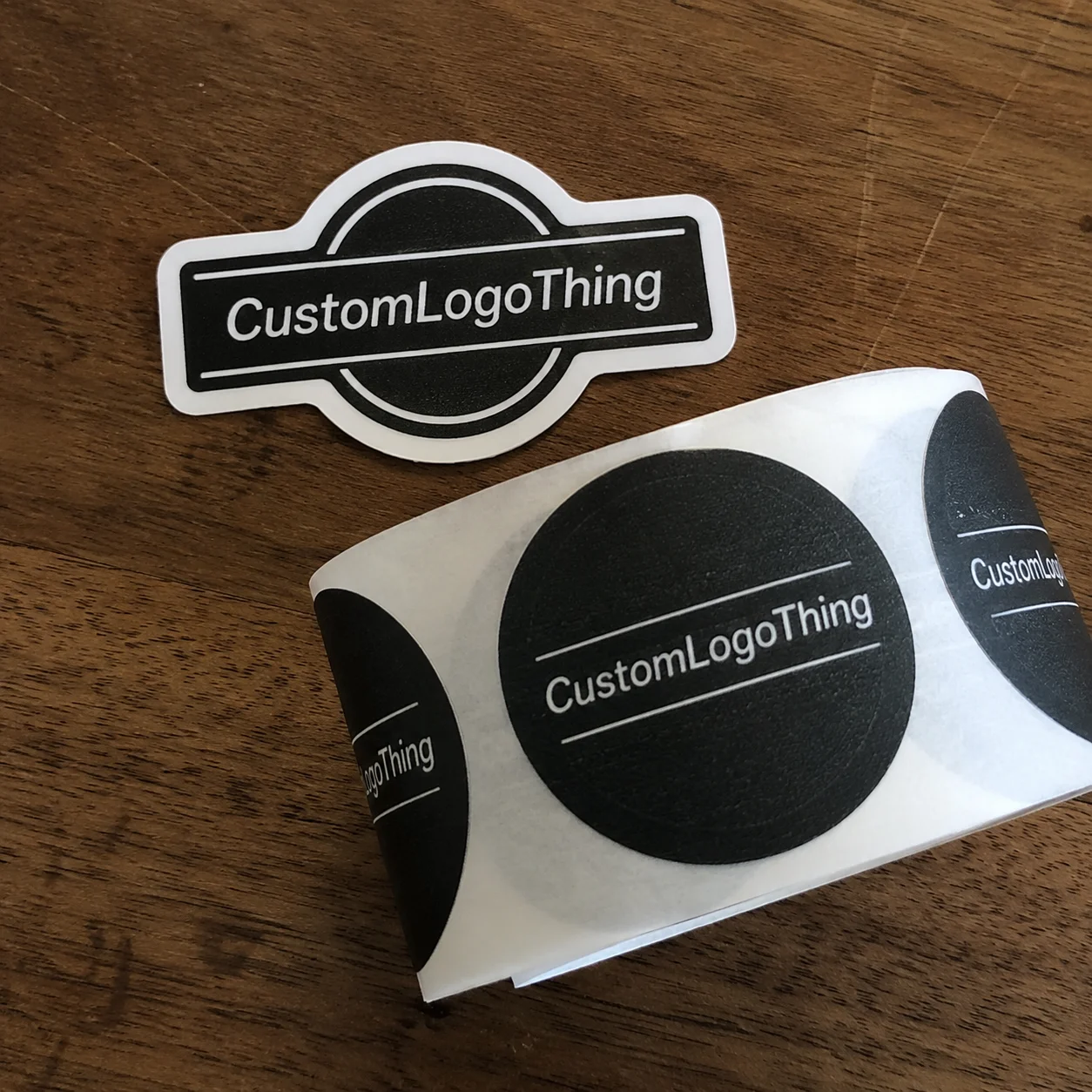
Cut style changes both cost and usability. Die-cut stickers follow the final shape through both the sticker and backing liner, creating individual pieces. Kiss-cut stickers cut only the sticker layer and leave the backing intact, which makes peeling easier and works well for sheets, giveaways, and small detailed shapes. Intricate silhouettes can look impressive on a mockup but tear during peeling if tails, points, or internal corners are too fragile.
Finishing options include gloss lamination, matte lamination, UV coating, writable finishes, waterproof films, removable adhesives, and specialty face stocks. A digital proof is enough for many routine orders. A physical sample or short test batch is Smarter for Premium retail products, outdoor exposure, unusual containers, cold storage, or high-volume runs. One wrong assumption multiplied by 10,000 stickers is not a small mistake.
Materials, Adhesives, and Finishes That Matter in Utah Conditions
Material choice is where many sticker budgets are won or lost. Paper, polypropylene, vinyl, polyester, and specialty films may all accept ink, but they do not behave the same after application. A paper label can be perfect for a dry bakery box. It can be a poor choice for a cooler, car window, ski rack, or refrigerated drink bottle.
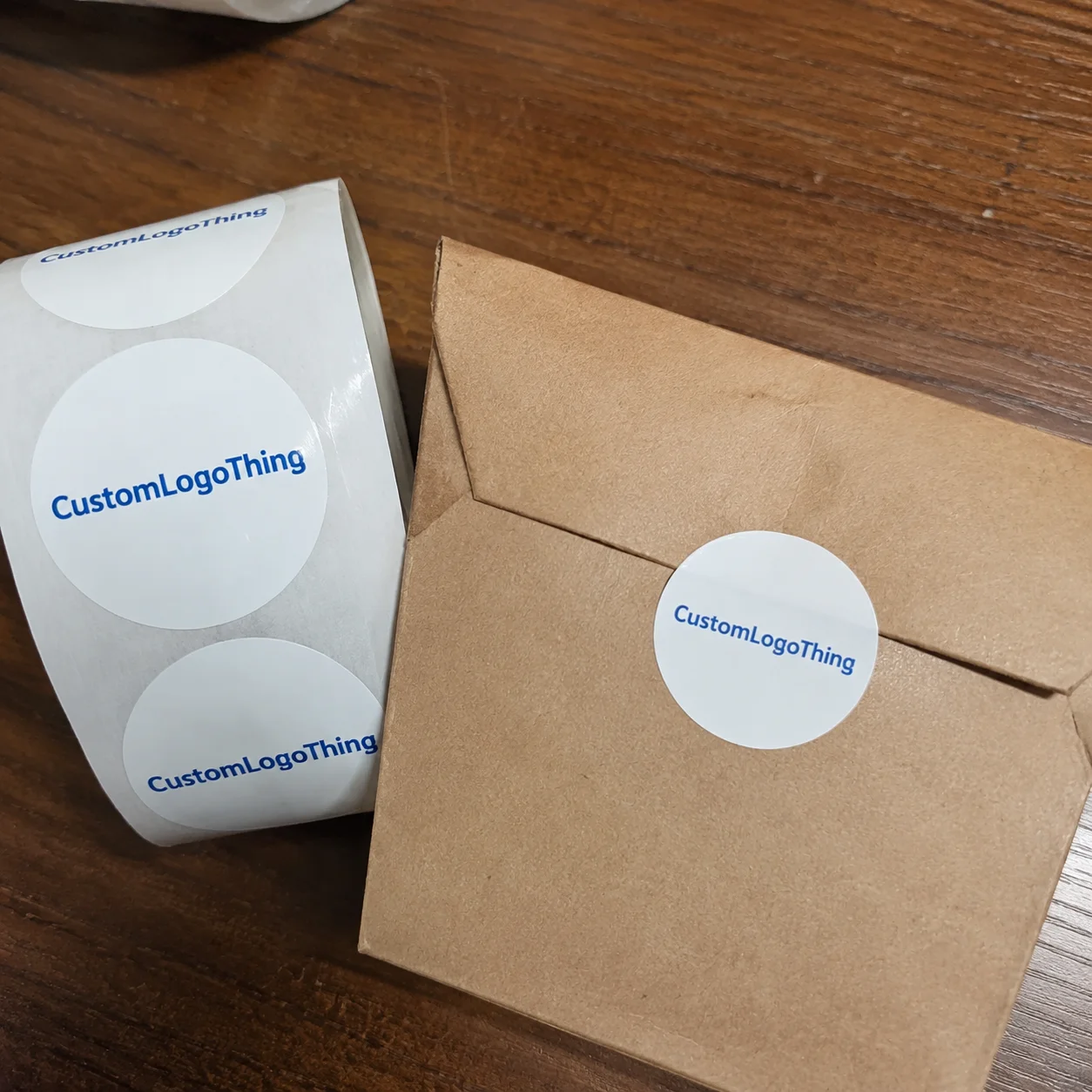
Indoor paper stickers are useful for envelopes, thank-you inserts, dry retail settings, short-term promotions, mailer seals, and some product packaging. They usually offer the lowest unit cost, especially in simple shapes on rolls. Paper also prints with a warm, tactile quality that suits craft packaging. The tradeoff is durability. Moisture, oils, abrasion, cold storage, and rough handling can cause wrinkling, scuffing, curling, or adhesive failure.
Polypropylene is common for product labels because it balances cost, moisture resistance, and print quality. It is often used for jars, bottles, personal care items, and food packaging where paper feels too vulnerable but industrial-grade durability is unnecessary. Curved or squeezable containers may still require testing because label stiffness, adhesive, and container shape interact.
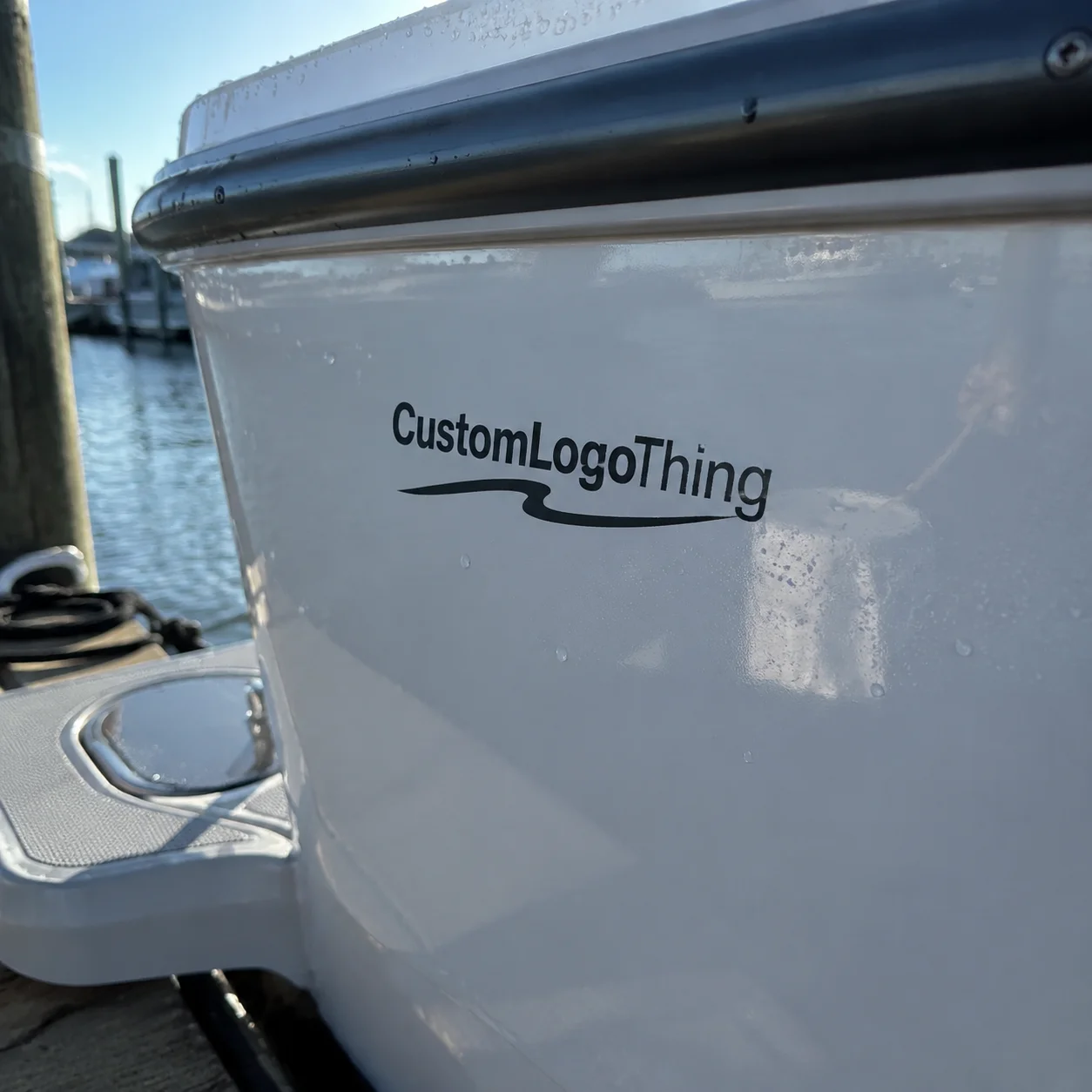
Vinyl and other weather-resistant films are better candidates for outdoor decals, vehicle windows, water bottles, helmets, coolers, storefront notices, equipment cases, and ski shop giveaways. Polyester can be stronger for demanding uses, including certain industrial labels, asset tags, and applications needing dimensional stability. It may be overbuilt for simple promotional stickers, which is why the use case should come before the material choice.
Adhesive selection matters as much as the face stock. Permanent adhesive is common for packaging and product labels. Removable adhesive helps with temporary promotions, window decals, and surfaces where residue would create a complaint. Repositionable adhesive gives applicators more forgiveness. Freezer-grade adhesive is designed for cold-chain or refrigerated products. High-tack adhesive helps on textured, low-energy, or difficult surfaces. Low-tack adhesive favors clean removal over aggressive bonding.
Salt Lake City adds specific stressors: strong sun exposure, dry air, snow, temperature swings, road salt, and a local habit of putting stickers on outdoor gear. A sticker that survives a desk drawer does not automatically survive a roof box driving up the canyon. If the sticker will be outdoors for months, ask about UV resistance, laminate, adhesive temperature range, and printed-surface protection.
Finish affects appearance and performance. Gloss looks bright and retail-forward. Matte feels quieter and reduces glare, which helps darker artwork and photography. Laminate can add scratch and moisture resistance more effectively than ink alone. Writable finishes are useful for batch codes, names, dates, and hand-applied notes, but some laminates repel pen and marker. Test before committing.
| Sticker Material | Best Uses | Typical Strength | Watchout |
|---|---|---|---|
| Paper | Dry packaging, envelopes, thank-you seals, retail bags | Low cost and strong print warmth | Weak around moisture, oils, abrasion, and cold storage |
| Polypropylene | Food jars, bottles, personal care, product packaging | Good moisture resistance at moderate cost | May need the right adhesive for curves and squeezable containers |
| Vinyl | Outdoor decals, cars, helmets, coolers, windows | Weather-resistant and flexible | Costs more than paper and may need laminate for longer exposure |
| Polyester | Durable labels, equipment tags, industrial use | Strong dimensional stability | Often more expensive and unnecessary for simple promotions |
The cheapest material can become expensive if stickers peel early, fade quickly, curl on packaging, or fail during shipping. Reprints cost more than better specs. So does explaining to a retailer why labels are lifting on the shelf.
Custom Sticker Pricing, MOQ, and Unit Cost Drivers
Sticker pricing is not one flat number. It is shaped by size, quantity, material, shape, finish, artwork complexity, production format, and deadline. A simple 2-inch paper circle on a roll is usually far cheaper than a 5-inch waterproof die-cut vinyl decal with matte laminate and individual cutting.
Unit cost usually drops as quantity increases because setup, proofing, file handling, and machine time are spread across more pieces. A small digital run may be practical at 100 or 250 pieces. Roll labels often become more attractive at higher quantities. MOQ, or minimum order quantity, is the smallest run a supplier will produce efficiently. Some suppliers support short-run digital stickers; others price more competitively once the job reaches 1,000, 2,500, or 5,000 pieces.
For planning purposes, simple paper stickers in larger quantities may land at a relatively low unit cost, sometimes only a few cents each depending on size and format. Short-run kiss-cut stickers often cost more per piece because the setup time is spread over fewer units. Laminated vinyl decals can rise sharply with larger dimensions, heavier material, and finishing time. Exact pricing depends on the supplier, equipment, artwork, and current material costs, but the cost pattern is predictable.
Buyers should collect these quote inputs before contacting a supplier: finished size, quantity, shape, material, adhesive type, finish, roll or sheet format, number of designs, deadline, and application method. Machine-applied labels may require a specific roll direction, core size, gap, label spacing, and unwind orientation. Missing that detail can turn a visually correct sticker into a production-line problem.
| Example Order | Likely Format | Relative Unit Cost | Why It Changes |
|---|---|---|---|
| 2-inch paper circle, 5,000 pieces | Roll | Low | Simple shape, efficient material, easy finishing |
| 3-inch kiss-cut logo, 500 pieces | Sheets | Medium | Short run, proofing overhead, custom cut path |
| 5-inch laminated vinyl decal, 1,000 pieces | Singles or sheets | Higher | Durable film, laminate, larger print area, finishing time |
| Multiple SKU product labels, 10 designs | Rolls | Variable | Versioning, proofing, batching, inventory planning |
Compare total project cost, not only unit cost. Local pickup, faster proof review, fewer reprints, and better fit for the application can save real money. If the order supports a launch, wholesale delivery, event, or Custom Printed Boxes arriving on a tight schedule, the lowest unit price may not be the safest decision.
Step-by-Step Guide to Ordering Stickers Without Rework
Start with the use case before the artwork. Is the sticker for product packaging, a retail giveaway, an event badge, a window decal, a warehouse label, a shipping seal, or an outdoor promotion? One design can be adapted to several uses. One sticker specification rarely serves all of them well.
- Measure the actual surface. Do not rely on a screen mockup. Check curves, seams, lids, label panels, flap widths, and the space needed for fingers during application.
- Select size and shape. A 1.5-inch seal may work on tissue wrap but feel tiny on a mailer. A 4-inch decal may look great on a laptop but overwhelm a jar lid.
- Choose material and adhesive. Match the sticker to its environment: dry shelf, freezer, window, vehicle, water bottle, mailer, textured surface, or flexible pouch.
- Prepare artwork correctly. Send vector logos where possible, outline fonts, use high-resolution images, include bleed, keep safe margins, and mark the cut path clearly.
- Request and inspect the proof. Check spelling, dimensions, barcode readability, color expectations, edge spacing, orientation, and whether the shape matches the application.
- Confirm production format. Rolls, sheets, singles, kiss-cut sheets, and individually cut decals all change storage, application speed, packing, and distribution.
- Approve only after logistics are clear. Confirm deadline, pickup or shipping plan, payment terms, and whether future reorders will use the same saved file.
Proof review should feel slightly suspicious. That is a compliment. Read every character, including punctuation, warning text, QR codes, net weights, social handles, and batch fields. Scan barcodes at printed size if they matter. If brand color is critical, provide Pantone references or a previous approved sample. Screens emit light; printed ink reflects it. The two will not match perfectly without controlled expectations.
Quality control should cover more than a quick glance at the top sheet. Useful checks include registration, cut alignment, edge cleanliness, laminate adhesion, obvious banding, scuffs, missing pieces, color consistency, roll direction, and count accuracy. For stickers that will be hand-applied, peel a sample. For stickers that will be machine-applied, verify roll specifications before the job ships.
For brands building a wider packaging system, stickers should coordinate with cartons, mailers, inserts, tissue, and labels. If you are aligning stickers with Custom Labels & Tags, keep the same logo file, color references, and finish logic where practical. Consistency reduces proofing friction and makes the full package feel deliberate rather than assembled from separate decisions.
Standards can help frame expectations. For distribution testing, many packaging teams reference ISTA procedures to understand transit stresses. Sticker-specific testing may be simpler, but the mindset is the same: test the package as used, not as imagined on a monitor.
Common Sticker Ordering Mistakes That Delay Local Jobs
The most common mistake is sending low-resolution artwork pulled from a website or social profile and expecting it to print cleanly at a larger size. Web images are often compressed for speed, not built for print. A logo that looks acceptable at 200 pixels wide on a phone can look rough on a 3-inch die-cut sticker.
Missing bleed is another repeat offender. Full-bleed photos, solid color backgrounds, and irregular shapes need extra image area beyond the cut line. Without it, even a well-run job can show edge problems.
Material mismatch delays orders too. Paper is not the right default for wet, cold, oily, or heavily handled environments. A refrigerated beverage, frozen product, helmet decal, and mailer seal all ask different things from the adhesive. Buyers ordering custom stickers salt lake city for outdoor recreation should be especially careful here; gear stickers live rough lives.
Size judgment causes subtler failures. A sticker can look readable on a monitor and still be too small on a jar lid, mailer flap, ski helmet, or corrugated shipper. Print a paper mockup at 100% scale and place it on the actual surface. It takes five minutes. It can prevent a full reorder.
Color expectations also create friction. RGB screens can show bright blues, greens, and oranges that CMYK printing may not reproduce exactly. If color matters for package branding, use Pantone references, printed samples, or a supplier-managed color target. For regulated labels or retail packaging, confirm contrast and readability, not only aesthetics.
Deadlines need honesty. The production clock usually starts after final proof approval, not after the first quote request. Late approvals, artwork changes after approval, specialty materials, laminates, and multi-version orders can all add time. A simple sticker may move in a few business days after approval. A complex order can take longer, especially if material needs to be ordered or the job requires a physical proof.
Application mistakes can make a good sticker look defective. Dusty surfaces, cold surfaces, curved containers, oily packaging, textured stock, and rushed hand application can cause peeling, bubbles, or edge lift. For applied packaging runs, create a small application guide: clean surface, correct temperature, firm pressure, and enough dwell time before packing or shipping.
What to Prepare Before You Request a Sticker Quote
Before requesting pricing, gather the information a production team needs to quote the job accurately. The cleaner the brief, the fewer assumptions. The fewer assumptions, the lower the odds of rework.
- Finished size: width and height in inches, measured from the real application area.
- Quantity: include at least two tiers, such as 500 and 1,000 pieces, to see where the unit cost changes.
- Artwork file: AI, EPS, or print-ready PDF for logos and cut paths; high-resolution TIFF or PNG for image-heavy designs.
- Use environment: indoor, outdoor, freezer, refrigerated, wet, handled, mailed, or retail shelf.
- Surface type: glass, metal, coated paper, corrugated, plastic, pouch film, textured stock, or curved container.
- Finish: gloss, matte, laminate, writable, UV coating, or no coating.
- Deadline and delivery: proof approval date, in-hand date, pickup preference, or shipping address.
Order a small test batch or physical proof when the sticker will be used on premium products, outdoor gear, curved containers, refrigerated packaging, or high-value retail packaging. Testing is not overkill if the label protects a launch. It is cheaper than replacing stickers on finished goods.
Prepare two or three quantity options. Many sticker buyers are surprised when the jump from 500 to 1,000 pieces changes the unit cost enough to justify the larger run. Not always. Material, format, and design count can interrupt the pattern. Still, seeing the tiers gives you better purchasing control.
Create a simple reorder record once the first job is approved. Store file names, dimensions, material notes, adhesive type, finish, proof date, supplier quote, and approved quantity. If your sticker supports a broader system of Custom Packaging Products, keep those records together with carton, insert, and label specs. Reorders move faster when nobody has to reconstruct the original decision from memory.
Ask for technical input if the adhesive is uncertain, the substrate is unusual, the sticker faces outdoor exposure, the barcode must scan, the item touches food packaging, or the order includes multiple versions. Regulatory and sustainability questions may also affect packaging choices; the EPA’s sustainable materials management resources are useful background for teams thinking beyond the sticker alone.
A strong sticker order is specific. Size, quantity, artwork, surface, environment, finish, format, deadline, and application method should be clear before pricing begins. That is how buyers get useful quotes instead of vague estimates. More importantly, it is how a small printed piece does its quiet job: sticking where it should, reading correctly, and making the product look finished.
FAQs
How much do custom stickers in Salt Lake City usually cost?
Cost depends on size, quantity, material, adhesive, finish, shape, and deadline rather than location alone. Simple paper stickers in larger quantities usually have the lowest unit cost, while waterproof die-Cut Vinyl Stickers with laminate cost more. Ask for at least two quantity tiers because the unit cost often drops as the run size increases.
What is the best material for Salt Lake City custom stickers used outdoors?
Weather-resistant vinyl or durable film is usually better than paper for outdoor use. Add gloss or matte laminate when stickers need extra protection from sun, moisture, scratches, snow, or repeated handling. Tell the supplier whether the sticker will go on a vehicle, window, bottle, helmet, cooler, or equipment case.
How long does local sticker production take after proof approval?
Standard turnaround depends on order complexity, current production load, material availability, and finishing needs. Simple digital sticker jobs can move faster than specialty materials, large runs, multiple designs, or laminated die-cut decals. The clock usually starts after final proof approval, not when the first quote request is sent.
Can I order custom stickers near Salt Lake City with multiple designs?
Yes, but multiple designs can affect setup, proofing time, batching, and pricing. Keep sizes, materials, and finishes consistent when possible to simplify production and reduce cost. Name artwork files clearly and provide a quantity breakdown for each design.
What files should I send for custom sticker printing?
Vector files such as AI, EPS, or print-ready PDF are usually best for logos, text, and custom cut shapes. High-resolution PNG or TIFF files may work for image-based designs if they are sized correctly for print. Include bleed, safe margins, outlined fonts, and a clearly marked cut line for die-cut or kiss-cut stickers.