Buyer Fit Snapshot
| Best fit | Custom Sustainable Carton Sleeves projects where brand print, material claims, artwork control, MOQ, and repeat-order consistency need to be specified before quoting. |
|---|---|
| Quote inputs | Share finished size, material target, print colors, finish, packing count, annual reorder estimate, ship-to region, and any compliance wording. |
| Proofing check | Approve dieline scale, logo placement, barcode or warning zones, color tolerance, closure strength, and carton packing before bulk production. |
| Main risk | Vague material claims, crowded artwork, missing packing details, or unclear freight terms can make a low unit price expensive after revisions. |
Fast answer: Custom Sustainable Carton Sleeves: Board, Finish, Dieline, and Unit Cost should be specified like a repeatable production item. The safest quote records material, print method, finish, artwork proof, packing count, and reorder notes in one written spec.
Production checks before approval
Compare the actual filled-product size with the drawing, then confirm tolerance on folds, seals, hang holes, label areas, and retail display edges. Reserve space for logos, QR codes, warning copy, and material claims before decorative graphics fill the panel.
Quote comparison points
Review material grade, print process, finish, sampling route, tooling charges, carton quantity, and freight assumptions side by side. A quote is only useful when the supplier can repeat the same color, closure quality, and packing count on the next order.
Custom Sustainable Carton Sleeves: What Buyers Need to Know
Custom Sustainable Carton sleeves sound simple until procurement, design, and sustainability all sit down with the same sample. One team wants less material. Another wants stronger shelf impact. A third wants the quote to stay put after approval. That is usually where the friction starts, because “sustainable” can mean recycled board, FSC-certified stock, recyclable construction, lower ink coverage, or all of the above. In real production, custom sustainable carton sleeves often do the job of a full carton with far less board, which is why they keep beating the old habit of “just make the box bigger.”
From a buyer’s point of view, custom sustainable carton sleeves make sense when the product already has a primary container and the outer pack only needs to do the visible work. Cosmetics, supplements, food, and promotional kits are obvious examples, but the same logic shows up anywhere retail packaging has to look intentional without carrying the whole structural load. A sleeve can do a lot with very little. That is the appeal. It is also why brands often come back to it after trying heavier formats that ship worse, cost more, and add material nobody truly needed.
The material choice is not decorative. Custom sustainable carton sleeves are paperboard wraps, which means the board, coating, glue, ink load, and local recycling rules all shape the final environmental profile. A sleeve only earns the sustainability label if the construction fits the recycling stream and the finish choices do not undermine the claim. The EPA’s recycling basics are a plain-language reference point if you want a practical check on how packaging is typically handled: EPA recycling basics.
Custom sustainable carton sleeves: what they are and why they matter
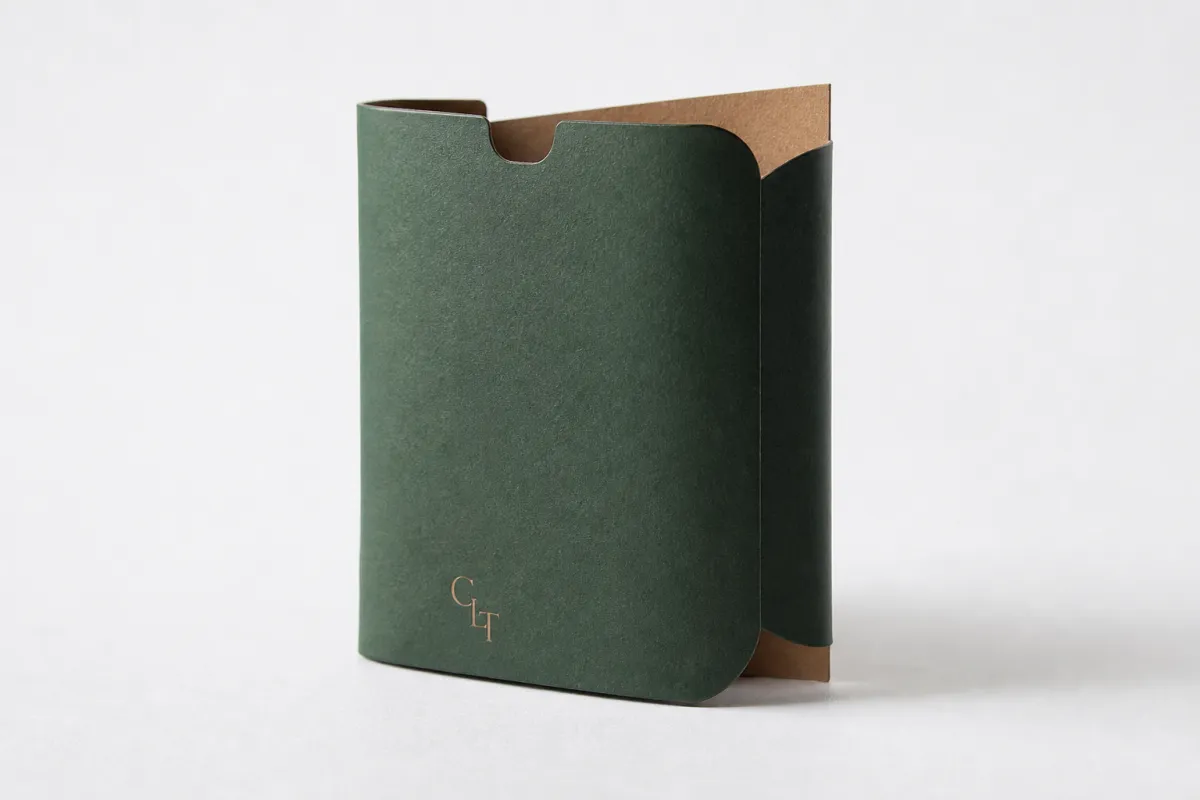
Custom sustainable carton sleeves are printed wraparound layers that slide over a bottle, jar, tray, pouch, or secondary carton. They add branding, product information, and shelf visibility without forcing the package into a full box structure. That matters more than it sounds. A sleeve can make a product look finished while keeping the structural load where it already belongs: in the primary container or tray. For brands that sell practical products but still need a polished face on shelf, that is a useful middle ground.
The best sleeves do three jobs at once. They carry branding, help differentiate SKUs, and can add a light tamper cue or closure point. That combination is one reason custom sustainable carton sleeves show up so often in beauty, food, wellness, and gift packaging. A well-fitted sleeve can make a simple jar or pouch read like retail packaging with intent, not a plain container that got dressed at the last minute. There is a visual economy to that. The sleeve uses the least possible material to create the strongest possible first impression.
Material efficiency is only half the story. If the product does not need stacking strength or crush protection from the outer wrap, custom sustainable carton sleeves can reduce board usage more than a full folding carton would. Less material is useful. A cleaner recycling path is better. The real win happens when both line up. Recyclable paperboard, moderate ink coverage, and a finish that does not introduce unnecessary plastic are the details that keep the package aligned with the claim. FSC explains chain-of-custody standards clearly at fsc.org.
Too many sustainability claims are written like a brand mood board. Pretty word, vague promise, no proof. That approach falls apart the first time a procurement team asks about coating, adhesive, or local recovery rules. Custom sustainable carton sleeves have to survive the shelf test and the bin test. If either one fails, the packaging story gets expensive fast.
“A sleeve is only sustainable when the material, coating, adhesive, and recycling path all point in the same direction. If they do not, the label is doing more work than the package.”
For brands comparing outer formats, custom sustainable carton sleeves often sit in the sweet spot between basic packaging and overbuilt cartons. They are strong enough to support a launch, a seasonal refresh, or a shelf reset, but not so material-heavy that they become their own problem. If you are comparing adjacent formats, our Custom Packaging Products page is a useful place to compare options before you lock the structure.
That is the practical value here. Custom sustainable carton sleeves are not a theory exercise. They are a production choice for brands that care about shelf impact, shipping efficiency, and material discipline in the same program. When the product already has structure, a sleeve can carry the outside job without pretending to be a box it does not need to be.
How custom sustainable carton sleeves work: process and timeline
Custom sustainable carton sleeves move through a fixed production sequence, and the jobs that stay on schedule are usually the ones where the buyer respects that sequence. It starts with sizing, then dieline creation, artwork setup, sampling, proof approval, printing, die-cutting, scoring, finishing, and packing. Skip one step or change the file midstream and the timeline stretches. Packaging has a way of punishing optimism.
Simple digital prototypes can move quickly. If the dimensions are final and the artwork is ready, a proof may come back in 2-4 business days, with a sample following in another 3-7 business days. Production timing is longer. Short runs can often finish in roughly 7-12 business days after approval. Offset work, special finishes, and more complex handling usually land closer to 3-5 weeks. That is not a marketing number. It is the part buyers actually have to schedule around.
The delays are usually ordinary. Unclear measurements. Late logo changes. Barcode files that are not print-ready. Legal text that arrives after the proof. Approvals that sit in someone’s inbox until everybody else starts asking questions. With custom sustainable carton sleeves, even a 2 mm fit problem can create slipping, wrinkling, or a sleeve that reads loose on shelf. That is not a design flourish. That is a measurement error.
Experienced buyers build time into the schedule because sleeves rarely get better under pressure. If the package has to launch with the product shipment, there needs to be room for proofing and at least one correction cycle. Cutting that margin is how custom sustainable carton sleeves become a last-minute compromise. Last-minute compromise is expensive in packaging because every rushed decision tends to compound the next one.
What changes the timeline
Standard board, standard print, and simple folds are the fastest route. Add soft-touch lamination, foil, embossing, spot UV, unusual die shapes, or heavy ink coverage, and every extra step adds handling and a chance for rework. That does not mean premium finishes are off the table. It means custom sustainable carton sleeves with decorative treatments should be scheduled like premium work instead of being treated like a label run.
A practical planning rule helps. For custom sustainable carton sleeves tied to a launch, sampling should start at least 3-4 weeks before the packaging needs to reach the warehouse. If the design uses a special finish or unusual structure, 5-6 weeks is safer. Seasonal launches need even more cushion because one missed approval can erase the whole selling window. Packaging deadlines are often less forgiving than the product deadlines they support.
One of the fastest ways to test a supplier’s planning discipline is to ask for milestones in writing. A meaningful answer breaks the project into proofing, sample approval, tooling, print, finishing, and freight. A vague answer throws one cheerful date at the whole job and hopes nobody notices the missing pieces. That same supplier should also be able to tell you whether the sleeve build is closer to standard folded paperboard or closer to Custom Printed Boxes in production complexity. That distinction affects both timing and cost.
One more thing slows these projects down: the product itself keeps changing. If the bottle, jar, tray, or pouch size is still in motion, the sleeve should not be in print. Final dimensions come first. Artwork comes second. Anything else is a shortcut to a reprint, and reprints are where a packaging budget starts leaking in ways nobody notices until the invoice lands.
Key factors that affect performance, sustainability, and shelf appeal
Custom sustainable carton sleeves are only as good as the spec behind them. Material choice is the starting point. Recycled content, FSC-certified paperboard, virgin fiber, and board thickness all change the look, feel, strength, print quality, and recyclability. The lightest option is not always the right one. A sleeve that bows, crushes, or scuffs before it reaches the shelf does more damage to the brand than a slightly heavier board ever would.
For many custom sustainable carton sleeves, board thickness typically falls somewhere in the 14pt to 24pt range, depending on product weight and the level of protection needed. A small cosmetic tube can often use a thinner stock than a multi-pack food sleeve or a wrap that has to bridge over a tray. Fit matters more than people expect. A sleeve that slides around reads as cheap long before anyone has read the copy on the front panel.
Print and coating deserve the same scrutiny. Water-based inks, low-coverage art, matte finishes, and unlaminated builds usually improve sustainability. Heavy ink coverage, plastic film, and thick varnish layers can complicate recycling or at least make the package harder to explain honestly. If the marketing line says custom sustainable carton sleeves and the finish says plastic-heavy wrap, buyers notice. Procurement notices too, and they tend to be less generous than brand teams about creative language.
The shelf side is equally important. A sleeve can create a premium retail look with very little material, but only if the layout uses that space with discipline. White space is not wasted space. It often lowers ink load, improves legibility, and gives the package a more considered feel. That matters on small packs where clutter turns into noise quickly. In packaging, restraint can do more for perceived quality than another layer of decoration.
Compliance becomes more visible when a brand sells across regions. Recyclability claims, food-contact guidance, and local collection systems are not identical from market to market. A sleeve that is handled one way in one region may be treated differently in another. Food, supplement, and cosmetic packaging may also need tighter review around ink and coating selection. If you are buying custom sustainable carton sleeves for regulated product packaging, ask for exact material data instead of relying on an “eco-friendly” line in the quote.
The honest version is simple. Custom sustainable carton sleeves are sustainable only when the parts add up. The board should match the product, the finish should avoid unnecessary plastic, and the claim should match the end-of-life path. If the product needs a stronger exterior than a sleeve can reasonably provide, then the right answer is a different structure. Sustainability is not a sticker. It is a stack of decisions made before the order is placed.
- Best material fit: 14pt-24pt paperboard, depending on product weight and the look you want.
- Common print choices: digital for shorter runs, offset for larger volumes and better economics at scale.
- Finish choices that stay simpler: aqueous coating, matte varnish, unlaminated board.
- Features to question: plastic film, heavy foil, overbuilt embellishment, and broad coverage that adds cost without adding value.
So yes, custom sustainable carton sleeves can be attractive and responsible at the same time. They stay that way when the material and finish choices are made for actual use, not for a presentation slide.
Custom sustainable carton sleeves cost, pricing, MOQ, and quote basics
Cost is where custom sustainable carton sleeves become very concrete. Unit price depends on sleeve size, paperboard grade, print method, number of colors, coating, die complexity, and quantity. A plain sleeve can be inexpensive. A decorated sleeve with special finishing moves into a different category quickly, and buyers are often surprised by how much one extra process step changes the number.
For rough planning, short-run custom sustainable carton sleeves may sit around $0.18-$0.45 per unit at 500-1,000 pieces, depending on size and coverage. At 5,000 pieces, a simple to moderate build may land closer to $0.08-$0.22 per unit, while larger runs can go lower if the structure is uncomplicated and the artwork does not add handling time. These are ballpark ranges, not guarantees. If a quote arrives with no questions at all, the job is probably under-scoped.
MOQ follows the print method. Digital production can support lower minimums because setup is lighter. Offset makes more sense at higher volumes where setup cost spreads across more units. There is no universal number that applies across every job. A buyer ordering 300 pieces with full coverage and specialty finishing will see a very different pricing shape than a buyer ordering 20,000 plain custom sustainable carton sleeves. Same category. Different economics.
How to read a quote
Do not compare one number and call it a decision. Check whether the quote includes dieline work, sample approval, tooling, freight, packaging, and any redesign time if the file needs correction. Cheap-looking quotes often hide those costs somewhere else. The cleanest comparison is always a shared spec sheet, especially if you are also requesting related items like custom packaging products or a matching retail packaging family.
Premium add-ons are where pricing rises faster than most teams expect. Embossing, foil, spot UV, soft-touch film, and custom windows can add appeal, but they also add steps, waste, and handling time. For custom sustainable carton sleeves, a simpler build usually wins on both sustainability and cost. That is not a moral judgment. It is a production reality.
| Option | Typical MOQ | Typical unit price | Lead time | Best use case |
|---|---|---|---|---|
| Digital short run | 250-1,000 units | $0.18-$0.45 | About 1-2 weeks after approval | Pilot launches, seasonal tests, SKU trials |
| Offset mid-volume | 2,000-10,000 units | $0.08-$0.22 | About 3-5 weeks | Established SKUs, retail rollouts, higher consistency |
| Premium finish build | 1,000-5,000 units | $0.14-$0.40+ | About 3-6 weeks | Gift sets, prestige branding, display-heavy programs |
Tiered pricing is the smartest way to see where the economics actually improve. Ask for one quote at test quantity, one at mid-volume, and one at your expected annual run. That gives you the break point and shows whether the savings are real or just theoretical. For custom sustainable carton sleeves, the cost drop can be meaningful once you pass a certain quantity, but only if the spec stays fixed.
Freight and packing should be part of the conversation from the start. A sleeve can look inexpensive until palletizing, cartons, and shipping are added back in. If the supplier is quoting custom sustainable carton sleeves for export or distributed fulfillment, logistics can move the landed cost more than a small board upgrade ever will.
Step-by-step guide to ordering the right sleeve for your product
The best way to order custom sustainable carton sleeves is to begin with the product, not the artwork. Measure the width, depth, height, closure style, and any carton or tray the sleeve needs to fit around. Guessing is a bad strategy. It is also expensive, because fit issues often show up after print approval, which is the least convenient moment to discover a mistake.
Then define the job. Is the sleeve meant for branding, tamper visibility, SKU differentiation, promo messaging, or light protection? Each purpose changes the structure and the print priorities. A sleeve built to separate five flavors on shelf may need sharper color blocking and a stronger visual cue. A sleeve meant to support premium product packaging may need quieter typography and more open space. Same format, different job.
After that, write a spec sheet before you ask for quotes. Include dimensions, quantity, target board, finish preference, shipping destination, timeline, and any sustainability requirements you want met. If you want FSC-certified board, say so. If you want no plastic lamination, say that too. Clear instructions save time and prevent the long, awkward conversation that begins with “we thought you meant…”
Ask for a prototype or printed sample before you commit to production. A sleeve that looks fine on a screen can behave differently once it is folded, wrapped, and handled. Custom sustainable carton sleeves often look more forgiving in a PDF than they do on a real product. If the package will be opened and closed repeatedly, or if it will pass through fulfillment centers, test it under actual handling conditions instead of on a desk.
Lock the artwork only after the dieline is approved. Then check barcodes, legal copy, folds, and bleed areas one more time. That extra pass catches the small errors that create reprints, and reprints are where budgets quietly disappear. If your packaging program is broader than one SKU, this is also a good point to compare sleeves with other Custom Packaging Products so you do not overbuy structure that does not earn its keep.
- Measure the product and any existing pack accurately.
- Decide what the sleeve must do on shelf and in transit.
- Write a spec sheet with exact materials and finish limits.
- Approve the dieline before final artwork lock.
- Test a sample on the real product before full production.
The sequence is boring. That is a good sign. Boring keeps custom sustainable carton sleeves on spec, on budget, and on schedule.
Common mistakes buyers make with custom sustainable carton sleeves
The first mistake is choosing a material because it sounds eco-friendly instead of checking whether it is actually printable, recyclable, and strong enough for the product. A buyer hears “recycled board” and assumes the work is done. It is not. Custom sustainable carton sleeves need a board that survives production, shipping, and shelf life, not just one that sounds responsible in a meeting.
The second mistake is ignoring fit. If the sleeve slips, wrinkles, or sits loose, the whole package feels cheap even when the artwork is strong. Packaging design is blunt that way. A 1 mm size issue can make custom sustainable carton sleeves look careless because the eye reads fit quality before it reads brand story. People notice the wobble before they notice the typography.
The third mistake is overdesigning the sleeve. Heavy ink coverage, plastic lamination, and unnecessary embellishment can weaken the sustainability story and increase cost. There is a reason some custom printed boxes feel calmer and more premium than loud ones. Restraint usually reads as confidence. That lesson applies to custom sustainable carton sleeves too, especially when the product is already doing part of the visual work.
The fourth mistake is timeline denial. Sampling, approvals, and tooling almost always take longer than the optimistic version of the schedule. Teams like fast estimates, then act surprised when the real sequence appears. If custom sustainable carton sleeves are tied to a launch date, there needs to be padding in the plan. No padding usually means panic.
The fifth mistake is comparing quotes before the spec is fixed. One supplier may be pricing 18pt SBS with aqueous coating, while another is quoting thicker board, foil, and a different die layout. Those are not equivalent offers. Without a shared spec, quote comparison turns into fake math, and fake math is a terrible way to buy product packaging.
There is a quieter mistake too: not asking how the sleeve fits into the broader packaging system. If inserts, trays, or shipper cartons are part of the program, the sleeve should support the whole line instead of competing with it. That is where packaging strategy stops being one SKU at a time. A sleeve that works with the rest of the system can simplify fulfillment and make branded packaging feel more coherent.
- Bad assumption: “Eco” means recyclable everywhere.
- Bad assumption: sleeve fit does not matter much.
- Bad assumption: premium finishes are free style points.
- Bad assumption: every supplier is quoting the same build.
Avoid those mistakes and custom sustainable carton sleeves become much easier to manage. The process is simple once the questions are asked early. The hard part is asking them before the order is already moving.
Expert tips and next steps for your first order
Keep the structure simple unless the product truly needs complexity. A cleaner sleeve usually lowers cost, shortens lead time, and improves the odds that the package can be handled responsibly. In practice, custom sustainable carton sleeves work best when they do one strong job rather than trying to be a billboard, a security device, and a luxury box all at once. That kind of overreach is expensive and usually visible from across the room.
Ask for the exact board grade, coating, and print method in writing. A vague “sustainable” description is not due diligence. You want the actual substrate, finish, and press process so you can compare suppliers without guessing. If one vendor says FSC-certified board and another says recyclable paperboard with no certification, those are not the same claim, and they should not be treated that way.
Use a short checklist for every quote request. Dimensions, quantity, artwork files, finish, shipping location, and target launch date should be listed before the request goes out. It is not glamorous, but it keeps custom sustainable carton sleeves aligned with the real job instead of drifting into nice-sounding extras nobody budgeted for. Packaging gets expensive when the spec starts wandering.
Run a small test batch if the sleeve is for a new product. One cheap mistake at pilot scale is better than a warehouse full of bad packaging. If the sleeve is for food, supplements, or anything with regulated text, test the copy and the fit before you scale. That kind of discipline is what keeps custom sustainable carton sleeves from turning into an expensive lesson.
If you are comparing sleeve builds against cartons, trays, or inserts, browse the broader Custom Packaging Products range before you lock the spec. Sometimes the better answer is not a more elaborate sleeve. Sometimes it is a simpler structure with stronger graphics and fewer steps. That is especially true for brands trying to balance retail packaging appeal with sane production economics.
The next move is straightforward: measure the product, gather artwork, shortlist suppliers, and request quotes against the same spec so you can make an actual apples-to-apples decision on custom sustainable carton sleeves. If the quote process feels tedious, that is probably a sign it is working. Packaging should be precise. Sloppy packaging is how teams end up paying for regret.
One final practical point: custom sustainable carton sleeves perform best when they fit the product, the launch plan, and the recycling reality at the same time. That is not flashy. It is simply competent packaging. And competent packaging is usually what saves money, cuts waste, and makes the brand look like it knew what it was doing from the start.
FAQs
Are custom sustainable carton sleeves recyclable?
Usually yes, if they are made from recyclable paperboard and do not use plastic lamination or hard-to-remove coatings. Local recycling rules still matter, so check the end-market collection system before making claims on the package.
What is the typical MOQ for custom sustainable carton sleeves?
MOQ depends on print method, board type, and finishing. Digital runs can start lower, while offset usually needs higher volume to make sense. Ask for pricing at multiple quantities so you can see the break point where unit cost drops.
How long does production take for custom sustainable carton sleeves?
Simple runs can move quickly, but sampling, approvals, and tooling often add time before production starts. A realistic plan usually includes extra buffer for proofing, especially if the sleeve has special finishes or exact fit requirements.
Do custom sustainable carton sleeves cost less than full cartons?
Often yes, because they use less material and simpler construction than a full rigid or folding carton. That advantage shrinks if you add premium finishes, heavy ink coverage, or very low quantities.
What information should I send to get an accurate quote for custom sustainable carton sleeves?
Send product dimensions, quantity, material preference, finish requirements, artwork status, and delivery destination. Include your target timeline and any sustainability requirement, because those two details can change the whole production plan.

