Buyer Fit Snapshot
| Best fit | Custom Two Piece Boxes Wholesale for Premium Packaging projects where brand print, material claims, artwork control, MOQ, and repeat-order consistency need to be specified before quoting. |
|---|---|
| Quote inputs | Share finished size, material target, print colors, finish, packing count, annual reorder estimate, ship-to region, and any compliance wording. |
| Proofing check | Approve dieline scale, logo placement, barcode or warning zones, color tolerance, closure strength, and carton packing before bulk production. |
| Main risk | Vague material claims, crowded artwork, missing packing details, or unclear freight terms can make a low unit price expensive after revisions. |
Fast answer: Custom Two Piece Boxes Wholesale for Premium Packaging should be specified like a repeatable production item. The safest quote records material, print method, finish, artwork proof, packing count, and reorder notes in one written spec.
Production checks before approval
Compare the actual filled-product size with the drawing, then confirm tolerance on folds, seals, hang holes, label areas, and retail display edges. Reserve space for logos, QR codes, warning copy, and material claims before decorative graphics fill the panel.
Quote comparison points
Review material grade, print process, finish, sampling route, tooling charges, carton quantity, and freight assumptions side by side. A quote is only useful when the supplier can repeat the same color, closure quality, and packing count on the next order.
Custom Two Piece Boxes Wholesale for Premium Packaging
Brands comparing custom two piece boxes wholesale for retail launches, holiday gifting, corporate kits, or subscription programs usually end up asking the same three questions: does the box fit, does it protect the product, and does the lid feel right in the hand? That simple lid-and-base format carries more weight than it first appears. It can make a product feel considered before the customer even notices the graphics, which is why this structure keeps showing up in retail packaging, branded packaging, and premium product packaging programs where presentation matters as much as protection.
The appeal is practical, not just visual. Two-piece boxes stack cleanly, photograph well, and give space for inserts, tissue, and product separation in a way many folding cartons cannot match. They also support package branding naturally because the structure itself signals care. Cosmetics, candles, apparel accessories, corporate gifts, fragrance sets, and multi-piece kits all benefit from that cue. The box starts doing part of the selling before the shopper reaches the shelf or opens the shipping carton.
Buyers working with Custom Packaging Products often need repeatability more than novelty. Once the dimensions, wrap, and insert layout are settled, the same two-piece box can carry multiple SKUs with only minor artwork changes or interior adjustments. That consistency matters when a brand is juggling seasonal launches, reorder cycles, and a wholesale calendar that leaves little room for spec drift.
Why Custom Two Piece Boxes Wholesale Can Quietly Raise Perceived Value
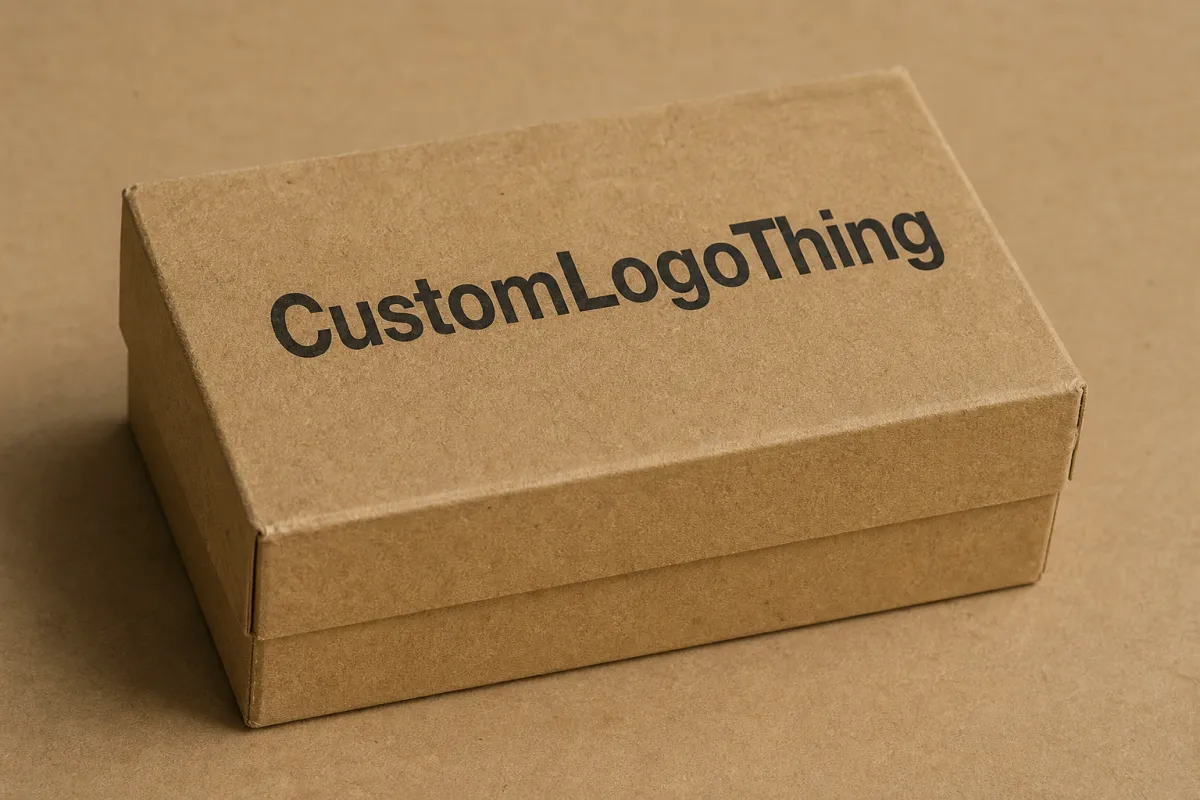
A lid-and-base box changes first impressions in a way that is difficult to fake. The product arrives in two separate pieces, the lid lifts with control rather than resistance, and the package feels built rather than rushed. That matters most for products that are small or moderate in size but still need to communicate quality, care, and gift readiness the moment they are handled.
Structure often speaks before print does. A rigid two-piece box with crisp edges, a clean wrap, and a snug closing fit feels more substantial than a folding carton, even when the design stays restrained. Thickness, surface texture, and closure behavior shape the experience as much as color. Buyers seeking custom printed boxes that do more than contain a product often choose this format because it lets the packaging carry the brand story without shouting over it.
Retail presentation matters too. Two-piece boxes create a tidy shelf footprint, especially when the lid and base are designed to stack reliably. That helps with planograms, warehouse handling, and display work where clean alignment matters. A box that stacks well, opens easily, and closes again without resistance is also the kind customers tend to keep around. The package survives past the first unboxing, which is a useful form of durability.
Practical rule: if a product needs to feel gift-ready, protected, and more valuable at the point of sale, a well-built two-piece box usually delivers that effect with less visual noise than a crowded design.
None of that happens by accident. The box specification decides the outcome. Board thickness, lid fit, insert depth, and print quality all change the final impression. A loose lid can make the package feel cheaper than it is. A base that flexes under load can undo the credibility of even the best wrap. Good packaging often looks simple because the weak points have already been removed with care.
That is one reason many brands use custom two piece boxes wholesale for corporate gifting, subscription kits, holiday sets, and luxury samples. The format gives the product a cleaner stage, and it does so without forcing heavy graphics to carry the entire presentation.
What Custom Two Piece Boxes Wholesale Includes: Structure, Style, and Finish Options
The basic construction is straightforward: a separate base and lid built to create a controlled fit. That fit can be intentionally relaxed for easy opening or more exact for a refined close, depending on the product and the customer experience you want to create. For many premium programs, the goal is not friction that fights the user; it is closure that feels accurate, stable, and repeatable from one box to the next.
Structure choices come first. A lighter paperboard version suits smaller or less fragile items and can keep costs in check. A rigid wrapped box uses denser board, often grayboard, with an outer paper wrap that gives the package more body and a stronger tactile presence. Rigid construction is common in luxury packaging because it holds shape better, supports inserts more reliably, and makes the box feel like part of the product rather than packaging left over after the fact.
Finish options add another layer of control. Matte lamination gives the box a restrained, low-glare look. Gloss heightens color and can make graphics feel sharper. Soft-touch coating adds a smooth hand-feel that many buyers associate with premium product packaging. Foil stamping, embossing, and debossing bring depth and contrast. Specialty wraps such as textured paper, linen finish, or metallic stock can shift the tone of the box without changing the structure at all.
Inserts deserve equal attention. Foam, paperboard, molded pulp, and die-cut insert systems keep items steady and help organize multi-piece sets. That matters for candles, skincare sets, fragrance components, watches, glass bottles, and apparel accessories, where movement inside the carton can cause damage or flatten the reveal. A good insert protects the product, but it also frames the opening experience. The two jobs are connected.
For brands comparing custom printed boxes across different programs, the real question is not whether a finish looks attractive in a sample book. It is whether the finish survives handling, shipping, and retail display. A soft-touch surface can scuff if packed badly. Deep embossing can look elegant but complicate tiny typography. Metallic foil can elevate the brand, though only if the artwork leaves enough room for the effect to read clearly.
The strongest two-piece box programs usually combine a few well-chosen details instead of stacking every possible effect onto one package. A clean wrap, accurate sizing, and one finish that suits the brand often do more for package branding than a crowded design with too many layers competing for attention.
Materials, Sizes, and Print Specs That Shape the Final Box
Material decisions should begin with the product, not the catalog. Weight, fragility, and shape determine how much support the box needs and how much tolerance the structure can allow. A lightweight accessory does not need the same board thickness as a glass bottle set, and a product with sharp corners needs more clearance than a soft textile item. Good packaging follows the object. It does not force the object into a generic frame and hope for the best.
For paperboard two-piece boxes, material thickness often falls around 800 to 1500 gsm, depending on the build. For rigid constructions, grayboard commonly runs from 1200 to 1800 gsm, with the wrap paper selected separately. Those numbers are not just technical trivia. They influence stiffness, edge sharpness, and the way the lid behaves after repeated opening. Thin board may save money in the quote, but if the box bows during handling, the savings disappear quickly.
Size planning matters just as much. The box should hold the product with enough space for presentation and protective padding, but not so much extra room that the item slides around. Too much empty space leads to scuffing, insert failure, and a less polished reveal. Too little space creates pressure points and makes assembly awkward. In custom packaging, the most reliable measurement is the actual product size plus the insert depth, not the rough numbers from a product listing.
Artwork requirements shape the spec too. Full coverage printing, exact brand color matching, metallic accents, and fine typography place more demands on production than a simple one-color logo. Print method matters here. Offset printing often delivers strong detail for premium runs, while digital methods can fit shorter volumes and faster proofing. If the project depends on brand-critical color, ask for a swatch match or production proof instead of trusting screen color alone. Screens are useful for approval, but they are not a color contract.
Sampling is the safest way to answer the last questions. A physical sample shows whether the lid closes cleanly, whether the insert holds the product upright, and whether the finish reads properly under normal light. It also exposes problems that are easy to miss on a dieline: a panel that needs more clearance, a corner that could lift during wrap, or a logo that sits too close to an edge.
For buyers weighing surface claims and sustainability claims, it helps to verify the details directly. If the project calls for forest-certified paper, ask for documentation and confirm it through the FSC program. That matters for brands that need packaging choices to align with procurement policies, retail expectations, or public sustainability reporting.
For teams that want a technical reference for durability and transit stress, the ISTA standards are a useful benchmark. They do not replace a custom test plan, but they do help structure shipping expectations, especially when the box is part of a mailer, kitting, or wholesale fulfillment flow.
Custom Two Piece Boxes Wholesale Pricing, MOQ, and Quote Factors
Pricing usually turns on five variables: size, board type, print coverage, finishing complexity, and quantity. Add inserts or custom window features and the number shifts again. That is why two quotes for what sounds like the same box can end up far apart once the details are pinned down. The structure is only the starting point; the wrap, the labor, and the assembly steps shape the final cost.
MOQ matters because setup costs and labor get spread across the run. A smaller order has less room to absorb dieline setup, proofing, material preparation, and hand-wrapping work, so the per-unit price rises. Larger wholesale quantities usually lower unit cost, especially on rigid builds where finishing takes time. For a launch, it is often smarter to size the first run around believable sell-through than to chase the lowest MOQ and ignore the unit economics.
Here is a practical planning range that many buyers use when reviewing custom two piece boxes wholesale quotes. These are not fixed prices, but they are useful for comparing builds on the same spec basis.
| Box Build | Best Use | Typical Feel | Planning Range per Unit | Notes |
|---|---|---|---|---|
| Printed paperboard two-piece box | Light retail items, samples, apparel accessories | Clean and efficient | $0.65-$1.25 at 1,000 units | Good for simple presentation with moderate protection |
| Rigid wrapped two-piece box | Luxury retail packaging, gift sets, premium kits | Substantial and refined | $1.60-$3.50 at 1,000 units | Board thickness, wrap choice, and lid fit have a strong impact |
| Rigid box with custom insert | Fragile goods, multi-item sets, bottle packs | Protected and organized | $2.25-$4.75 at 1,000 units | Insert material and cavity complexity change the cost quickly |
| Rigid box with foil, embossing, or specialty wrap | High-end gifting, seasonal launches, display packs | Premium and tactile | $2.75-$5.50 at 1,000 units | Useful for brands that need stronger shelf presence and photo appeal |
The most useful quote request includes exact dimensions, target quantity, board or rigid preference, finish choices, insert needs, artwork status, and shipping destination. Those details let a supplier compare apples to apples instead of pricing a vague idea. If one vendor quotes a plain wrap and another quotes a soft-touch box with a foam insert, the lower number is not automatically the better deal.
A buyer should also decide what the box is expected to do. Does it need to win shelf appeal, gift presentation, or protection during transit? The answer changes the spec. A product that lives in a boutique display case needs different treatment than one that ships direct to consumers. Experienced packaging buyers usually talk about end use first and decoration second, because the box has to perform before it can impress.
For wholesale programs, total landed value matters more than unit price alone. A slightly higher-cost box that fits better, assembles faster, and presents the product more convincingly can outperform a cheaper option that causes rejects, returns, or rework. In packaging, the lowest quote is often the most expensive choice in disguise.
Production Process and Turnaround: From Proof to Shipment
A clean production run usually follows a steady sequence. First comes the spec review, where size, construction, and print method are confirmed. Then the dieline is checked, artwork is placed, and proofs are issued for review. If the project needs it, a sample or prototype follows so the buyer can confirm the fit and finish before full production begins. After approval, the job moves into print, wrapping, assembly, inspection, packing, and shipment.
That sequence sounds simple. The details are not. If the dieline is off, the artwork shifts. If the artwork is approved too quickly, the print may miss the intended color. If the sample is skipped on a tight-tolerance product, the lid fit can miss by just enough to matter. Discipline at each stage prevents those issues from turning into rework or delay later in the schedule.
Turnaround depends on the build. Simple paperboard boxes with standard printing can move faster, sometimes in roughly 10 to 15 business days after proof approval, depending on quantity and workload. Rigid wrapped two-piece boxes, especially those with inserts, specialty paper, or foil detail, usually need more time, and 15 to 25 business days is a more realistic planning window for many projects. Larger wholesale runs, multi-location shipments, and more elaborate finishing can extend the schedule further.
Proof speed matters as much as factory speed. A shop can only move as fast as the buyer can review files and respond with approval. When files are ready, notes are specific, and decisions happen quickly, the job stays on track. When approvals sit for days, the schedule stretches even if production is ready to go.
Shipping deserves the same attention as the box build. Wholesale packaging often moves in cartons or on pallets, and freight timing can affect warehouse labor, receiving windows, and launch dates. If the project needs staged delivery, split shipments, or coordination with another supplier, that plan should be built in early instead of being solved at the dock under pressure.
For shipping stress and transit performance, testing is worth considering, especially if the box will move through distribution channels before it reaches the customer. Packaging teams often use transport standards to simulate handling, vibration, compression, or drop conditions so the finished pack is less likely to arrive damaged. That is not overengineering. It is basic risk control for product packaging that needs to look as good in the customer’s hands as it did on the sample table.
Practical takeaway: a well-managed production process cuts avoidable delay, lowers the chance of visible defects, and keeps custom packaging aligned with the launch calendar. For seasonal programs, that control is often worth more than a small discount on the unit price.
Why Choose Us for Wholesale Two Piece Box Programs
Wholesale packaging works best when the supplier understands the job beyond the quote sheet. A strong partner should help you Choose the Right construction for the product instead of steering every project toward the most expensive version. That means asking the right questions about weight, fragility, display environment, and reorder plans before recommending a build.
Clear communication matters just as much. When a buyer is managing a launch or coordinating several SKUs, it helps to know what stage the order is in, what still needs approval, and what can change without affecting the schedule. That kind of clarity reduces friction and gives the brand team confidence that the packaging will arrive ready to use, not ready to troubleshoot.
Quality control is another place where experience shows quickly. On a good run, the wraps sit flat, corners line up, inserts keep their shape, and print remains consistent from batch to batch. On a weak run, the lid drifts, the board shows at the edges, or the finish varies enough to weaken the presentation. Each issue may look small in isolation. Together, they change how the box feels the moment a customer opens it.
That is one reason many brands keep a packaging partner in place for repeat programs. Reorders are easier when the spec is already documented, the finish is already approved, and the production team knows how the box behaved last time. It also helps brands with several product lines that need similar packaging but slightly different dimensions. A family of boxes can be built with a consistent visual language so the shelf looks organized instead of pieced together.
For companies that want to browse available formats, our Wholesale Programs page is a practical place to start, especially if the packaging will be ordered in regular runs. If the project needs deeper customization, Custom Packaging Products can help narrow the structure, finish, and insert options before a quote is finalized.
The real value of a packaging partner is trust built through process discipline. You want someone who understands how board grades behave, how wrap papers crease, how print holds on different surfaces, and how a box should perform after it leaves the production table. That practical knowledge is what keeps premium packaging looking premium after it is packed, shipped, displayed, and opened.
Next Steps: What to Send for a Fast Custom Box Quote
The fastest route to a useful quote is complete information. Start with the product dimensions, including length, width, height, and any irregular shape details that affect fit. Add the target quantity, preferred material, finish ideas, insert needs, and whether the project is built for retail display, gift presentation, or shipping protection. Those inputs remove most of the guesswork before the quote even begins.
If the product is difficult to describe, send photos. A picture of the item, the current packaging, or even a rough mockup can save time because the packaging team can see the form, closure needs, and likely insert style. That is especially helpful for bottles, fragile goods, kits with multiple parts, and any item with unusual proportions.
It also helps to decide early what matters most. If shelf impact is the priority, the box may need stronger print contrast, tighter corner work, or a richer wrap. If protection is the main concern, the insert and board selection matter more. If the packaging has to do both, the spec should balance appearance and structural support instead of leaning too hard in one direction.
When the timeline is tight, say so plainly. A launch date, trade show, or seasonal retail window changes the production plan, and direct timing helps everyone make better decisions. A realistic schedule usually beats a rushed one, especially on custom packaging where proofing and sample approval can prevent a costly mistake later.
For teams comparing custom two piece boxes wholesale options, the cleanest path is simple: send complete specs, review the sample, compare finishes against the product, and place the wholesale run once the fit and look are confirmed. That is the most reliable way to move from concept to finished pack without wasting time or material.
Frequently Asked Questions
What details do I need to quote custom two piece boxes wholesale accurately?
Provide exact product dimensions, target quantity, preferred board thickness, finish choices, and any insert requirements. Include artwork status and a deadline if timing matters, because both can affect Pricing and Lead Time.
Are custom two piece boxes wholesale better for luxury products than folding cartons?
Yes, if the goal is a more substantial presentation, a rigid lid-and-base format usually feels more premium. Folding cartons can still work well for lighter products, but they do not create the same tactile impression or the same level of perceived value.
How does MOQ affect custom two piece boxes wholesale pricing?
Lower quantities usually carry a higher per-unit price because setup and wrapping labor are spread across fewer boxes. Higher wholesale quantities tend to lower the unit cost, especially on rigid builds with custom finishes or inserts.
What affects turnaround time for custom two piece boxes wholesale orders?
Artwork approval, sampling, custom inserts, specialty finishes, and shipping method are the biggest variables. Simple builds move faster, while complex premium packaging usually needs more production time.
Can I order custom two piece boxes wholesale with inserts and special finishes?
Yes, inserts can be added for protection and presentation, and finishes like foil, embossing, and soft-touch can be specified. The best combination depends on the product weight, fragility, and the look you want at opening.
For a wholesale order to go smoothly, the most useful step is to define the product first and the decoration second. Exact dimensions, target quantity, insert needs, finish preference, and the shipment deadline give the supplier the information needed to quote accurately and build the box correctly. That is the shortest path to a two-piece box that looks right, ships well, and earns its place in the line.

