Custom Waterproof Apparel Mailers Bulk Order: What Buyers Actually Need
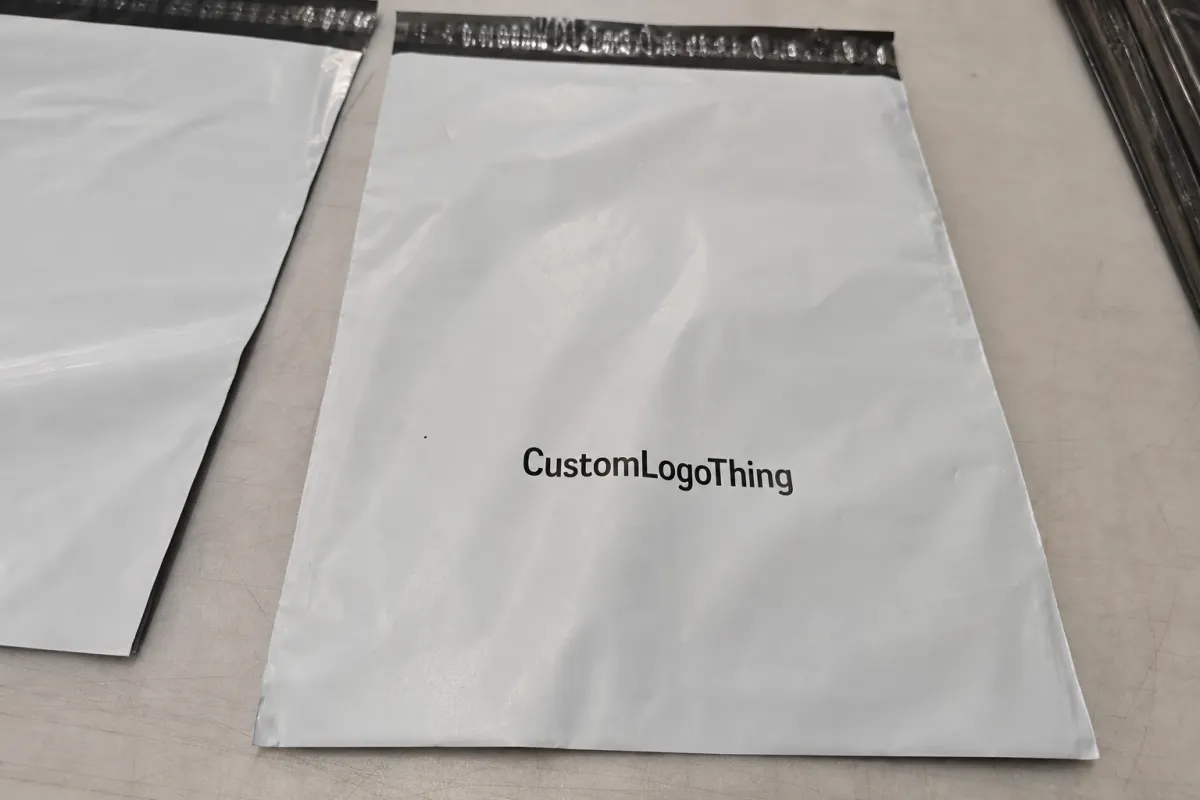
When apparel ships in the wrong package, the failure is easy to spot: moisture, scuffed print, blown seams, or a bag that looks cheap before the customer even opens it. Buyers looking for a custom waterproof apparel Mailers Bulk Order usually need a packaging format that protects soft goods, carries branding clearly, and keeps shipping costs under control.
Waterproof poly mailers are built for flexible products that do not need rigid crush protection. They suit T-shirts, leggings, socks, swimwear, uniforms, sample kits, and many subscription shipments. A small format may work for accessories or single tees, while larger sizes handle hoodies or bundled orders. Oversized outerwear often needs its own packing plan instead of simply a bigger bag.
The practical value is simple. A waterproof film helps keep garments dry during rain, dock exposure, warehouse handling, and basic delivery wear. Mailers also weigh far less than cartons, which can matter once freight, labor, and carrier surcharges are added up across thousands of shipments. At scale, a few grams per order can change the math more than people expect.
Bulk ordering matters because it stabilizes supply, lowers per-unit cost, and gives the brand consistent packaging across seasons and fulfillment locations. It also reduces emergency reorder pressure. The real cost of packaging is not just the invoice price; it is the cost of poor planning, rush production, and stockouts.
The tradeoff is straightforward. Thicker film, stronger adhesive, return strips, custom sizing, and fuller print coverage all raise cost. Thin mailers save money until they split, leak, or arrive looking flimsy. The right choice is the one that protects the product, fits the fulfillment workflow, and still supports the margin.
Waterproof Apparel Mailer Product Details That Matter
A custom printed apparel mailer is usually made from waterproof plastic film with a pressure-sensitive adhesive closure. Common materials include LDPE, co-extruded PE, recycled-content PE when available, and opaque multilayer film for privacy. Exterior finishes may be white, black, colored, matte, gloss, or metallic-style depending on the brand and print method.
“Waterproof” is worth defining carefully. The film resists rain and surface moisture, but the closure and seams determine whether the contents stay protected. A mailer that looks premium but fails at the seal is still a bad package. Buyers should ask about adhesive performance, seam strength, and how the bag holds up after handling.
Closure options are one of the most useful spec decisions. A standard adhesive strip works for one-way ecommerce shipments. Tamper-evident adhesive helps show whether the bag has been opened. Dual peel-and-seal strips support returns because the customer can open one seal and reuse the second. A perforated tear strip improves opening and can reduce damage to the return seal.
Branding can be simple or more elaborate, but the print method should match the order size and budget. One-color logo printing is often the cleanest starting point. Full-panel graphics, repeat patterns, QR codes, handling icons, and seasonal artwork can work too, but only if the bag size, print area, and proofing process support them. Packaging should scan cleanly, pack efficiently, and look deliberate on arrival.
| Feature | Common Choice | Best Use | Tradeoff |
|---|---|---|---|
| Film | LDPE or co-extruded PE | Daily apparel shipping | Higher opacity and thickness raise cost |
| Finish | Matte or gloss exterior | Branded ecommerce packaging | Matte can show scuffs more easily |
| Closure | Permanent adhesive | One-way shipments | No built-in return function |
| Return Feature | Dual adhesive strip plus perforation | Apparel returns and exchanges | Higher unit cost and more complex converting |
For broader packaging planning, buyers can compare mailers with other formats through Custom Packaging Products. Mailers are usually the right choice for flexible goods, not for items that need crush resistance or display packaging.
Sizes, Thickness, Print Specs, and Bag Features
Start with the garment, not the catalog. Measure the folded item length, width, and compressed thickness, then add enough allowance for pack-out. A bag that is too tight slows fulfillment and can stress the seal. A bag that is too large looks sloppy, traps air, and can raise dimensional weight.
Common apparel mailer sizes usually fall into a few useful ranges: 6 x 9 inches for small accessories, 10 x 13 inches for tees or socks, 12 x 15.5 inches for larger shirts or sets, 14.5 x 19 inches for hoodies or multi-item orders, and 19 x 24 inches or larger for outerwear. Custom sizing can reduce waste, but it may also raise tooling complexity and minimums.
Thickness is usually discussed in mils or microns. Light mailers around 2.0-2.5 mil can work for tees and low-risk soft goods. Mid-range bags around 2.5-3.0 mil are common for routine apparel shipping. Heavier 3.0-4.0 mil films are better for hoodies, denim, or rougher carrier lanes. Not every order needs maximum thickness; overbuilding only wastes money and material.
Opacity matters because apparel brands usually want to hide garment color, invoices, packing slips, and return paperwork. Black interior film is common for privacy. White exterior film often gives the cleanest print contrast. Dark exterior film can look sharp, but it may need a white ink underbase so logos and colors do not turn muddy.
Artwork should be production-ready. Send vector files such as AI, EPS, or a print-ready PDF. Include Pantone or CMYK references, bleed, safe zones, barcode placement, QR code size, and any required recycling mark. Flexographic printing is common for larger runs because setup cost spreads across more bags. Digital sampling is useful for approval, but a sample does not always match mass production exactly, so the proof stage still matters.
Before approving a custom waterproof apparel Mailers Bulk Order, ask for the specs that affect performance: seal strength, puncture resistance, tear resistance, film tolerance, ink rub resistance, odor standard, and carton pack counts. If a supplier cannot explain the bag beyond “good quality,” keep asking.
Pricing, MOQ, and Unit Cost Tradeoffs
Pricing depends on size, film thickness, material color, print coverage, ink count, closure style, packing method, order quantity, and shipping destination. A simple one-color standard-size mailer usually has a lower MOQ than a custom-size, full-coverage bag with dual adhesive strips. That is production reality, not a sales tactic.
For rough planning, a one-color Custom Printed Poly mailer in a common apparel size may land around $0.12-$0.35 per unit at higher quantities, depending heavily on size and freight. Smaller runs are usually higher. Premium features, heavier film, larger formats, return strips, and full-coverage print can push costs above that range. Freight can change the final number quickly because cartons of mailers are bulky even when the bags themselves are light.
The price curve improves as quantity rises because setup, plates, ink mixing, proofing, press setup, and changeover time are spread across more bags. A 2,500-piece order may carry a noticeably higher unit cost than a 10,000-piece order. A 50,000-piece run can look better on paper, but only if the brand can use the inventory before the size mix or design changes.
Practical buying rule: a cheap mailer is only cheap until it splits in transit and turns one savings into a replacement shipment, a refund, and a customer complaint.
Plate or setup fees are common in flexographic production, and they should be shown clearly on the quote. Also watch for freight, oversized cartons, rush fees, artwork redraws, color matching charges, storage limits, and reorder minimums. These extras are what make two quotes look similar at first glance and very different after delivery.
Order enough for several months of demand, but do not overbuy if your product mix is still changing. If your apparel brand is testing hoodie bundles, different size runs, or a new shipping workflow, a smaller first bulk order is often smarter than filling the warehouse with packaging that does not quite fit the long-term plan.
Custom Logo Things can quote apparel mailers alongside other branded packaging so buyers can compare formats without guessing. The Wholesale Programs page is useful for brands planning repeat bulk orders instead of one-off packaging tests.
Process, Timeline, and Production Steps
A clean quote starts with complete specs. Send the target bag size, quantity, artwork, film color, thickness, closure preference, delivery address, and target in-hands date. If you are quoting multiple sizes, list each one separately. If the deadline is tied to a launch, say so up front.
The supplier should confirm print feasibility, recommend cost-saving alternatives, and provide unit pricing, setup fees, freight estimates, and production lead time. Sometimes a small size adjustment saves money because it matches an existing film width or converting setup. Sometimes reducing the print from three colors to one makes no visible difference to the customer but cuts cost and complexity.
Proofing is the control point. A digital proof should show dimensions, print placement, colors, repeat pattern, bleed, seal area, edge limits, and any barcode or QR code location. Production should not start until the buyer approves the proof. Guessing is not a quality system.
Typical production steps include material sourcing, plate or print setup, film printing, curing or drying, bag converting, adhesive application, quality inspection, carton packing, and freight booking. Simple repeat orders can move faster, often around 10-15 business days after proof approval depending on schedule and stock. New custom sizes, more complex print, specialty materials, or overseas freight can take 4-8 weeks or more.
Rush orders may be possible, but they narrow material choices and raise cost. If the order is tied to a product launch, start quoting before the product is already waiting for packaging. For transit testing expectations, apparel brands can review guidance from the International Safe Transit Association. For recycling and material claims, the EPA recycling guidance is a safer reference than whatever a random listing says in the fine print.
Quality Checks Before You Approve a Bulk Run
Samples are not optional if you are changing size, film thickness, artwork coverage, closure type, or material. Ask for a pre-production sample or, at minimum, a material swatch when available. For repeat orders with saved specs, a digital proof and an approved retained sample may be enough. For a first run, test the bag with the actual product.
Put real garments inside, seal the mailer, squeeze out excess air, rub the print, and check the adhesive seam. A light drop onto a table edge or drag across a clean rough surface is a practical screen that catches obvious problems before the bulk run ships. The goal is not to simulate a lab; it is to catch packaging defects that would show up in normal fulfillment.
Water-resistance testing should match real carrier exposure. Spray or wipe the outside, inspect the seams and closure, and confirm the garment stays protected from rain or wet surfaces. These bags are meant for delivery conditions, not underwater use. The claim should match the actual shipping environment.
Color accuracy also needs discipline. Compare samples against approved artwork under consistent lighting. Dark films, white underbases, matte finishes, and heavy flood coats can all shift the look. If the brand color has to match retail packaging, hang tags, or a subscription box, say that before production starts.
Barcode and QR code placement should avoid folds, seams, glare, and heavy texture. Codes need enough quiet space around them and clean print edges. Test scans with multiple phones or scanners before approving the bulk run. A code that looks fine but scans badly is still a bad code.
Incoming inspection should cover carton count, bag count per carton, size tolerance, print registration, adhesive consistency, odor, blocked bags, damaged cartons, and package labels. Keep one approved sample on file for each repeat order. Memory is not a spec sheet.
What Good Supplier Support Should Include
A good packaging supplier does more than take an order and send a proof. For apparel mailers, the useful work starts before production. The best support is practical: confirm whether the requested size is efficient, point out when a bag is overbuilt, and warn you when print coverage or closure features will move the cost more than expected.
That matters because packaging decisions affect fulfillment, not just branding. A supplier should be able to explain how the bags will be packed in cartons, what the carton count will look like, whether the adhesive suits one-way shipping or returns, and where the likely failure points are. If the answer to every question is just “yes,” the help is probably thin.
Look for clear proof management, retained sample records, consistent carton labeling, and straightforward reorder specs. Those details sound boring, but they keep a bulk order from turning into a second job for the operations team.
Good support also means honest caveats. Recycled content can affect opacity. Matte films can scuff more easily than gloss. Dark films may need a white underbase. Return strips add utility, but they increase cost and can slow converting. None of that is a deal-breaker; it just needs to be stated before the PO goes out.
For brands comparing vendors, the right question is not who says yes fastest. It is who can explain the tradeoffs clearly, document the spec, and keep the repeat order consistent. That usually saves more money than a small unit-price difference.
Next Steps Before You Request a Quote
Before asking for pricing, gather the details that affect it: target bag size, garment type, monthly shipment volume, desired order quantity, film thickness preference, print colors, closure type, and delivery ZIP or country. If you have more than one size, list each one separately with estimated quantities.
Estimate quantity using average monthly orders, seasonal spikes, and product mix. A common planning range is three to six months of inventory for stable apparel programs. New brands may want less. Mature brands with predictable order volume may order more to reduce unit cost. Do not overbuy just because the price break looks attractive.
Prepare artwork properly. Send vector files, brand color references, logo placement notes, and any required compliance icons, recycling marks, QR codes, or campaign graphics. If you only have a low-resolution PNG, expect an artwork redraw fee or a proof that needs cleanup. Packaging design starts with clean files.
Decide must-haves versus nice-to-haves before quoting. Custom size, return strip, full coverage print, recycled content, extra thickness, matte finish, or premium flood coat can all be valid. They do not all need to be on the same bag. Pick the features that improve protection, fulfillment, or customer experience.
Compare quotes fairly. Match size, gauge, print coverage, setup fees, freight, MOQ, production time, payment terms, and carton details. A quote that ignores freight is not cheaper; it is unfinished. If you still have basic ordering questions, the FAQ page can help clarify common production and quoting steps.
For a custom Waterproof Apparel Mailers bulk order, the fastest path to a useful quote is complete specs, clean artwork, and a realistic delivery date. Bring those three, and the conversation gets practical quickly.
FAQ
What is the usual MOQ for custom waterproof apparel mailers in bulk?
MOQ depends on size, print complexity, material, and closure style. Simple one-color standard-size mailers usually have lower minimums than custom-size or full-coverage printed mailers. Higher quantities reduce unit cost because setup and printing costs spread across more


