dad hats Quality Control Checklist work starts with one simple idea: a relaxed cap can still fail on details buyers notice immediately. A crown that leans, a brim that is too stiff, or a logo that sits a few millimeters off can all pass a casual glance and still create returns, rework, or a weak retail presentation.
That is why QC for dad hats is less about a single final check and more about keeping sample approval, in-line review, and packing inspection tied to the same spec. The soft structure that makes the style comfortable also makes it more sensitive to fabric behavior, stitch tension, closure choice, and trim placement.
Why a dad hats quality control checklist catches hidden defects
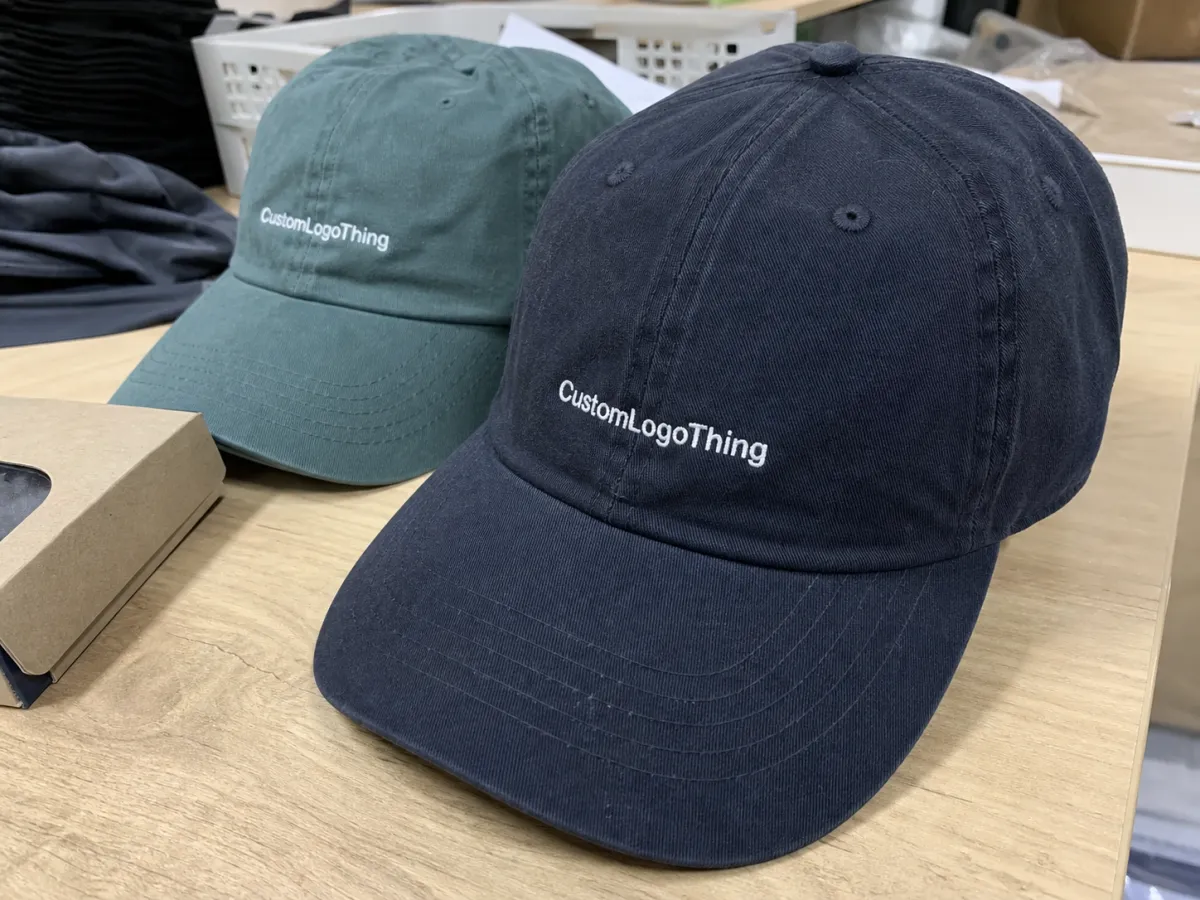
Dad hats are forgiving from a distance and less forgiving up close. The soft crown can hide small irregularities on a shelf, but those same issues show up once the cap is worn, photographed, or inspected under strong light. A seam that is slightly off-center or a brim that bends unevenly can change the way the whole hat reads.
A dad hats Quality Control Checklist gives the buyer and supplier one reference point for crown height, brim curve, stitch density, logo placement, closure style, label position, and packing method. That turns a subjective approval into a repeatable process.
Fabric choice also changes what acceptable means. A 220 gsm cotton twill dad hat will not behave the same as a 260 gsm brushed canvas version. Heavier material can hold form better, while washed or pigment-dyed fabric can show more lot variation. Those differences are not automatically defects, but they do affect the target spec.
A hat can pass a surface check and still fail in use if the spec is loose. Crown symmetry, sweatband finish, and brim shape should match the approved sample, not just the first visual impression.
The checklist also improves supplier communication. Instead of saying a hat looks wrong, the buyer can point to a 4 mm placement shift, a seam line that pulls left, or a closure range that is tighter than the fit sample. Specific notes reduce dispute and speed correction.
Packaging belongs in the same review because a clean hat can still arrive damaged. Crushed brims, mixed colors, or the wrong carton labels often come from poor packout rather than sewing defects. If the order uses paper-based cartons or inserts, the ISTA test framework helps frame distribution risk, and FSC-certified materials from FSC may matter when packaging claims are part of the brief.
Inspection process and timeline for sample approval
The safest approval path starts with a physical sample and then checks the job again at each stage where production can drift. Pre-production sample, first-off production, in-line review, and final packing inspection each answer a different question.
- Sample approval: Does the hat match the agreed profile, fabric, closure, embroidery, and label placement?
- In-line check: Are early production pieces holding the same measurements, shape, and stitch quality?
- Final review: Are counts, carton marks, packing method, and product condition ready for shipment?
The timeline is rarely as neat as the quote sheet suggests. A sample revision can add 3 to 7 business days, especially if the fix touches embroidery placement, color matching, or closure hardware. Smaller changes, such as a label tweak or packaging adjustment, usually move faster.
It helps to freeze the details before bulk starts: fabric, crown pattern, logo file, embroidery dimensions, closure type, inner labeling, and packing standard. If those items are still changing after the first sample, the production run is moving on unstable ground.
| Stage | What to verify | Typical timing | Common risk |
|---|---|---|---|
| Pre-production sample | Fit, crown shape, logo size, closure, trim, and color match | 5-10 business days | Approving a sample that hides a fit problem |
| Production start | First-off measurements, stitch quality, and placement consistency | 1-3 days into bulk | Small drift that compounds across the run |
| Pre-shipment inspection | Counts, packaging, carton marks, damage, and lot separation | 1 day before release | Mixed colors, crushed brims, or wrong labeling |
Remote review helps, but it has limits. Photos and video can confirm logo placement, label location, carton marks, and general profile. A ruler in the frame is useful for crown depth or embroidery position. Still, no image shows sweatband feel, brim stiffness, or how the fabric sits against the forehead. Those checks need a physical hat.
It is smart to plan for one correction cycle. Same-day approval looks efficient until design, merchandising, and operations all leave different notes. If a second sample is likely, build that into the schedule early rather than trying to compress it later.
Cost, MOQ, and quote factors that move unit price
Hat pricing is usually the sum of several small choices rather than one clean number. Fabric weight, panel count, stitch count, embroidery area, closure type, sweatband material, inner taping, and packaging all affect the final unit price.
For a run around 500 pieces, a straightforward embroidered dad hat often lands around $3.40-$5.80 per unit before freight. More detailed builds move higher. Smaller runs almost always cost more per unit because setup work, digitizing, sampling, and inspection are spread across fewer hats.
MOQ changes the economics because the supplier still has to open materials, set up embroidery, and confirm packing even on a small order. That fixed work does not disappear; it simply gets divided across fewer units. This is why a 100-piece order can cost much more per hat than a 500-piece order.
Quotes are easiest to compare when they are broken down line by line. Ask what is included, then compare the same items across suppliers.
- Ask what is included: sample, embroidery setup, woven label, hangtag, inner tape, carton marks, and packing method.
- Check the spec depth: panel fabric, closure type, brim insert, eyelet count, sweatband material, and seam finish should be named.
- Confirm rework terms: if color, placement, or sizing misses the approved sample, who pays for the fix?
- Separate product from logistics: freight, duties, and carton changes often sit outside the base unit price.
One remake can erase the savings from a lower quote. So can a rush shipment or a chargeback tied to bad labeling. For private-label or retail programs, a slightly misaligned logo can matter more than it would on a giveaway item, so the checklist should reflect the real price point and channel.
Step-by-step inspection checklist for crown, brim, and trim
The crown is the first place to check because it defines the silhouette. Look at whether the front panels sit evenly, whether the seam lines meet cleanly at the top button, and whether the center seam remains true from the front and side views. On a soft-structured cap, a small pull in one panel can make the hat lean.
Fit matters as much as appearance. The opening should sit comfortably without pinching, and the depth should match the approved sample. If the crown is too shallow, the hat rides high and can feel unstable. If it is too deep, the cap loses the easy profile buyers expect from a dad hat.
The brim deserves its own review. Measure the curve across multiple samples, confirm the insert has the same rigidity, and inspect the edge finish and stitch spacing. A brim that is too stiff can feel sharp; a brim that is too soft can lose its curve after a few wears.
What to check on the inside
Inside the cap is where many shortcuts show up. The sweatband should sit flat, feel comfortable, and attach evenly around the interior. Inner taping should be neat, with no loose ends or puckers. Labels need to be centered, readable, and positioned so they do not irritate the wearer. If the hat uses a self-fabric strap, the adjustment should move smoothly and hold without slipping.
For embroidery, check stitch density, thread tension, backing stability, and edge cleanliness. The design should still read clearly when the cap is shaped and worn, not only when it lies flat. Dense artwork can pull on soft panels and create puckering. Thread that is too light can disappear against the fabric.
Material behavior matters too. Brushed twill usually holds embroidery neatly, while pigment-dyed or heavily washed fabric can change how thread color reads. If the art uses a close tone-on-tone palette, confirm contrast under daylight, not just warehouse lighting.
Packaging checks belong in the same pass because clean hats can still arrive damaged. Look for dust marks, crushed brims, mixed colorways, missing inserts, and carton labels that do not match the packing list. If the run includes multiple colors or sizes, lot separation should be obvious and easy to audit.
A simple pass/fail sequence keeps the review focused:
- Compare the sample against the spec sheet side by side.
- Measure key points: crown depth, brim width, logo position, and closure range.
- Wear-test one cap for fit, comfort, and profile.
- Inspect a second cap for finishing and carton readiness.
That order helps the inspector catch structural problems before minor cosmetic ones become the focus. If the buyer can point to a 5 mm shift in placement or a seam line that pulls to one side, the supplier has a clear correction target.
Useful tolerances to set before bulk
Exact tolerances depend on the factory, fabric, and decoration method, but a few ranges should be set before production starts. Many buyers allow logo placement within a few millimeters, with slightly wider tolerance for soft fabrics than for structured caps. Crown height, brim width, and closure length should also be documented because fit can drift when pattern pieces are cut or stitched under pressure.
Do not overcomplicate the sheet. Too many measurements can slow approvals without improving the result. Focus on the points that affect appearance, fit, and packing, and make those points easy to measure in the factory.
Common QC mistakes that cause rework and returns
The first mistake is relying on a single photo. Photos are useful, but they flatten depth and hide shape. A front panel that looks centered on screen may lean in person, and a brim that appears smooth in an image may show waviness under direct light.
The second mistake is approving embroidery too early. Thread color, needle density, stabilizer choice, and logo placement all need to be checked against the final cap size and panel curve. A design that looks perfect on a flat file can shift once stitched onto a soft crown. If the art is too dense, the fabric may pucker; if the thread is too light, the logo can disappear against the fabric tone.
The third mistake is skipping packaging verification. Many returns have nothing to do with the cap construction itself. Crushed brims, scuffed fabric, loose inserts, and mixed lots often happen after the hats are already sewn correctly. Carton audit, lot separation, and packing method should be part of the same review.
The fourth mistake is treating QC as one checkpoint instead of a chain. Sample approval is only the first gate. Production start, first-off review, and final packout each deserve attention because the risk changes at each stage. A factory can sew a strong sample and still drift once the run scales up, especially if a new operator, a thread change, or a trim substitution enters the job.
Another common issue is comparing quotes without aligning the spec. One supplier may quote a metal buckle closure, reinforced sweatband, and folded carton insert, while another leaves those items out. Without a matched spec sheet, the buyer is comparing different products under the same name.
Most rework comes from the same pattern: unclear specs, incomplete sample review, and too much trust in the first production run. The checklist breaks that pattern by forcing each issue into view before it becomes expensive.
Next steps to lock specs, approve samples, and ship cleanly
Turn the inspection list into a written spec sheet with measurements, tolerances, approved materials, and defect photos. That sheet should cover crown profile, brim curve, logo size, closure type, label placement, thread color, and packaging method. The more exact the reference, the fewer surprises show up in bulk.
Then assign ownership. Someone should approve the sample, someone else should clear production start, and someone else should sign off on final carton release. If those decisions sit only in a long email thread, they get buried fast. A clear approval path keeps the process moving and gives the factory one consistent point of contact.
Use the checklist as a go/no-go tool. If fit is off, stop and revise. If trim is off, fix it before bulk moves forward. If carton marks or packaging are wrong, correct that before goods leave the floor. Small delays here are far cheaper than remaking finished inventory later.
Keep the dad hats Quality Control Checklist active through the final inspection, not just the sample stage. The last carton should match the approved sample, not just the first prototype. That final pass protects the order, protects the brand, and keeps the customer from discovering problems that should have been caught upstream.
FAQ
What should a dad hats QC checklist include before production starts?
It should confirm crown dimensions, brim curve, closure type, thread colors, and logo placement against one approved physical sample. It should also set acceptable tolerances for stitching, symmetry, and label position so the factory knows what counts as pass or fail. Packaging details belong there too, including carton marks, inserts, and any polybag or dust protection.
How do you inspect dad hats for embroidery quality?
Check stitch density, thread tension, backing stability, and edge cleanliness around the design. Measure logo placement from the key seams and make sure the artwork still reads cleanly on the final cap size. Then look again after the hat is shaped and worn, because puckering and distortion often show up only then.
What defects are most common in bulk dad hats?
Off-center front panels, uneven brim curves, and loose or skipped stitches show up often in soft-structured caps. Mixed closures, incorrect label placement, and shade differences between dye lots can also slip through. On the shipping side, crushed cartons or poor packing can turn a good hat into a damaged one before it reaches the buyer.
How much does quality control add to a dad hat order?
The inspection cost is usually small compared with the cost of remakes, freight fixes, or customer returns. Lower MOQ orders feel the impact more because setup and inspection work are spread across fewer units. In many cases, tighter QC saves more money by preventing rework than it costs to run.
When should you review the checklist again during turnaround?
Review it after the first sample, again when production starts, and one more time before shipment is packed out. Recheck any spec that changed after approval, especially embroidery, color, closure, or carton labeling. The final review is the one that catches shipping-stage damage, mixed lots, or labeling errors before they leave.