Most Premium Cuffed Beanies do not fail in dramatic ways. They fail in the small, obvious ways that buyers notice immediately: a cuff that leans a few millimeters, a logo that sits just off center, a seam that distorts the knit, or packaging that flattens the crown before the product ever reaches a shelf. Those issues are easy to miss if you only look at one showroom sample, but they become hard to ignore once dozens or hundreds of pieces are packed, shipped, and opened by a customer.
A strong premium cuffed Beanies Quality Control Checklist keeps the order honest. It turns a vague promise of "premium" into measurable standards for yarn, knit density, cuff height, logo placement, color consistency, finishing, and packing. Buyers usually do not lose money because one beanie is ruined. They lose money because a small drift repeats across the full run.
That is why the best checklist starts before bulk knitting, not after. If the salesman sample, pre-production sample, and approved mockup do not line up, the order is already unstable. Catching that early costs time. Catching it after production starts costs much more.
Premium cuffed beanies quality control checklist: what buyers inspect first
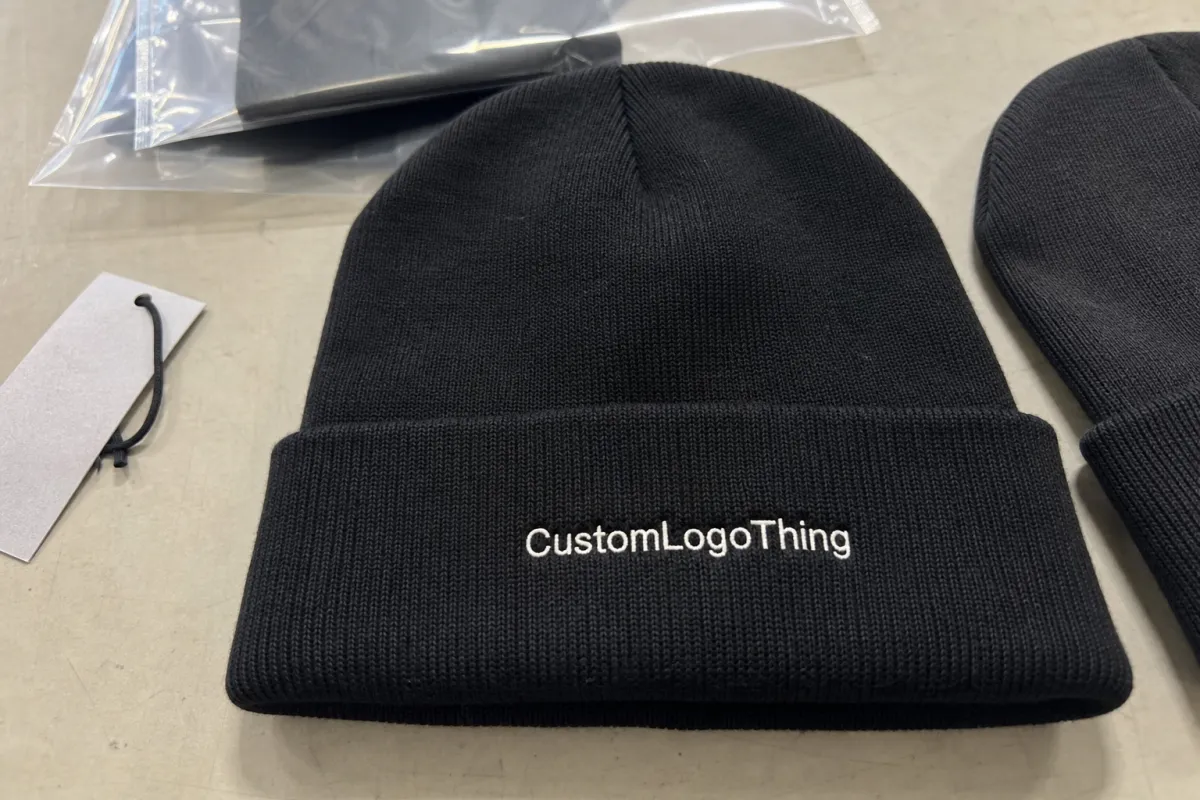
The first review should be fast and practical. Does the beanie look premium from arm's length, and does it feel premium in the hand? Buyers usually judge that faster than the factory does, because they are looking at the finished product, not the knitting process. A cuffed beanie should sit evenly, hold its fold, and carry branding without looking stretched or forced. If the cuff tilts, the crown puckers, or the yarn feels scratchy, the piece reads as lower grade even if the price was not.
Most defects in this category are small but visible. A 2-5 mm logo shift, a cuff depth that varies by 3 mm across the run, or a color that leans warmer than the approved sample can be enough to trigger rejection from a retail buyer or corporate merch team. That is why the premium cuffed Beanies Quality Control Checklist should focus first on the details people see without measuring tools.
Before bulk production, compare three references:
- Salesman sample - the version used to win the order.
- Pre-production sample - the production-ready version with final yarn, decoration, and finishing.
- Approved mockup - the visual reference for artwork, placement, and color callouts.
If those three do not match, stop and correct the gap. A factory may say the run will be fine, but "fine" is not a production standard. A beanie that looks acceptable in a single photo can still fail when the pieces are lined up side by side under normal warehouse lighting.
Buyer rule: if a defect is visible at one meter, it is a quality issue. If it only appears under a microscope, it usually is not the best place to spend time or budget.
One more practical point: premium does not always mean perfect. For most buyers, it means controlled variation. A run can tolerate tiny differences if the cuff shape, fit, and branding remain consistent enough that the batch reads as one product family rather than a mix of unrelated pieces.
How the checklist works on the factory floor
Real QC is not a final table with a clipboard and a hopeful inspection note. It starts at yarn intake, moves through knitting, then cuff finishing, logo application, steaming or pressing, folding, and carton packing. Better factories place checks at each stage. Weaker ones wait until the end and hope the cartons hide the inconsistency. That is not quality control. It is damage control with a better name.
A useful checklist turns vague feedback into pass/fail language. Instead of "the logo looks off," specify that it must be centered within 3 mm of the front centerline. Instead of "the cuff feels uneven," define cuff depth at left, center, and right points. If the factory can measure it, it can repeat it. If it cannot, the result drifts from batch to batch.
Sampling matters because nobody inspects every beanie piece by piece. Buyers often approve a 5,000-piece run from a limited sample set, so the factory needs a system that catches drift before the lot runs away from the spec. AQL is common, but a simple buyer-specific pass/fail matrix also works if it is written down and signed off before production begins. Add photos, defect notes, and a traceable approval record. That prevents the familiar argument where one side says "close enough" and the other says the brief was never changed.
Photo records are especially useful for branded beanies because many defects are visual rather than structural. A front image, a side image, a cuff close-up, and a packed-carton shot tell you more than one polished hero photo ever will. If the supplier refuses documentation, treat that as a warning sign rather than a minor inconvenience.
QC should also reflect the production sequence. If a factory checks logo placement after the beanie has already been folded and bagged, rework becomes slower and more expensive. If it checks knit density only after packing, the lot may already be mixed. The earlier the issue is found, the less labor it takes to correct.
Material, knit density, and cuff construction standards
Material choice affects everything: warmth, stretch, surface texture, logo behavior, and cost. Acrylic usually gives buyers the best control over price and color consistency. Wool blends bring a softer, warmer handfeel and a more premium perception, but they cost more and can be more sensitive in finishing. Recycled fibers can support sustainability messaging, while mixed yarn structures can improve shape retention and help the beanie hold its profile instead of slumping.
Knit density is where many buyers get surprised. Too loose, and the beanie looks flimsy, gaps show in the knit, and the crown collapses. Too tight, and stretch suffers, the fit turns rigid, and the product loses the soft drape most people expect from a premium accessory. For cuffed beanies, gauge and stitch density should be checked against the sealed sample, not a memory of what felt right in a sales room.
The cuff itself needs its own line in the premium cuffed beanies Quality Control Checklist. Check cuff height on multiple pieces, not just one. Confirm the fold memory so the cuff stays flat after packing and shipment. Look at seam placement so the fold does not twist or sit off center. A beanie with perfect branding and an uneven cuff still looks wrong.
Branding tolerances belong here as well. For embroidery, verify stitch count, thread tension, edge cleanup, and any backing material that may show through on stretch knit. For woven patches, confirm size, border finish, and attachment points. For woven labels, check placement and orientation. A 2 mm shift may be acceptable on a promotional piece and unacceptable on a retail item with a premium price point. The product tier should decide the tolerance, not the factory's convenience.
The material decision should also match the buyer's use case. A corporate giveaway may need durability and low price more than luxury handfeel. A retail drop may need a better yarn blend and tighter finishing because customers will compare it to competing products on the same shelf. Those are different jobs, and the checklist should reflect that difference instead of forcing one standard onto every order.
| Material option | Typical unit price at 5,000 pcs | Best for | Main tradeoff |
|---|---|---|---|
| Acrylic | $1.15-$1.65 | Cost control, stable color, broad use | Can feel less natural if yarn quality is weak |
| Wool blend | $1.75-$2.70 | Warmer handfeel, more premium perception | Higher cost, more attention to finish consistency |
| Recycled acrylic | $1.35-$2.10 | Sustainability claims, retail programs | Availability and color matching can be tighter |
| Mixed yarn structure | $1.60-$2.50 | Better shape retention, cleaner drape | More setup coordination and slower sampling |
Use verified material language only. If recycled content matters, it needs a paper trail. If packaging uses certified paper, that is a separate claim from the yarn itself. FSC can matter for cartons or insert cards, while fiber claims need their own documentation. See fsc.org for chain-of-custody context and ista.org for shipment testing references when packed cartons need validation.
Cost, pricing, MOQ, and quote tradeoffs buyers should expect
Unit cost moves for a few predictable reasons: yarn quality, knit complexity, embroidery stitch count, patch type, label type, packing style, and the number of colors or variants in the order. A single-color beanie with a woven label is usually much cheaper than a multi-color jacquard knit with embroidery and custom fold cards. The real surprise is usually labor, not materials.
MOQ changes price because setup costs get spread across fewer units. If a factory has to program the machine, match yarn, prepare artwork, and run finishing for only 300 pieces, the per-unit price rises. That is not a hidden fee. It is the reality of small runs. For buyers, the question is whether the design can be simplified enough to keep the order practical without stripping away the premium feel.
There are real savings, and there are false savings. A buyer can often reduce cost by simplifying the logo, limiting color changes, standardizing packaging, or choosing a less labor-heavy cuff finish. A buyer cannot save their way into premium quality by accepting weak yarn, thin cuffs, or sloppy finishing. That usually costs more later in returns, replacements, and extra freight.
- Lower-risk savings: one embroidery location, one label type, one carton size, standard polybags.
- Medium-risk savings: reduced stitch density, fewer yarn colors, simpler fold card.
- High-risk savings: lower-grade yarn, thinner cuff construction, reduced QC time.
If you want a clean quote comparison, ask for decoration, packing, and carton charges to be separated. That makes the markup visible instead of hiding it inside a vague custom-fee line. Buyers who request itemized pricing usually find the expensive parts quickly and can decide where simplification makes sense.
As a rough reference, price swings should be read alongside the inspection burden. A lower quote that leaves no room for sample approval, rework, or carton validation is not really cheaper. It just pushes the risk downstream.
Process, timeline, and lead time from sample to shipment
The production path should be straightforward: brief, quotation, sample development, sample approval, bulk knitting, finishing, QC, packing, and dispatch. When the order keeps bouncing backward because someone changed the logo or forgot a color callout, the schedule slips. That happens more often than buyers expect, and usually for avoidable reasons.
Sampling often takes a few days to a few weeks depending on yarn availability, decoration method, and how many revisions are still open. A simple acrylic cuffed beanie with standard decoration can move quickly. A wool blend with custom embroidery, special packing, or multiple color approvals takes longer. Bulk production usually needs another couple of weeks after approval, although it can stretch if the factory queue is full or the yarn must be sourced specifically for the order.
The most common lead-time problems are the boring ones: late artwork, slow color approvals, changing tolerances halfway through production, and packaging edits after knitting has already started. Rush orders can work if the design is locked and the sample is already approved. They do not fix a messy brief. They only compress the time available to uncover the mistakes.
For buyers who need shipment validation, carton testing should be discussed early, not after the boxes are already stacked. ISTA testing is a useful reference point when packed goods need to survive transit without crushed corners or loose contents. The beanie is not finished when the knit is done. It is finished when the box reaches the buyer in the same shape it left the factory.
A realistic schedule also leaves room for rework. If the checklist allows no correction time, then every defect becomes a shipping dispute. That is a bad place to be with a time-sensitive launch or retail window.
Step-by-step inspection checklist before you approve the bulk run
Start with measurements. Inspect a representative sample on a flat surface and, if possible, on a headform. Check crown height, cuff depth, width, and stretch recovery. If dimensions swing too much across the sample set, the run is not stable enough for a premium order.
Then move to alignment. The logo should sit on the centerline, the cuff should appear symmetrical, and the seam should not pull the knit off balance. A beanie can pass size checks and still look wrong on the shelf. That is one of the easiest mistakes to make if the review stays too technical and not visual enough.
Texture and construction deserve close attention. Tug gently at loose threads. Inspect for skipped stitches, snagging, uneven density, or rough seam joins. Run a hand across the inside and outside surfaces. If the knit scratches, pills, or feels thin in the wrong places, the complaint is likely to appear after delivery, not before.
Packing behavior is the last checkpoint and one of the most skipped. A good beanie can still arrive crushed if the polybag or box spec is weak. Check whether the piece keeps its shape in packaging, whether labels stay clean, and whether compression changes the fold or fit. If the carton spec is not part of approval, it should be. Otherwise the product arrives with the right knit and the wrong impression.
- Measure at least 5-10 pieces from different cartons.
- Compare the finished pieces against the sealed sample, not just the mockup.
- Record any defect above the written tolerance.
- Ask for rework before carton sealing if the issue is fixable.
For premium orders, it also helps to check how the piece behaves after a short compression test. A cuff that springs back cleanly is a better sign than one that stays bent or distorted. That kind of issue may not look serious on the line, but it is exactly the sort of thing that gets noticed when the buyer opens the box.
Common mistakes buyers make during beanie QC
The biggest mistake is judging the run from one polished sample photo. A perfect close-up can hide inconsistent stitching, uneven cuff depth, or weak packing behavior across the batch. One good piece is not proof. It is a sample, and the difference matters.
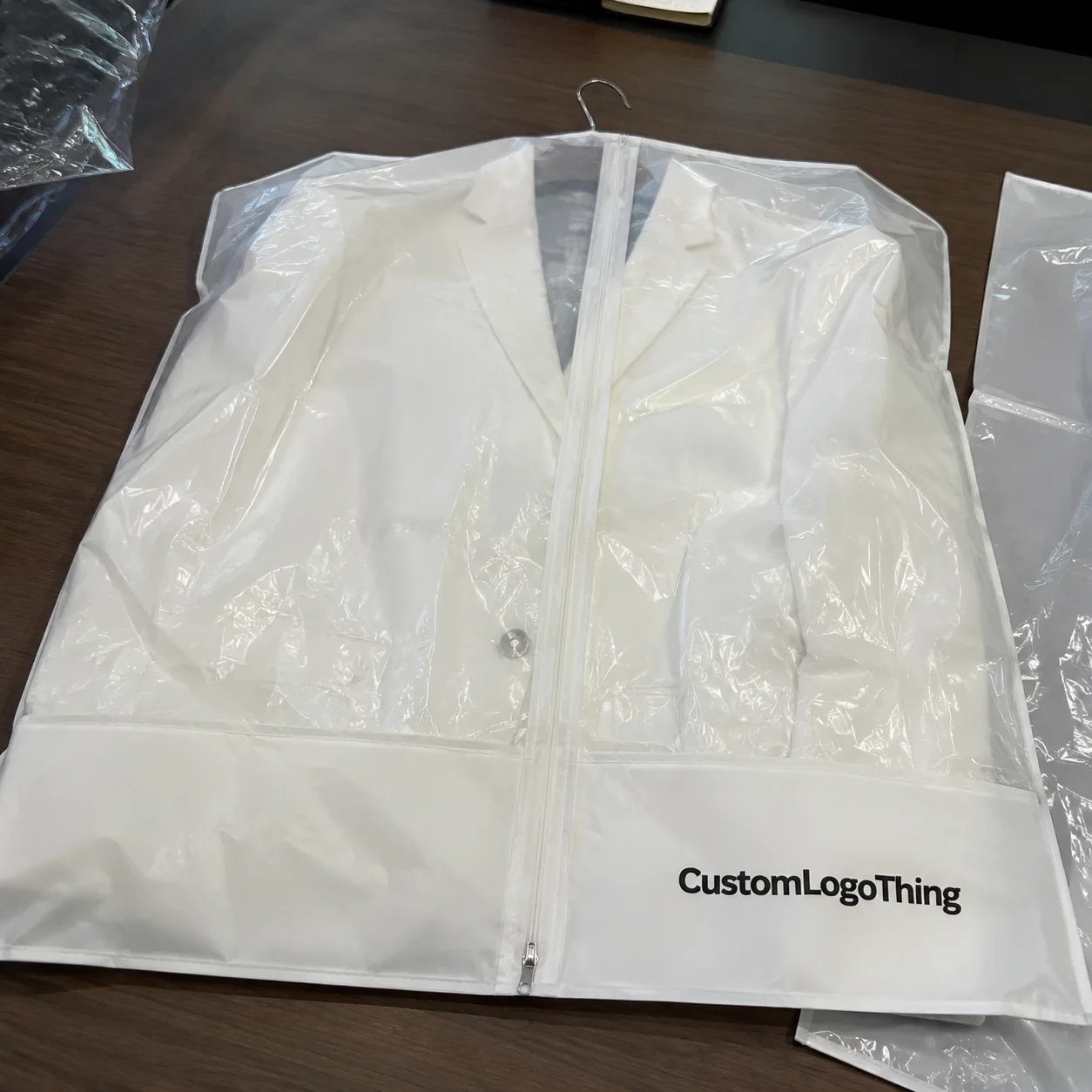
Another common miss is skipping the packaging check. A perfect beanie that arrives crushed, mislabeled, or mixed with the wrong size tags still creates a problem. Packaging is not decoration added at the end. It is part of the product experience, especially when the buyer is paying for a premium presentation.
Undefined tolerances cause endless arguments. "Looks fine" is not a spec. The premium cuffed beanies Quality Control Checklist should state what counts as a minor flaw, a major flaw, and a reject. That can include stitch irregularity, shade variation, logo shift, seam twist, or rough handfeel. If the rule is written down, the decision is easier. If it is not, nobody agrees on anything.
Buyers also forget the handfeel test. A beanie can pass dimensions and still feel thin, scratchy, or cheap. That matters more than people admit, because handfeel is often what turns a practical item into something customers are willing to wear, gift, or resell without hesitation.
A final mistake is approving too many loose changes at once. One revised logo, one different yarn lot, and one packaging tweak might each seem harmless. Together, they can change the character of the product. The cleaner approach is to lock one variable at a time and keep the rest fixed until the run is stable.
Expert tips and buyer next steps for sign-off
Ask for a pre-shipment photo set before the cartons are sealed. You want front, back, cuff close-up, label close-up, and packed-carton views. That gives you one last chance to catch drift without paying to move the goods back across the ocean. It is not glamorous, but it is a lot cheaper than a return shipment.
Build a simple pass/fail matrix before the order starts. Use the same rules for every batch so nobody invents new standards during final inspection. Attach the approved sample, spec sheet, and tolerance notes to the PO. That gives the factory one reference point instead of three different versions of the truth, which is how bad assumptions grow.
Buyer next steps should stay narrow and practical:
- Approve a physical sample, not just an image.
- Confirm the inspection method and sample size.
- Lock artwork, placement, and packaging before bulk knitting starts.
- Ask for a pilot batch if the decoration or cuff shape is new.
If you are buying for retail, team merch, or a brand drop, treat the checklist as the final sign-off sheet rather than a nice attachment. That habit reduces rework, keeps the order moving, and protects the premium feel that the buyer expects once the boxes are opened.
It also helps to separate what can be corrected from what should stop the run. A minor loose thread can usually be trimmed. A misaligned logo, a wrong yarn color, or a cuff that twists across the full batch deserves a pause. Knowing the difference keeps the review useful instead of theatrical.
What should a premium cuffed beanies quality control checklist include?
It should cover dimensions, cuff consistency, knit density, seam quality, logo placement, color accuracy, and packing condition. Add a clear defect threshold so the factory knows what counts as minor, major, or reject-level damage.
How do I set an acceptable defect rate for cuffed beanie orders?
Use a written sampling standard, such as AQL or a buyer-specific pass/fail limit, before production starts. Treat major defects like wrong size, wrong logo, or open seams as non-negotiable; minor flaws can have a small, defined allowance.
Does MOQ change quality control expectations on beanie orders?
MOQ changes pricing and production efficiency, not the standard you should accept. Smaller runs often need tighter pre-approval because there is less room to absorb mistakes or reruns.
How do I check cuff shape and logo placement on premium beanies?
Measure cuff depth on multiple pieces and compare left-to-right symmetry on a flat surface and on a headform. Use a centerline reference for embroidery or patch placement so the logo does not drift toward the seam.
What should I approve before the first bulk production run?
Approve the physical sample, spec sheet, tolerance sheet, decoration proof, and packaging mockup. Confirm the timeline, inspection method, and the exact sign-off contact so production does not start on a half-approved brief.