A dad hats Sample Approval Checklist costs far less than redoing 2,000 caps because the logo looked balanced on a flat mockup and awkward on a curved brim. The sample is where the problems show up: the crown sits too high, the stitch path pulls the fabric, the washed cotton feels too limp, or the closure feels like an afterthought.
From a packaging and merchandise buyer's perspective, the sample is not a courtesy item. It is the last low-cost checkpoint before thread, labor, freight, and carton space get committed. Dad hats are especially sensitive because their soft structure and low profile make even small spec drift easy to spot. A quarter-inch error can change the silhouette enough to make the hat feel off.
Dad Hats Sample Approval Checklist: What Actually Matters
Start with the practical definition: sample approval is your written yes on fit, materials, decoration, color, and construction before bulk production starts. If any one of those is wrong, the sample is not approved. It is a warning.
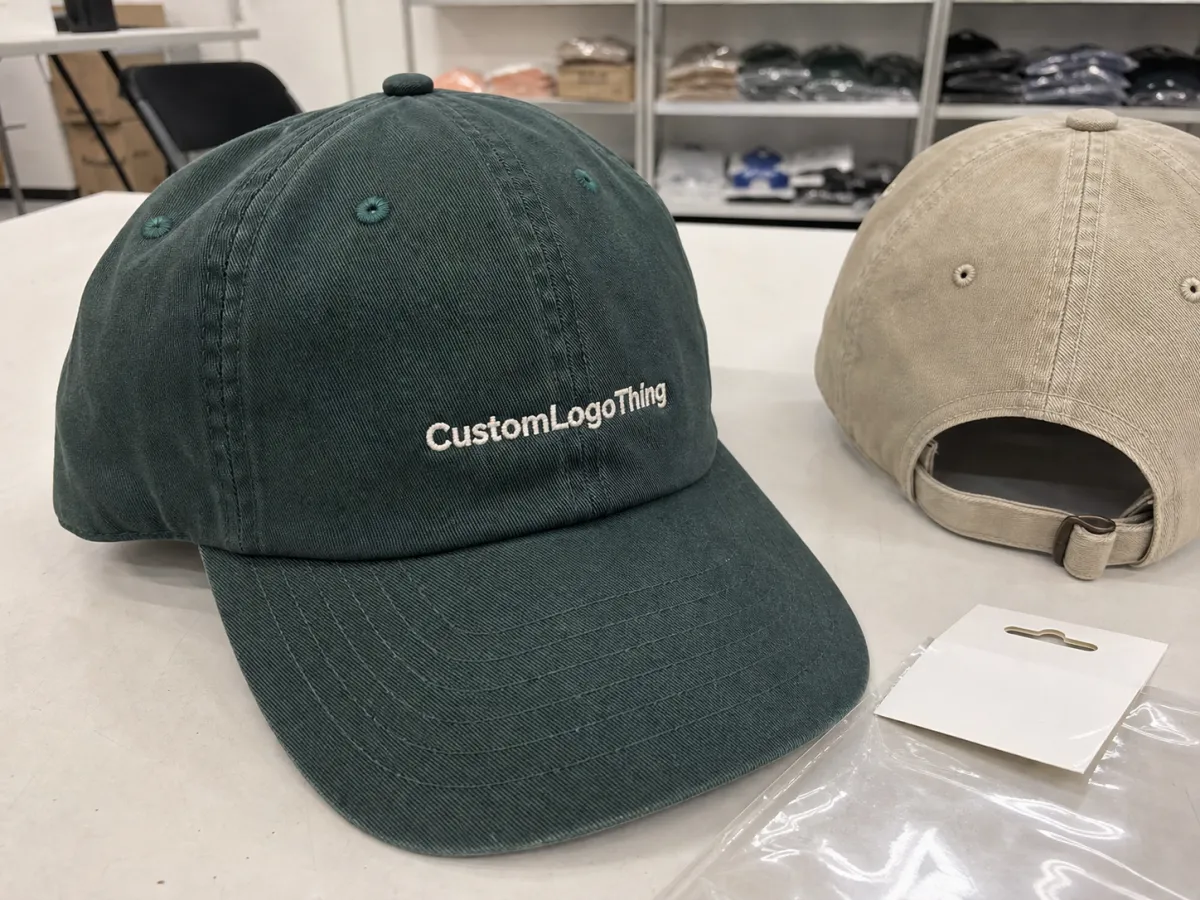
The most common mistake is approving from a polished image. Photos hide the things buyers usually care about most. A logo can look centered online and sit too high on the actual cap. Washed twill can look rich in one light and chalky in another. A curved brim can seem clean in a mockup, then arrive with a bend that changes the whole shape. A physical sample, measured and worn, is the only honest review.
Dad hats make small errors obvious. A slight change in crown depth can turn a relaxed cap into one that feels boxy. If the brim curve is too flat, the cap loses the easy, broken-in look most customers expect. If the fabric is pigment-dyed, color variation is normal, but it still needs to be controlled. The sample should tell you what the bulk order will really look like, not what the rendering promised.
- Fit: crown depth, front panel height, brim curve, and overall comfort.
- Logo: placement, size, stitch density, patch edges, and thread color.
- Build: seam quality, sweatband finish, back opening, and closure hardware.
- Color: shell fabric, thread, underbill, and any contrast detail.
- Finish: label placement, hangtag position, and packaging inserts.
A good sample is not the prettiest hat. It is the one that tells you the truth before the order becomes expensive.
How the Sample Approval Process Works Before Production
The workflow should be simple even when the supplier side is not. Quote review comes first. Then artwork confirmation. Then the sample build. After that comes the physical inspection, revision requests if needed, and final sign-off. If a vendor wants bulk production to start before that sequence is complete, they are asking you to pay for guesswork.
A digital mockup still has value. It helps confirm logo size, placement, and overall color direction. But it is not a production sample. It cannot tell you how the front panel sits on head, whether the stitch line puckers, or whether the closure hardware scratches the fabric. That is why a dad hats Sample Approval Checklist has to include a hands-on review, not just a reply in email.
The most useful internal review usually includes brand, procurement, and the person who will hear about complaints if the cap misses the mark. That sounds obvious. Teams still skip it. One person approves the sample, production starts, and then sales notices the logo is too small or a retailer says the crown feels tall. Predictable problems tend to arrive in expensive ways.
Keep the paperwork with the sample. A solid review packet should include the tech pack, Pantone targets, placement notes, and a written approval record. If you use retail cards, woven labels, hangtags, or shipping cartons, document those too. For packaging, basic transport checks matter because a soft cap can leave production looking fine and still arrive crushed if the carton is weak. Standards from ISTA are useful for handling and transit tests, and FSC matters if printed inserts or hangtags need certified paper.
Before you approve, ask four direct questions:
- Does the physical sample match the approved artwork and spec sheet?
- Does the hat feel right on an actual head, not just on a table?
- Would you ship this to a customer without adding an apology note?
- Is the approval written down, with photos and measurements attached?
Cost, Pricing, and MOQ: What Changes Your Quote
Sample pricing is not random, even if it sometimes looks that way from the buyer side. The main cost drivers are embroidery count, patch type, washed versus unwashed fabric, custom closures, labeling, and whether the supplier credits the sample back on the bulk order. A plain embroidered dad cap should not cost the same as a cap with a complex front patch, contrast underbill, and custom seam tape. The extra steps are real.
MOQ affects unit price because setup costs get spread across the run. A small order carries a lot of overhead per piece. A larger run usually lowers the unit cost, but only if the spec stays stable. Change the thread color three times, switch from embroidery to a woven patch, or request a different buckle, and the quote moves. That is not a supplier being difficult. That is arithmetic.
| Quote Item | Typical Range | What Moves It |
|---|---|---|
| Basic embroidered sample | $35-$70 | Stitch count, logo complexity, and shipping |
| Washed or pigment-dyed sample | $55-$110 | Fabric treatment, dye variation, and wash handling |
| Patch-based sample | $60-$125 | Patch material, edge finish, and application method |
| Rush sample | +$20-$45 | Queue priority and faster transit |
| Sample credit on bulk order | Often partial or full | Supplier policy and order size |
MOQ and price should be read together. A supplier may quote a low sample cost but a higher bulk unit price, or the reverse. Ask what is included, what is optional, and whether the approved sample locks the bulk pricing. If that is not written down, the numbers can move later in ways nobody planned for.
Revision cost matters too. Every second sample adds time, freight, and rework fees. That is why vague feedback gets expensive fast. “Make it better” is not a spec. Neither is “more premium.” A useful note looks like this: move the logo down 0.25 inch, increase embroidery density, reduce the brim curve, or switch to a matte buckle finish. Specifics save money and reduce back-and-forth.
Specs to Check: Fit, Stitching, Color, and Closures
Fit comes first because customers notice it immediately. Check crown depth, front panel height, brim curve, and how the cap sits after a few minutes on head. Dad hats should feel relaxed, not floppy in a careless way or stiff like a standard baseball cap with a new name. If the crown sits too high, the silhouette gets awkward. If the brim is too flat, the cap loses the worn-in look most buyers expect.
Then inspect the stitching. Look at stitch direction, edge cleanup, and how the logo behaves over a curved panel. Dense embroidery can look crisp or it can tunnel the fabric and make the front panel buckle. Thin stitching can disappear into twill. Patch work needs the same scrutiny at the edges, especially if the patch is heat-applied or stitched with a contrast border. A clean sample should also show consistent tension on the back side, not loose loops or uneven pull.
Color is more slippery than people think. Washed cotton, pigment dye, and embroidery thread all shift under different lighting. Check the sample in daylight, under indoor white light, and if possible beside the approved Pantone target. A dark navy cap may look black in a warehouse and blue near a window. Thread that seemed rich on a screen can read brighter in person. That does not mean the cap is wrong. It means the sample has to be judged in the right light.
Closures are where lower-grade choices show up quickly. Check strap length, buckle finish, and how the hardware feels in hand. A rough metal buckle can snag fabric or mark the cap. A flimsy plastic closure makes the whole product feel cheaper than the front decoration suggests. Do not skip the sweatband either. If the inside finish is scratchy or stiff, customers will feel it right away.
- Fit check: try the cap on different head sizes if possible.
- Stitch check: run a finger along the embroidery edge for puckering.
- Color check: compare against daylight and the approved reference.
- Closure check: open and close it several times for finish and tension.
- Comfort check: wear it for 10-15 minutes, not 10 seconds.
Material specs matter too. Most dad hats are built from cotton twill, brushed cotton, canvas, or washed cotton blends, often around 100% cotton or a cotton-rich blend depending on the target hand feel. Heavier fabrics usually hold shape better, while lighter fabrics feel softer but can drape too much. If the product is supposed to feel premium, the sample should show that in the shell weight, lining choice, and internal finishing, not just in the logo.
Timeline, Lead Time, and Turnaround: What to Expect
Most sample cycles follow the same sequence: artwork confirmation, sample production, transit time, review window, and revision if needed. The exact timing depends on decoration type and where the supplier is located, but a simple embroidered Dad Hat Sample often takes about 7-10 business days to make once the artwork is confirmed. Shipping can add a few more days. If a second sample is needed, the clock starts again. No magic. Just calendar math.
Embroidered hats usually move slower than blanks because sew-outs and thread approval add steps. Washed fabric, custom patches, and specialty closures slow things down further. If the hats are coming from overseas, transit can be the biggest variable of all. A sample that looks quick on paper may still take two to three weeks before anyone on your team touches it.
Set an internal review deadline before the sample ships. If it lands on Friday and nobody opens it until the following Wednesday, you just lost a week for no reason. One person should be responsible for opening, measuring, photographing, and collecting comments the same day. That sounds basic because it is. Basic discipline is usually what keeps production moving.
For larger or more sensitive runs, ask for a first-off inspection or pre-production sample after bulk setup is complete. That extra check is worth it when the order includes special wash treatment, complex patches, or retail packaging. If the hats travel with boxes or poly mailers, transit testing matters too. A cap can survive sewing and still arrive crushed if the packaging is too soft or the carton fit is sloppy.
Lead time also depends on how clean the approval package is. Suppliers can work quickly when the spec is clear and the artwork is final. They slow down when the buyer keeps changing details after the sample is underway. The fastest orders are not always the simplest products. They are the ones with the fewest unresolved decisions.
Common Sample Mistakes That Delay Dad Hat Orders
The biggest mistake is approving from a photo instead of the physical sample. The second biggest is changing the artwork after approval. That one is especially expensive because it resets sew-outs, delays production, and usually creates a blame spiral nobody needed. If the logo moves after sign-off, the schedule changes with it.
Another common miss is ignoring small fit problems. An off-center buckle, a loose seam, or a shallow crown may look minor on the bench. On a customer, those details become the reason the hat gets returned, discounted, or left in a drawer. Soft caps are unforgiving that way. Small defects rarely stay small once the product reaches the market.
Color drift causes trouble too. Teams often accept a sample because it is “close enough,” then wonder why the bulk run looks different. If you accept a small shift, write down the tolerance and confirm it. Better yet, mark the approved shade, thread code, and fabric reference on the sample bag and in the approval email. That way the next person is not guessing six weeks later.
If one person says yes verbally and nobody writes it down, you do not have approval. You have a memory problem waiting to happen.
Document control is the last weak spot. No photo record, no measurement notes, no approval email, and then everyone argues over what was agreed. That is avoidable. Use the dad hats sample approval checklist as a sign-off form, not a vague memory test. Keep it boring. Boring is cheaper than rework.
Next Steps After Approval: Lock Specs and Scale Cleanly
Once the sample is approved, freeze the spec. That means the approved color, decoration placement, closure type, label details, and any packaging inserts stay fixed unless there is a written change. Bulk production should not become a moving target. If the factory can still make quiet substitutions after approval, the process is too loose.
Send one final recap with photos, measurements, and clear notes on what was accepted and what was rejected. If the sample did one thing well and another thing poorly, record both. That helps the bulk team keep the strong parts and avoid the weak ones. It also gives you a clean paper trail if the run drifts later.
For larger budgets, ask for a pre-production sample or a first-off piece. That extra control is especially useful when the order includes premium patches, unusual dyeing, or packaging that has to arrive retail-ready. Reorders deserve the same discipline. A second run can wander just as easily as the first if nobody checks it against the original approval.
Use the dad hats sample approval checklist again on every reorder. That sounds tedious, but so does explaining why the second batch does not match the first one. The point is simple: approve carefully, lock the details, and buy the bulk order with fewer surprises.
What should be on a dad hats sample approval checklist?
Fit, crown shape, brim curve, embroidery placement, thread color, closure type, and stitching quality all belong on the list. Add lighting conditions, measurement notes, and a written approval record so the decision is easy to prove later. If the hat includes labels, patch work, or packaging inserts, those should be checked too.
How long does dad hat sample approval usually take?
Once the sample arrives, many teams approve it within a few days. The full cycle can stretch longer if you need artwork fixes, a second sample, or international shipping. Build in time for internal review so the sample does not sit around while production waits.
Does sample approval lock the bulk price for dad hats?
Usually yes, if the approved sample matches the final spec sheet and nothing changes in materials or decoration. Ask the supplier to confirm which costs are fixed and which ones can still move before you place the bulk order. Written confirmation reduces disputes later.
Can I approve a sample if the color is slightly off?
Only if the difference stays within your tolerance and the supplier confirms it in writing. Use Pantone references, daylight checks, and a note in the approval email if you choose to accept a small shift. Otherwise the bulk run may miss your target by a wide margin.
Do I need more than one sample for dad hats?
For complex orders, yes. One sample may prove the logo, while a second sample or first-off piece confirms the final bulk setup. If the cap uses special wash treatment, patches, or unusual closures, an extra approval round is usually worth the time.