The fastest way to read a dad hats Unit Cost Breakdown is to look beyond the blank cap price. The hat body matters, but decoration, setup, packing, freight, and duties can move the landed number just as much. Buyers usually discover that only after comparing quotes that were never priced on the same basis.
A 50-piece run, a 250-piece run, and a 1,000-piece run can share the same basic spec and still land at very different unit costs. Fixed work such as digitizing, sampling, machine setup, and inspection does not shrink just because the order is small. The smaller the run, the more those costs show up per hat.
So the useful question is not, "What does a dad hat cost?" It is, "What does the landed unit cost look like for this exact spec, decoration method, and shipping plan?" That is the comparison that helps a buyer decide.
Dad Hats Unit Cost Breakdown: What Really Moves Price
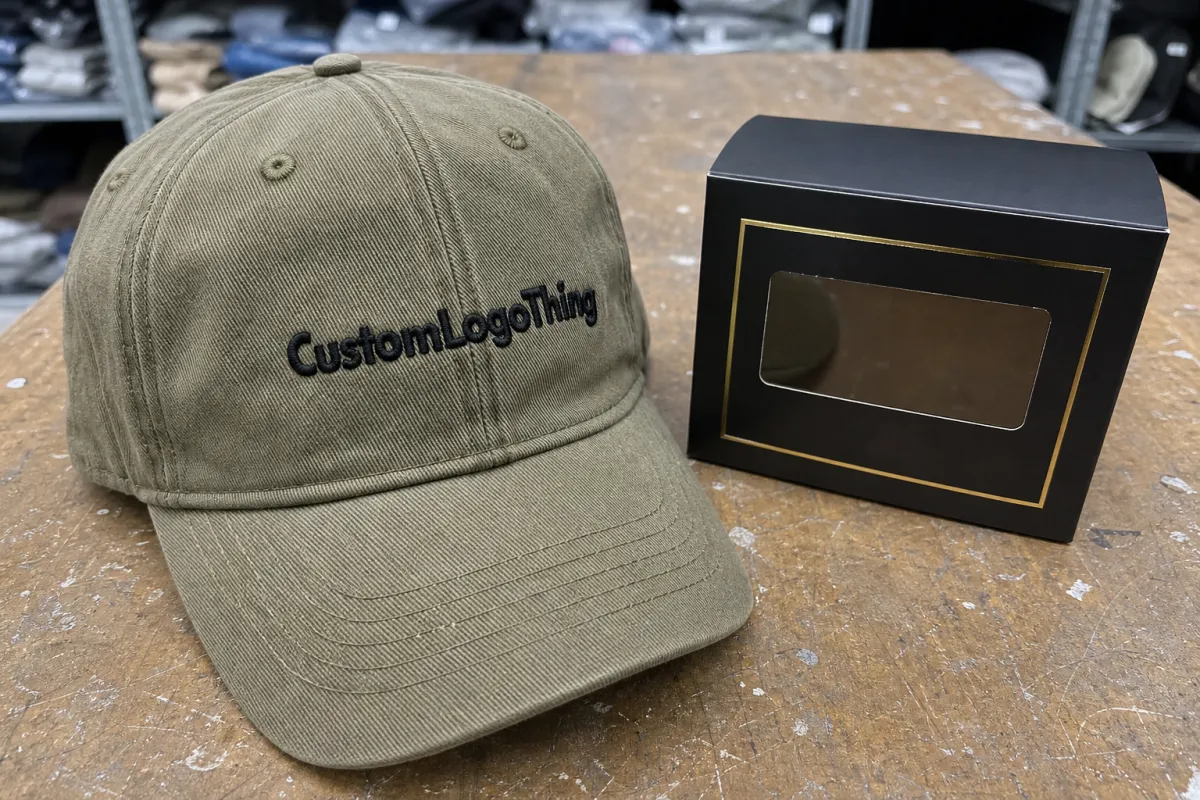
A dad hat is typically a low-profile, unstructured 6-panel cap with a curved brim and adjustable closure. That makes it simpler than many structured or technical caps, which usually helps pricing. Simpler does not mean identical across suppliers, though. Small spec changes still matter.
Quantity is the biggest swing factor. A small order carries the same proofing, artwork review, machine setup, and quality-control steps as a larger run, so fixed costs hit harder per piece. At higher volumes, the factory can run longer, change over less often, and spread overhead more efficiently.
Here is the cleanest way to think about a dad hats Unit Cost Breakdown:
- Blank cap cost - fabric, panel construction, brim, closure, and finishing.
- Decoration cost - embroidery, patch application, printing, or mixed methods.
- Setup charges - digitizing, screen prep, sample prep, and machine adjustments.
- Packing cost - polybags, inserts, carton labels, and carton strength.
- Freight and duties - the costs that turn a quote into a real budget.
For buyers comparing suppliers, the only fair test is landed unit cost against landed unit cost. Same cap spec. Same artwork. Same decoration method. Same shipping assumption. Otherwise one quote looks cheaper because freight was left out, while another looks higher because it included the full picture.
A clean quote should show the cap spec, the decoration method, the quantity tier, and any excluded charges. If one of those pieces is missing, the invoice usually fills the gap later.
That detail also speeds up approval. Clear specs move faster because the buyer can see exactly what is being paid for. Vague specs create back-and-forth, and back-and-forth is where timelines slip.
Core Dad Hat Specs That Set the Baseline Quote
The starting point is the hat itself. Most dad hats share the same silhouette, but small construction choices affect price more than people expect. Cotton twill is usually a mid-market option. Garment-washed cotton feels softer and can look more retail-ready, but wash processing adds cost and makes color consistency harder to control. Brushed chino and cotton-poly blends are also common when buyers want shape retention or a cleaner embroidery surface.
Construction changes the quote too. A standard 6-panel unstructured cap is usually easier to source and price than specialty paneling or extra reinforcement in the crown. Brim stiffness, sweatband quality, and closure style each add small increments. Alone they are minor, but together they can move the unit price enough to matter.
Before asking for quotes, lock down the same spec across every supplier. Confirm panel count, fabric weight, closure type, brim finish, sweatband material, and color standard. A washed cotton cap and a standard twill cap are not interchangeable just because both have curved brims and an adjustable back.
Useful spec details to settle early:
- Fabric - cotton twill, garment-washed cotton, chino, or a cotton blend.
- Construction - 6-panel, unstructured, low-profile crown.
- Brim - pre-curved or lightly curved, standard or reinforced stiffness.
- Closure - self-fabric strap, buckle, slider, or hook-and-loop.
- Finish - standard dyed, washed, brushed, or pigment-dyed.
Those choices define the baseline quote. Once they are set, the supplier can price the same hat across several quantity tiers without rebuilding the order every time one detail changes.
Fabric, Stitching, and Decoration Variables
Decoration is where the dad hats Unit Cost Breakdown becomes more visible. A simple front logo in one color is the easiest case. Once the artwork gets dense, layered, or too detailed, labor rises. Stitch count matters. Thread count matters. Placement matters. Small art changes can add more cost than buyers expect.
Flat embroidery is often the most efficient choice for straightforward logos. Around 5,000 to 8,000 stitches is usually easier to run than a dense 12,000-stitch design. Three to five thread colors is manageable. More colors, tiny lettering, and tight interior shapes slow production and can reduce consistency.
Patches change the equation rather than removing it. Woven, embroidered, and leather patches can reduce direct stitching on the cap, but they add separate production and attachment steps. Leather may need die cutting or laser cutting. Woven patches hold detail well, but the border finish, shape, and attachment method all affect cost. 3D puff embroidery can create strong shelf appeal, but it is less forgiving with small text and thin lines.
The fabric under the decoration matters too. A structured front panel supports embroidery better than a soft crown. Unstructured hats sometimes need more stabilizer backing or a different stitch plan to avoid puckering. The same logo can look clean on one cap and messy on another because the cap is part of the decoration system.
Color approval can also affect lead time. If the artwork depends on precise Pantone matching or a tightly controlled patch tone, the factory needs extra review steps. That means more checks and sometimes more sampling.
| Decoration Method | Typical Cost Impact | Best For | Tradeoff |
|---|---|---|---|
| Flat embroidery | Low to moderate | Clean logos, promo runs, repeat orders | Fine detail can disappear if the art is too small |
| 3D puff embroidery | Moderate to higher | Bold front marks with strong shelf appeal | Poor fit for small text and thin lines |
| Woven or embroidered patch | Moderate | Detailed logos, retail-ready branding | Patch production adds separate setup and lead time |
| Leather patch | Moderate to higher | Outdoor brands, premium casual looks | Tooling and finish options can push cost up fast |
The lowest-cost order is not always the one with the cheapest blank. A simpler logo, one placement, and fewer thread colors often beat a discounted hat body with a more complicated decoration plan.
Pricing, MOQ, and Quote Math
MOQ changes the math because fixed costs do not shrink just because the order is small. A factory still has to digitize the embroidery, confirm the artwork, prep the machines, pull the materials, and inspect the output. Those steps cost something whether the run is 50 pieces or 5,000. Spread across 50 hats, the unit cost climbs quickly. Spread across 1,000 hats, the same overhead looks much smaller.
A quote should say exactly what is included. That means the cap spec, decoration method, quantity tier, sample or mockup cost, packing method, and whether freight and duties are included or excluded. If one supplier includes carton packing and another does not, the numbers are not directly comparable. The same is true for setup charges, special labels, and custom inserts.
For a one-color embroidered dad hat with a standard closure and normal carton packing, the pricing shape often looks like this:
| Quantity | Typical Cost per Piece | What You Are Paying For | Buyer Fit |
|---|---|---|---|
| 50 pcs | $7.50-$11.00 | High share of setup charges and labor | Testing a design, small promo run |
| 250 pcs | $4.80-$6.90 | Better spread of fixed costs | Most branded merchandise orders |
| 1,000 pcs | $3.10-$4.50 | Lower unit cost from volume efficiency | Retail basics, national campaigns |
Those are working ranges, not guarantees. Shipping lane, country of origin, decoration method, and material choice can all shift them. The pattern still holds: the jump from 50 to 250 pieces usually gives the biggest relief. Beyond that, the curve improves more gradually unless the design is very simple and the production run is easy to repeat.
The rule that saves the most headaches is simple: compare like-for-like quotes only. Same hat. Same artwork. Same placement. Same packing. Same transit assumption. If the comparison is sloppy, the lowest quote can turn into a trap.
Process and Timeline From Artwork to Ship Date
The production path is straightforward, but every stage can slow down if the input is incomplete. It usually starts with request intake, then spec confirmation, artwork proof, sample or mockup approval, production, inspection, packing, and shipment. If the logo file is messy or the cap color is not settled, the order stalls early. If the sample comes back with changes after approval, the schedule slips.
Lead time is production time, not total delivery time. That distinction gets ignored too often. A quote might show 12 to 15 business days for production, but the hats still need transit after that. Air freight, ocean freight, and domestic final-mile delivery each change the actual arrival date. Buyers with a hard deadline should ask for both numbers separately.
Decoration complexity also affects speed. Flat embroidery on in-stock blanks is generally faster than a custom patch order that needs separate artwork approval. Add color revisions, back embroidery, or custom inserts and the clock stretches. Packing can slow things down too if the order needs individual bagging, hangtags, or special carton labels.
Packaging quality is worth treating seriously. Carton strength, stacking, and pallet planning matter for long-distance shipping. A hat that arrives crushed is still a bad product, even if the decoration was perfect. Some buyers ask for transit testing aligned with ISTA methods so they can see whether the packing can survive normal distribution stress. If the job includes paper inserts or hangtags, sourcing to FSC standards may also come into play.
That level of control does not just reduce damage. It makes the quote more dependable and the timeline easier to plan around.
Ways to Lower Unit Cost Without Cheapening the Hat
The best savings usually come from simplification, not from squeezing the blank until it feels flimsy. Keep the decoration in one location. Limit thread colors. Choose a standard closure. Use one patch size or one embroidery hit instead of mixing several small placements. Every extra step adds labor, and labor is where cost creeps in.
Consolidating colors and styles into one run helps too. Splitting a 500-piece order into three colorways almost always raises the unit price because each version creates its own setup burden. One clean colorway is easier to run, easier to inspect, and easier to restock.
Sometimes the right move is to spend a little more on the blank. A better sweatband, cleaner crown shape, or firmer brim can improve decoration quality and reduce defects. That can also improve the retail feel. A hat that wears well and looks intentional is usually better value than a bargain cap that feels cheap in the wrong places.
Practical ways to keep the number under control:
- Simplify artwork - fewer fills, fewer thread colors, cleaner outlines.
- Limit placements - one front mark usually costs less than front plus back.
- Use standard materials - common fabrics and closures usually price better.
- Stay consistent - one style, one spec, one production run.
The target is value, not just a low unit price. A promo hat has to be durable enough to keep the logo visible. A retail hat has to feel worth the shelf price. A good dad hats unit cost breakdown balances finish, comfort, and budget instead of chasing the lowest line item.
Why Buyers Stay with a Spec-First Cap Supplier
Buyers tend to stick with a spec-first supplier because precise inputs create stable pricing. When a factory quotes from real details instead of guesswork, the order is less likely to collect surprise charges later. That matters on repeat programs, retail launches, and seasonal buys where the margin is already planned before the hats are made.
Quality control is part of the value here. Clear approvals, accurate color communication, decoration alignment checks, and consistent carton packing all protect the order. A supplier that documents fabric, closure, logo placement, and packing method makes reorders easier because the next quote starts from a proven record instead of a fresh interpretation.
That stability also improves long-term unit cost. Fewer remakes. Fewer approval mistakes. Fewer freight surprises. Fewer misunderstandings about what was included. A slightly cheaper quote can turn expensive if it creates delays or requires rework.
The goal is not just a low price on paper. It is a quote that survives production, packing, and delivery without drama.
Next Steps to Get an Accurate Quote
To get a quote that is actually usable, send the supplier the quantity break, hat color, closure preference, decoration method, logo file, target delivery date, and any packing requirements. If you want multiple pricing points, ask for them upfront. A target MOQ quote and a higher-tier quote usually show where the cost per piece starts to fall.
Before approving anything, ask what is excluded. Freight, taxes, sample fees, and special packaging are the usual places where quotes look tighter than reality. If the supplier can show the blank spec, decoration setup, and delivery assumption in writing, the comparison is much cleaner.
For most bulk buyers, the next move is simple: line up two or three complete quotes, compare them like-for-like, and choose the option that gives the best mix of spec, presentation, and landed unit cost.
What drives dad hat unit cost up the fastest on small orders?
Fixed setup costs spread across fewer pieces, so digitizing, sampling, and production prep matter much more on a small run. Dense embroidery, repeated artwork changes, and extra packing requests can push the landed unit cost up fast.
How does MOQ affect dad hat pricing?
A higher MOQ usually lowers unit cost because setup charges are divided across more hats. Small orders often carry a premium because each piece absorbs more labor, inspection, and changeover time.
Is embroidery or a patch better for dad hat cost control?
Simple embroidery is often efficient for clean logos with limited colors and moderate stitch counts. Patches can reduce stitching on the cap, but the patch material, production, and attachment method add their own cost. The better choice depends on the logo shape and the finish you want.
What should be included when comparing dad hat quotes?
Compare the exact hat spec, decoration method, quantity, sample cost, packing details, and whether freight or duties are included. If one quote includes setup charges and another does not, the numbers are not truly comparable.
How long does a custom dad hat order usually take?
Lead time depends on artwork approval, sample approval, production capacity, and shipping method. Simple orders with ready artwork move faster than orders that need multiple proof revisions or decoration changes. Ask for production time and transit time separately so the delivery window is realistic.


