Buyer Fit Snapshot
| Best fit | Die Cut Retail Packaging Sleeves projects where brand print, material claims, artwork control, MOQ, and repeat-order consistency need to be specified before quoting. |
|---|---|
| Quote inputs | Share finished size, material target, print colors, finish, packing count, annual reorder estimate, ship-to region, and any compliance wording. |
| Proofing check | Approve dieline scale, logo placement, barcode or warning zones, color tolerance, closure strength, and carton packing before bulk production. |
| Main risk | Vague material claims, crowded artwork, missing packing details, or unclear freight terms can make a low unit price expensive after revisions. |
Fast answer: Die Cut Retail Packaging Sleeves: Design, Cost & Uses should be specified like a repeatable production item. The safest quote records material, print method, finish, artwork proof, packing count, and reorder notes in one written spec.
Production checks before approval
Compare the actual filled-product size with the drawing, then confirm tolerance on folds, seals, hang holes, label areas, and retail display edges. Reserve space for logos, QR codes, warning copy, and material claims before decorative graphics fill the panel.
Quote comparison points
Review material grade, print process, finish, sampling route, tooling charges, carton quantity, and freight assumptions side by side. A quote is only useful when the supplier can repeat the same color, closure quality, and packing count on the next order.
Die Cut Retail Packaging Sleeves: Design, Cost & Uses
A product rarely gets a second chance on shelf, and the visible layer around it carries more influence than many teams expect. A full box rebuild can solve one problem and create three more. A sleeve often gives the cleaner answer. Die cut Retail Packaging Sleeves can lift perceived value, tighten package branding, and make a line feel current without asking the brand to redesign the primary pack from scratch. In retail packaging, that kind of change matters because the shelf gives you only a few seconds of attention before the decision moves on.
For packaging buyers, the format sits in a very practical middle ground. A printed paperboard or specialty-stock sleeve wraps around a carton, tray, jar, bundle, or kit while leaving key surfaces visible. That keeps product packaging flexible and lets the team work with an existing structure instead of replacing it. It also makes die cut Retail Packaging Sleeves useful for quick refreshes, seasonal promotions, launch programs, and any project that needs a sharper visual story without a new structural box.
Teams balancing branded packaging, fulfillment, and budget control usually find the math appealing. A sleeve can differentiate SKUs, simplify multipacks, and support co-packing without changing the whole architecture of the pack. If you are comparing sleeves with Custom Packaging Products such as custom printed boxes, the real question is not simply which option looks better. The better question is which format gets the job done with the lowest total cost per packed unit.
The rest of this piece takes that approach. We will look at how die cut retail packaging sleeves are made, what drives cost, where production slows down, and how to spec them so they work on the shelf and on the line. If a sleeve is going to earn its place, it has to protect, display, and sell in the same package.
Why die cut retail packaging sleeves stand out on shelf
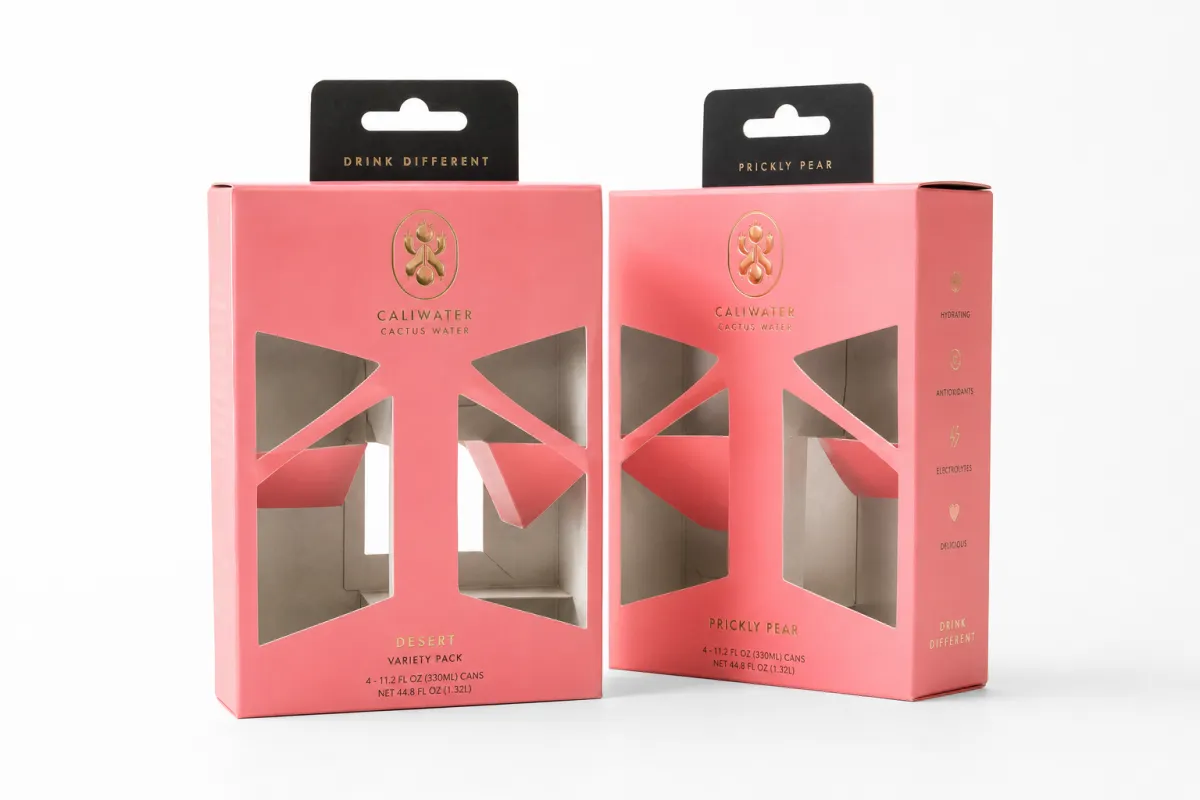
The easiest way to raise perceived value is not always the most obvious one. A sleeve can do it faster than a full structural redesign because it changes the layer that shoppers actually see first. Die cut retail packaging sleeves are common in quick product refreshes for that reason. The base package stays intact, while the visible face of the product gets a stronger, more deliberate identity. In retail packaging, that visible layer carries more weight than many teams plan for.
A sleeve frames the product, communicates the offer, and creates cleaner hierarchy across the shelf. In practice, die cut retail packaging sleeves act like a compact branding surface with structural discipline. The core pack can remain standardized while each flavor, SKU, or variant gets its own character. Brands with multiple item families benefit from that balance, because the products can look related without looking copied and pasted.
The use cases are wide open. Seasonal promotions, multipacks, sampler sets, cosmetics, food items, electronics accessories, and subscription inserts all fit the format well. A sleeve can turn a plain carton into a giftable package, or it can make a bundle look intentional instead of improvised. For buyers comparing branded packaging options, the sleeve often wins because it changes less while doing more.
There is a logistics advantage too. A sleeve can help with SKU differentiation, simplify bundling, and reduce the need to redesign primary containers. It can also give a team room to test a new look before committing to a more permanent structural change. For a broader reference on packaging terms and design concepts, the educational material at packaging.org is a solid place to sanity-check the language.
Die cut retail packaging sleeves succeed because they solve two jobs that usually compete with each other. They create more shelf appeal without forcing the whole system to change. That combination is rare, and it explains why the format keeps showing up in launches that need speed, controlled cost, and enough visual punch to matter in a crowded aisle.
- Best for: promos, bundles, limited editions, and SKUs that need a faster visual refresh.
- Branding value: strong surface presence without replacing the primary package.
- Operations value: easier to standardize across a product family.
- Retail value: clearer shelf blocking and better recognition from a distance.
How die cut retail packaging sleeves are made and applied
The dieline is the starting point. Every effective sleeve begins with a cut path, score lines, folds, tabs, and any locking features that determine how the piece wraps. If the design includes a window, finger pull, or tuck detail, those features need to be built into the dieline before artwork is finalized. Die cut retail packaging sleeves become a packaging design exercise at that stage, not just a print job.
Fit drives the whole result. Sleeves depend on controlled friction and precise dimensions, so even a small measurement error can change how the piece sits on the pack. Too tight and the sleeve scuffs or slows assembly. Too loose and it drifts, sags, or looks unfinished. With die cut retail packaging sleeves, a millimeter off can be enough to turn a clean presentation into a frustrating one, especially when the item already includes inserts, labels, or shrink wrap.
Application is usually straightforward, but speed still matters. Sleeves are commonly delivered flat, folded by the co-packer or in-house team, and placed around the product before final bundling or carton sealing. On a hand-applied line, a simple sleeve might support roughly 20 to 40 packs per minute per operator, depending on handling and training. Add a tricky lock or ornate structure and line speed drops. That is why many teams test die cut retail packaging sleeves against real labor conditions rather than relying only on CAD drawings.
Finish choices change both appearance and durability. Gloss can brighten color and sharpen contrast. Matte usually reads as more restrained and editorial. Soft-touch lamination adds a tactile premium feel, though it can show scuffs differently than a coated gloss sheet. Spot UV and foil can lift a panel visually, yet they also add setup and handling complexity. If the pack will move through rough channels, ask for testing that aligns with ISTA transit-test standards so the design is judged against actual distribution stress rather than a perfect desk sample.
A sleeve that looks beautiful but slows down the line is not a win. In retail packaging, the best structure is the one that survives handling and still keeps assembly honest.
That tradeoff sits at the center of the decision. Die cut retail packaging sleeves should look premium, survive transit, and stay fast enough for real packing speeds. When they do, they support product packaging in a way that feels almost invisible: the sleeve simply works, which is exactly what the operations team wants.
Key factors that affect die cut retail packaging sleeves
Dimensions come first. Width, depth, height, clearance, and tolerance all decide whether the sleeve feels snug or awkward. Many projects fail because the team measured the item itself instead of the packed system. If the base carton has an insert, a label, a bag, or a wrapped edge, those details change the effective size. With die cut retail packaging sleeves, you are never measuring only the object. You are measuring the object plus everything that rides with it.
Material selection matters just as much. SBS board, kraft, coated paperboard, recycled board, and heavier specialty stocks each bring different tradeoffs. SBS often prints crisply and folds cleanly. Kraft signals a natural texture and can support eco-forward package branding. Recycled board may fit sustainability goals, but not every recycled sheet handles fine type or rich color in the same way. For teams reviewing die cut retail packaging sleeves, the right stock depends on weight, shelf look, transit conditions, and budget.
| Material | Best Use | Print Look | Durability | Relative Cost |
|---|---|---|---|---|
| 18-24 pt SBS | Cosmetics, electronics accessories, premium retail | Sharp, bright, highly consistent | Good for normal handling | Moderate |
| 20-24 pt kraft | Natural, artisanal, sustainability-led product packaging | Warm, textured, less saturated | Fair to good | Moderate |
| Recycled board | Responsible sourcing programs, standard retail packaging | Depends on coating and fiber mix | Good when well specified | Moderate to slightly higher |
| Specialty stock | Limited editions, gift sets, high-touch branded packaging | Distinctive, often tactile | Varies by build | Higher |
Structure changes the experience too. Openings, perforations, die-cut windows, finger pulls, and tabs can improve usability, but they also introduce more setup and more ways for the sleeve to misbehave. Sometimes a simple wrap is stronger than a dramatic shape. I have seen teams overbuild die cut retail packaging sleeves because the mockup looked exciting, only to find the real problem was shelf readability rather than structural flair.
Branding decisions should be treated as hard requirements, not afterthoughts. Color accuracy, typography size, barcode placement, and regulatory copy all influence whether the sleeve earns shelf space or creates headaches. A beautiful package that hides the barcode under a fold is a mistake. Tiny legal text that disappears under a premium finish creates the same kind of trouble. Die cut retail packaging sleeves live at the point where packaging design discipline meets sales appeal, and the layout has to do both jobs cleanly.
Logistics deserves equal attention. Stacking strength, carton counts, moisture exposure, and warehouse handling conditions should all be reviewed before approval. A sleeve that rides well in a climate-controlled store may still curl in a humid distribution center. For brands pursuing responsible sourcing, an FSC-certified sheet can support a cleaner paper trail for claims and procurement. The certification guidance at FSC is a useful reference if sourcing language will appear on-pack or in sales materials.
That is why I frame die cut retail packaging sleeves as a system choice rather than a decorative choice. The sleeve, the insert, the base pack, the outer carton, and the fulfillment method all affect one another. Ignore one part, and the rest gets more expensive.
Die cut retail packaging sleeves cost: what drives pricing
Quantity is the biggest pricing lever. Higher runs usually reduce the per-unit price because setup, prepress, and tooling are spread across more pieces. That is true for most print and packaging work, and die cut retail packaging sleeves are no exception. A small order can look affordable at first glance, then rise quickly once cutting, proofing, and handling are added. A larger run can bring a far steadier unit cost if the artwork is not likely to change.
Complexity changes the quote almost immediately. More cutouts, more folds, specialty coatings, heavy ink coverage, and unusual shapes all increase labor and material consumption. A clean one-color sleeve on 18 pt SBS is one thing. A full-bleed sleeve with foil, soft-touch lamination, spot UV, and a tight folding sequence is another. Buyers comparing die cut retail packaging sleeves should ask suppliers to separate base print cost from finish cost so the pricing logic stays visible.
Setup matters more on small runs than many people expect. Dieline prep, cutting dies, proofs, and samples can dominate the economics when the order size is low. That is why some teams prefer to quote two or three quantities at once. It makes the cost curve easier to read and shows where scale starts to pay off. If the order is tied to a launch date, ask for both piece pricing and the likely tooling schedule for die cut retail packaging sleeves.
Freight, warehousing, kitting, and co-packing can shift the final landed cost even when the printed sleeve itself looks attractive. That is the trap. A low print quote does not guarantee a low overall spend. If the sleeve ships flat but still takes extra labor to assemble, the real price rises in the warehouse. Experienced buyers compare total cost per packed unit, not just the line item labeled print.
| Run Size | Simple Sleeve | Premium Finish Sleeve | What Usually Drives the Price |
|---|---|---|---|
| 1,000-2,500 units | $0.35-$0.80 each | $0.55-$1.20 each | Setup, die cost, proofing, smaller-scale labor |
| 5,000 units | $0.18-$0.35 each | $0.28-$0.55 each | Material choice, print coverage, finish complexity |
| 10,000+ units | $0.10-$0.22 each | $0.18-$0.40 each | Efficiency gains, lower setup impact, consistent spec |
Those ranges are directional, because stock weight, coating, die complexity, and carton nesting all move the final number. Still, they are useful. They show why die cut retail packaging sleeves should be quoted with a landed-cost mindset. If a more premium sleeve cuts damage, speeds recognition, or supports a higher retail price, the economics may beat a cheaper version that creates waste downstream.
One last comparison helps. Review the broader packaging product options already in use. Sometimes sleeves are a smart alternative to a larger structure. Sometimes they work best alongside custom printed boxes. Either way, the decision should be grounded in real numbers rather than a mood board.
Die cut retail packaging sleeves process and timeline
The workflow starts with a brief that includes product measurements, target shelf use, finish expectations, and the filling or packing method. If the item will be bundled, wrapped, or placed inside another carton, those details have to be in the brief from the start. For die cut retail packaging sleeves, the design team cannot spec fit correctly without the physical system, not just the product alone.
From there, the dieline is built, artwork is dropped in, and proofs are reviewed. That stage usually absorbs the most time. Missing dimensions, late copy changes, and color corrections are the common delay points. The fastest projects are the ones where the packaging team and operations team agree early on the exact stock, finish, and tolerance. That matters even more for die cut retail packaging sleeves that have to work on a specific packing line.
A realistic timeline depends on complexity. Simple sleeves can move quickly once artwork and dimensions are approved, while custom shapes or premium finishes add time. A straightforward job may land in roughly 12 to 15 business days from proof approval. More complex builds, especially those with multiple review rounds, can stretch beyond that. If sample approval is needed, plan extra time for testing, shipping, and sign-off. Die cut retail packaging sleeves rarely benefit from rushed approval when the fit is mission-critical.
Delays often show up in the handoff between teams. Marketing wants the panel to carry more claims. Operations wants a tighter spec. Procurement wants a lower cost. Everyone can be right in isolation, but the schedule slows when the constraints are not locked. The strongest projects treat die cut retail packaging sleeves like a cross-functional deliverable: design, production, and fulfillment all work from the same brief.
Practical timeline checkpoints
- Measurements locked - verify the packed unit, not just the item.
- Dieline approved - check folds, windows, and tabs before artwork finalization.
- Proof reviewed - confirm color, barcode placement, and legal copy.
- Sample tested - place it on live product and run a few handling checks.
- Production scheduled - align print output with launch or replenishment needs.
The handoff matters too. If sleeves arrive too early, they tie up storage. If they arrive too late, launch plans slip. The smartest teams build the production calendar backward from the actual fulfillment date. That way, die cut retail packaging sleeves show up when the line can use them, not when the warehouse is merely ready to store them.
For brands that want a cleaner move from concept to spec, reviewing the broader custom packaging catalog helps identify where sleeves fit alongside cartons, inserts, and other retail packaging components. That comparison usually clears up half the timeline debate before it turns into a scheduling problem.
Common mistakes when ordering die cut retail packaging sleeves
The first mistake is measuring the product instead of the packed system. A sleeve has to account for inserts, cartons, labels, and any wrapping already on the item. Teams often send dimensions for the object itself, then discover the sleeve is too tight once it touches the real pack. With die cut retail packaging sleeves, fit is not theoretical. It is physical, and the physical version always wins.
Another common issue is overdesign. Too many effects, too many cutouts, and too many message layers can make the sleeve harder to read and slower to assemble. A sleeve needs one clear job before the rest of the work begins: communicate clearly. If the panel gets crowded, the eye has no place to settle. Shelf readability suffers, and product packaging loses some of its power. I have seen die cut retail packaging sleeves try to say everything and end up saying nothing at a glance.
Format mismatch is a quieter problem. A stock may look premium in a swatch book but fail under shipping abuse or humidity. A textured board might photograph beautifully and still scuff too easily in transit. A soft-touch sleeve can feel great and still show wear after a few passes through the line. Testing against actual handling patterns, not just visual preference, matters a great deal for die cut retail packaging sleeves.
Assembly speed is the other big trap. If the sleeve takes too long to fold, position, or lock, labor costs can erase the savings of choosing a simpler package. That is especially true for co-packed promotions and multipacks, where the line has to move steadily. A structure that saves one cent in print but costs several seconds in labor is not a savings at all. For die cut retail packaging sleeves, speed is a cost factor, not a separate footnote.
- Test the barcode before production so scanning works after finishing and folding.
- Check legal copy for line breaks, font size, and panel placement.
- Review clearance around inserts, seals, and existing labels.
- Confirm packing speed with the team that will actually apply the sleeve.
- Ask for a prototype whenever the sleeve depends on a tight fit.
Compliance deserves a mention too. Claims, ingredient panels, recycling language, and country-of-origin copy must be reviewed before final approval. Reprints are expensive. Delays are expensive too. That is why the safest die cut retail packaging sleeves projects treat content review as a production step, not a marketing chore.
The biggest mistakes are usually the simplest ones: wrong dimensions, crowded copy, and a finish chosen for the render rather than the warehouse. Avoid those three, and most sleeve projects get much easier.
Expert Tips and Next Steps for Die Cut Retail Packaging Sleeves
The strongest sleeve work starts with a split-screen mindset. Design for the shelf and design for the warehouse at the same time. A beautiful face panel matters, but so does stackability, transit resistance, and the speed of application. The best die cut retail packaging sleeves are the ones that can be photographed, packed, shipped, and opened without drama.
Use a sample-first approach whenever the fit matters. Request a physical prototype, test it on live product, and watch how it behaves under handling and vibration. Even a quick tabletop check can reveal whether the folds catch, whether the sleeve drifts, or whether the finish scuffs faster than expected. That kind of test is cheap compared with a reprint. If you skip it, you are kinda betting the whole run on a render.
Keep the hierarchy tight. Lead with the product name, support it with one clear benefit, and stop before the panel feels crowded. The sleeve should help the shopper decide, not force them to decode a long paragraph. Good package branding is not about filling space. It is about directing attention. If you need more structure beyond sleeves, compare them against custom printed boxes and other Custom Packaging Products to see which format supports the message cleanly.
Here is a practical decision framework I use for die cut retail packaging sleeves:
- Confirm dimensions for the packed system, not the bare product.
- Choose stock based on shelf look, handling, and sustainability goals.
- Define finish only after you know how the pack will move through the line.
- Request pricing at multiple quantities so the cost curve is visible.
- Approve a prototype before production to validate fit and readability.
- Lock the schedule around fulfillment, not around design convenience.
If you are weighing several retail packaging routes, the right answer usually balances brand impact, line speed, and landed cost. That is exactly where die cut retail packaging sleeves earn their place. They can act as a fast visual refresh, a bundle identifier, or a premium cue without forcing a total packaging rebuild. In the right project, that is an efficient move.
My closing advice is straightforward: treat die cut retail packaging sleeves as a working part of the system, not an accessory. Start with the packed dimensions, test a real sample, and compare the true landed cost before you lock the spec. When those three pieces are clear, the sleeve does more than decorate. It supports sales, protects consistency, and keeps the pack honest from the warehouse to the shelf.
What are die cut retail packaging sleeves used for?
They wrap around a product or carton to add branding, product details, and shelf appeal without rebuilding the main package. Die cut retail packaging sleeves are useful for promotions, multipacks, limited editions, and product lines that need a fast visual refresh. They can also help standardize SKUs and simplify fulfillment by keeping the base package consistent.
How much do die cut retail packaging sleeves usually cost?
Pricing depends on quantity, stock choice, size, print coverage, finish, and the number of custom cut features. Smaller runs usually cost more per piece because setup and tooling are spread across fewer units. Ask for landed cost, not just print cost, so you can include freight, kitting, and assembly time for die cut retail packaging sleeves.
How long does it take to produce die cut retail packaging sleeves?
Simple jobs can move quickly once artwork and dimensions are approved, while complex finishes or custom shapes take longer. Most delays come from proof revisions, missing measurements, or late approvals between teams. Building in sample approval time helps avoid reprints and keeps launch schedules realistic for die cut retail packaging sleeves.
What material is best for die cut retail packaging sleeves?
The best choice depends on product weight, shelf look, shipping conditions, and sustainability goals. Paperboard is common because it prints well, folds cleanly, and supports a wide range of finishes. For tougher handling, choose a stock with enough stiffness to hold shape during packing and transit, especially for die cut retail packaging sleeves.
How do I measure products for die cut retail packaging sleeves?
Measure the full packed unit, not just the item itself, including inserts, wrap, and any existing carton thickness. Add clearance based on how snug you want the sleeve to feel and how fast it must be applied on the line. Use a sample or prototype to verify fit before approving a full run of die cut retail packaging sleeves.
Before you place an order, measure the packed system, pick the stock that matches your transit conditions, and test a sample on the actual line. That three-step check usually tells you whether die cut retail packaging sleeves are the right move or whether the project needs a different structure.

