Buyer Fit Snapshot
| Best fit | Die Cut Sustainable Boxes Supplier projects where brand print, material claims, artwork control, MOQ, and repeat-order consistency need to be specified before quoting. |
|---|---|
| Quote inputs | Share finished size, material target, print colors, finish, packing count, annual reorder estimate, ship-to region, and any compliance wording. |
| Proofing check | Approve dieline scale, logo placement, barcode or warning zones, color tolerance, closure strength, and carton packing before bulk production. |
| Main risk | Vague material claims, crowded artwork, missing packing details, or unclear freight terms can make a low unit price expensive after revisions. |
Fast answer: Die Cut Sustainable Boxes Supplier: Board, Finish, Dieline, and Unit Cost should be specified like a repeatable production item. The safest quote records material, print method, finish, artwork proof, packing count, and reorder notes in one written spec.
Production checks before approval
Compare the actual filled-product size with the drawing, then confirm tolerance on folds, seals, hang holes, label areas, and retail display edges. Reserve space for logos, QR codes, warning copy, and material claims before decorative graphics fill the panel.
Quote comparison points
Review material grade, print process, finish, sampling route, tooling charges, carton quantity, and freight assumptions side by side. A quote is only useful when the supplier can repeat the same color, closure quality, and packing count on the next order.
Die cut sustainable boxes supplier is the kind of search phrase that usually shows up after a brand has already had at least one packaging headache. Maybe the box looked great in the mockup and then arrived with crushed corners. Maybe it fit the product on paper but wasted freight space in real cartons. Maybe the “eco-friendly” claim sounded solid until the finish made recycling awkward or the structure required so much filler that the whole thing felt kind of pointless. Choosing a die cut sustainable boxes supplier is not just about finding recycled board and calling it a day. It is a decision about fit, structure, finish, and whether the box protects the product without creating waste somewhere else in the chain.
That distinction matters more than most buyers expect. A real die cut sustainable boxes supplier does not simply sell cardboard with a logo on it. They match board grade, dieline, print method, and finishing to the product, the shipping method, and the sustainability target. I have sat through enough packaging reviews to know that the glossy render is often the easy part; the hard part is making sure the thing folds cleanly, ships safely, and holds up after somebody on the warehouse floor has opened and reclosed it a few times. If you are comparing options for a launch, a retail program, or a subscription box, the right way to judge the package is the same way a warehouse or customer will judge it: does it hold up, does it stack properly, and does it avoid extra material that has no purpose?
If you want a starting point for structure and print options, you can also review our Custom Packaging Products page and compare what different formats do before you ask for quotes. That saves time, and it also keeps you from approving the wrong box just because the render looked nice on a screen.
Die Cut Sustainable Boxes Supplier: What It Means in Practice
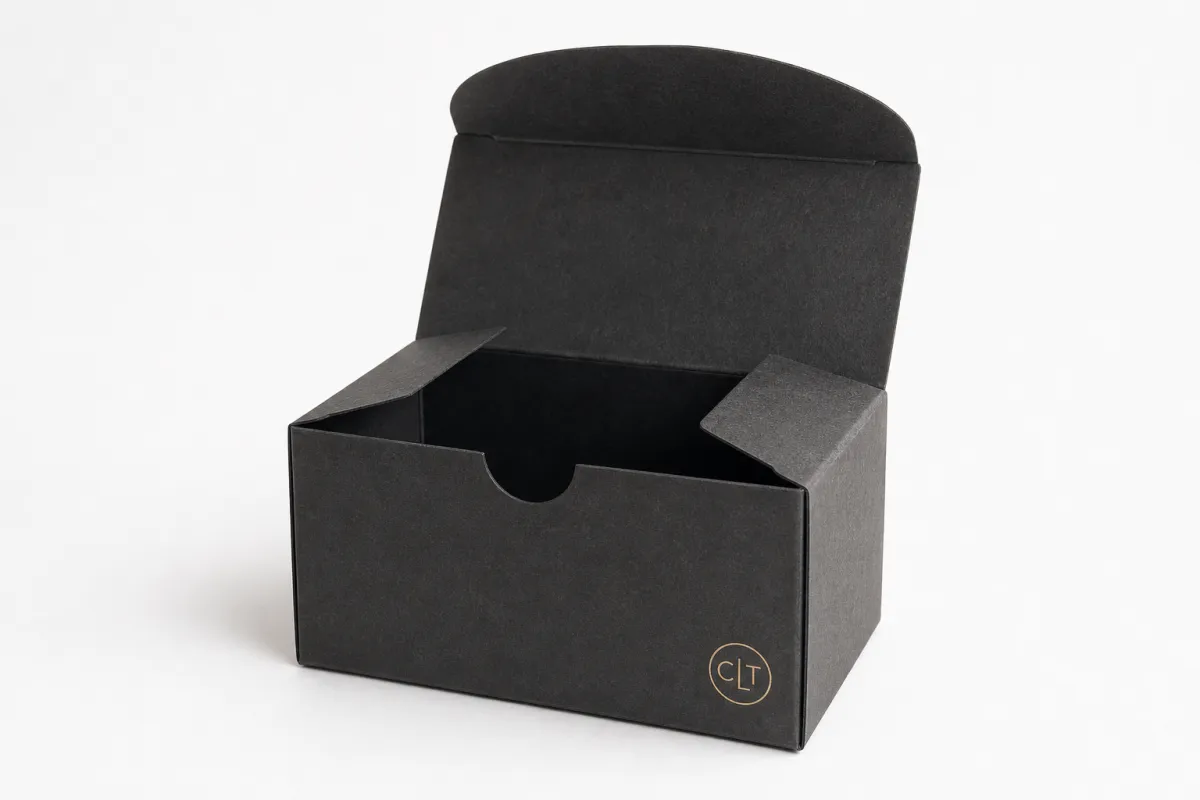
A die cut sustainable boxes supplier builds packaging around the actual product dimensions instead of forcing the product into a generic shape. It sounds simple, yet generic boxes still drain budgets through void fill, oversized cartons, and crushed corners. If the box is too big, freight costs rise. If it is too loose, the product shifts. If it is too weak, the customer opens a damaged package and the “eco-friendly” box becomes a return. That is why the best suppliers start with the item itself, not just a pretty concept drawing.
The greenest box is usually the one that gets there intact the first time. A die cut sustainable boxes supplier should look at the full package system: product weight, stacking strength, transit distance, shelf display, and assembly speed. A box that uses less board but increases damage is not a sustainability win. It is simply a cheaper line item with a more expensive outcome. In other words, you are not just buying a carton; you are buying fewer problems downstream.
Here is what a capable supplier typically handles:
- Dieline development: converting product dimensions into a foldable structure that fits cleanly.
- Board selection: choosing kraft, recycled paperboard, corrugated, or FSC-certified stock based on load and finish.
- Print setup: matching artwork to the right print method so color and coverage stay consistent.
- Die cutting and scoring: forming crisp folds, windows, tabs, and closures without tearing the board.
- Assembly planning: making sure the box is practical for hand packing or automated filling.
A die cut sustainable boxes supplier also has to balance sustainability claims with actual performance. Recycled paperboard is a common choice for lighter retail packaging, while corrugated structures make more sense when the product needs crush resistance or a longer shipping lane. If the box still needs to look premium, the supplier may suggest minimal ink coverage, water-based inks, or a restrained single-color design that keeps the surface clean without turning the packaging into visual clutter.
Practical rule: if the package saves material but increases damage, assembly time, or freight cube, it is not the right box. Packaging should reduce waste across the whole chain, not just in one spec line.
The best die cut sustainable boxes supplier will also talk plainly about tradeoffs. That matters. A glossy laminated box may print beautifully, but if that finish makes recycling harder in your target market, the sustainability story gets shaky fast. A plain kraft structure may be less flashy, but if it protects the product, uses less ink, and stacks efficiently, it often delivers the better total result. No one wants packaging that looks responsible but behaves badly in the real world.
From a packaging buyer’s point of view, the right supplier is the one who prevents surprises. No surprise on fit. No surprise on strength. No surprise on cost after the proof is approved. That is what you are really buying when you choose a die cut sustainable boxes supplier.
How Die Cut Sustainable Boxes Work
The process starts with a dieline. That is the flat template that maps out every panel, flap, crease, and cut. A die cut sustainable boxes supplier uses the dieline to turn a two-dimensional sheet into a box that folds into the right shape. The board is printed first or sometimes printed after initial setup, then die cut, scored, folded, glued, or locked together depending on the style.
That structure is not decorative. It decides how the box performs. Tabs influence closure strength. Creases affect assembly speed. Inserts hold the product in place. Locking flaps can remove the need for tape or extra glue, which helps if you are trying to keep the pack more recyclable and less annoying to handle. A smart die cut sustainable boxes supplier does not treat those details like afterthoughts. They are the product.
The material choice drives a lot of the result:
- Recycled paperboard: good for retail boxes, lighter products, and clean print surfaces.
- Kraft board: useful when the brand wants a natural look and a lower-ink finish.
- Corrugated board: better for shipping strength, compression resistance, and longer transit.
- FSC-certified stock: helps document responsible fiber sourcing through the FSC system.
Not every coating is a problem, but not every coating is harmless either. Water-based coatings can preserve a cleaner sustainability profile than heavy plastic lamination, while soy or water-based inks are often used to reduce the coating burden. A good die cut sustainable boxes supplier should tell you whether a finish still allows recycling in your main market, because “looks recyclable” is not a technical claim. The details matter, and they matter more once the box is actually in circulation.
Customization is where many brands get nervous, because they assume sustainable packaging has to look plain. That is lazy thinking. You can use window cuts, embossing, debossing, restrained foil, or minimal print coverage to keep the pack interesting without drowning it in material. A die cut sustainable boxes supplier who knows what they are doing will push for a design that uses contrast, texture, and structure rather than a flood of ink. Less filler. More intent.
When you are comparing die cut sustainable boxes supplier options, ask how they handle inserts, fold sequence, and board thickness together. A 1.5 mm corrugated structure can feel very different from a 400gsm paperboard box, even if the outer size is the same. The right choice depends on product weight, retail presentation, and whether the box is mainly for shelf display or e-commerce transit. If those use cases are mixed, the structure needs to be chosen carefully so you do not optimize for one and break the other.
Die Cut Sustainable Boxes Supplier Pricing, MOQ, and Quotes
Pricing is where a lot of people guess, and guesswork is expensive. A die cut sustainable boxes supplier usually prices by board grade, size, print coverage, finishing, insert complexity, and how many setup steps the design needs. If your box needs a custom dieline, a multi-panel print layout, and a special insert, the quote will not resemble a plain mailer with one-color print. It should not. Different structures demand different setup time, and that setup cost has to go somewhere.
MOQ exists because setup costs do not care how many units you want. Prepress, die creation, press calibration, and cutter setup happen whether you order 500 pieces or 5,000. That is why the per-unit price drops as the quantity rises. A die cut sustainable boxes supplier is spreading those fixed costs across a larger run. That is the basic math, not a sales trick.
Here is a practical way to think about cost ranges for Custom Die Cut boxes:
| Order Type | Typical MOQ | Unit Price Range | Setup / Tooling | Best Fit |
|---|---|---|---|---|
| Small pilot run | 250-500 units | $1.20-$3.50 | $75-$250 | Launch tests, samples, seasonal drops |
| Standard custom run | 1,000-3,000 units | $0.55-$1.40 | $100-$350 | Most retail and subscription packaging |
| Scaled production | 5,000-10,000 units | $0.28-$0.85 | $150-$450 | Steady reorder programs |
| High-volume program | 20,000+ units | $0.18-$0.60 | Usually amortized into the run | Large retail or fulfillment programs |
Those numbers move with print coverage and board choice. A plain kraft mailer can sit near the low end. A fully printed tuck box with inserts and a specialty finish can move up fast. That is why a die cut sustainable boxes supplier should give you more than a unit price. Ask for tooling, sample cost, freight, and any assembly charge so you can compare the actual landed cost, not just the shiny quote line. If you only compare box price, you are missing the part that actually hits your budget.
There is also a pricing trap that sounds backwards: recycled or FSC-certified stock can cost a little more than basic commodity board, but that does not mean the packaging is more expensive in the long run. If the better board reduces damage, lowers filler use, and ships smaller because the fit is tighter, the total package cost can improve. That is the sort of detail a serious die cut sustainable boxes supplier will walk you through instead of hiding behind “best price.”
Another thing buyers miss is the cost of bad fit. A box that is oversized by even half an inch in multiple directions can increase freight cube enough to matter across a quarter’s worth of shipments. A die cut sustainable boxes supplier who pays attention to dimensions can save money by reducing void space before you ever think about print finishes. That is the kind of savings that does not look dramatic on a quote, but it sure shows up in logistics.
Production Process, Timeline, and Lead Time
The cleanest jobs follow a fairly predictable sequence. A die cut sustainable boxes supplier usually moves from brief to dieline, then to artwork proofing, sample approval, production, quality control, and shipment. If any one of those steps is vague, the schedule starts slipping. Packaging never magically accelerates because someone says “urgent” in all caps.
A realistic timeline depends on complexity. Simple sample approval can happen in a few days if the dieline is settled and the art is ready. Full production often takes longer, especially if the order involves custom tooling, multi-color print, inserts, or special coatings. As a rough working range, many custom jobs land around 12-20 business days after approval, while more complex structures can stretch beyond that if the spec changes midstream. A dependable die cut sustainable boxes supplier will tell you where the time is going instead of pretending every order is a two-day miracle.
Here is where delays usually come from:
- Late artwork changes: moving logos or copy after proof approval pushes the whole schedule.
- Unclear box dimensions: if the product measurements are vague, the dieline is a guess.
- Too many internal approvals: when five people need to say yes, someone always disappears.
- Special finishes: embossing, custom windows, or inserts add steps and inspection time.
- Sample indecision: asking for three rounds of changes to fix one thing burns calendar days.
That is why a die cut sustainable boxes supplier will often ask for the product sample early. The actual item matters more than a spreadsheet. A bottle with a tapered shoulder behaves differently from a straight-sided jar. A folded garment needs different clearance than a rigid accessory. If you want less risk, lock the dimensions early and freeze the spec sheet before production starts. A clean brief is not glamorous, but it saves everyone from guessing.
Quality control matters just as much as the timeline. Ask how the supplier checks cutting accuracy, glue placement, and print consistency. If the box is supposed to protect a product under transit stress, ask whether they use test methods aligned with ISTA procedures or equivalent packaging distribution testing. For many buyers, that kind of discipline is the difference between “we shipped boxes” and “the boxes actually worked.”
One more practical point: a die cut sustainable boxes supplier that offers a clean proofing process saves you from making design choices on guesswork. If they can provide a blank sample, a printed sample, and a folded prototype, you can catch panel interference, fold problems, and logo placement issues before full production starts. That is a cheaper lesson than discovering the problem at receiving. I would rather spend an extra day on samples than spend a week sorting out a run that looked fine on screen and wrong in hand.
Key Factors to Compare Before You Pick a Supplier
Here is where buyers get serious or get burned. A die cut sustainable boxes supplier should be judged on technical capability first, not on the prettiest sales deck. Can they build your structure? Can they handle the material you want? Can they print the finish you need without outsourcing the hardest step and acting surprised later?
Sustainability claims need paperwork, not vibes. Ask for FSC certification if the source matters, recycled content details if the claim is important to your brand, and clear language around recyclability or compostability if you plan to make those statements. If you want to keep your messaging defensible, use documentation from the supplier and check it against the relevant standard. The FSC site is a good reference point for fiber sourcing claims. If the supplier cannot show the paperwork, the claim is still just marketing copy.
A strong die cut sustainable boxes supplier should also help with design decisions. Good support looks like this: they flag a weak panel, warn you when a fold line cuts through critical copy, or suggest a structure that reduces board use without sacrificing strength. Bad support looks like “approved as submitted” right up until the box fails in production. That is a painful way to learn the difference between a vendor and a packaging partner.
Use these questions to compare suppliers side by side:
- Do they provide dieline support or only print what you send?
- Can they explain why a specific board grade fits your product weight?
- Will they give a sample that matches the actual run conditions?
- Do they document sustainability claims in writing?
- How do they handle miscuts, glue failure, or print variation?
Consistency is another big one. A die cut sustainable boxes supplier should be able to talk about tolerance, color variation, and sampling. If the first sample looks good but the production run drifts badly, you do not have a supplier problem you can ignore. You have a product presentation problem, and those tend to get expensive very quickly. A small shift in print registration or fold accuracy can be enough to make the whole pack feel off.
Communication is not a soft metric. It is operational. The best suppliers ask the right questions early: what is the product weight, where is it shipping, how is it packed, what does the customer see first, and what is the acceptable tradeoff between premium appearance and recyclability? If your supplier never asks those questions, they are not really designing packaging. They are just taking orders. And that usually means you will do the hard thinking for them later.
From a buyer’s perspective, the best die cut sustainable boxes supplier is the one that reduces ambiguity. You want a partner who can translate a brand brief into a box that can survive production, freight, and customer handling without turning sustainability into a marketing costume.
Common Mistakes When Sourcing Sustainable Die Cut Boxes
The easiest mistake is choosing only by unit price. A die cut sustainable boxes supplier might quote a lower number on a lighter board, but if that board fails during shipping, the real cost shows up as damaged goods, repacking labor, and customer complaints. Saving eight cents on packaging is not a win if you spend three dollars fixing what it broke. That math is ugly, but it is the math.
The second classic mistake is approving artwork before the dieline is final. People get excited about logos, then discover the logo lands on a fold or the barcode sits too close to an edge. A good die cut sustainable boxes supplier will warn you, but the design still has to be checked by someone who understands the structure. Packaging is geometry with a budget, and the box will not forgive lazy assumptions.
Greenwashing is the third trap. Kraft-looking packaging is not automatically sustainable. Recycled content is not automatically recyclable in every finish. Laminations, heavy coatings, and mixed materials can complicate end-of-life handling. If you want a stronger claim, ask the supplier how the box behaves in the waste stream and what tradeoff the finish creates. That is how you keep the story honest instead of dressing up ordinary board in eco language.
Buyer warning: if a supplier talks endlessly about “eco” packaging but cannot explain board grade, coating choice, or testing method, that is not sustainability. That is decoration.
Timeline mistakes are equally common. Ordering late leaves no room for samples, revisions, or transit delays. Then someone discovers that a simple proof cycle has turned into a rush fee. A die cut sustainable boxes supplier can move fast, but they cannot compress physics, tooling, and approvals into a fantasy schedule. The calendar is going to win, every time.
There is also a sneaky warehouse mistake: not thinking about assembly time. If the box requires awkward folding or extra insert placement, the labor cost can quietly rise. A structure that packs faster often beats a slightly cheaper box that eats minutes at the packing table. The best die cut sustainable boxes supplier will ask how the box will be assembled and whether the labor model matters, because a box that is easy to build is usually easier to keep consistent.
Finally, people sometimes forget shipping reality. A beautiful box that does not stack well or compresses badly in transit is a liability. If the box is meant for e-commerce, test it under realistic conditions. If it is for retail, check shelf footprint and display behavior. A die cut sustainable boxes supplier should be able to recommend a structure that fits the way your product actually moves, not the way a mockup looks in a render. Real cartons do not care about presentation slides.
Expert Tips and Next Steps for Your Order
If you want fewer surprises, start with a sample-first mindset. Request a blank sample, a printed sample, and if possible a prototype packed with the actual product. A die cut sustainable boxes supplier that can give you all three is usually far easier to work with than one that only sends a flat render and a promise. Real product, real box, real fit. Amazing how much that helps.
Build your own comparison sheet before you choose. List the board type, MOQ, quote total, lead time, sustainability credentials, sample cost, and assembly requirements. That way every die cut sustainable boxes supplier is being judged against the same brief. Without that, buyers end up comparing one supplier’s included tooling against another supplier’s lower unit price, which is how bad decisions sneak in wearing a nice suit. A tidy spreadsheet is boring, sure, but it keeps the conversation grounded.
Use shipping reality as a filter. Ask whether the box stacks cleanly, resists compression, and reduces void fill. If the answer is yes, you are probably closer to the right structure. If the answer is “it should be fine,” keep looking. A good die cut sustainable boxes supplier should be able to explain how the design behaves under pressure, not just how it looks in a mockup. That is a small distinction on paper and a huge one in practice.
If you are still defining your product line, it can help to compare packaging formats first and then decide where the custom dieline is actually worth it. You can use our Custom Packaging Products page to review other structures, then narrow the spec before you request samples. That is usually faster than asking five suppliers to reinvent the same box from scratch.
Here is the shortest path to a better order:
- Lock the product dimensions and weight.
- Choose the shipping method and retail requirement.
- Ask for a dieline and a blank sample.
- Check material, finish, and sustainability documentation.
- Compare the full landed cost, not just unit price.
That process sounds boring because it works. And the more boring the packaging review, the fewer surprises you get in production. A die cut sustainable boxes supplier should make your box easier to ship, easier to assemble, and easier to justify to your customer. If a supplier can do that while keeping the spec honest, you are in good shape.
For brands that want the cleanest decision possible, send the same brief to each die cut sustainable boxes supplier, compare the replies side by side, and choose the one that is strongest on fit, Cost, and Timeline. Not the loudest one. Not the one with the prettiest rendering. The one that proves it can build a box that protects the product, respects the material, and shows up on schedule. That is the whole job, and it is the part worth doing well.
How do I choose a die cut sustainable boxes supplier for a new product?
Start with structure and fit. A good die cut sustainable boxes supplier should ask for product dimensions, weight, shipping method, and any retail display requirement before quoting. Then check sustainability proof, not just marketing language, and ask for samples before you approve production. If the supplier skips those basics, you are probably not getting a tailored solution.
What materials work best for die cut sustainable boxes?
Recycled paperboard and kraft board are common for lighter retail and mailer applications. Corrugated or heavier board is better when the product needs crush resistance. The best choice depends on product weight, print needs, and whether the box must remain recyclable or meet another end-of-life goal. There is no universal winner, which is why material selection should follow the product instead of the trend.
How much does a die cut sustainable boxes supplier usually charge?
Price depends on size, board grade, print coverage, finishing, and order quantity. A die cut sustainable boxes supplier usually lowers the unit price as volume rises because setup costs get spread out. Always compare the full landed cost, including samples, tooling, freight, and any assembly fees. That gives you a cleaner view of what the packaging will really cost once it is in motion.
What is the typical lead time for die cut sustainable boxes?
Simple projects can move quickly once artwork and dielines are approved. More complex structures, special coatings, or inserts usually add time. Late approvals and design changes are the biggest reasons orders slip, which is why freezing the spec early matters. If you need a tighter schedule, ask the supplier what can be locked first and what absolutely cannot move.
Can a die cut sustainable boxes supplier handle small runs?
Yes, but small runs usually have higher unit costs because setup is spread across fewer boxes. Some suppliers offer lower MOQ options for launches, seasonal products, or startup batches. If you are testing a new item, ask whether the price includes tooling, proofing, and any minimum print or material charges. If the first order performs well, scale with the die cut sustainable boxes supplier that proved fit, print Quality, and Lead Time on the actual product, not just on a PDF.