Buyer Fit Snapshot
| Best fit | Factory Direct Poly Mailers projects where brand print, material claims, artwork control, MOQ, and repeat-order consistency need to be specified before quoting. |
|---|---|
| Quote inputs | Share finished size, material target, print colors, finish, packing count, annual reorder estimate, ship-to region, and any compliance wording. |
| Proofing check | Approve dieline scale, logo placement, barcode or warning zones, color tolerance, closure strength, and carton packing before bulk production. |
| Main risk | Vague material claims, crowded artwork, missing packing details, or unclear freight terms can make a low unit price expensive after revisions. |
Fast answer: Factory Direct Poly Mailers: Cost, Quality, and Lead Time should be specified like a repeatable production item. The safest quote records material, print method, finish, artwork proof, packing count, and reorder notes in one written spec.
Production checks before approval
Compare the actual filled-product size with the drawing, then confirm tolerance on folds, seals, hang holes, label areas, and retail display edges. Reserve space for logos, QR codes, warning copy, and material claims before decorative graphics fill the panel.
Quote comparison points
Review material grade, print process, finish, sampling route, tooling charges, carton quantity, and freight assumptions side by side. A quote is only useful when the supplier can repeat the same color, closure quality, and packing count on the next order.
Factory Direct Poly Mailers: Cost, Quality, and Lead Time
At Custom Logo Things, the discussion around factory direct poly mailers usually starts with the number everyone can see: unit price. That number matters, but it rarely tells the whole story. A low quote can hide freight, print setup, carton changes, rework, and the cost of bags that fail inspection, while factory direct poly mailers often shift the equation by removing a reseller layer and putting more of the specification in the buyer's hands.
The sharper question is not, “What does each bag cost?” It is, “What does each usable mailer cost after it reaches the warehouse, passes inspection, and actually survives packing?” Those are different numbers. A seller shipping 400 or 4,000 parcels a week feels the difference quickly. A two-cent spread on factory direct poly mailers looks tiny on paper, then turns into a meaningful budget line over a year of orders.
Plainly put: buying direct means going to the manufacturer or converter rather than a distributor, marketplace seller, or private-label middle layer. That direct relationship can improve control over film thickness, seal strength, print position, recycled content claims, and even how the mailers are packed for receiving. For many brands, factory direct poly mailers are less about hunting the lowest quote and more about cleaning up the whole packaging workflow.
The most useful frame is simple: compare factory direct poly mailers on landed cost, quality consistency, and lead time. Do that, and the direct model can win for reasons that show up in both the spreadsheet and the shipping dock. Skip those details, and the cheapest quote can turn into the most expensive mistake.
What Factory Direct Poly Mailers Really Mean
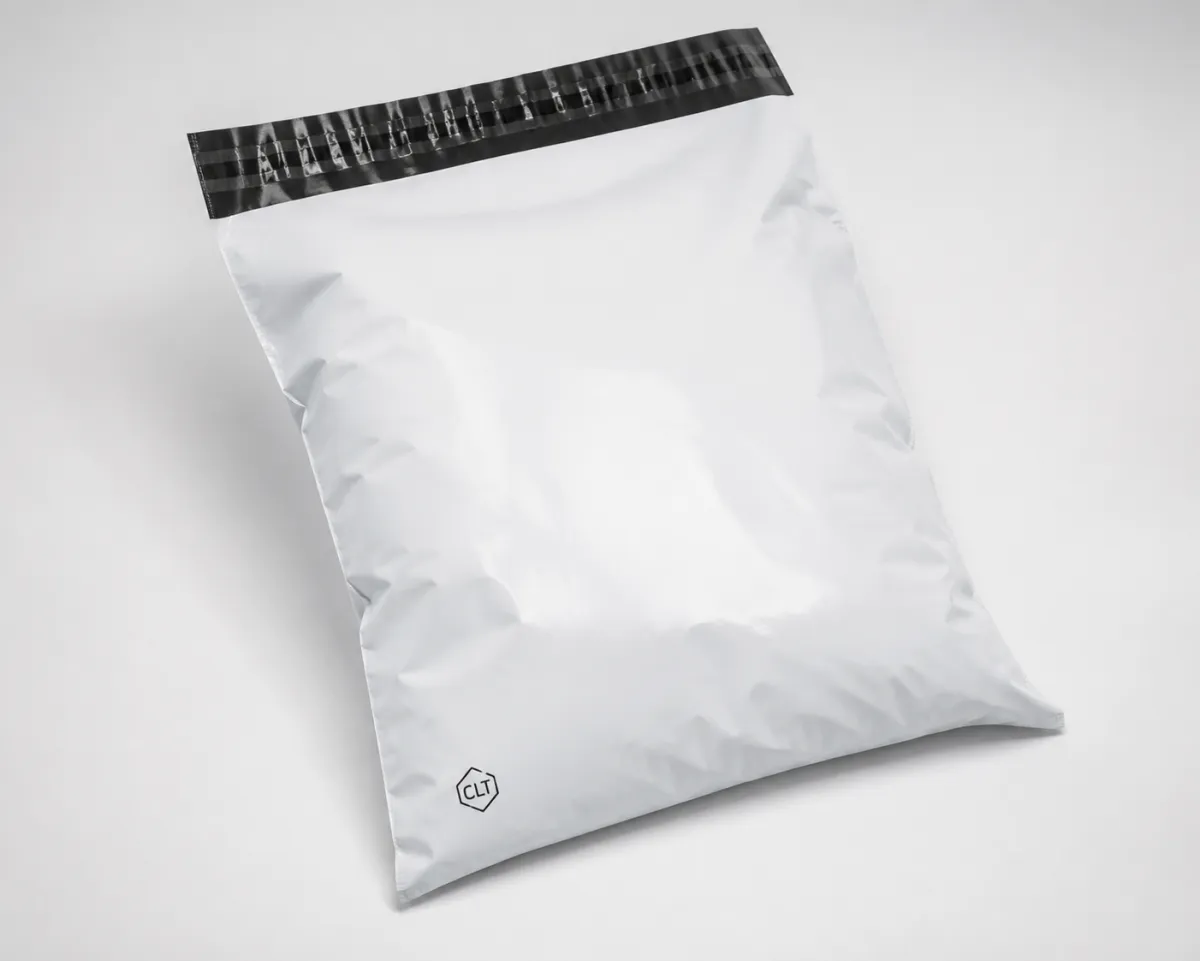
Factory direct poly mailers mean exactly what the phrase says: poly mailers purchased from the maker instead of a middleman. No distributor margin. No relabeling. No guessing whether the sample on your desk matches the run on the factory floor. That does not make the bags automatically better, but it does change the buyer's control. Direct contact lets you ask for a tighter film gauge, a different adhesive strip, better print registration, or a carton count that fits your receiving process.
The twist is that the cheapest-looking quote is often not the least expensive order. A distributor may bundle services, while a factory may offer a lower unit price, yet freight, customs handling, setup charges, and spec drift can erase the gap. That is why factory direct poly mailers should be judged by landed cost, not by one line in a quote sheet. For a brand shipping 500 orders a week, a two-cent difference becomes real money fast. Over twelve months, that is not pocket change; it is a budget item.
Direct communication matters because it reduces distortion. Apparel sellers may need a mailer that keeps its seal under tension and resists tearing at the fold. Cosmetics brands may care more about print clarity and clean presentation. Warehouses using automated packing may need slit width, stack height, and opening behavior to stay consistent so the line does not slow down. Factory direct poly mailers make those details easier to specify before production starts, and that is where many orders succeed or fail.
One detail gets ignored too often: the package format itself. Some suppliers ship poly mailers loose in bulk. Others carton them in a way that works better for your storage space and receiving flow. That sounds minor until a warehouse team burns half a shift breaking down awkward packs. With factory direct poly mailers, the packing spec is part of the value, not an afterthought.
The lowest quote is rarely the truest quote. In packaging, the real cost usually shows up after freight, setup, and the first production run.
So the better approach is to think like a packaging buyer, not a catalog shopper. Ask what you are getting, how it arrives, and how it performs after a few thousand shipments. Those answers usually reveal more than the first price line on factory direct poly mailers.
How Factory Direct Poly Mailers Are Made and Shipped
Factory direct poly mailers move through a production chain that looks simple from the outside and becomes complicated the moment a spec is vague. The process usually starts with resin or film selection. The supplier chooses virgin polyethylene, recycled content, or a blend depending on the intended use, thickness target, and cost structure. From there, the film is extruded, printed, slit, converted into bag form, sealed, packed, and shipped. Any step can introduce variation if the details are not locked down.
Customization happens in more places than most buyers expect. Size is the obvious one. So are opacity, matte or gloss finish, adhesive closure type, tear strip, resealable strip, and whether the outer film stays plain, carries a logo, or carries a full-bleed design. For factory direct poly mailers, each variable affects cost and lead time. A simple one-color print on a standard size is a different job from a full-color custom run with a special closure and a nonstandard pack count.
The approval loop protects the order. A typical sequence looks like this:
- Quote based on size, thickness, print coverage, and quantity.
- Artwork review to check bleed, resolution, and logo placement.
- Digital proof or mockup for customer approval.
- Sample confirmation or pre-production sample if needed.
- Mass production and in-line QC inspection.
- Packing, carton labeling, and final shipment.
That process feels formal, yet it is the reason factory direct poly mailers can be more predictable than marketplace buys. The buyer is not just taking whatever a listing shows. The buyer is approving a spec. If the factory responds well, that spec can be tight. If the spec is sloppy, the order can drift in small ways that become expensive later.
Stock and custom orders behave differently. Stock factory direct poly mailers often move faster because the film and size already exist, so the factory mainly cuts, seals, and packs. Custom orders add more variables, especially if the buyer wants a unique size or a specific color palette. The direct route still helps by cutting out handoffs, but it does not erase the need for proofing and production control.
Before production starts, confirm the details that tend to get blurry later: exact dimensions, measured thickness, closure type, print colors, ink coverage, carton pack count, and shipping terms. If a factory quotes factory direct poly mailers without locking those specs, the order is more exposed to substitution than it should be.
For buyers comparing suppliers, the production map matters as much as the unit price. The clearer the process, the easier it becomes to spot a shortcut that saves time and a shortcut that only hides risk.
Factory Direct Poly Mailers Cost, MOQ, and Unit Pricing
Pricing for factory direct poly mailers moves with a handful of variables, and each one can swing the number more than buyers expect. Size is the obvious lever. A small apparel mailer uses less material than a larger bag for outerwear or boxy products. Thickness changes the cost too: a 2.5 mil mailer usually costs less than a 4 mil version because it uses less film and may run faster through production. Print coverage, number of colors, matte versus gloss, and special closures all add cost. Packing format can also affect the quote if the factory needs to rework cartons to match your receiving setup.
MOQ is where the economics become concrete. Minimum order quantity spreads setup work across the run, so lower quantities often carry a higher unit price. If the factory must create plates, calibrate the print line, inspect the run, and pack the finished bags, that work has to be recovered somewhere. With factory direct poly mailers, a 1,000-piece order can be useful for testing, but a 5,000-piece or 10,000-piece run may deliver a better unit rate because the fixed work is diluted across more bags.
Here is a practical comparison for buyers who want to see how the math shifts. These are illustrative ranges, not promises, because design complexity, freight route, and factory capacity all change the result.
| Order Type | Typical Quantity | Estimated Unit Price | Setup and Freight Impact | Best Fit |
|---|---|---|---|---|
| Stock, unprinted | 500-2,000 | $0.10-$0.18 | Low setup; freight can dominate small orders | Fast testing or temporary use |
| Custom printed, small run | 1,000-3,000 | $0.18-$0.32 | Artwork, proofing, and freight spread across fewer units | New launches and pilot programs |
| Custom printed, repeat order | 5,000-20,000+ | $0.11-$0.24 | Setup diluted; better freight efficiency per unit | Established e-commerce shipping programs |
The better metric is not factory unit price. It is cost per shipped, usable mailer. That includes the bag price, freight to your destination, duty or import handling if it applies, and the expected waste rate. If one quote for factory direct poly mailers is six cents lower but brings more rejects or awkward cartons, the cheaper quote is not really cheaper.
Quote terms matter too. Ex-works pricing means the buyer handles pickup and transport from the factory. FOB pricing shifts part of the logistics responsibility to the origin port. Delivered pricing may look higher at first glance, yet it can simplify budgeting because freight is built in. With factory direct poly mailers, comparing those terms without normalizing them is one of the fastest ways to make the wrong call.
For a concrete example, picture a 2-color custom order of 5,000 mailers. The factory quote may land at $0.21 per unit, plus a modest setup charge and ocean freight. A similar 1,000-piece order might land around $0.30 to $0.38 per unit because the same prep work gets spread over fewer bags. That does not mean the smaller order is wrong. It means factory direct poly mailers reward scale, and the buyer should know whether the goal is testing, seasonality, or a steady supply program.
If you are price-shopping, keep every spec identical. Size, thickness, print colors, closure style, and quantity should match from quote to quote. Otherwise you are not comparing suppliers; you are comparing different products that happen to share a name.
A simple landed-cost lens
From a packaging buyer's point of view, the useful question is: how much does each bag cost after it lands and passes inspection? That view usually exposes hidden expense faster than a raw factory quote. It also explains why factory direct poly mailers can beat distributor options on repeat orders, even when the first invoice looks only a little lower.
Factory Direct Poly Mailers Production Steps, Lead Time, and Turnaround
Lead time gets muddled because buyers often blend production time and transit time into one bucket. Those are separate clocks. Factory direct poly mailers may take 10 to 20 business days after artwork approval to produce, but shipping can add a few days by air or several weeks by sea. If a supplier calls the run “fast” without separating manufacturing from freight, the promise is incomplete.
The timeline usually moves in a familiar order. Inquiry comes first, then spec lock, then proofing. After that, the factory confirms materials, schedules the line, and begins production. If the order includes custom print, the proof stage matters more than many buyers realize, because a small color change or logo shift can move the schedule. With factory direct poly mailers, the cleanest jobs are the ones where the buyer sends a precise spec sheet and answers proof questions quickly.
Several common issues stretch lead time:
- Artwork revisions after the first proof.
- Seasonal congestion in the factory schedule.
- Material shortages or resin price volatility.
- Special finishes, extra print colors, or nonstandard sizes.
- Ocean freight bookings that miss the intended sailing.
Those delays do not always trace back to the factory. Quite often they start with decision lag on the buyer side. The more variables in the order, the more chances a small delay has to become a large one. That is why factory direct poly mailers work best when the order starts from a spec sheet instead of a loose email thread that leaves room for interpretation.
For planning, a standard stock order may be ready faster than a custom printed run, while a larger repeat order may move more quickly than a tiny one because the factory can schedule it more efficiently. Rush orders are possible in some cases, but they often require air freight, and air freight can erase the savings that direct purchasing was meant to create. If timing matters, build a buffer into the calendar rather than hoping the factory, warehouse, and carrier all hit the mark at once.
One useful way to think about the timeline is in three buckets:
- Production turnaround: how long the factory needs to make the bags.
- Transit time: how long the shipment takes to move to you.
- Receiving and approval time: how long your team needs to inspect, accept, and store the order.
In practice, factory direct poly mailers are usually fastest when all three buckets are planned together. Production can be efficient and still miss the business need if transit is ignored, and transit can be fast while receiving slows everything down. The best buyers treat the order like a project, not a one-line purchase.
Key Factors That Decide Quality and Performance
Quality in factory direct poly mailers is not a vague impression. It is a stack of measurable traits: thickness, puncture resistance, seal integrity, opacity, print durability, and fit. The biggest mistake buyers make is assuming thicker always means better. A heavy bag that is too large for the product can create slack, shifting, and abrasion inside the mailer. A lighter bag that fits properly may protect better because the contents cannot move as much.
Thickness matters, but it should be read alongside product shape. Light apparel often works well around 2.5 to 3 mil. Heavier or sharper-edged items may need 3 to 4 mil or more. That range is only a starting point. If the product has zippers, hard corners, or uneven edges, test the real item in the real bag. Factory direct poly mailers should be judged in the actual fulfillment setup, not just on the spec sheet.
Closure quality shapes the customer experience more than many brands expect. A weak adhesive strip can lead to returns, tampering concerns, and complaints from buyers who receive open or partially open packaging. A strong closure should bond consistently across the full flap width, even in warehouses with dust, humidity, or quick pack-out conditions. For e-commerce apparel and soft goods, the closure on factory direct poly mailers is one of the most important details in the order.
Print durability is the other obvious checkpoint. If the ink smears, scuffs, or fades in transit, branding suffers before the customer even opens the parcel. Clean registration, steady color, and a surface finish that resists abrasion all matter. Opacity matters too, especially if you are shipping premium products and want to avoid show-through. A white or black outer layer hides contents better than clear or semi-transparent film, but the right choice still depends on brand style and budget.
Testing standards help here. Packaging buyers often look to handling and transport testing through organizations such as ISTA, especially when products need to survive distribution abuse. For film properties, ASTM methods can help define tensile or puncture behavior. You do not need to turn every mailer order into a lab project, but you should know whether the supplier has done more than say, “It looked fine on the table.”
Sustainability claims deserve scrutiny, not slogans. If a supplier says the film contains recycled content, ask for documentation. If a brand wants to reference broader packaging sustainability goals, the EPA has useful background on recycling strategy and material recovery. If certified forest content matters in the broader packaging system, FSC documentation may matter for printed cartons or inserts. None of that automatically makes factory direct poly mailers more sustainable, but it helps separate real claims from marketing gloss.
Fit is often the hidden quality factor. A mailer that is the right size protects the product better than a heavier one with too much empty space. Extra slack can create folded corners, pressure points, and a sloppy unboxing experience. The smart move is to match the mailer to the product geometry, not just the product weight. That is where factory direct poly mailers can stand out, because the buyer can request a more exact size than off-the-shelf options usually offer.
If you are deciding whether to upgrade, think in failure modes. Will the bag puncture? Will the seal fail? Will the print chip? Will the contents shift? Those questions are more useful than “Is this the thickest option?” because they connect the material choice to actual performance.
Common Mistakes When Ordering Factory Direct Poly Mailers
The biggest mistake is comparing unit prices without adding freight, duties, setup fees, sample charges, and the cost of rejected bags. A quote for factory direct poly mailers can look attractive until the extras appear. A lower quote with higher freight or a higher reject rate may cost more than a cleaner order that starts a little higher.
Wrong dimensions are another expensive error. Oversized mailers use more film than needed, which can make them look wasteful and push up cost per shipment. Undersized mailers split at the seams, especially if the product is rigid or the warehouse packs quickly. With factory direct poly mailers, the right size is usually the one that leaves enough room for loading without leaving too much slack.
Skipping samples is risky. A digital proof can confirm layout, but it cannot tell you how the adhesive feels, how the film tears, or how the bag
FAQ
What should I verify before ordering Factory Direct Poly Mailers?
Confirm the product size, material, print method, quantity, sample route, packing count, and delivery date. A clear packaging spec is easier to quote, easier to approve, and easier to reorder.
How many samples should I review before bulk production?
At minimum, review one production-grade sample or proof that shows scale, color, logo placement, finish, and packing fit. For high-volume orders, keep the approved sample as the reference standard.
What usually changes the final cost?
Material grade, printing method, finish, tooling, quantity, packing method, revision count, and freight assumptions can all move the final price.


