Ecommerce Printed Poly Mailers Reorder Plan for Buyers
A missed replenishment on an ecommerce Printed Poly Mailers reorder plan can turn into rush freight, a packaging substitution, or a slowdown at pack-out. The issue is not only running out of bags; it is the disruption that follows when fulfillment has to improvise.
That is why repeat packaging buying needs a clear spec, controlled artwork, and a reorder trigger that comes before inventory gets tight. If your team is reviewing Custom Poly Mailers, comparing broader Custom Packaging Products, or sourcing through Wholesale Programs, the buyer still needs the same basics: stable construction, clear pricing, workable MOQ, and a lead time that fits demand.
Why an ecommerce printed poly mailers reorder plan matters
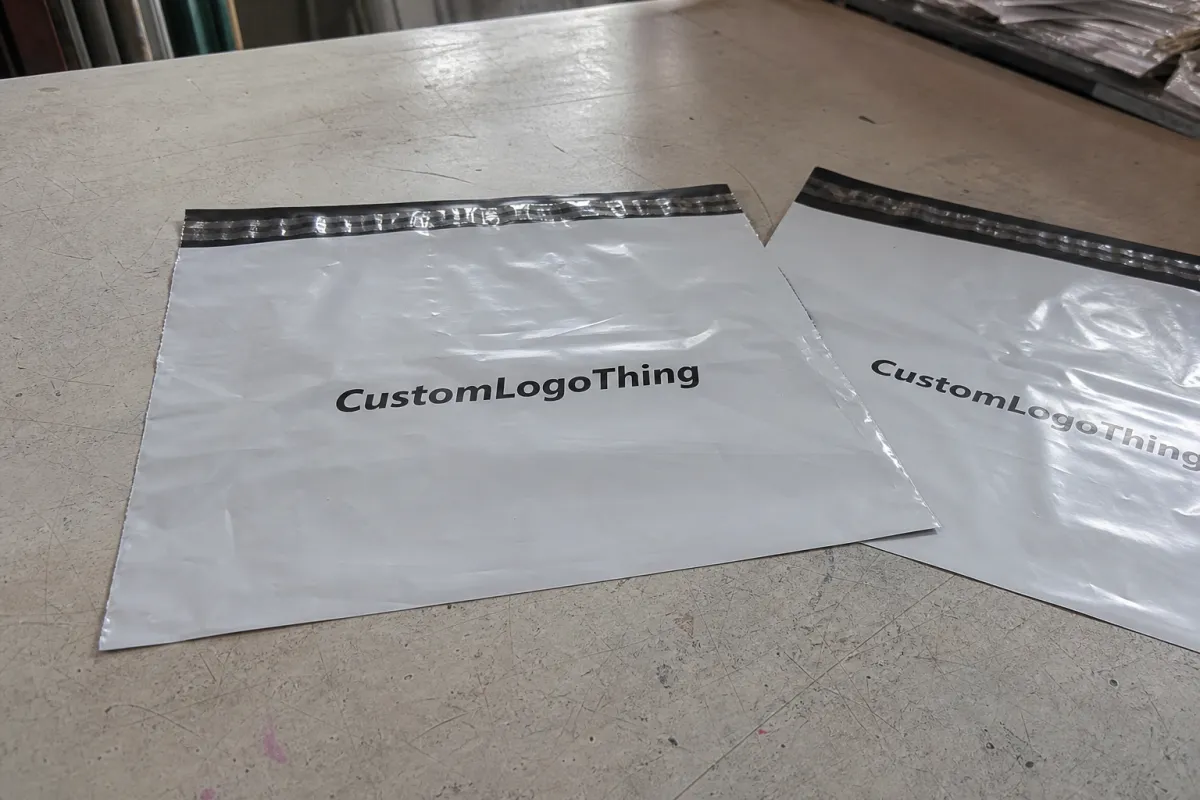
Running out of printed mailers is more than a branding issue. It interrupts the shipment flow, adds decision-making at the pack line, and can force the team to switch to a plain bag or a backup supplier. Those changes cost time even before they cost money.
An ecommerce Printed Poly Mailers reorder plan belongs beside labels, tape, and void fill in the inventory calendar. The buyer is managing a consumable that affects throughput, presentation, and margin at the same time. A good plan keeps the size, film thickness, closure, and artwork aligned from one reorder to the next.
The risk rises during uneven demand. Apparel brands, subscription sellers, and seasonal promotions can move from normal usage to a spike in a few days. If the reorder is late, the recovery cost often shows up in expedited freight and fulfillment friction. A small unit savings does not matter much if the team pays more to restore service levels.
A structured reorder process also reduces internal debate. Once the spec sheet is locked and the approval path is clear, repeat orders move faster because the team is not re-litigating the same choices each time. That kind of repeatability is one of the main reasons buyers keep the same packaging program in place.
Mailer styles that fit your shipping profile
Not every printed poly mailer should be built the same way. The best construction depends on product weight, shape, surface texture, and how much handling the parcel will see. Matching the mailer to the shipping profile usually improves performance and avoids paying for film the product does not need.
- Standard flat mailers fit apparel, flat soft goods, and low-profile accessories.
- Gusseted mailers add room for bulkier items or bundles without overstressing the seams.
- Co-extruded films are often chosen for better puncture and tear resistance.
- Opaque mailers reduce show-through and support privacy-sensitive shipments.
Seal performance matters as much as format. A bag that looks fine on paper but fails when fully loaded is not a usable spec. Buyers should ask how the closure behaves under realistic fill, not only in a sample test on a desk.
Print placement affects both cost and operations. One-sided branding is usually simpler and cheaper. Two-sided printing creates more brand space, but it raises setup sensitivity and can complicate alignment. Leave enough clean area for shipping labels and internal scanning stickers if the pack line needs them.
The practical question is not which mailer looks best in a mockup. It is which one survives the product, the pack line, and the carrier network without extra touches. Overspecifying increases cost; underspecifying increases damage claims and rework.
Thickness, seal strength, and print specs that protect the run
Thickness is not just a line on a spec sheet. It changes puncture resistance, seam durability, and the way the mailer behaves during stuffing and transport. A lighter film may be fine for a folded T-shirt, but too thin for a product with sharp edges or heavier weight.
Many buyers compare 2.0 mil, 2.5 mil, and 3.0 mil constructions because those ranges usually balance cost and performance well for ecommerce use. A 2.0 mil mailer can work for simple soft goods. A 3.0 mil option may be better if puncture resistance matters or if damage rates have already shown up in transit.
Size matters in two ways: outside dimensions and usable fill space. A mailer can look right on a drawing and still fail if the closure area is short or the seam is stretched at the edge of the fill limit. Ask for the usable cavity, not only the printed dimensions.
Artwork specifications need the same discipline. Before reordering, confirm the file format, color target, print panel size, and any rules around ink coverage. Version control matters because a stale logo or outdated legal line can create a full run that does not match the current brand file.
- File format accepted by the supplier, usually vector art or high-resolution print files.
- Pantone references or approved color targets if brand color consistency matters.
- Ink limits if the print method restricts heavy coverage.
- Print panel size so the design stays within a repeatable area.
- Version control so production does not use outdated artwork.
Quality checks should go beyond visual approval. Confirm opacity, water resistance, seam integrity, and batch consistency. If the supplier makes recyclability or sustainability claims, those claims should match the actual film structure and the documentation behind the product. Buyers with internal standards should ask for proof rather than accepting broad claims.
Testing frameworks can help frame expectations. Transit testing from groups such as ISTA is useful when shipment stress is a concern, and material behavior can be discussed against methods such as ASTM tensile testing where relevant. Not every order needs lab-level validation, but the buyer should still ask whether the mailer has been evaluated in a way that matches how it will actually be used.
Cost, pricing, MOQ, and quote drivers you can control
Printed poly mailer pricing is built from more than one number. Unit price matters, but so do setup charges, proofing, freight, boxing, and any extra handling fees. A low bag price can still become expensive once freight lands, so buyers should compare landed cost.
MOQ tiers usually improve pricing because setup cost gets spread across more units. For repeat buyers, the difference between 5,000 and 10,000 units can be large enough to justify a longer planning window. If the size and artwork will stay the same, a larger run often delivers better value than several smaller ones.
| Mailer option | Typical MOQ | Typical unit range | Best fit | Main tradeoff |
|---|---|---|---|---|
| Standard flat, one-color print | 5,000+ | $0.12-$0.22 | Apparel, flat soft goods | Lowest cost, limited expansion room |
| 2.5-3.0 mil film, one or two colors | 5,000-10,000 | $0.18-$0.32 | Heavier soft goods, stronger handling needs | Higher material cost, better durability |
| Gusseted or co-extruded construction | 10,000+ | $0.24-$0.42 | Bulkier items, higher tear resistance | More material and often a longer lead time |
Several levers affect cost in predictable ways. Fewer print colors usually reduce complexity. Standard sizes are easier to repeat. One-sided decoration is generally cheaper than two-sided printing. Combining multiple small SKUs into one larger run can also improve value if the product mix allows it.
Ask for quotes that separate product price from setup and freight. That makes comparison much cleaner. If one supplier shows a lower bag price but hides a larger setup fee, the headline number stops being useful. The most useful quote lists the exact quantity, color count, size, shipping destination, and whether the run is a true repeat or a revised version.
If the spec changes, the economics usually change too. A slightly larger bag, a thicker film, or an extra print color can alter the quote structure. That does not mean the change is wrong. It means the buyer should ask for the cost impact before approval.
Proofing, production steps, and lead time from reorder to ship
A repeat order should follow a clear path: intake, artwork review, digital proof, buyer approval, printing, finishing, quality check, and shipment. If any step is vague, the schedule stretches. Production teams cannot correct what they were never told to match.
Simple repeat runs often move faster than first-time orders because the spec is already approved. If the artwork stays unchanged and the film spec remains the same, many suppliers can turn a reorder in roughly 10 to 15 business days after proof approval. Add a color change, a new layout, or a special film requirement, and the window can extend.
Most delays come from the same issues:
- Missing or low-resolution artwork files.
- Unclear confirmation of size or film thickness.
- Late proof approvals from the buyer side.
- Freight changes after production has already started.
A reorder should include a buffer. If peak season, a launch campaign, or a subscription drop is approaching, the purchase should start well before the shelf is nearly empty. Build backward from usage rate, then add time for proofing and transit. Starting when inventory reaches the next 30 to 45 days of use is a practical baseline for many programs.
Ownership matters too. One person should have final approval authority, or at least a clear tie-break path. If marketing, operations, and procurement all send separate instructions, the proof cycle slows down and the supplier gets conflicting edits.
Shipping method deserves one more check before the order goes live. Air freight can rescue a low-stock situation, but it often wipes out the savings from a careful unit price. Ocean freight improves cost for larger runs, but it requires more lead time and tighter inventory discipline. The transport method should fit the reorder plan, not replace it.
What a dependable supplier should deliver on every repeat order
A dependable supplier does more than accept a purchase order. The real value is in preserving the repeat spec. Stored artwork files, version control, a clear spec sheet, and a documented approval trail save time on every future run.
Color consistency is one of the first places weak control shows up. Some variation is normal in any print process, but it should be bounded and documented. The same applies to dimension tolerance and print registration. If a bag shifts a few millimeters, it may still be usable. If the shift keeps recurring, the supplier should be able to explain why.
Responsiveness matters as well. Repeat packaging buyers need quick answers on quantities, ship dates, and freight because decisions are time sensitive. A supplier that answers with exact specs and realistic timing helps protect service levels. A supplier that answers vaguely creates extra review and slower replenishment.
For sustainability or compliance-sensitive programs, documentation is more useful than slogans. If a supplier references fiber sourcing, chain-of-custody, or recycled-content claims, those statements should be backed by traceable paperwork. The same logic applies to transit testing and fulfillment requirements. Standards from FSC and test frameworks supported by ISTA are better reference points than marketing language.
The best vendors also ask for the prior order reference, verify whether anything changed, and flag mismatches before production begins. That protects the buyer from small errors that only show up after the goods are already in transit.
Next steps to place the reorder without delays
If the goal is a clean repeat purchase, start with three inputs: confirmed mailer size, recent usage volume, and the final artwork or approved spec sheet. Those pieces remove most of the friction before quoting even begins.
A practical reorder point can be built from weekly burn rate plus safety stock. If a store uses 2,000 bags per week and wants a three-week buffer, the next order should probably begin before inventory falls near 6,000 bags. The exact number depends on lead time, freight method, and seasonality, but the logic is stable: reorder before the shelf looks empty.
To speed up quoting, send the supplier a short package of details:
- Quantity needed and whether this is a true repeat.
- Exact size, gauge, and closure style.
- Print colors and whether the art changes at all.
- Shipping zip and target ship date.
- Prior order reference if the new run must match an earlier shipment exactly.
Do not wait for a stockout to define the plan. That is where buyers lose pricing stability and pay for urgency. A clear ecommerce Printed Poly Mailers reorder plan keeps the next purchase on schedule, protects margin, and reduces the chance of a rushed spec change. If the film is locked, the inventory threshold is visible, and the artwork is versioned, the reorder becomes a normal business task instead of a fire drill.
How far ahead should I place a reorder for printed poly mailers?
Plan backward from your burn rate and add a buffer for proof approval, production, and freight. For seasonal stores, reorder before inventory falls below the next 30 to 45 days of usage. If you need a color or artwork change, allow extra time for setup and proofing.
What details are needed to quote a repeat poly mailer order?
Provide the exact size, gauge, print colors, quantity, and shipping destination. Include the approved artwork file or the last order reference so the supplier can match the prior run. Share your target ship date if the reorder has a hard delivery deadline.
Can I change my artwork on a reorder without starting over?
Usually yes, as long as the new design fits the same print area and material spec. Expect a new proof and possibly a setup adjustment if colors, panel coverage, or size change. Keeping a versioned art file speeds approval and reduces mistakes.
What lowers unit cost the most on ecommerce printed poly mailers?
Higher order quantity is usually the strongest cost lever because setup is spread across more bags. Standard sizes and fewer print colors often reduce both production complexity and price. Combining multiple small SKUs into one larger run can also improve value.
How do I reduce reorder mistakes across multiple shipments?
Use one approved spec sheet with size, material, print, and seal details locked in. Assign one owner to approve proofs and purchase orders so conflicting instructions do not reach production. Keep the reorder threshold visible in your inventory system so the next purchase happens on time.