A paper bag does more than carry a purchase. For electronics, it often carries a boxed accessory, a cable kit, a charger, or a small device and becomes part of the first post-sale impression. If the bag is flimsy, badly proportioned, or printed poorly, it makes the product feel less considered before the customer even opens it.
That is why the electronics twisted handle paper bags Digital Proof Checklist matters. It ties the design review to the practical issues that affect approval: size, load capacity, print behavior, lead time, and inspection details. The question is not whether the bag looks good on screen. It is whether the approved version can be produced, packed, shipped, and handed over without surprises.
Why These Bags Change First Impressions Fast
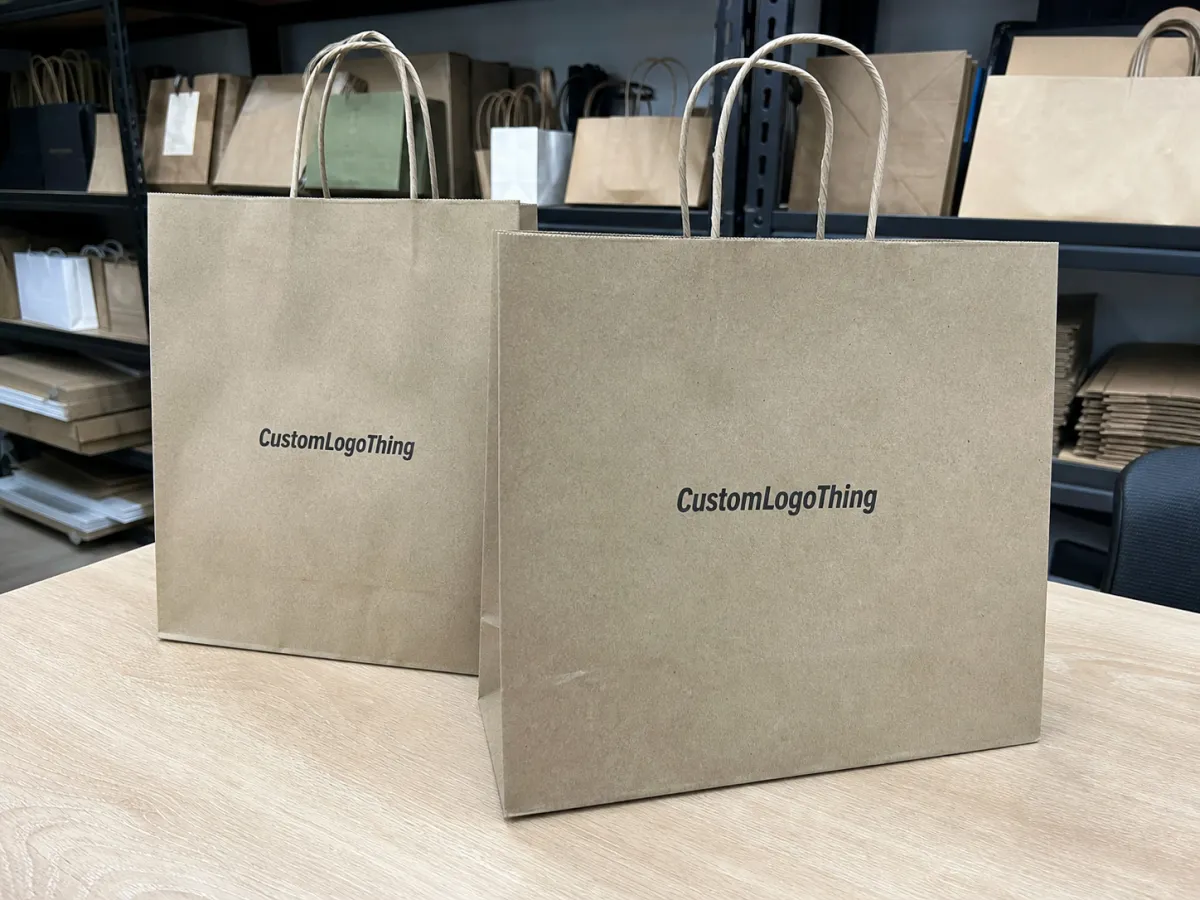
A retail bag becomes part of the product experience the moment the sale is complete. A stiff, well-proportioned twisted-handle bag suggests care and consistency. A thin bag with uneven folds or weak handles suggests the opposite. That first impression matters even more in electronics, where the item inside is usually high-value and the packaging is expected to feel deliberate.
These bags are often used for boxed accessories, compact devices, promotional kits, or bundled purchases. That means the bag has to do more than look branded. It needs to support the actual load, keep its shape after folding and carton packing, and arrive without crushed handles or split seams. A bag that works for a T-shirt can fail for a heavier charger kit.
Buyers should judge the bag on four points:
- Load confidence - the handle and bottom structure should hold the intended weight without visible strain.
- Visual control - the logo, type, and color blocks should still look clean at arm’s length.
- Retail fit - the dimensions should match the packed item instead of leaving excess slack or forcing a tight fit.
- Proof accuracy - the digital proof should reflect the bag that will actually be printed and assembled.
That order matters. Many teams review the artwork first and the construction second, but for electronics packaging the structure should be checked before the design is approved. A polished proof can hide a bag that is too small, too soft, or awkward in hand.
Digital Proof Process and Lead Time: What to Expect
A good digital proof shows production reality, not just a layout mockup. The supplier should place the art on a dieline, identify the print area, and show how the front, back, sides, and bottom will behave after folding. If the proof only shows a logo floating on a blank bag, important details are missing.
At minimum, the proof should show exact dimensions, handle style, bleed, safe zones, and the location of folds or glued seams. If the bag includes a QR code, legal line, SKU, or web address, check it at real size. Small text and codes are where many proofs fail because scaling and registration changes are not obvious until the file is prepared for production.
Lead time usually has two parts: proofing and production. A first proof may arrive in 24 to 72 hours if the artwork is ready and the size is already known. Revisions add time, especially when the buyer is still adjusting dimensions or logo placement. Once approved, standard production often takes 10 to 15 business days, though custom sizes, special finishes, and seasonal demand can push that longer.
Shipping should be reviewed before the proof is signed. The order may be approved on paper and still miss the launch date if freight timing, carton count, or pallet size was not planned early. For electronics launches tied to store openings or trade shows, delivery timing is part of the spec, not an afterthought.
Most delays come from a short list of issues:
- Artwork is not print-ready, so the supplier has to clean files or rebuild panels.
- The buyer changes color, copy, or logo scale after the first proof.
- The bag needs a custom size and requires extra dieline work.
- The order enters a busy production window.
- The chosen shipping method does not match the delivery target.
The fastest approvals happen when one person owns the spec early and can answer the basics: what item the bag carries, how much it weighs, and what the order has to survive before it reaches the customer.
Specs That Matter for Electronics Weight and Print Quality
Paper stock is one of the most underestimated choices. A bag that feels fine for lightweight retail can fail when it carries a boxed accessory kit. For electronics, paper weight, stiffness, and reinforcement matter more than the artwork. A 250 to 300 gsm stock may work for lighter items, while heavier kits may need thicker paper, a stronger bottom insert, or a different structure.
Handle construction matters just as much. Twisted paper handles are common because they look clean and hold up well for many retail uses, but performance still depends on adhesive area, top fold strength, and how the load sits in the bag. A quoted weight rating is only useful if the paper grade and reinforcement are known.
Dimensions should match the packed product, not just the shelf image. Width, gusset, and height need to fit the box or kit with enough room for easy insertion. A narrow bag can pinch corners, while an oversized bag can make the item shift and feel underfilled. For multi-item electronics sets, measure the widest packed object first and build around that.
Print quality changes with the design. Large solid areas can show banding or mismatch, thin type can blur near folds, and dark backgrounds can reveal small production issues. Vector art helps, but placement still matters. Keep critical copy away from seams, folds, and handle patches whenever possible.
Finish affects how the bag is perceived and how it holds up. Matte coatings look restrained and professional under store lighting. Gloss can brighten color blocks but may show scuffs sooner. Spot coating can highlight a logo or icon, though it adds another layer of proofing. If the order includes any finish beyond standard print, confirm that the supplier can keep registration consistent across the full run.
A simple field test helps before approval: fill the bag with the intended load and lift it by the handles. If the top edge twists, the base bows, or the gusset collapses, the structure is probably wrong for the product even if the proof looks fine.
Cost, Pricing, and MOQ Signals Buyers Should Check
Unit price is useful only when the rest of the quote is visible. A low bag price can become a higher landed cost once setup, freight, cartonization, and proof revisions are added. Buyers sourcing for electronics should compare the full cost, not just the factory number.
Quantity usually drives the biggest price change. Small runs carry more setup cost per piece, while larger runs spread that work across more bags. MOQ matters because a 300-piece launch and a 3,000-piece launch belong in different pricing conversations.
| Run Size | Typical Unit Price | Best Fit | Tradeoff |
|---|---|---|---|
| 250-500 pieces | $1.10-$2.10 | Samples, pilot stores, small events | Highest setup burden per bag |
| 1,000 pieces | $0.65-$1.30 | Regional rollouts, compact launches | Still sensitive to print complexity |
| 5,000 pieces | $0.28-$0.65 | National retail programs, recurring use | Storage and freight need planning |
| 10,000+ pieces | $0.18-$0.42 | High-volume promotions, seasonal traffic | Requires stronger demand confidence |
Custom sizes, extra print colors, side-gusset art, and specialty coatings can move pricing quickly. Setup fees often fall around $45 to $150 per color, but the exact number depends on the decoration method and the supplier’s tooling. Ask what is included in the quote and what is not, especially for proofing, cartonization, and freight.
A useful quote separates unit cost, setup, proofing, packing, and shipping. If those are bundled into one number, comparison becomes harder and reorder planning becomes guesswork.
Electronics Twisted Handle Paper Bags Digital Proof Checklist
The electronics twisted handle paper bags Digital Proof Checklist is useful because it protects the budget, the schedule, and the reorder record. A missed seam, wrong dimension, or unclear note can force a reprint or delay a launch. The proof should be treated as the production agreement, not as a decoration preview.
The proof is not a decoration preview. It is the production agreement you sign before the run starts.
Use this checklist before approval:
- Confirm the dieline - verify width, gusset, height, and print-safe area before judging color.
- Match the use case - make sure the bag fits chargers, accessories, boxed devices, or bundled kits.
- Check logo scale - confirm the brand mark reads clearly at arm’s length.
- Inspect both sides - check whether front and back are meant to match or differ.
- Review copy carefully - test-read SKUs, web addresses, legal lines, and QR codes.
- Watch the seams - keep critical art away from folds, glue areas, and the bottom panel.
- Confirm handle placement - handle position should not crowd the top edge or break the layout.
Three roles usually keep the proof cleaner. Branding checks appearance. Operations checks fit, timing, and carton count. Compliance checks claims, codes, and required copy. That split may add a day to review, but it is still faster than fixing a printed mistake.
Ask direct questions while the proof is open: what paper weight is being used, whether a dark background will print as a solid field, and whether handle reinforcement changes the top edge. These are normal production questions, and they should be answered clearly before approval.
If sustainability or transit performance is part of the order, ask for the supporting document instead of relying on a verbal claim. FSC status should be visible when it matters, and any shipping durability standard should be tied to the actual order rather than to general product language.
Common Mistakes That Slow Down Custom Bag Orders
The most common delay is bad artwork. Low-resolution logos, stretched raster files, and missing fonts can stop the proof before production begins. Vector files are safer for logos and line art. If imagery is part of the design, send the highest-resolution version available and include brand color references in writing.
Size errors come next. Buyers often think about the main product and forget the rest of the kit. A charging brick, cable, insert card, and retail box may require more room than the hero item alone. Measure the widest packed object and design around that instead of guessing from a mockup.
MOQ surprises are another common issue. A low advertised unit price can hide a minimum order larger than the launch needs. The reverse happens too: a small run can become expensive because setup costs are spread over too few bags. A written quote with quantity breaks is more useful than a verbal estimate.
Approval mistakes can be expensive even when the artwork is strong. Teams rush the proof, miss a punctuation error, or overlook a color shift that becomes obvious in hand. Handle color is a common example because it seems minor on screen and becomes a visible feature once the bag is produced.
Shipping and packing deserve the same attention. A correct proof still fails if cartons are too heavy, pallet counts are wrong, or the handles get crushed in transit. Electronics orders often ship with other marketing materials, so carton labeling and stacking should be checked before release.
Reorders need caution too. Do not assume the previous spec can be repeated without checking. Paper shades shift slightly, handle sources change, and stock availability changes. If consistency matters across store launches or seasonal programs, lock the approved version in writing and keep it with the job number.
Expert Review Habits and Next Steps After Approval
After approval, save the final artwork, dieline, proof, revision history, and quote in one place. That archive becomes the reorder record and makes later handoffs easier. Packaging files often get lost in email threads unless someone treats them like production assets.
A short sign-off list helps keep the process honest. Marketing confirms the presentation. Operations confirms the fit and timing. Procurement confirms the cost and terms. If the bags support a holiday push or trade show, a 5 to 10 percent overage can absorb damage, counting errors, or a late demand spike.
Reorder planning should start before the first shipment is gone. If the bag performs well, the next run should use the same paper stock, handle style, and print method unless there is a deliberate reason to change. Consistency is easier to maintain when the supplier can refer back to the exact approved spec.
That is the value of a disciplined custom packaging review: fewer surprises, faster sign-off, and a finished bag that matches the product it carries. Before release, run the electronics twisted handle paper bags Digital Proof Checklist one last time, confirm the version number, and record the approval date.
What should a digital proof include for twisted-handle electronics bags?
It should show exact bag size, print placement, color reference, handle style, and any front-and-back differences. It should also mark bleed, safe zones, folds, and seams so important detail does not disappear in production.
How do I know if the bag size fits chargers, accessories, or boxed devices?
Match the internal dimensions to the widest packed item, not the smallest one. If the order will hold multiple product formats, ask for a sample or a size comparison before you approve the final run.
What affects the unit cost of custom electronics paper bags the most?
Quantity, paper stock, print complexity, and finishing usually drive the biggest changes in unit price. Freight, setup fees, and packaging assumptions can move the landed cost even more than the base quote.
How long does proof approval and production usually take?
The biggest variable is how quickly artwork is approved and whether revisions are needed. After that, production time is shaped by queue length, quantity, and shipping method.
What file format should I send for the cleanest digital proof?
Vector files are best for logos and line art because they stay sharp at any size. If you use raster artwork, send the highest-resolution file available and include brand color references.