The cuff is the first part most shoppers handle. It is also the part that carries the logo, the label, and the first impression of fit. If you are sourcing a cuffed knit Beanies Wholesale Supplier for boutique retail buyers, the job is not simply to find the lowest quote. The real goal is tighter control over shape, color, repeatability, and margin. A clean program should make the product easy to display, easy to reorder, and hard to reject. Our Wholesale Programs page is a practical place to start if you want to compare specs and ordering terms side by side.
A beanie program fails fast when the sample looks polished in a photo but loses shape, twists on the head, or comes back in a slightly different shade on the next order.
Cuffed Knit Beanies Wholesale Supplier for Boutique Retail Buyers: Why Practical Programs Win
Boutique retail buyers do not need the largest possible run. They need a product that can sell through in a small floor set and reorder without creating a new set of problems. That sounds obvious. It rarely is. A cuffed beanie that sits too tall, rolls unevenly, or stretches out after a few tries on the rack can make a good assortment look careless.
That is why a cuffed Knit Beanies Wholesale supplier for boutique retail buyers needs to think like a retail partner, not only a production source. Smaller buyers usually test colors and styles in narrower quantities, then expand the winners. If the first order performs, the second order has to match it closely enough that the display still feels cohesive. Even a half-inch change in body height can alter the look from clean and classic to slightly slouchy.
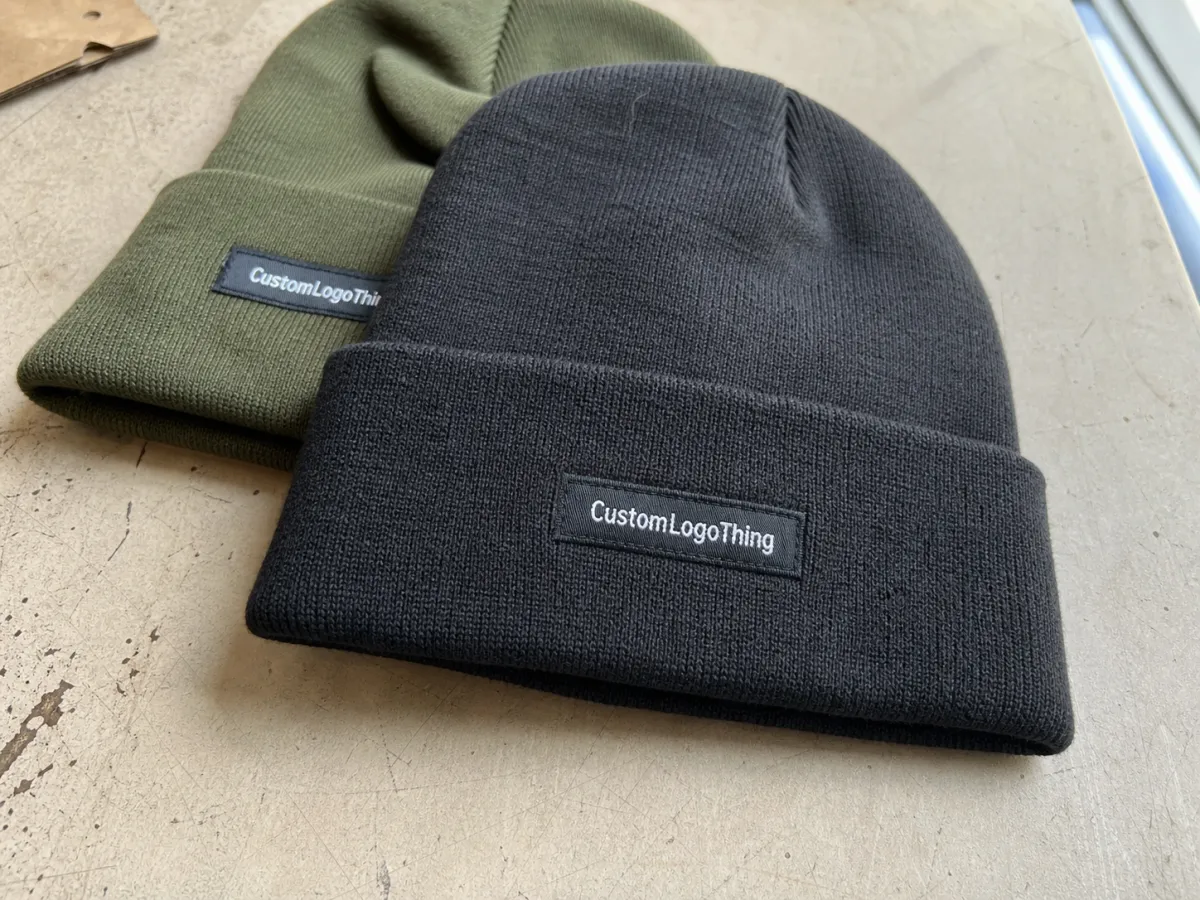
From a merchandising perspective, the cuff does more than frame the product. It creates a stable zone for branding and helps the beanie hold its fold on a shelf, peg, or bundled stack. In boutique settings, the cuff often carries the whole story. That means proportion matters: a generous cuff can make the product feel premium, but a cuff that is too deep can crowd the face and shorten the visible body of the hat. Buyers often feel this instinctively, even if they do not use the same language.
Fit consistency matters for another reason. Knit headwear is forgiving on the body and unforgiving on the shelf. A one-off sample can look fine in isolation. A 300-piece program with three shades and two branding methods can reveal whether the supplier really controls the knitting process. Boutique buyers usually notice the difference by the second reorder. So do customers.
Product Details That Matter: Cuff Width, Yarn, Gauge, and Fit
Start with measurements. Knit headwear lives or dies on proportions. A practical cuff width is often in the 2.5-3.5 inch range, while overall height commonly lands around 8.5-10.5 inches depending on the silhouette and intended fit. Shorter bodies read more fitted and classic. Taller bodies create a looser, slouchier feel. Neither is wrong. The problem starts when the fit is vague and the sample wanders.
Stretch is only half the story. Recovery matters more. A beanie can stretch a lot and still be a poor retail product if it does not return to shape. In boutique assortments, that issue shows up quickly after in-store try-ons. The cuff starts to flare, the crown loses balance, and the product stops looking intentional.
Yarn choice changes everything: handfeel, warmth, color depth, and how the knit reads under store lighting. Acrylic is usually the easiest to manage on cost and color consistency. Acrylic-wool blends bring a softer feel and a warmer hand, but they raise cost and can require more care messaging. Brushed acrylic or other soft-finish options often read premium, although they need a tight enough knit to avoid looking fuzzy or uneven. A loose surface can make a new product look tired before it even reaches the floor.
Gauge affects the visual finish. Tight gauge knitting generally gives a cleaner surface and better decoration support. Many cuffed beanies for boutique retail are made on machines in the 6-9 gauge range, though the exact setup depends on yarn thickness and the desired drape. Tighter construction usually hides minor imperfections better. Looser construction can feel more relaxed, but it also exposes stitch variation. That is fine for a rugged look. It is less fine for a neatly merchandised boutique wall where every colorway has to hold its own.
There are also practical material tradeoffs buyers should ask about early. A 100% acrylic beanie may be easier to price and more stable in color, but it can pill faster if the yarn quality is low. A blend with wool can improve warmth and handfeel, yet it may need stronger care labels and more precise lot control. If the product is meant for gift shops, resort retail, or lifestyle boutiques, the fiber story should match the price tier. Customers can feel when a $4 hat is trying to look like an $18 one.
Specifications to Lock Down Before You Request Samples
Do not request samples with a vague brief. The best spec sheet defines the yarn composition, cuff depth, overall height, knit density, acceptable stretch, and shrink tolerance. If the supplier knows the target fit range up front, the sample process moves faster and the final product is easier to repeat. Measurements should be written plainly, with the measurement points marked on a sketch whenever possible. That one habit avoids a lot of unnecessary back-and-forth.
Decoration needs the same discipline. A woven label does not behave like embroidery, and both sit differently on a cuff that stretches during wear. Patch size, stitch count, thread color, and placement should be approved before bulk production starts. If the artwork is too large for the cuff, it will buckle. If it is too small, it disappears once the hat is folded. Inside labeling matters too. Fiber content, care details, and country-of-origin marking should be planned early so the front branding does not get crowded or forced into a weird position.
Packaging is part of the specification, not an extra. Fold style affects presentation. Polybag choice affects receiving. Barcode labels, carton counts, and whether the units ship flat or lightly shaped all matter to boutique teams that need to sort, count, and floor product quickly. If paper inserts or hangtags are part of the order, FSC-certified stock is a straightforward way to support a cleaner retail story without complicating the program.
Compliance is another detail buyers should not leave until the end. Knit headwear often passes through fabric content checks, labeling reviews, and sometimes basic colorfastness or shrink testing, especially if a retailer wants consistent resale quality. A supplier does not need to overstate test results to be useful. It is enough for them to explain which checks they perform in-house, which ones are done by a lab, and which standards they can realistically support.
- Measurements: cuff depth, total length, and tolerance range.
- Fabric: yarn content, gauge, and finish.
- Branding: woven label, embroidery, patch, or inside print.
- Pack-out: fold style, bag type, barcode label, carton count.
Pricing, MOQ, and Unit Cost Drivers for Small Boutique Orders
Price is never just price. Yarn quality, stitch complexity, decoration method, packaging, and the number of colors in the order all affect the final quote. A simple cuffed beanie in one color with a woven label usually costs less than a premium soft-hand style with embroidery and retail-ready packaging. The bigger surprise for many buyers is how quickly extras add up. Individual bagging, special hangtags, extra thread colors, and multiple SKUs all increase unit cost in small runs.
MOQ changes the math in a meaningful way. A lower quantity can work if the design is narrow, the artwork is final, and the buyer is willing to keep the spec tight. The more a boutique program shifts from color to color, the more cost rises because the factory has to manage more yarn pulls, more setup, and more packing variation. A Cuffed Knit Beanies wholesale supplier for boutique retail buyers should be able to explain those breakpoints clearly instead of hiding them inside one blended quote.
Buyers also need to separate factory price from landed cost. Freight, sampling, carton configuration, and extra packaging can change the real margin more than the per-piece quote suggests. A $2.65 hat that ships poorly may cost more in the end than a $3.10 hat that packs cleanly and lands on time. Small retail programs feel that difference quickly.
| Option | Typical MOQ | Approx. Unit Price | Best For |
|---|---|---|---|
| Basic acrylic knit with woven label | 300-500 pcs | $2.10-$3.40 | Entry assortment, tight margins, simple branding |
| Acrylic-wool blend with embroidery | 500-1,000 pcs | $2.80-$4.60 | Mid-tier boutique programs that need a warmer handfeel |
| Soft-hand acrylic with patch and retail packing | 500-1,500 pcs | $3.25-$5.50 | Premium presentation, higher ticket retail, gifting |
Those ranges are starting points, not promises. Yarn market shifts, order size, knit complexity, and color count all matter. Freight can also move fast. A quote that looks strong on paper may lose its edge once you add packaging or shipping. Buyers who focus on landed cost tend to make better decisions than buyers chasing the lowest starting number. If the order is seasonal, timing may matter as much as price.
There is also a hidden cost in revision cycles. Every artwork correction, label adjustment, or color reapproval takes time. Time has a price. A supplier who quotes slightly higher but gets the spec right the first time can be the cheaper option in practice. That is especially true for boutique buyers who cannot absorb delays without missing a selling window.
For shipping expectations, many brands look at transit-test references rather than guessing at carton performance. The ISTA protocols are a useful reference if your team wants a more disciplined conversation about package durability and distribution risk.
Process and Lead Time: From Artwork to Bulk Delivery
The cleanest orders follow the same sequence: brief intake, spec confirmation, sample development, sample review, approval, production, and final packing. Each step has its own delay risk. The front end usually takes longer than buyers expect, but it pays for itself later. Every unclear note in the brief becomes a correction in sample making or bulk production. That is how lead times stretch.
A good partner will ask direct questions about cuff size, color matching, and logo placement before any yarn is cut. That is a positive sign. The opposite is not. If a supplier accepts a vague brief without pushing for detail, the sample may look fine until it is compared against the actual retail need.
Sampling is often the first time-sensitive step. A straightforward knit beanie sample may be ready in 7-10 business days. More detailed branding or color-matched work can take longer. After approval, bulk production usually runs in the 15-25 business day range, depending on order size, yarn availability, and packing requirements. A custom pom, mixed materials, or added packaging can extend that window. Buyers planning for a seasonal floor date should build in buffer time before the selling window opens.
Shipping adds another layer. Domestic freight can be quick, but imported goods need more breathing room for line haul, customs, and receiving. A solid supplier does not need to send endless updates. They need to send accurate ones. If yarn is delayed or a label proof needs another round, that should be stated early so the store team can adjust inventory plans rather than react late.
Reorder planning also matters. In a steady program, the best supply partners help buyers forecast the next run before the first shipment is even fully landed. That keeps cold-weather assortments in stock instead of waiting for a second wave to fill the gap. Boutique retail is often too small to absorb avoidable downtime.
What Sets a Reliable Knit Headwear Partner Apart
Consistency across repeat orders is the first test. Yarn lot control, color match discipline, and stable sizing from run to run matter more than polished sample photography. A boutique buyer may tolerate a slower quote if the supplier can repeat the same look each time, because that protects the brand on the shelf. The point is not to make one good sample. The point is to make the tenth order look like the first.
Communication is the next marker. Clear spec confirmations, realistic timing, and quick answers when changes are needed save a lot of friction. Many orders go sideways because the factory and the buyer each assume the other side understands cuff size, label method, or packaging the same way. Good suppliers write things down, confirm details in plain language, and flag concerns before they become production problems.
Quality control should be visible. Boutique retail buyers should ask how the supplier checks stitch symmetry, label placement, and carton accuracy. They should also ask whether the factory inspects for loose threads, uneven seams, twist in the cuff, shade drift, and size variation before packing. If the answer is vague, that is a warning sign. Reliable knit programs do not depend on luck. They depend on repeatable checkpoints.
There are a few practical checks worth asking for on every order: measurement inspection on a set number of pieces, color approval against a physical reference, and pack-out review before carton closure. If the product is branded, a pre-production artwork sign-off and a final shipment photo set can prevent a lot of costly confusion later. None of that is flashy. It is simply how better buyers protect their margin.
From a buyer's perspective, a dependable cuffed Knit Beanies Wholesale supplier for boutique retail buyers should support Wholesale Programs with version control for artwork, packing, and product names so every replenishment stays aligned. That kind of discipline matters more than a broad promise of low price.
If a sample looks polished but the cuff twists, the logo sits unevenly, or the color drifts from one piece to the next, the product is not ready for retail even if it photographs well.
Ordering Mistakes That Slow Reorders or Raise Costs
The most common problem is a vague brief. If the buyer says "medium fit" or "premium feel" without measurements or a reference sample, the back-and-forth can drag on for days. The factory then has to guess at the target, and guessing is expensive. A proper spec sheet with one reference sample saves time, lowers revision cycles, and makes the bulk order easier to approve.
Another mistake is underestimating how much decoration and packaging change the final quote. An embroidered badge, a custom woven label, individual polybags, and barcode stickers are not small extras in a boutique-sized order. They are part of the unit economics. Color count matters too. If every colorway needs its own yarn pull or thread combination, the order becomes harder to manage and the cost usually moves upward.
Buyers also get into trouble when they approve a sample verbally instead of in writing. A clear reference sample and a signed spec sheet create one version of the truth. That matters later, especially if the reorder is supposed to match the first shipment. If you are comparing a cuffed knit beanies wholesale supplier for boutique retail buyers across multiple quotes, ask each one to price the same sample, the same packaging, and the same packing count. Otherwise you are not comparing like for like.
Some of the most expensive mistakes are small. A label placed 5 mm off center. A cuff that is slightly too deep. A carton count that does not match the receiving team’s workflow. None of these issues looks dramatic on a spreadsheet, but each one creates friction where boutique retail teams can least afford it.
- Do not leave fit and cuff height undefined.
- Do not approve decoration before seeing placement on a real sample.
- Do not compare factory prices without freight and packing.
- Do not skip the written approval trail.
Next Steps for Boutique Retail Buyers
If you are ready to quote a beanie program, send the essentials first: target quantity, preferred yarn feel, cuff dimensions, logo method, color count, packaging style, and delivery window. Those details usually give a supplier enough information to produce a quote that means something. The more specific the brief, the better the sample plan and the fewer surprises later.
Then build a short comparison sheet. Rank each supplier on quote price, sample quality, lead time, reorder flexibility, and communication clarity. That side-by-side view helps boutique teams avoid getting distracted by the cheapest first number. Better decisions usually come from comparing the full order picture, not just the factory gate price.
If you are narrowing down a cuffed knit beanies wholesale supplier for boutique retail buyers, ask for a spec-based quote and a sample schedule before you commit. That one move can protect margin, reduce revisions, and make a seasonal buying plan easier to execute. Our Wholesale Programs page is a straightforward place to begin that conversation.
For buyers who want a cleaner retail launch, the right knit beanie partner is the one that can repeat the same fit, the same cuff, and the same finish without drifting on quality or timing. That is the standard that keeps a boutique assortment looking intentional from the first carton to the reorder.
What should boutique retail buyers ask a cuffed knit beanies wholesale supplier before ordering?
Confirm yarn content, cuff dimensions, fit range, decoration method, and whether the supplier can repeat the same spec on reorders. Ask for sample timing, bulk lead time, carton pack-out details, and the minimum quantity needed to reach the quoted price.
What is a practical MOQ for cuffed knit beanies wholesale orders?
MOQ varies by construction and decoration, but smaller boutique programs usually work best when the order is narrow in color and spec. A lower MOQ can be workable if the design is simple, the artwork is finalized, and the buyer accepts less price leverage.
How does a cuffed knit beanies wholesale supplier calculate unit cost?
Unit cost is driven by yarn quality, stitch complexity, cuff size, decoration, packaging, and how many colors or versions are in the order. Freight, sampling, and carton configuration should also be included so the buyer understands landed cost, not just factory price.
How long does sample approval and production usually take?
Sampling is often the first time-sensitive step because it confirms fit, color, and decoration before bulk production starts. After approval, the schedule depends on material availability, order size, and packing requirements, so buyers should plan early for seasonal sell-in.
Can boutique buyers customize cuffed knit beanies for retail presentation?
Yes, common options include woven labels, embroidery, patches, fold style, barcode labels, and retail-ready packaging. The earlier those details are specified, the easier it is to control price, protect lead time, and keep the assortment consistent.