Get an embroidered Patches Supplier Quote for farmers market sellers, with clear options for size, backing, MOQ, pricing, lead time, and production-ready artwork.
Farm Booth Branding Works Harder Than Most Sellers Realize
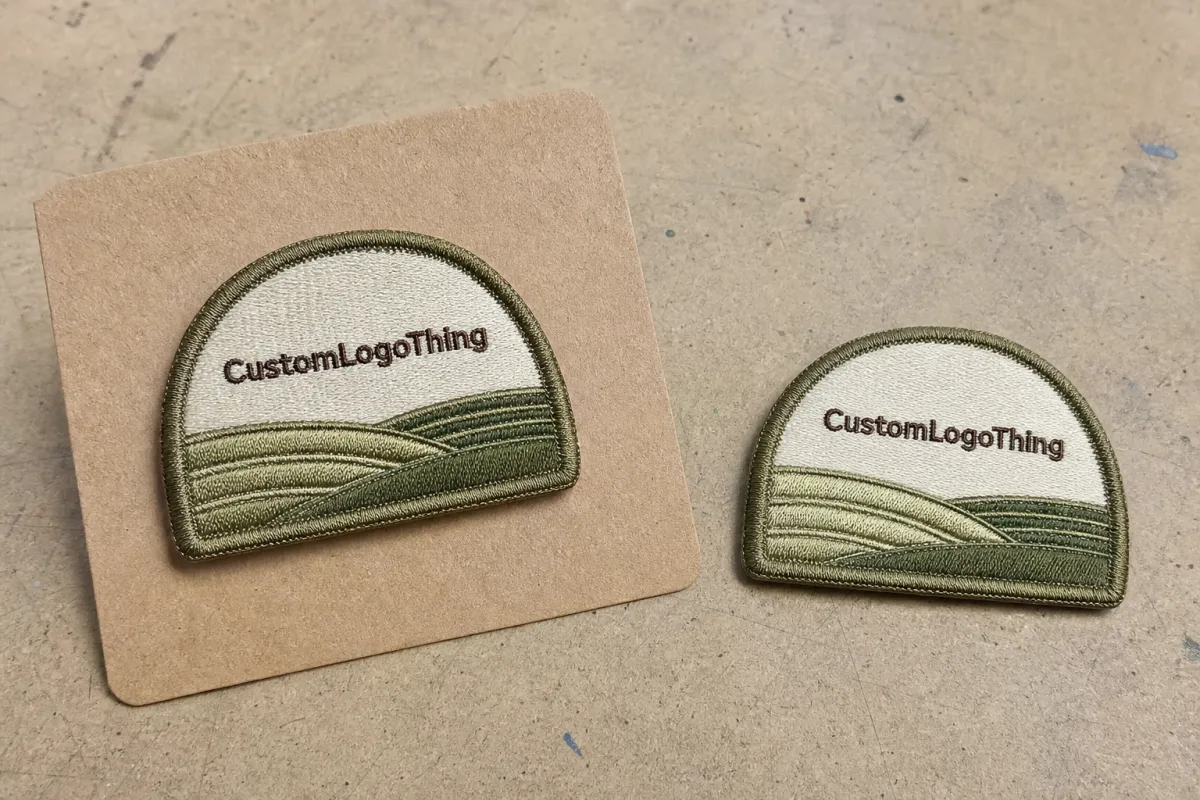
An embroidered Patches Supplier Quote for farmers market sellers is not just a price for decoration. It is a map for a small, durable branding piece that may land on aprons, caps, denim jackets, canvas tote bags, CSA pickup bags, seasonal merch, or gift bundles. A stitched badge only 2.5 to 4 inches wide can keep a booth memorable long after the shopper has walked away with berries, bread, flowers, honey, coffee, or soap.
Who wants a booth that disappears into the crowd?
Shoppers notice pattern before they read names. A stall with matching caps, branded aprons, and tidy patch-decorated totes looks organized from 20 feet away, often before the farm name is legible. In a packed aisle, that order matters because produce is already loud with color, chalkboards compete with hand-painted signs, and people are making quick choices while juggling a stroller, basket, leash, or coffee cup.
Embroidered patches sit neatly between disposable paper branding and fully custom apparel. Paper tags and stickers are cheap, but they scuff, get wet, or end up in the trash. Direct embroidery on hats and jackets can look great, yet the cost rises fast when every garment needs its own machine run.
Patches solve that problem. The same design can be sewn or heat-applied to existing garments, staff uniforms, merch drops, totes, display textiles, and packaging accents, which gives a small farm more room to scale without rebuilding the whole uniform system every season.
A good quote should read plainly. It should state the patch size, embroidery coverage, backing, border, quantity, artwork preparation, proofing method, production timing, and delivery cost before approval. No mystery math. No “premium quality” promise sitting where material details should be.
Common market uses include logo patches for caps, name patches for staff aprons, farm stand patches for canvas totes, limited-run strawberry or pumpkin patches, and small souvenir patches for loyal customers. The supplier’s job is simple to describe and hard to execute: translate a farm logo, hand-lettered mark, or illustrated vegetable motif into embroidery that stays readable at arm’s length.
Practical rule: if a person cannot read the patch from arm’s length, the design probably needs simplification before it goes to thread.
Patch Styles That Fit Farm Stands, Food Brands, and Handmade Booths
Patch style affects price, appearance, durability, and how the finished piece behaves on fabric. For farmers market use, the main choices are fully embroidered patches, partially embroidered patches with a twill background, woven-style alternatives for very fine artwork, and either merrowed or cut edges depending on shape.
A fully embroidered patch covers nearly the entire face with thread. It has a dense, raised feel and works well for bold logos, badge-style marks, simple icons, and merchandise sold as a keepsake. It also uses more machine time, which means more stitches, more cost, more thread tension, and more chances for tiny lettering to tighten up if the design is not digitized carefully.
A partially embroidered patch leaves some base fabric visible, usually polyester or cotton-poly twill. That can reduce stitch count and unit cost while still looking clean. For a farm logo with a green leaf, cream background, and two lines of text, partial embroidery may be the better value because the twill becomes part of the design instead of dead space hidden under thread.
Embroidery works best when artwork is simplified into clear blocks of color, clean outlines, and lettering large enough to stitch. Tiny gradients, shaded tomato illustrations, thin script, and hairline borders may look polished in a digital file, but thread has physical thickness. A 75-denier or 120-denier embroidery thread cannot behave like ink from a fine-point pen.
Applications should drive construction. Aprons need durable patches that can handle washing, bending, sweat, and soil. Caps need sizing that respects curved placement; a 3-inch wide patch often behaves better than a tall, rigid badge on a crown. Tote bags need a backing and border that sit flat. Retail patches sold loose should have a clean finished back because customers will handle them before buying.
Brand mood matters too. Rustic twill backgrounds in tan, cream, olive, or black can feel natural and traditional, while dense embroidery gives a more polished merchandise look. Shaped patches are useful for carrots, strawberries, flowers, bees, chickens, goats, jars, coffee cups, or bread loaves because the silhouette helps customers recognize the item before they read a word.
Color contrast deserves more attention than it usually gets. Earthy palettes look excellent on booth textiles, but dark green thread on black denim, tan thread on cream twill, or navy text on charcoal caps can disappear in ordinary market lighting. Before requesting a quote, send the logo file, approximate patch size, intended garment or product, and expected selling environment so the supplier can recommend the right construction without overbuilding the patch.
Artwork, Thread, Backing, and Border Specifications to Confirm
A proper embroidered patch quote should include the essentials in writing: patch size, shape, embroidery coverage, thread color count, base fabric, border type, backing type, quantity, artwork setup, proofing or sampling method, packing method, and shipping destination. If those items are missing, the quote will be hard to compare against another supplier’s number.
Thread has limits. Embroidery creates texture by laying stitches into fabric, not by printing ink onto a flat surface. Small type under roughly 0.18 to 0.25 inches tall can become difficult to read, depending on font, stitch direction, and thread density. Thin outlines may close up. Gradients usually need to become solid color steps. Photo-style detail should be simplified, or the patch may look muddy once stitched.
Backing choice affects application and service life. Sew-on backing is the strongest long-term option for aprons, work jackets, denim, and frequently washed apparel. Iron-on or heat-seal backing can speed up application, but the receiving fabric must tolerate heat and pressure; coated materials, some synthetics, stretchy fabrics, and structured caps can be poor candidates. Adhesive backing is best for temporary placement, event samples, or short-term booth use. Hook-and-loop backing works when patches need to be removable, such as on staff vests, field jackets, or rotating seasonal displays.
Border construction has its own rules. A merrowed border, the raised stitched edge many people recognize, works well on circles, ovals, rectangles, squares, and simple shield shapes. Heat-cut or laser-cut borders are better for irregular farm icons, script logos, animals, vegetables, flowers, and badge silhouettes with sharp turns. Both can look professional, but they are not interchangeable on every shape.
Market apparel works hard. Patches may face sweat, rain, mud, produce handling, flour dust, coffee drips, sun exposure, and repeated laundering. If the patch is going on a staff apron washed twice a week, say that. If it is a retail souvenir mounted on a backing card, say that too. The right quote depends on use.
Vector artwork is ideal: AI, EPS, SVG, or a clean PDF. High-resolution PNG files can often be reviewed, especially when the logo is simple. The supplier may still need to redraw or digitize the design, because embroidery machines require stitch instructions rather than standard print artwork. That setup can appear as a separate line item.
The cheapest embroidered Patches Supplier Quote for farmers market sellers may leave out digitizing, backing, or shipping, which means the final invoice is not as low as it first appeared. Why compare quotes without those details?
Quality control starts before production. Ask whether the supplier checks stitch density, thread color matching, edge alignment, backing adhesion, loose threads, and logo legibility. For heat-seal patches, the adhesive film should be tested for bond strength on the actual fabric whenever possible.
Ask for the sample first.
Embroidered Patches Supplier Quote for Farmers Market Sellers
Pricing usually comes from a few moving parts: patch size, stitch count, shape complexity, thread colors, backing type, border style, digitizing fee, quantity, and shipping. Smaller runs can carry higher per-piece cost because setup is spread over fewer units, while larger orders often lower the unit price but raise the total outlay.
Size changes more than many sellers expect. A 2-inch patch and a 3.5-inch patch may look close on screen, yet the larger one can require much more embroidery time and denser thread coverage. Extra thread colors also add handling, especially when the logo uses seasonal artwork or a multi-color produce theme.
MOQ matters. A supplier may quote 25, 50, or 100 pieces as the minimum order quantity, and that number can influence both price and flexibility. If a booth is still testing a new name or seasonal badge, a lower MOQ may be more valuable than the lowest possible unit cost.
Some sellers ask for one patch and expect factory pricing. That rarely works well. Setup, digitizing, test stitching, and machine calibration all have a cost, so a quote should be evaluated as a package, not as a single line on a spreadsheet.
Shipping can be a quiet budget breaker. A quote that looks ideal on the product page may change once freight, customs, packaging, or delivery timing are added. Ask for landed cost whenever possible, especially if the patches need to arrive before a market opening, a holiday launch, or a harvest festival.
Clear use cases help the supplier price accurately. A patch meant for staff aprons may need stronger backing and more wash resistance. A patch sold in a gift bundle may need a cleaner back, nicer packing, and a card insert. Those small decisions change the quote, and they should.
Production Steps, Proofing, Timeline, and Lead Time Planning
Production begins with artwork review. The supplier checks size, detail, color count, border style, and backing choice, then converts the art into stitch data if needed. That digitizing step often determines whether the final patch looks crisp or crowded.
Next comes the proof. A digital proof shows placement, dimensions, and overall construction. Some suppliers also provide a stitched sample or pre-production photo. That is the moment to catch spelling errors, logo balance issues, and any line work that is too fine for thread.
Lead time varies with complexity and quantity. A simple patch can move quickly, while a detailed logo with custom shapes, seasonal colors, or heat-seal backing may take longer. Ask about production time separately from shipping time so the schedule stays honest.
Seasonality matters more than most new sellers expect. Spring herb sales, summer berry weekends, fall pumpkin traffic, and holiday gift bundles can all create sudden demand. A patch run ordered too late may arrive after the booth has already needed it.
Proof approval should be treated like a deadline, not a suggestion. If the supplier sends a mockup on Tuesday and the launch is on Saturday, waiting until Thursday to reply can turn a manageable job into a rushed one. Small businesses feel that pressure fast.
How to Compare Supplier Quotes Without Getting Burned
Comparing quotes is easier when every supplier is answering the same questions. Ask each one for patch size, stitch count or embroidery coverage, backing, border, MOQ, digitizing, proofing, turnaround, shipping, and packing details. If the format differs, normalize it before judging the price.
Look beyond the headline number. A low quote with weak backing, no sample, or vague shipping can cost more after corrections and reorders. A slightly higher quote from a supplier who understands market merchandise may save time and protect the brand.
Ask about revision policy. Some suppliers include one or two design changes in the setup fee, while others charge for every adjustment. That matters if the farm logo is still evolving or if the final patch needs to fit on a very specific cap or apron panel.
Inspect the wording for omissions. Does the quote name the thread palette, or just say “standard colors”? Does it specify sew-on or iron-on backing? Does it mention whether loose threads are clipped and whether the patches are packed flat? Those details separate a usable quote from a rough estimate.
One supplier may specialize in retail-ready patches, while another mainly serves garment factories. The first is usually better for market sellers, because a booth brand needs clarity, speed, and presentation, not just bulk output.
How Custom Logo Things Quotes Small-Batch Market Merch
Custom Logo Things can quote small-batch market merch with the details farmers market sellers actually need, including patch size, backing, border, and production timing. The best results come when the artwork is sent early and the intended use is explained clearly.
That matters because a farm patch is not always just a patch. It may be a uniform marker, a retail souvenir, a seasonal bundle insert, or a standing brand asset that shows up on bags and jackets all year. Different uses can justify different constructions.
When the supplier knows the patch will sit on a washable apron, it can recommend sew-on backing. When it knows the patch will be sold individually, it can suggest a cleaner back and stronger presentation. Context turns a generic quote into a better one.
Small-batch orders also benefit from sharper digitizing. Tight budgets leave little room for design drift, so the thread file should be built for legibility first and ornament second. That is especially true for logos with produce illustrations, script names, or tiny market taglines.
Next Steps Before You Request Your Patch Order
Before you request a quote, gather the logo file, target size, quantity, fabric type, and intended use. If the patches are for aprons, caps, totes, or retail bundles, say so up front.
Then ask for the full cost picture. Include setup, sample or proof fees, production, packing, and shipping, and ask the supplier to note any assumptions that could change the final price.
Finally, compare response quality as carefully as you compare the number. A vendor who explains limitations clearly is often easier to work with than one who hides them behind a low headline price.
FAQs
What size works best for farmers market patches? Most logos fit well between 2.5 and 4 inches wide, though the right size depends on detail, placement, and whether the patch is for a cap, apron, or tote.
Can a farm logo with tiny text be embroidered? Sometimes, but small lettering often needs to be simplified so it stays readable after stitching.
Which backing is best for wash-worn apparel? Sew-on backing is usually the most durable choice for aprons, jackets, and other frequently laundered items.
Do I need vector artwork? Vector files are ideal because they make digitizing easier, but a clean PNG or PDF can also work if the design is simple.
How do I avoid surprise charges? Ask for a quote that includes digitizing, backing, border, packing, and shipping before you approve the order.