Get a Logo Patches Supplier Quote for Jewelry Brands That Matches the Box Experience
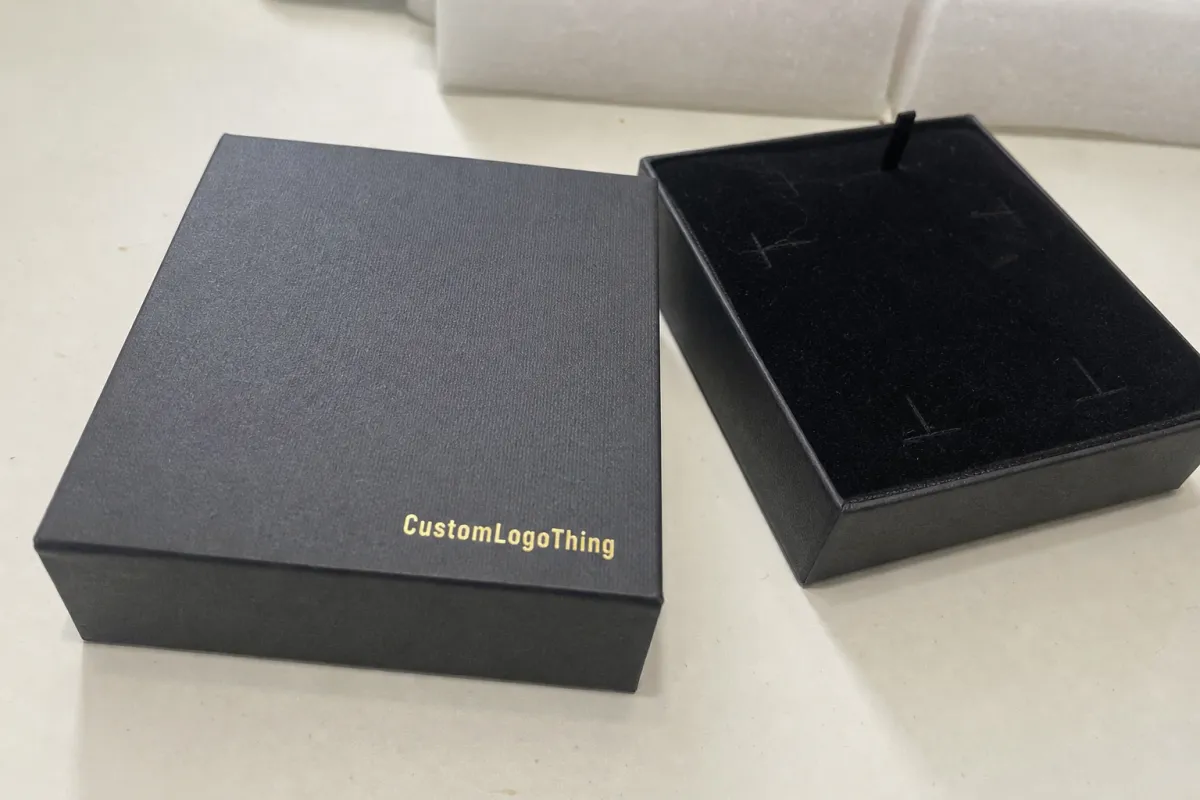
Jewelry packaging is judged before the clasp opens or the stone catches light. A Logo Patches Supplier Quote for jewelry brands should account for that pressure. The patch is small, but it sits inside a visual system made of velvet, suede, satin, coated paper, rigid board, molded inserts, foil marks, ribbon, and polished metal. If it looks cheap, the whole presentation loses altitude.
The failure is rarely dramatic. A logo goes soft at 1 inch wide. Thread color leans too blue against a champagne box. A heat backing stiffens a pouch mouth. A metal-look badge reflects beautifully in a product photo, then scratches a neighboring insert during fulfillment. Buyers may not identify the manufacturing issue, but they can sense the mismatch.
Jewelry brands are not usually sourcing patches for workwear durability alone. They need a tactile brand marker: readable at small scale, pleasant to touch, consistent across reorders, and compatible with the packaging material underneath it. That is a narrower assignment than “make a custom patch.” It is closer to specifying a packaging component.
Useful applications include drawstring pouches, ring pillow inserts, watch cushions, travel rolls, repair kits, care kit sleeves, boutique uniforms, retail trays, display wraps, and limited-edition gift sets. Each use changes the patch decision. A soft pouch rewards flexibility. A rigid case can take a badge. A bridal box often needs restraint rather than texture.
A serious quote should never be only a unit price. It should name the patch type, finished dimensions, backing, attachment method, color count, edge finish, artwork requirements, MOQ, sample cost, production lead time, freight method, and any tooling, mold, die, or digitizing charges.
Custom Logo Things can help compare woven, embroidered, printed, leather, faux leather, silicone, PVC, and metal-look options by actual use: sewn to fabric, heat-applied to cotton, mounted to board, glued to a case, or packed for a third-party assembly vendor. That level of specificity is what separates a decorative add-on from a patch that behaves properly through production, shipping, retail handling, and customer use.
Best Patch Types for Jewelry Pouches, Cases, and Display Packaging
Patch selection should start with packaging behavior. Appearance matters, but the surface underneath decides what will work. Velvet crushes. Satin glosses. Leatherette can reject adhesive. Coated board may warp if the patch is too rigid or too heavy. A quote that ignores the substrate is guessing.
| Patch Type | Best Jewelry Packaging Use | Typical Strength | Watch-Out |
|---|---|---|---|
| Woven | Small pouch labels, monograms, fine logos | Clean detail at compact sizes | Gradients and metallic effects are limited |
| Embroidered | Textured pouches, uniforms, gift sets | Raised, crafted surface | Tiny lettering can fill in |
| Printed Fabric | Care kits, seasonal sleeves, promotional packaging | Handles gradients and detailed art | Flatter feel than thread or leather |
| Leather or Faux Leather | Watch cases, bridal packaging, minimalist brands | Deboss, emboss, foil, or laser marking | Thickness and edge finish need control |
| Silicone or PVC | Travel cases, waterproof pouches, sport-luxury lines | Durable, flexible, easy to clean | May feel too casual for delicate packaging |
| Metal-Look Badge | Rigid boxes, premium cases, display wraps | Jewelry-like shine | Weight, edges, plating tone, and adhesive need testing |
Woven patches are often the safest choice for fine logos, serif type, small icons, and monograms. Since the design is formed with fine threads rather than thicker embroidery stitches, woven construction can usually hold sharper detail at small sizes. Letterforms around 4 to 5 mm high may remain readable, depending on font weight, contrast, weave density, and spacing. That margin matters on a pouch label barely wider than a coin.
Embroidered patches bring dimension. They look more substantial on cotton, canvas, twill, or textured pouches and can suit brands that want a crafted surface rather than a quiet label. The drawback is physics. Thread has thickness. Curves and corners depend on stitch direction. A narrow script mark squeezed into a 0.75-inch patch will often need simplification before it can be produced cleanly.
Printed fabric patches handle artwork that thread cannot: gradients, watercolor effects, tiny illustrative details, complex seasonal graphics, or photographic elements. They make sense for promotional sleeves, care kits, polishing cloth packaging, and limited runs where visual detail matters more than raised texture. The tradeoff is touch. Printed fabric can look precise but feel flatter.
Leather and faux leather patches suit watch cases, men’s accessories, bridal boxes, repair kits, and minimalist jewelry lines. Debossing creates a quiet imprint; embossing raises the mark; foil adds controlled shine; laser marking gives contrast without additional color. Genuine leather has natural variation in grain and finish. Faux leather is more predictable from batch to batch, which can be useful when packaging must match across multiple replenishment runs.
Silicone and PVC patches belong on the more practical side of jewelry packaging. They resist moisture, wipe clean, and flex well on travel organizers, zippered cases, waterproof pouches, and sport-luxury collections. On a delicate satin pouch, they may look out of place. On a molded travel case, they can look intentional.
Metal-look badges can echo the jewelry inside the box, which is their appeal and their risk. They need extra review for plating tone, weight, edge smoothness, adhesive bond, and abrasion against adjacent materials. A thin badge can lift a rigid presentation box. The same badge may be too stiff for a soft pouch or too sharp for stacked inserts.
Logo Detail, Size, Backing, and Attachment Specifications
A clean Logo Patches Supplier Quote for jewelry brands begins with exact specifications. “Small gold patch” is not enough. The supplier needs finished width and height, logo file, material preference, color references, edge style, backing, attachment method, packaging substrate, order quantity, delivery location, and target date.
Jewelry packaging patches are usually smaller than apparel patches. Small woven labels often land around 0.75 to 1.5 inches wide. Pouch patches commonly sit around 1.5 to 2.5 inches wide. Travel case, watch roll, or gift set patches may run 2.5 to 4 inches wide. Bigger is not automatically more premium. A 3-inch patch on a 4-inch velvet pouch can dominate the presentation and make the fabric fold badly.
Edge style changes both appearance and handling. Merrowed edges suit thicker, classic patches, but they add bulk and require enough border width. Laser-cut or heat-cut edges work well for clean small shapes. Folded edges are common on woven labels. Leather patches may use raw, painted, burnished, or heat-sealed edges, depending on the material and the brand’s finish standard.
Backing deserves the same scrutiny. Sew-on patches are reliable for fabric pouches, travel rolls, and uniforms. Heat-press backing can work on compatible textiles, but it should be tested on the actual material. Velvet, satin, microfiber, leatherette, coated fabric, laminated paper, and some rigid inserts can scorch, shrink, gloss, crush, or delaminate under heat and pressure.
- Sew-on: Stable for fabric pouches, travel rolls, and uniforms; strong, but stitch visibility must be accepted or designed around.
- Heat-press: Efficient for compatible textiles; requires testing for temperature, pressure, dwell time, and surface change.
- Adhesive backing: Useful for low-stress placement or rigid surfaces; risky on repeated flexing, dusty fibers, or textured coatings.
- Iron-on: Possible for some fabrics; less controlled than commercial heat-press application.
- Hook-and-loop: Useful for removable patches, repair kits, sample displays, and modular retail setups.
- No backing: Common when patches will be stitched, riveted, clamped, inserted, or mechanically fixed.
Artwork has limits no proof can wish away. Thin strokes, tight letter spacing, metallic gradients, and micro registration marks may need adjustment for woven thread, embroidery, molded fill, printing, debossing, or foil. For fine jewelry packaging, a digital proof with size markers is the minimum. For premium runs, a physical pre-production sample is usually the wiser checkpoint, especially on velvet, suede, leatherette, satin, or rigid presentation inserts.
Cost, Pricing, MOQ, and What Changes the Unit Cost
Patch pricing comes from production variables, not from the logo alone. Material type, size, shape, color count, backing, edge finish, artwork conversion, tooling, sample work, quantity, packing method, and freight all push the number. A quote that skips those inputs may look simple, but it is not ready for purchasing approval.
In broad terms, woven and printed patches tend to price efficiently at scale. Embroidery cost rises with stitch count and coverage. Silicone, PVC, and metal-look pieces may require molds or dies. Leather cost varies by material grade, thickness, finish, and marking method. These are patterns, not universal rules, but they explain why two patches of the same size can land at very different costs.
| Specification Choice | Typical Cost Impact | Practical Buyer Note |
|---|---|---|
| Higher quantity | Usually lowers unit cost | Ask for tiers such as 500, 1,000, and 2,500 pieces |
| Complex custom shape | May increase cutting, die, or mold cost | Simplify narrow points, deep notches, and fragile corners |
| More colors | Can raise thread, print, fill, or setup cost | Use Pantone references for controlled matching |
| Special backing | Adds material and handling cost | Choose based on the package surface, not convenience |
| Individual bagging | Adds packing labor | Useful when patches ship to a sewing or assembly vendor |
MOQ is a manufacturing threshold, not just a sales preference. Loom setup, thread preparation, dyeing, cutting, mold making, inspection, and packing all take time, even for a patch smaller than a pendant card. Molded PVC, silicone, and metal-look badges often carry higher minimums because tooling happens before the first approved production piece exists.
Lower unit cost usually comes from increasing quantity, simplifying the shape, limiting color changes, choosing a standard backing, avoiding oversized dimensions, and keeping the artwork production-friendly. A compact woven pouch patch may price much better at 1,000 pieces than at 100 because setup time is spread across more units.
A reliable Logo Patches Supplier Quote for jewelry brands should separate unit price, setup or digitizing charge, mold or die fee, sample fee, bulk production cost, packaging cost if individually bagged, shipping estimate, duties or import notes, and reorder pricing. It should also state whether the quote is based on estimated artwork, approved artwork, or an approved sample. Changes after proofing can affect cost, especially if size, backing, color count, or construction changes.
Ask for two or three pricing tiers: a launch quantity, a standard reorder, and a larger seasonal run. That comparison is often more useful than chasing the lowest unit cost without seeing the cash-flow tradeoff. A slightly higher unit price on a smaller test run may be sensible if the brand is still validating packaging placement or sell-through.
Process and Timeline from Artwork Review to Finished Patches
The buying process should be easy to trace: inquiry, artwork review, material recommendation, formal quote, digital proof, sample approval when needed, bulk production, inspection, packing, shipping, and delivery confirmation. The best suppliers slow down early so the bulk order does not fail late.
The first questions should go beyond the logo file. Where will the patch sit? How will it attach? What surface is underneath it? Will the package open, fold, stack, rub, travel, or sit inside a mailer? Will it encounter heat, moisture, perfume, lotion, cosmetics residue, polishing compound, or repeated handling? Jewelry packaging lives in drawers, gift bags, backrooms, fulfillment stations, and luggage. The patch has to survive more than a product photo.
Artwork review should cover vector files, Pantone references, minimum line thickness, letter height, border spacing, stitch direction for embroidery, weave density for woven patches, and die lines for custom shapes. Vector art is preferred because it scales cleanly and converts more predictably. Raster artwork can work for some printed patches, but low-resolution logos create avoidable risk.
Digital proofs are not paperwork to skim. They confirm size, colors, edge style, backing, placement, and production notes before sampling or bulk manufacturing begins. A 2 mm border change can alter the way a monogram reads. A backing note can determine whether a pouch puckers or lies flat.
Sampling timelines depend on construction. Simple woven or printed samples often move faster than molded PVC, silicone, metal-look, or complex leather patches that need tooling, foil setup, specialty finishing, or additional drying and curing time. Bulk lead time depends on quantity, current production load, approval speed, inspection requirements, and freight method.
Rush orders are sometimes possible if artwork is clean, specifications are settled, and the buyer accepts available materials or standard construction. Complex tooling, custom plating, special leather finishes, or late design changes can extend turnaround quickly. Build in extra time if patches must later be sewn onto pouches or assembled into packaging. Attachment is a separate operation with its own labor, quality checks, and scheduling constraints.
For full packaging systems, some brands review transport testing concepts from organizations such as ISTA, particularly when patched pouches or cases ship inside mailers, rigid gift boxes, or retail cartons. The patch may be tiny. The distribution path is not.
Quality Checks That Matter for Fine Jewelry Branding
Fine jewelry packaging leaves little room for visible inconsistency. Engagement, bridal, anniversary, collector, and watch purchases invite close inspection. A crooked patch or fuzzy logo can make an otherwise polished package feel improvised.
For woven patches, check small text legibility, border alignment, thread color, flatness, cut consistency, fraying, loose yarn, and shape accuracy. A 1.25-inch pouch label should not have letters vanishing into the ground thread or borders wandering from one side to the other.
For embroidered patches, inspect stitch density, thread sheen, fill coverage, border registration, backing stability, trimming, puckering, and bulk. Embroidery can look rich, but too much stitch coverage on lightweight fabric can ripple the pouch. That is not a branding issue. It is a construction mismatch.
For leather patches, review grain consistency, deboss depth, foil adhesion, cut edges, burn marks, thickness, and color variation. Laser marking can darken edges or leave smoke marks if not controlled. Foil should hold cleanly under handling without flaking or smearing.
For silicone or PVC patches, inspect mold detail, raised and recessed areas, color fill, flexibility, bubbles, sharp flash, and thickness. A patch that feels too stiff may fight the curve of a travel case or leave pressure marks when packed against soft inserts.
Attachment testing is where many attractive patches either earn approval or fail. Adhesive can lift. Heat can mark fabric. Stitching can pucker. A rigid patch can deform a soft pouch. Test the patch on the actual packaging substrate whenever possible. Velvet, satin, microfiber, coated paper, leatherette, and laminated board all react differently under pressure, heat, folding, and abrasion.
Sustainability claims also need discipline. If a paperboard box, insert, or hangtag uses certified fiber, programs such as FSC may be relevant to the broader packaging system. That does not automatically make a textile, leather, PVC, silicone, adhesive, or metal-look patch certified or recyclable. Claims should match the actual component being discussed.
For reorders, keep approved samples and specifications on file. Record patch size, thread colors, Pantone references, backing type, edge finish, artwork version, sample approval notes, packing method, and any application settings. Reorders are cleaner when the original build is documented instead of rebuilt from memory six months later.
Supplier Fit: What Jewelry Buyers Should Confirm Before Ordering
Supplier selection should rest on production clarity. The right partner can explain tradeoffs between patch materials, not simply push the cheapest or most decorative option. A good quote should feel specific to the pouch, case, insert, display tray, or retail system you are building.
Ask direct questions before approval:
- Have you checked the logo at the requested finished size?
- Which patch method keeps the smallest letters readable?
- What backing is safest for this pouch, insert, case, or box material?
- Is a physical sample recommended before bulk production?
- What could change the quoted price after proofing?
- Can you quote launch, reorder, and seasonal quantities?
- How will the patches be packed if they ship to a sewing or packaging vendor?
A packaging-focused supplier is valuable because jewelry patches rarely stand alone. They have to coordinate with rigid boxes, inserts, ribbons, tissue, cards, pouches, retail trays, e-commerce mailers, and sometimes staff uniforms. Thread colors, printed colors, leather tones, foil colors, and metal finishes should be compared against existing packaging materials whenever possible, not judged on a screen alone.
Custom Logo Things can support material guidance, artwork preparation, digital proofing, custom sizing, multiple patch constructions, and production notes that make internal approval easier. A team comparing woven versus embroidered for a monogram pouch, leather versus metal-look for a watch case, or printed versus woven for a seasonal gift set should see the tradeoffs side by side.
Good communication prevents expensive surprises. Look for written quote details, proof confirmation, sample photos when relevant, production updates, and packing information. Also value the supplier who warns that a design is too small, too detailed, too stiff, or poorly matched to the surface. That warning may save the order.
If your team wants to review branded packaging components in finished presentations, the Custom Logo Things case studies page can help frame placement, material pairing, and product context before a patch direction is approved.
How to Prepare Your Patch Request for a Clean Quote
The fastest way to get a useful logo patches Supplier Quote for Jewelry Brands is to send practical information in the first message. Every detail does not need to be final, but the supplier needs enough context to recommend construction instead of guessing.
- Logo file: Vector art such as AI, EPS, SVG, or editable PDF is best. PNG or JPG files help as references but may not be enough for production.
- Desired size: Give width and height in inches or millimeters. If unsure, share the pouch, case, or insert dimensions.
- Preferred material: Mention woven, embroidered, printed, leather, faux leather, silicone, PVC, or metal-look if you already have a direction.
- Packaging photos: Send images of the pouch, case, box insert, display card, or travel roll, including close-ups of texture.
- Attachment method: State whether the patch will be sewn, heat-pressed, glued, inserted, riveted, mounted, or mechanically fixed.
- Target quantity: Ask for tiered pricing if you are comparing a launch run with a reorder quantity.
- Delivery details: Include delivery address, target in-hand date, freight preference, and any launch or event deadline.
- Brand color references: Send Pantone numbers, foil references, leather swatches, box photos, ribbon samples, or approved packaging specs.
Photos help more than many buyers expect. A supplier can often see whether a pouch surface may be heat-sensitive, whether a rigid insert needs a low-profile patch, or whether a travel case requires more flexibility. If a physical packaging sample is available, say so. If the patch must coordinate with existing boxes, ribbons, cards, labels, or foils, include those references.
State the intended use in plain language: sewn onto velvet pouches, heat-applied to cotton drawstring bags, adhered to rigid box inserts, mounted on leatherette travel cases, or attached to boutique staff uniforms. That one sentence can prevent the wrong backing from being quoted.
If the direction is still open, ask for two or three construction options. Woven may outperform embroidery for a fine monogram. Leather may feel more refined than metal-look on a soft watch roll. Printed fabric may handle seasonal artwork better than thread. The best choice depends on the logo, surface, handling path, order size, and budget.
For a clean quote, include sample requirements, lead time needs, shipping method, and reorder pricing in the same request. If your team is ready to compare options, send artwork and packaging details through Contact Us. Accurate specifications lead to faster pricing, cleaner samples, and fewer changes before production.
FAQs
What should I include when requesting a custom logo patch supplier quote for a jewelry brand?
Send the logo file, preferred size, material direction, quantity, packaging photos, attachment method, delivery location, and target in-hand date. Include Pantone references, foil references, or photos of existing boxes, pouches, ribbons, cards, and labels if color matching matters. Explain whether the patch will be sewn, heat-pressed, glued, inserted, riveted, or mounted.
Which logo patch type is best for luxury jewelry pouches?
Woven patches are often best for fine lettering, monograms, and compact logos because they hold clean definition at small sizes. Embroidered patches add texture but may require simplified artwork. Leather and faux leather patches work well for minimalist, bridal, watch, and premium accessory packaging where debossing, embossing, laser marking, or foil fits the brand.
What affects the MOQ for logo patches used by jewelry brands?
MOQ depends on patch type, material, size, backing, color count, tooling, sample requirements, and production setup. Molded silicone, PVC, and metal-look patches may carry different minimums because molds or dies are involved. Ask for a launch quantity and a reorder quantity so unit cost can be weighed against inventory risk.
Can logo patches be heat-pressed onto jewelry pouches or cases?
Some textile pouches can accept heat-press backing, but velvet, satin, microfiber, leatherette, coated materials, and laminated surfaces need testing first. Heat, pressure, and dwell time can affect pile, gloss, shrinkage, coating, and adhesive bond. Sew-on, adhesive, inserted, or mechanically attached options may be safer for heat-sensitive packaging.
How long does a logo patch order take after quote approval?
Timeline depends on artwork readiness, proof approval, sample needs, patch construction, order quantity, inspection requirements, and shipping method. Digital proofing comes first, followed by sampling if required, bulk production, inspection, packing, and freight. Molded, leather, and metal-look patches often need more time than simple woven or printed patches.


