Embroidered Patches Supplier Quote for Gift Set Brands
Get an Embroidered Patches Supplier Quote for Gift Set Brands
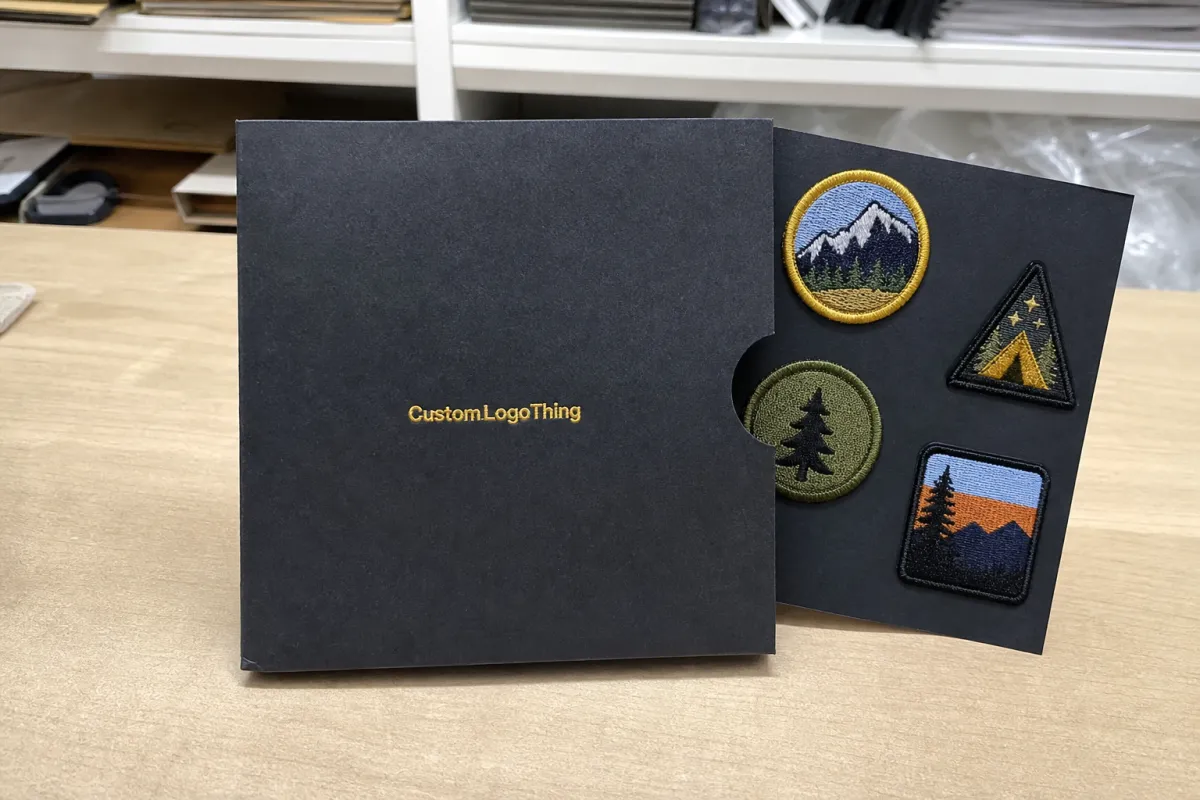
In a premium gift set, the patch is often the piece people keep after the box, sleeve, ribbon, and paper filler are gone. Buyers searching for an embroidered Patches Supplier Quote for gift set brands are not just pricing decoration. They are pricing a small textile item that must repeat cleanly across kits, boxes, apparel add-ons, drinkware bundles, travel sets, and corporate gifting programs.
That tiny badge can carry more brand memory than a printed insert. Embroidery adds texture, weight, and a sense of permanence. A sticker says “campaign.” A well-made patch says “object.” That distinction matters when the gift set is meant to feel reusable, collectible, or worth keeping on a desk instead of disappearing into a drawer.
Patches can play several roles in a branded gift program. They may be sewn onto textile pouches, attached to caps or bags included in the set, mounted on printed backing cards, packed as loose collectibles, heat-applied to accessories, or used as a decorative closure on a fabric wrap. Each use case changes the quote because backing, thickness, edge style, packing method, and labor all move the final number.
A useful quote should clarify patch size, embroidery coverage, thread colors, backing, border type, packaging method, minimum order quantity, sampling cost, production timing, and shipping assumptions. A quick per-piece price may look convenient, but it often changes once the buyer confirms heat-seal backing, individual card mounting, barcodes, carton labeling, or a delivery date that leaves no margin for revision.
Practical quote rule: if two suppliers are quoting the same patch, their specifications should read almost the same. If the specs differ, the prices are not truly comparable.
The aim is straightforward: help procurement teams, brand managers, and gift set developers request a clean, comparable quote without paying for details they do not need or under-specifying details that affect the final presentation.
Patch Types That Work Best Inside Gift Sets
Not every patch style belongs in every gift set. A thick vintage badge may look excellent on a canvas weekender bag. The same patch can feel bulky inside a slim stationery kit where every millimeter of tray height has already been negotiated.
Fully embroidered patches work well for bold logos, dense icons, and marks that need a rich thread surface. Partially embroidered patches leave some twill or felt visible, lowering stitch time and giving the design breathing room. For fine text, tiny icons, or crisp micro-detail, a woven label or printed patch may outperform standard embroidery because thinner yarns and flat printing can hold detail that raised thread cannot.
Chenille-style patches bring a plush varsity or retro athletic feel. They suit lifestyle bundles, collegiate themes, sports promotions, and collector-style kits better than compact executive gifts. Hybrid patches, which combine embroidery with printed elements, can solve a common brand problem: the logo includes gradients, shadows, or illustration that would become muddy if stitched at small scale.
Common gift set applications include luggage-style patches for travel kits, badge patches for outdoor or wellness bundles, monogram patches for executive gifting, soft logo Patches for Apparel sets, and collectible patches mounted to branded cards inside rigid boxes. The supplier should review the full presentation, not just the art file.
The frequent mistake is simple: a buyer sends the full digital brand file and expects embroidery to reproduce every gradient, narrow gap, hairline, and shadow. Thread is physical. It has height, sheen, and a minimum practical width. Strong outlines, simplified marks, adequate spacing between letters, and smart color reduction usually produce better patches than a literal copy of a print file.
Brand consistency also needs attention. Ask the supplier to compare thread options against Pantone references, background fabric color, finished patch scale, and nearby components such as boxes, tissue, belly bands, labels, hangtags, and insert cards. A quote for gift set patches should support the full branded presentation, not treat the patch as an isolated trim item.
Materials, Backings, Borders, and Finishing Details
An embroidered patch has more layers than buyers sometimes expect. The standard stack includes base fabric, embroidery thread, stabilizer, backing layer, edge finish, and optional packaging or mounting card. Each component affects cost, hand feel, durability, and how the patch behaves inside a packed gift set.
Twill is common because it is stable, clean, and economical. Felt gives a softer heritage look. Canvas and cotton suit natural, outdoor, or utility-themed kits, while polyester bases are used where consistency and durability matter. Specialty textured fabrics can look beautiful, but they should be tested with small lettering because texture competes with detail.
Thread choice changes the look as much as the fabric does. Rayon can deliver sheen and strong color vibrancy. Polyester is valued for strength and colorfastness, especially if the patch will end up on apparel, bags, or items that see regular handling. Metallic thread adds highlight, but it should be used with restraint; it can increase cost, slow production, and make small details harder to control.
Border options
Merrowed borders create a rounded, classic patch edge and work best on simple shapes: circles, rectangles, shields, ovals, and basic badges. Heat-cut or laser-cut borders support custom silhouettes, narrow outlines, and cleaner modern shapes. If a logo has a jagged edge, thin tail, or nonstandard contour, a laser-cut edge is usually the cleaner option.
Backing options
- Sew-on: best for maximum permanence on pouches, caps, bags, jackets, and apparel.
- Iron-on: useful for consumer application, though adhesion depends on fabric, heat, pressure, and washing.
- Heat-seal: suitable for production environments with press equipment and defined time, temperature, and pressure settings.
- Hook-and-loop: ideal for removable patches on tactical, outdoor, or interchangeable gift products.
- Adhesive: best for temporary placement, display, or light-duty mounting; not a substitute for long-term wear.
- No backing: suitable when patches will be sewn into another product or mounted by the fulfillment team.
If patches are displayed loose on cards, test adhesive strength, residue risk, and card coating. Soft-touch laminate, aqueous coating, UV coating, and uncoated stock all behave differently with temporary adhesives. If patches are packed beside delicate items such as coated drinkware, sunglasses, tech accessories, or polished metal pieces, review edge softness and thread snag risk before bulk packing.
Finishing details may include individual polybags, paper backing cards, barcode stickers, size sorting, carton labeling, and kitting preparation for fulfillment teams. If the program makes paper sourcing claims, buyers can review certification principles through the Forest Stewardship Council. Claims should match the actual certified material and chain-of-custody documentation, not just a general preference for paper over plastic.
| Patch Detail | Best Fit | Cost Impact | Buyer Watchout |
|---|---|---|---|
| 50% embroidery coverage | Clean logos with visible twill background | Lower to moderate | Background fabric color becomes part of the brand look |
| Full embroidery coverage | Rich premium badges and dense designs | Higher | More thread and machine time can increase lead time |
| Merrowed border | Circles, ovals, rectangles, shields | Moderate | Not ideal for complex custom shapes |
| Laser-cut border | Modern shapes and detailed outlines | Moderate to higher | Thin points and narrow bridges need review |
| Backing card mounting | Collectible patches inside rigid boxes | Moderate | Card stock, coating, and adhesive must be tested together |
Specifications to Prepare Before Requesting Pricing
A clean RFQ starts with the basics: patch width and height, shape, quantity, design file, number of thread colors, embroidery coverage percentage, backing type, border type, and whether the patch is loose, mounted, sewn, or applied to another product. Miss one of these, and the quote shifts from dependable pricing to a rough estimate.
Embroidery coverage is one of the largest cost drivers. A 50% embroidered patch leaves base fabric visible and is generally more cost-efficient. A 75% to 100% coverage patch creates richer texture but uses more thread and machine time. Across 2,500, 5,000, or 10,000 pieces, that difference becomes noticeable.
Sizing deserves practical thought. Small patches, around 1 to 1.5 inches wide, can be economical but may lose tiny text. Medium patches, often 2 to 3.5 inches, tend to work well in gift sets because they allow brand detail without overwhelming the box insert. Oversized patches should be checked against tray cavities, box depth, pouch dimensions, and retail display angles.
Vector artwork such as AI, EPS, or PDF is preferred. A high-resolution PNG can be reviewed if vector art is unavailable, but the supplier still needs to digitize the design for embroidery machine paths. The machine does not print the file in thread. It follows stitch instructions built for direction, density, trims, underlay, and sequencing.
Color matching needs a practical eye. Thread colors can approximate Pantone references, but thread has sheen and texture, so it may appear different from ink on SBS paperboard, CMYK print, foil stamping, or digital color. If brand color is critical, approve a physical sample or detailed sample photos under controlled lighting before bulk production.
Larger programs may also need compliance and labeling details. Confirm fiber content needs, care instructions if patches are sewn to apparel, packaging label requirements, and restrictions from the end retailer or corporate gifting platform. If the gift set will be distribution tested, standards from groups such as ISTA can help teams think through shipping performance, even though the patch is only one component.
A request that says “logo patch, 2 inches, 1,000 pieces” will almost always produce a ballpark number. For an accurate embroidered Patches Supplier Quote for gift set brands, describe the finished use and the packaging expectations at the same time.
Cost, MOQ, and Unit Cost Drivers for Custom Patches
Custom embroidered patch pricing is usually shaped by size, stitch count, embroidery coverage, number of colors, backing type, edge finish, quantity, sampling needs, packaging method, and shipping destination. Freight can matter more than expected if the order includes backing cards, individual bags, display sleeves, or split shipments to multiple fulfillment locations.
MOQ is not just a supplier preference. Lower minimums may be possible for simple patches, but the per-unit cost rises because digitizing, machine setup, color loading, trimming, inspection, and packing are spread across fewer pieces. Higher quantities usually reduce unit cost, especially when the design and packaging remain consistent.
Digitizing is commonly a one-time setup charge for converting artwork into stitch instructions. Sample fees may apply before bulk production. Repeat orders can be more efficient if the same design, size, thread colors, backing, and border are reused. Change the size, backing, or edge type, and the supplier may need to revise the file or sampling plan.
Two patches of the same size can price very differently. A simple two-color design with 50% coverage and a merrowed border may run quickly. A dense, full-coverage patch with metallic thread, custom shape, heat-seal backing, and individual backing cards takes more time and handling. The second patch may look more premium, but the quote should explain why it costs more.
| Example Specification | Typical Quantity Range | Common Unit Cost Behavior | Notes |
|---|---|---|---|
| 2-inch, 2-color, partial embroidery, merrowed edge | 1,000 to 5,000 pcs | Often lower cost | Good cost-control option for simple logos |
| 3-inch, 5-color, high coverage, laser-cut edge | 2,500 to 10,000 pcs | Moderate to higher | Common for premium gift kits and collector patches |
| 3.5-inch full embroidery with metallic thread | 1,000 to 5,000 pcs | Higher | Best when the patch is a hero item, not a minor insert |
| Patch mounted on printed backing card | 2,500+ pcs | Adds finishing cost | Card stock, print, attachment, and packing add labor |
As a broad market observation, simple small embroidered patches can sit in a low per-piece range at volume, while premium, high-coverage, card-mounted, or specialty-thread patches cost several times more. Exact pricing depends on labor rates, raw material costs, exchange rates, freight method, and how much finishing work is performed before shipment. Any supplier giving a firm number without final specifications is either padding the quote or planning to revise it later.
For quote comparison, ask whether pricing includes digitizing, physical sample, revisions, individual packaging, card mounting, freight, duties if applicable, and carton labeling. If one quote is dramatically lower, check what has been excluded. A low patch price can become less attractive once sampling, packing, and shipping are added back in.
If the target unit cost is tight, a practical supplier can often simplify the thread count, reduce embroidery coverage, adjust size by 0.25 inch, choose a standard backing, or consolidate patch versions. Transparent pricing is useful. A confident supplier should be able to explain why a patch costs what it costs and where cost can be removed without creating quality risk.
Production Steps, Lead Time, and Approval Timeline
The usual production path runs through inquiry review, artwork check, specification confirmation, quote, digitizing, digital proof, sample production when needed, sample approval, bulk production, inspection, packing, and shipment. Simple repeat designs move faster. New designs, custom shapes, specialty threads, multiple colorways, and packaged patch sets need more review time.
Digitizing deserves respect. Embroidery machines do not read a logo the way a printer reads a PDF. The artwork must be converted into stitch paths, stitch angles, density settings, underlay, trims, and thread sequence. Those decisions affect clarity, durability, and the way the patch sits on fabric or backing card.
What should buyers inspect in a sample? Start with logo shape and letter readability. Then check thread color, edge finish, backing adhesion, patch thickness, hand feel, and how the patch looks inside the actual gift set. A patch that looks excellent on a white approval sheet may feel too dark, too thick, or too busy once placed against black foam, kraft inserts, molded pulp, or printed tissue.
Realistic timing depends on the order. A simple repeat patch may only need a digital proof and production slot. A new retail launch may need digitizing, one or more physical samples, internal brand approval, packaging card approval, and final inspection criteria. Delays often come from artwork changes, unclear backing requirements, late decisions on presentation cards, or approvals split between brand, procurement, and fulfillment teams.
Good production controls reduce surprises. Lock the approved sample. Confirm size tolerances, often discussed in small fractions of an inch or a few millimeters depending on the patch size. Require pre-production photos for complex orders. Define carton labeling before packing starts. Verify shipping method before the production slot is reserved.
Rush orders may be possible when specifications are simple and materials are available, but rushed embroidery should not skip proofing. Small text, metallic thread, dense stitching, and high-visibility gift programs need a deliberate approval step. It is far cheaper to catch a filled-in letter during sampling than to discover it after 5,000 gift sets are already packed.
Artwork and Quality Checks That Prevent Gift Set Problems
Embroidery has physical limits. Thread has thickness. Curves need space. Tiny gaps can close. Very small text may blur if the design is not adjusted for stitch behavior. A supplier who gives direct artwork feedback is protecting the buyer from a weak finished product.
Common artwork issues include hairline strokes, gradients, photographic shading, small legal copy, thin script fonts, too many color blends, tight spacing, and shapes that do not translate well to a merrowed border. These problems appear most often when a print-ready logo is sent directly for embroidery without simplification.
Good design fixes are usually straightforward. Increase minimum letter height. Convert gradients into solid thread areas. Add a border to separate the logo from background fabric. Thicken delicate lines. Remove unnecessary detail at small sizes. Reduce color count where it improves readability.
Quality inspection before shipping should cover count verification, thread trimming, border consistency, backing adhesion, color consistency, patch dimensions, stitch density, loose threads, stains, and packaging accuracy. If patches are mounted to cards, inspect card alignment, adhesive placement, scuffing, barcode position, and carton counts.
Reasonable tolerance expectations matter. Embroidery is a stitched textile product, not offset printing on a flat sheet. Minor dimensional and thread placement variation is normal, but the approved sample should define the acceptable appearance range. For high-visibility programs, keep that sample as the reference for reorder production.
A patch with curling edges, loose threads, or mismatched color can make the whole kit feel less considered, even if the rigid box, insert tray, and printed components are well built. That is why the embroidered patch quote should include proofing, sample review support, and clear quality expectations before bulk work begins.
Next Steps to Request a Clean Supplier Quote
The fastest path to accurate pricing is a complete specification package. Send the logo artwork, preferred patch size, estimated quantity, backing type, border preference, intended use inside the gift set, packaging requirements, target delivery date, and shipping destination. If there is a target unit cost, share it. A capable supplier can suggest practical adjustments instead of guessing.
Photos or drawings of the gift set layout are extremely helpful. Show whether the patch will be sewn, heat-applied, mounted on a card, placed loose in a box, or paired with apparel and accessories. A 3-inch patch packed loose in a rigid box needs different finishing than the same patch sewn to a cotton pouch.
If the budget is still open, ask for two or three options. For example, request a standard embroidered patch, a simplified cost-control version, and a premium version with specialty backing or a presentation card. That gives procurement and brand teams a real decision path instead of a single number with no context.
- Confirm whether digitizing is included.
- Ask if a physical sample is included or quoted separately.
- Check how many revisions are covered.
- Clarify individual packaging, card mounting, carton labels, and barcode needs.
- Confirm freight, taxes, duties where applicable, and any split-shipment or rush charges.
Approve a physical sample for launches, retail gift sets, influencer kits, or corporate gifting programs where brand appearance is highly visible. Keep that approved sample as the standard for future reorders. If your team is building a larger branded program and wants to review adjacent custom product examples, the Case Studies page can help frame the conversation, and the Contact Us page is the right place to start a specification-based quote request.
A complete embroidered patches supplier quote for gift set brands should leave few mysteries. The buyer should know what is being made, how it will be finished, how it will be packed, what approvals are required, and which assumptions affect price. That clarity is what turns a small patch into a reliable part of a larger branded experience.
FAQ
What details are needed for an embroidered patch supplier quote for gift sets?
Provide artwork, patch size, quantity, thread color expectations, embroidery coverage, backing type, edge style, packaging needs, delivery date, and shipping destination. If the patch will be mounted to a card, sewn onto a pouch, or heat-applied to a product, include that use case because it affects backing and finishing recommendations.
How does MOQ affect an embroidered patches quote for gift set brands?
MOQ affects unit cost because digitizing, setup, color loading, trimming, inspection, and packing are spread across the total order quantity. Higher quantities usually reduce the unit cost. Smaller runs may still be possible, but they typically carry a higher per-piece price.
Can embroidered patches be color matched to a gift set brand palette?
Thread colors can be selected to closely match Pantone or brand references, but thread sheen and texture can make colors appear different from ink, foil, paperboard, or digital color. For strict brand programs, approve a physical sample or detailed sample photos before bulk production.
What backing is best for embroidered patches in premium gift sets?
Sew-on backing is best for permanent textile attachment, heat-seal backing works for press application, hook-and-loop is useful for removable patches, and adhesive backing is best for temporary placement or display. For loose collectible patches, a clean backing card or individual packaging may matter more than the attachment method.
How long does production take after approving an embroidered patch quote?
Timing depends on design complexity, sample requirements, quantity, materials, packaging, and shipping method. The process usually includes artwork review, digitizing, proofing, sampling if needed, approval, bulk embroidery, inspection, packing, and shipment. Build in extra time if the patch must align with a full gift set production schedule.